
Build a tiny peer network with roles, scripts, and one boring rule so seasonal spikes don't sneak up on varsity bodies.
Draft a two-person check-in team, not a whole squad
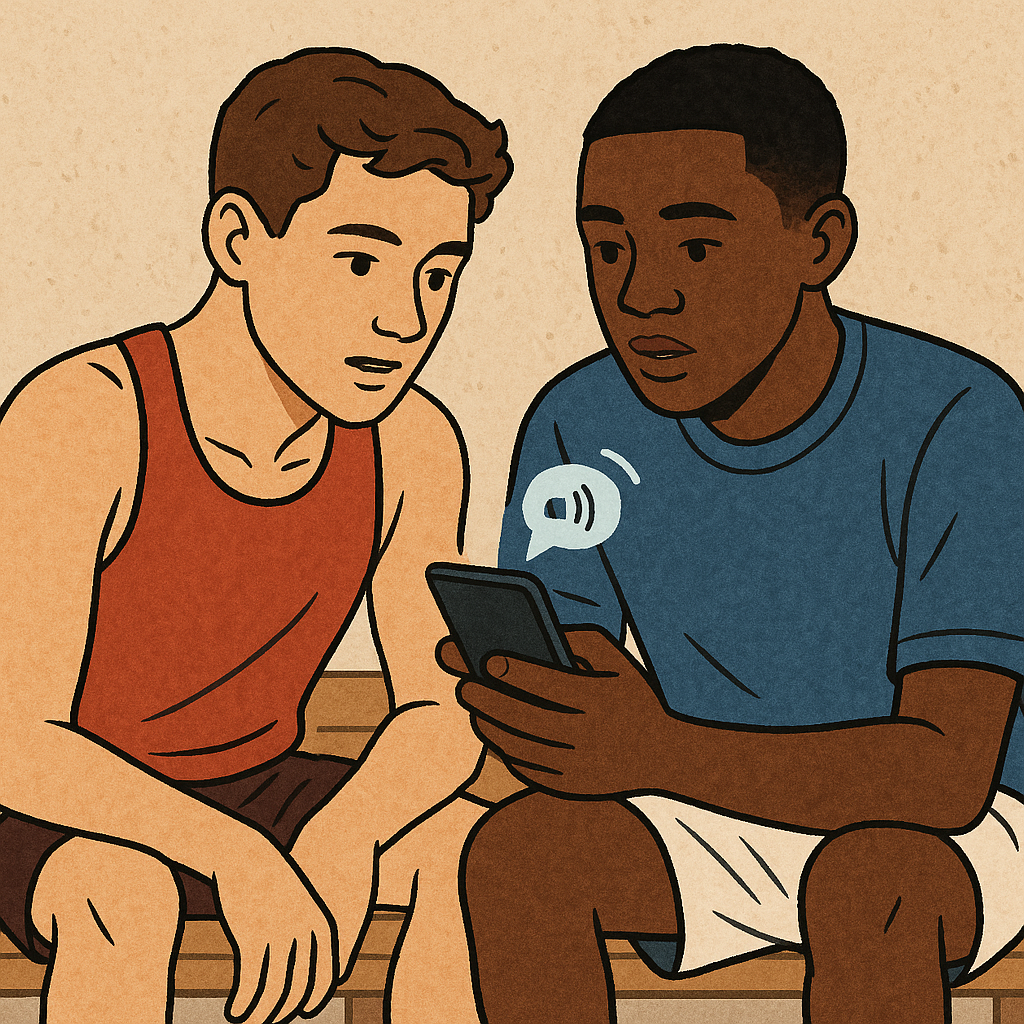
The fastest way I've seen peer support fail is by making it public. The team GroupMe turns every sore elbow into a comedy bit, or worse, a toughness contest. If you want it to work across fall, winter, and spring, keep it small and specific: two people, with jobs. One is your same-sport peer who understands what a Tuesday set of repeat 200s does to your calves or what a week of live at-bats does to a forearm. The other is a cross-sport friend who sees your outside load clearly because they aren't emotionally invested in your stats. My track kids often pair with a soccer friend. My basketball kids pair with a swimmer: different schedules, different aches, better honesty.
Here's the structure that sticks: each person sends one 30-second voice memo on Sunday night and one on Wednesday right after practice. Not a diary. Just three bullets: sleep, soreness location (one spot, not a list), and what changed this week. The cross-sport buddy's only job is to ask, once, "What did you add?" Because the overuse problem in high school isn't usually a villain workout. It's the sneaky add-ons: extra open gym, a club tournament, a lifting program from TikTok, plus PE, plus being the kid who always stays late to rebound.
Make it normal to say the boring sentence: "I'm pulling one lever down this week." That can mean keeping the same practice but cutting the after-practice shooting by 15 minutes, or swapping one sprint day for tempo runs, or turning the Friday lift into mobility and light carries. Tell your coach or athletic trainer about any training change, especially when soreness keeps returning or affects how you move. Check-in partners can offer reminders, but they should not make medical or workload decisions.
The locker-room script that keeps it from becoming therapy
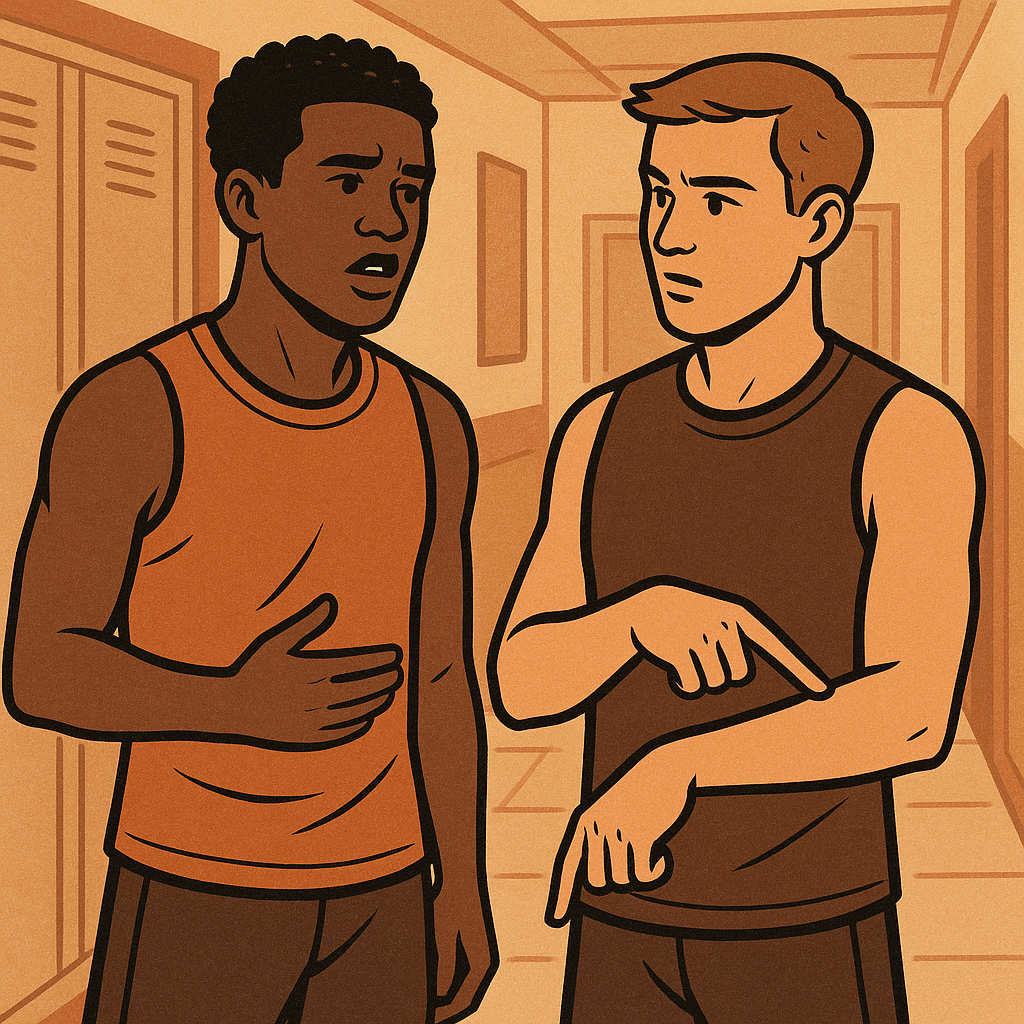
You don't need athletes acting like mini athletic trainers, and you definitely don't need a vibe where every nagging pain gets a dramatic processing circle. What you need is a repeatable way to talk about load without sounding soft or turning the training room into gossip. So I teach a simple hallway script that works whether you're in a humid August double, a January gym season, or that weird spring overlap where everyone is doing two things at once.
It goes like this:
- Start with the function: "My warm-up felt sticky," "My last two reps were sloppy," or "My landing felt loud."
- Name one body area, then stop: "Front of shin," "outside of elbow," or "top of foot."
- Ask for a decision, not sympathy: "Are you cool if I cut the last block?" or "Can you take the first rep and I'll hop in second?"
That last part is the peer support move. You're asking for help protecting a boundary in the moment. In a loud gym, it might mean your buddy runs the drill first, so you aren't trying to keep up while you're still tightening up. On the track, it might mean you do the first rep at a controlled pace instead of getting dragged by the senior who always turns workouts into a race. In the weight room, it might mean your partner supports you while you tell the coach that your back feels wrong and ask for an approved modification.
I also like one concrete line for when someone is clearly pushing through a pattern: "Do you want me to tell you what I see, or do you already know?" It's blunt, but it keeps it from spiraling into unsolicited advice. If they say tell me, you stick to observable stuff: they've been taping the same ankle for two weeks, their sprint mechanics changed, they're skipping the cooldown to get to another practice. If they say they already know, you don't pile on. Encourage them to tell a coach, athletic trainer, or parent before the next session, especially if the same problem has persisted for several practices or has changed how they move.
One shared calendar rule for the overlap season

If you play one sport at a time, overuse tends to announce itself. If you're a high school athlete in overlap season, it whispers. Track plus club soccer. Baseball plus lifting for football. Basketball playoffs plus spring tryouts. The bodies that get in trouble aren't always the hardest workers. They're the organized kids who can fit everything in and don't notice that there's no space for anything.
This is where peer support can be practical rather than motivational: adopt one calendar rule that your little check-in network shares and treat it as a constraint, not a suggestion. Mine is simple: flag clusters of high-impact sessions and review them with a coach or athletic trainer before assuming the schedule is safe. High-impact means jumping, sprinting, hard cutting, or a heavy lower-body lift in which you grind out reps. Low-impact can still be serious (skills, film, easy bike, pool work, mobility), but it doesn't pound the same tissues as high-impact.
The reason it works is that your peers can see your week in a way you can't when you're living inside it. I ask athletes to use the same color blocks in Google Calendar: red for high-impact, blue for low-impact, gray for school stuff, and green for games. Then you share the week view with only two people. On Tuesday night, your cross-sport buddy can say, "You've got red-red-red," and you can fix it before Friday's shin pain turns into a shutdown. During winter, this catches the kid who has practice on the hardwood, then an hour of jump rope at home because they saw it on YouTube, then a Saturday tournament. In the fall, it catches the captain who's doing captain's practices, plus a lifting program, plus pickup games on the side.
The rule isn't about being fragile. It's about not stacking the same kind of stress until your form changes, and you start compensating. When a demanding week cannot be avoided, review the following week's workload with a coach or athletic trainer and identify where recovery time can be protected. If the recovery plan cannot be explained in one sentence, it needs another look.