
Three wearable-tracker tweaks (one on Whoop, one on Garmin) that changed how our practices feel by week three.
The alert I turn on before the first sprint
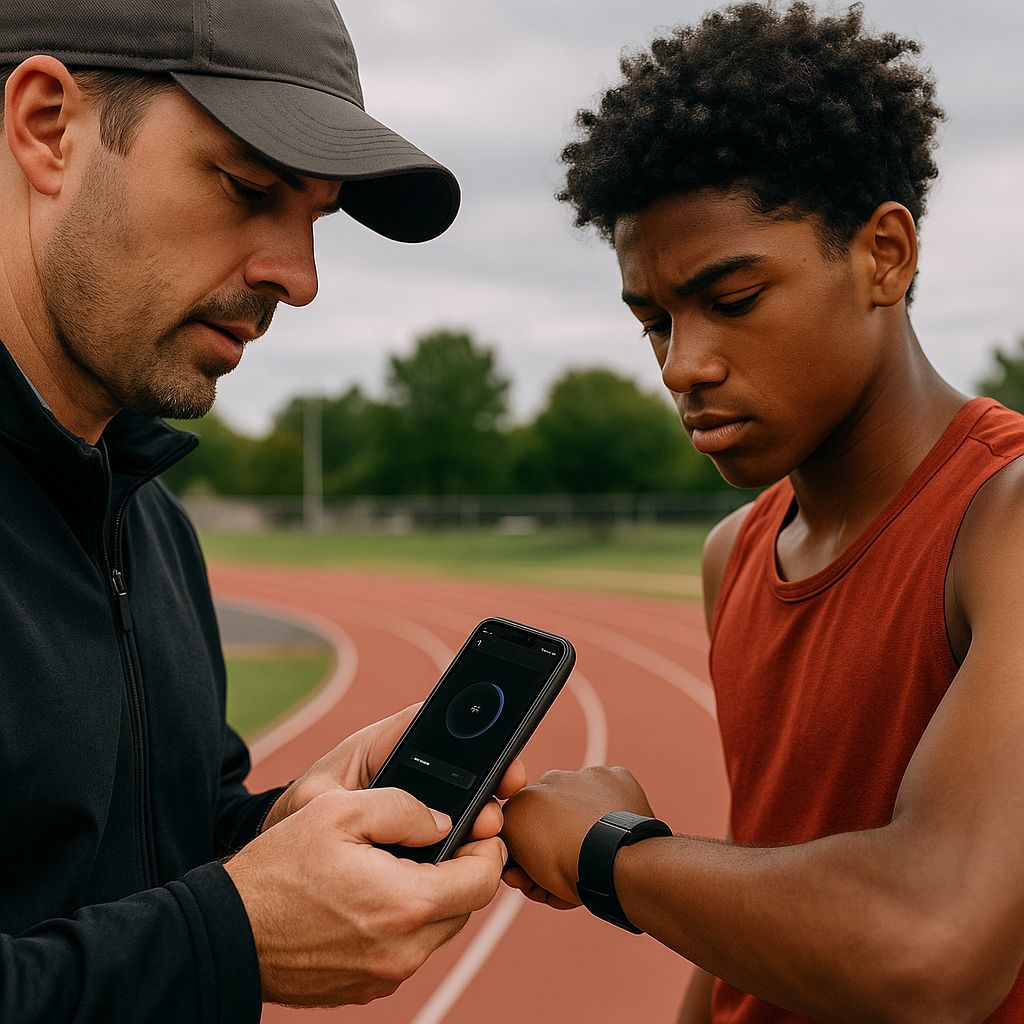
I used to do the same thing every coach does: watch a kid come out of warm-ups like it was the last 200 of a meet, then spend the next hour managing the damage. The quiet equipment shift for us was turning the wearable into a guardrail instead of a trophy. On a Whoop band, the single setting that changed our practice rhythm was enabling the live strain alert (haptic buzz) at a number we agreed on ahead of time. Not an end-of-day score, not a screenshot for a group chat. A buzz in the moment, right when the kid's brain is still in the decision window.
Here is how I set it up so it isn't noise. We pick a target strain range for that session type (recovery lift day, speed work, long conditioning), and I set the alert a notch below the upper end. When the band vibrates, the rule is boring: you don't stop, you switch modes. Walk back instead of jog. Drop from full-court to half-court. Take the next rep at 80 percent and nail mechanics. Kids buy in because it doesn't feel like I'm guessing who is tired. It also catches the kid who looks fine but is red-lining, which is the one who pops a hamstring in week five and everyone acts surprised.
Two practical details you only learn after a couple messy practices: wear location matters, and so does how you start the session. If the strap is loose, the heart rate data lags and the buzz comes late. I make them snug it so it doesn't slide when they shake their arms out, and I have them start the activity timer before the dynamic warm-up, not after. Otherwise the first hard run looks like a spike and the alert is useless. Is it perfect? No. But it turned pacing into a simple, repeatable habit. And the best part is it gets quieter on my sideline, because the correction happens on a wrist instead of in my voice.
Garmin's recovery time: the number I don't let them brag about
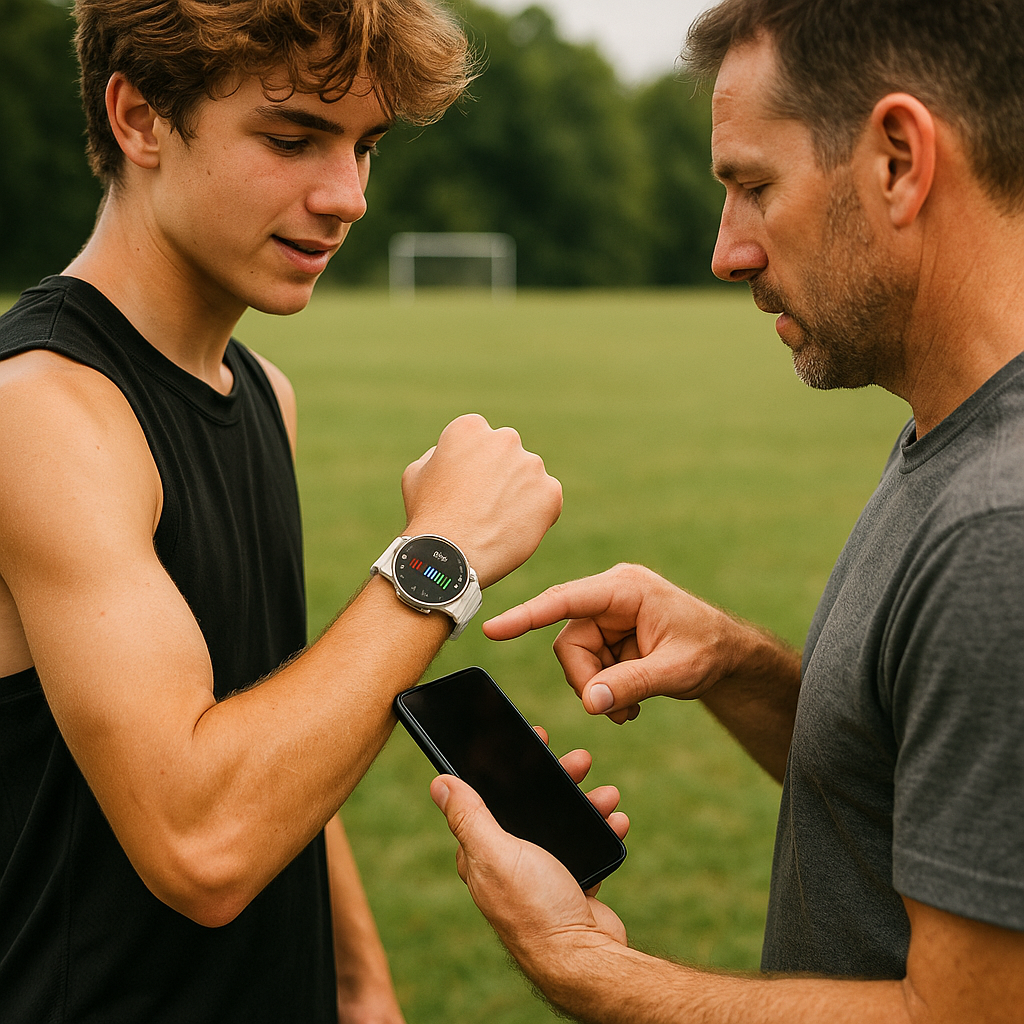
At some point every teenager discovers the one metric that lets them sound tough. On Garmin watches (Forerunner, Fenix, even the Venu line if they're using it for training), that metric is Recovery Time. They love to flash a big number like it's a badge: 48 hours, 72 hours, sometimes more. Early on, I made the mistake of treating it like a command. I won't do that again. The change that's quietly improved our training is using that number as a conversation starter, then pairing it with what I can see on the field.
My rule is simple: you can show me Recovery Time, but you also have to show me the activity it came from and the heart rate trace. Garmin Connect makes this easy. Nine times out of ten, the huge Recovery Time isn't because the practice was secretly elite. It's because the kid started the workout without a proper warm-up, or their heart rate strap was reading weird, or they did an extra conditioning session at 9 p.m. with friends and called it "just shooting around." (That is one of my two allowed quotes for the day, and it's accurate.)
What I do with it: if the watch says they need two or three days, we don't automatically shut them down. We adjust the next session's intent. For a kid with a high number, I keep them in the drill, but I move them to the role that keeps quality high and volume lower. They can be the passer in a finishing pattern. They can be the rebounder in a shooting series. They can do the first rep of a sprint, then coach the timing for their group while they walk back. It keeps them engaged without pretending they're made of rubber.
The other quiet win is teaching them to stop chasing the watch. When they learn that a big Recovery Time isn't something to flex, they stop trying to manufacture it by stacking hard days. That is the behavior shift. Wearables didn't just give us data; they gave us a shared language to keep the week's workload from turning into a dare.
The chest strap tradeoff I make for one practice a week
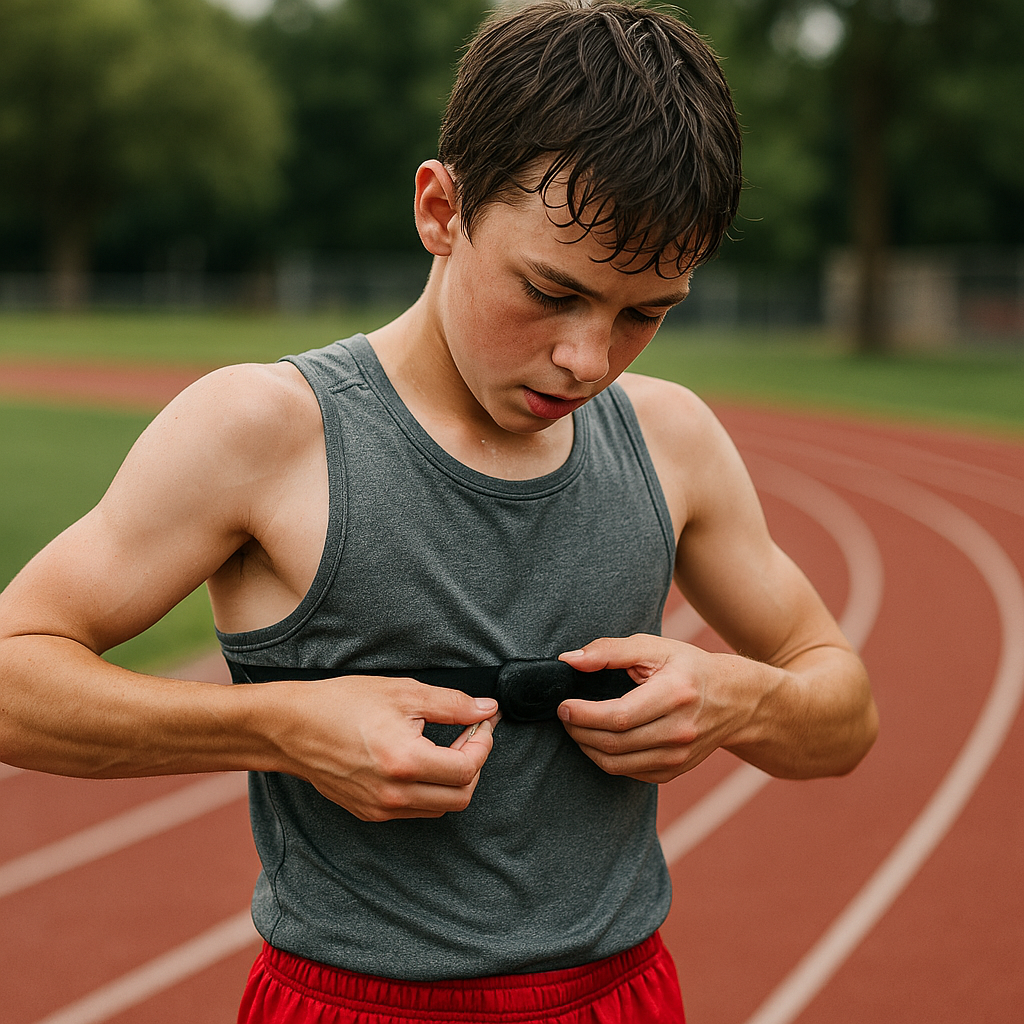
I don't ask kids to wear a chest strap every day. Too fussy, too much laundry drama, and half of them will "forget" it at home the first time it feels uncomfortable. But one practice a week, I do make the trade: a Polar H10 (or Garmin HRM) strap for the athletes who are doing true interval work. The reason is boring and it matters. Wrist-based optical heart rate can lag when you're doing hard starts, quick stops, and lots of arm movement. If you're trying to teach a kid what it feels like to hit Zone 4 and then come back down fast, laggy data turns the whole session into guesswork.
That one strap day is where the wearable becomes a coaching tool, not a summary. We run a simple set: short repeats with a fixed rest. I want them to see the heart rate climb during the rep, then watch how quickly it drops in the first 30 to 45 seconds of rest. Some kids recover like a metronome. Others don't come down at all, and those are the kids who always look fine until they suddenly aren't. With the strap, the pattern is obvious. It also lets me spot the kid who sandbags the early reps and then tries to win the last one, because the curve tells on them.
A couple nuts-and-bolts notes so this doesn't turn into a circus. The strap needs moisture to read well. If it's a dry day, a little water on the electrode pads fixes the first five minutes of dropouts. I have them wear it snug enough that it doesn't slide when they breathe hard, but not so tight that it feels like a tourniquet. And I don't let them stare at it between reps. They glance, they learn, then they put their eyes back on the drill.
What changed over the season wasn't just better data. The kids started calling their own shot: "I'm not coming down, can I take the next one at 90 percent?" That is the quiet transformation. Not more gadgets, just one well-chosen day where the numbers match the feeling in their chest.