
Three body-check moments (and one bullpen rule) that keep young arms from sliding into chronic soreness.
Weighted balls don't care that he's 13
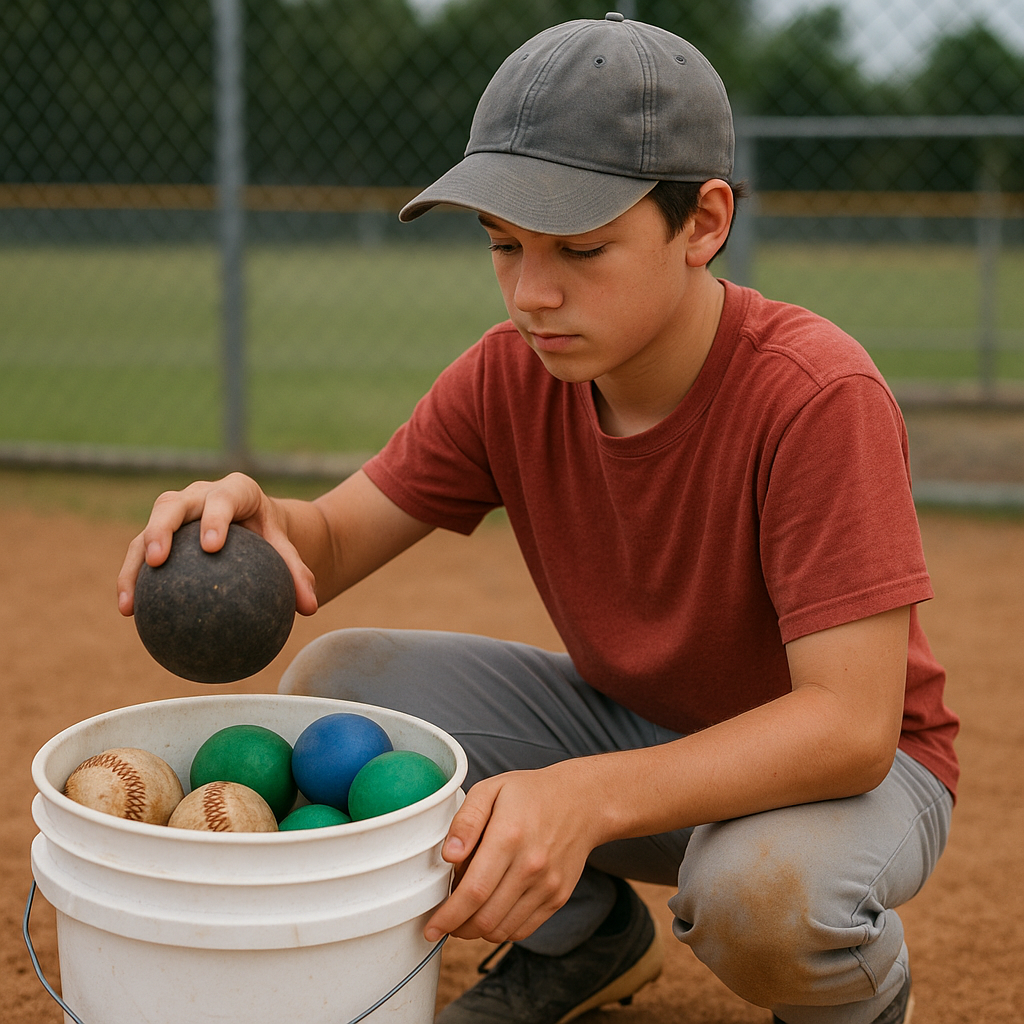
The fastest way I can tell a family is stuck in the year-round mindset is when a kid shows up with a bucket that looks like a souvenir stand: a couple scuffed leather 5 oz balls, a set of rubber training balls, then one or two weighted ones that thump like a medicine ball when they hit the dirt. The sales pitch is always velocity. The problem is the calendar. If you're playing fall ball, doing winter lessons, then rolling right into spring, there isn't a true off-ramp for the shoulder and elbow to calm down, rebuild, and get strong in boring ways.
I'm not anti-weighted ball. I'm anti-random weighted ball, in the hands of a growing body, on top of a schedule that's already full of throwing. Adding weighted-ball work to an already heavy throwing schedule can increase overall workload, which is why young players should not treat these programs as casual add-ons. Any persistent elbow or shoulder pain deserves attention rather than another throwing session.
If you're going to keep them in the mix, I like one rule that a player can explain back to me without looking at notes: weighted throwing only happens in a defined block, and only when total throwing volume is already down. That usually means after a genuine shutdown period where the arm isn't on a mound at all. During heavy game stretches, I'd rather a kid chase clean mechanics with a regular ball and keep the bullpen short. The hard part isn't buying the tool; it's saying no when the schedule is crowded, and the body is already whispering.
The bullpen rule that keeps soreness from becoming normal
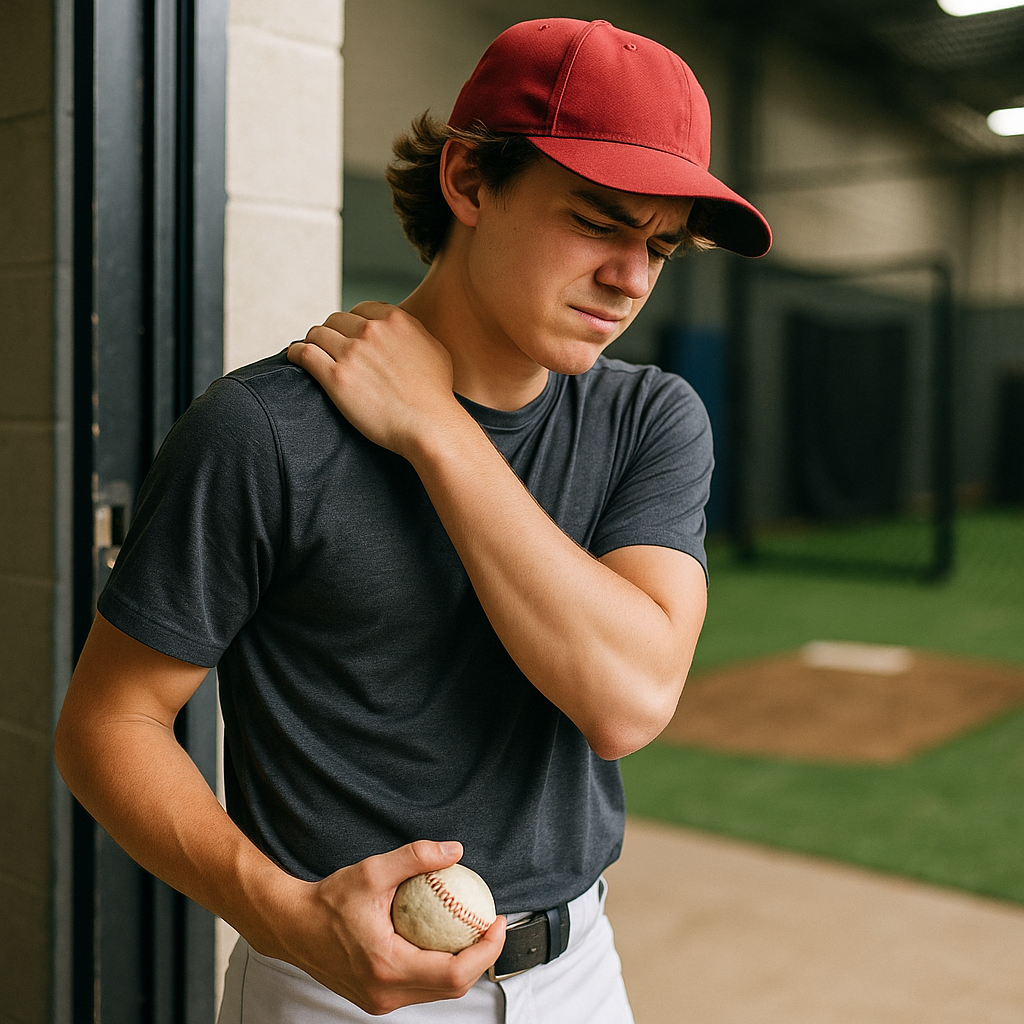
Here's the moment I keep seeing: a kid throws Friday night, comes out fine, then says his arm is "a little tight" Saturday morning. Nobody panics because tight is normal now. He's got a lesson booked anyway, and he wants to get a quick pen-in because another coach asked for video. That is how year-round play turns soreness into background noise.
The simplest fix I've used with families isn't a magic drill. It's a bullpen rule with one job: make the week predictable for the arm. Pick a weekly maximum number of high-intent throws and treat them like money. Game pitches count. Bullpen pitches count. The 20 just to feel it throws off a mound count, because they're never just 20. Warm-ups that creep longer when a kid is trying to impress someone count. After a game, I follow age-appropriate pitch-count and rest guidelines rather than using one fixed recovery period. The more pitches a young player throws, the more rest he may need before pitching again. Any throwing between pitching appearances should fit the player's age-appropriate rest plan and stop if it causes pain or unusual soreness.
When a family pushes back, it's usually because the calendar is running them, not the other way around. Private instructor. Team practice. Guest tournament. Then a showcase. None of those people sees the entire week, and the kid is the one holding the bag. The rule requires that one adult be the accountant. You don't need perfect tracking, but you do need an honest one. I like a notes app log: date, where, and whether it was low, medium, or max effort. The log can help families spot clusters of high-effort throwing and compare the week against age-appropriate pitch-count, rest, and workload recommendations.
Catcher's elbow is a thing, and it hides behind toughness
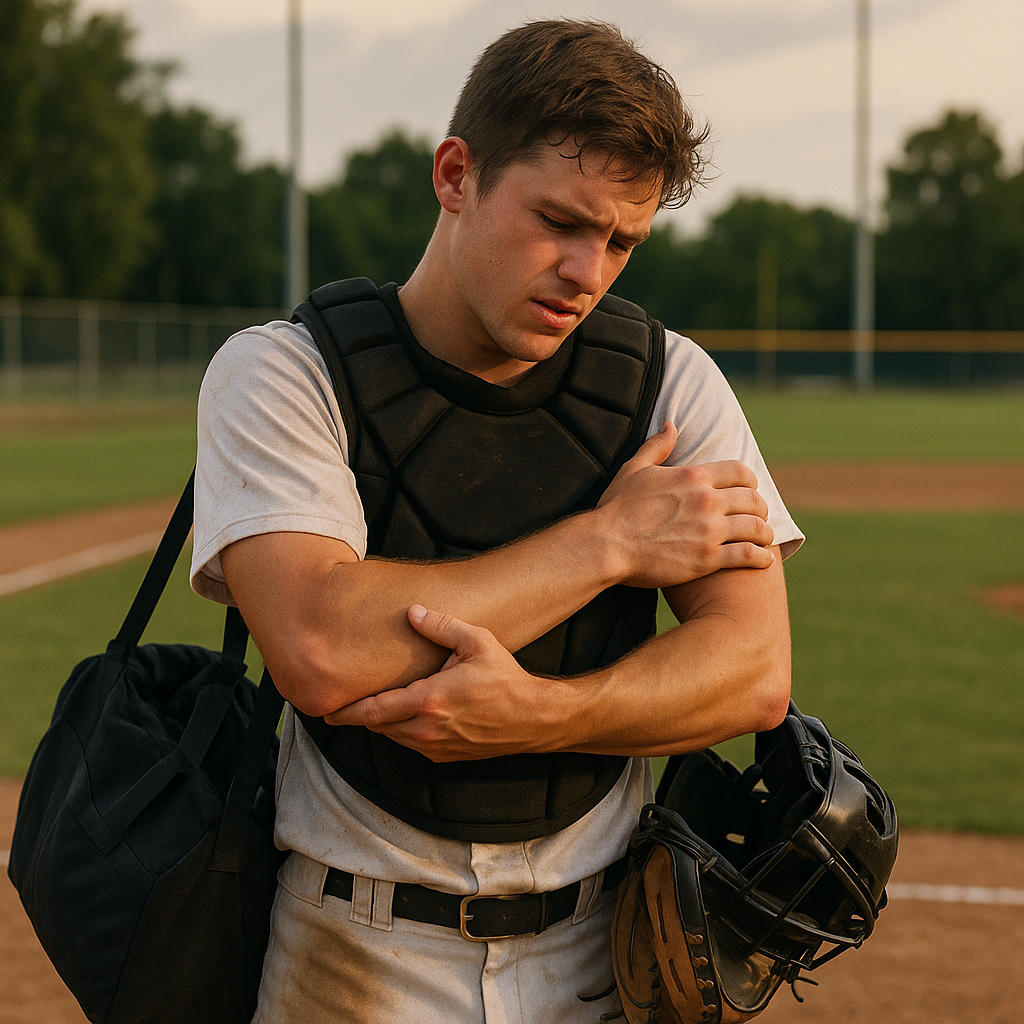
Year-round wear isn't just a pitcher problem. The sneakiest arm I've dealt with is the catcher who never thinks he's in the danger zone because he hasn't been on the mound. Then you watch a weekend: warm-up throws between innings, the little back-picks to first, a dozen throw-downs in pregame because the coach wants game speed, and then the kid stays after to work on pop time. By Sunday afternoon, his arm slot is drifting, and he's short-arming the throw to second without realizing it. That's not an attitude. That's fatigue wearing a mask.
The elbow complaint from catchers is usually vague at first. They won't call it pain, they'll call it annoyance. It shows up when they take their gear off and try to carry a bag with a straight arm, or when they lean on the table in the car ride home. If they're tough, they keep catching anyway because they don't want to lose the job. Year-round schedules reward that kind of silence, and it can snowball.
What I've done with my own teams is treat catching like a throwing position that needs its own limits, not like a default for the kid who can squat. Two practical checks help. First: pay attention to both total throwing volume and the hardest throws. Catchers may make fewer full-effort throws than pitchers, but repeated throws across games, warm-ups, practices, and extra work still add to the arm's workload. Second: pay attention to pain, loss of motion, or unusual soreness the next day. A young catcher with persistent elbow or shoulder symptoms should stop painful throwing and be evaluated appropriately rather than trying to prove he can play through it.
Kids are rethinking specialization partly because they notice the pattern before adults do. Their bodies start vetoing the schedule. Listening earlier beats the long, frustrating cycle where every season turns into rehab season.