
Three zone answers I lean on versus a 3-4: the box call, the duo check, and the sift tag for the edge.
The box call that stops the 3-4 from stealing your double-team
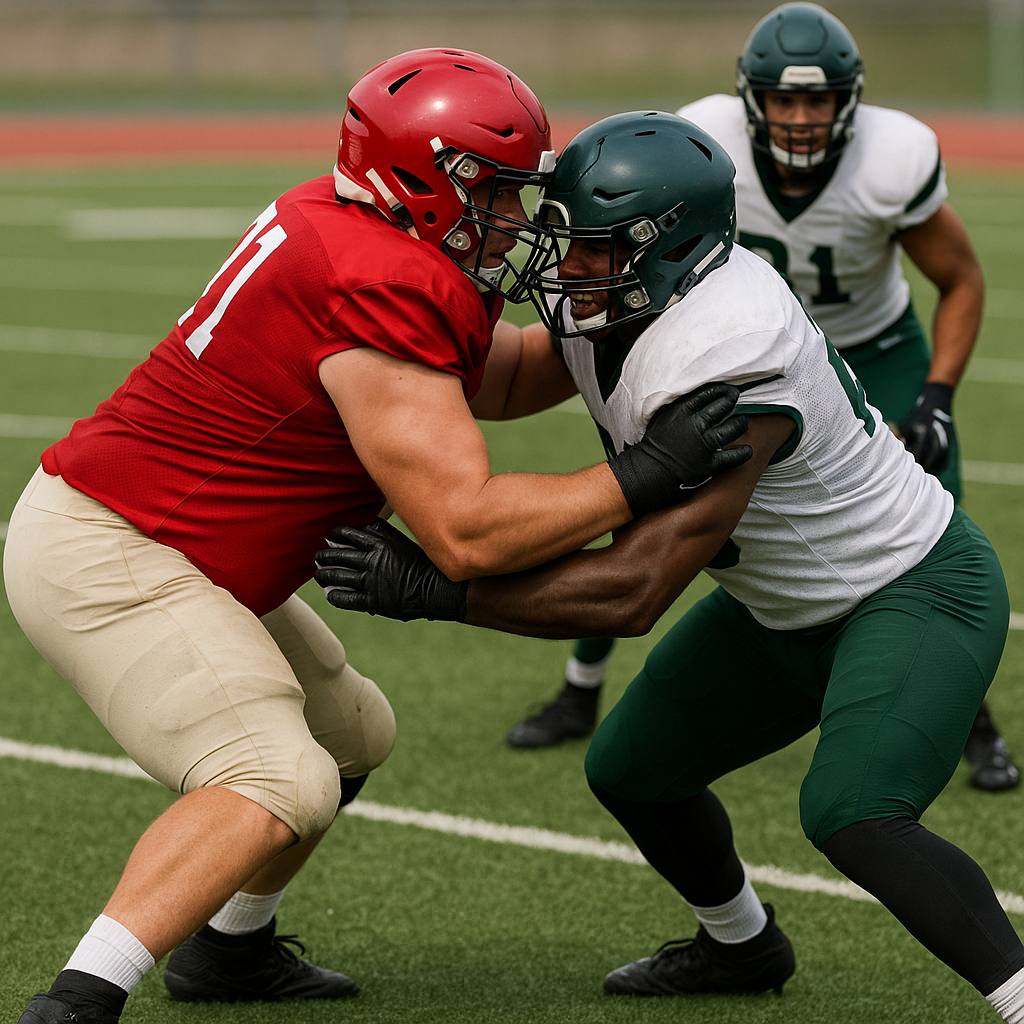
When we started seeing more odd fronts, the thing that kept biting us wasn't some exotic pressure. It was the quiet stuff: a 4i that sits heavy on the tackle, an outside linebacker hanging just wide enough to feel like a five-tech, and an inside linebacker who slow-fills so your combo thinks it has time. On inside zone, that picture makes linemen do the one thing you can't afford against a 3-4: hesitate on the second step.
The fix for us was embarrassingly low-tech. Before the first team period, I'd draw a literal box on the whiteboard around the two down linemen and the two inside linebackers. Then I'd tell the line, "We're running zone, but we're counting the box first." In practice language, that became a quick call that meant: treat the 4i and the nearest inside backer as one problem until it's clearly not. The tackle isn't chasing an outside linebacker who might spill or might wrong-arm. He's staying married to the guard on the 4i until the backer commits to the gap you're responsible for.
Here's what it changes on the field. Versus a typical 3-4, the 4i wants to dent the tackle so the inside linebacker can scrape over the top and fall into your lap late. If the tackle is thinking "zone means I have to climb now," you get that ugly moment where the guard is alone on a tight alignment and the tackle is already drifting uphill. With the box call, the tackle's first job is to flatten the 4i with the guard. If the inside linebacker runs through early, fine, now you climb and the back sees it clean. If the linebacker sits, you keep moving the down lineman and you make the scrape show its hand. The running back stops having to guess whether the crease will be there in two steps.
Coaching detail that matters: I don't talk about "reaching" a 4i like it's a normal outside zone reach. You're not winning a track meet with that alignment. I coach the tackle to get his second step in the ground and put his near hand through the sternum, then let the guard's hip presence do the work. The guard's aiming point is the near number, and he's listening for the tackle's pad to show up so he can overtake. When it looks right, the 4i starts turning and the inside linebacker gets impatient. That's the snap you want, because now the back is reading movement, not a still photo.
When I check to duo from zone (and why it isn't the same play)
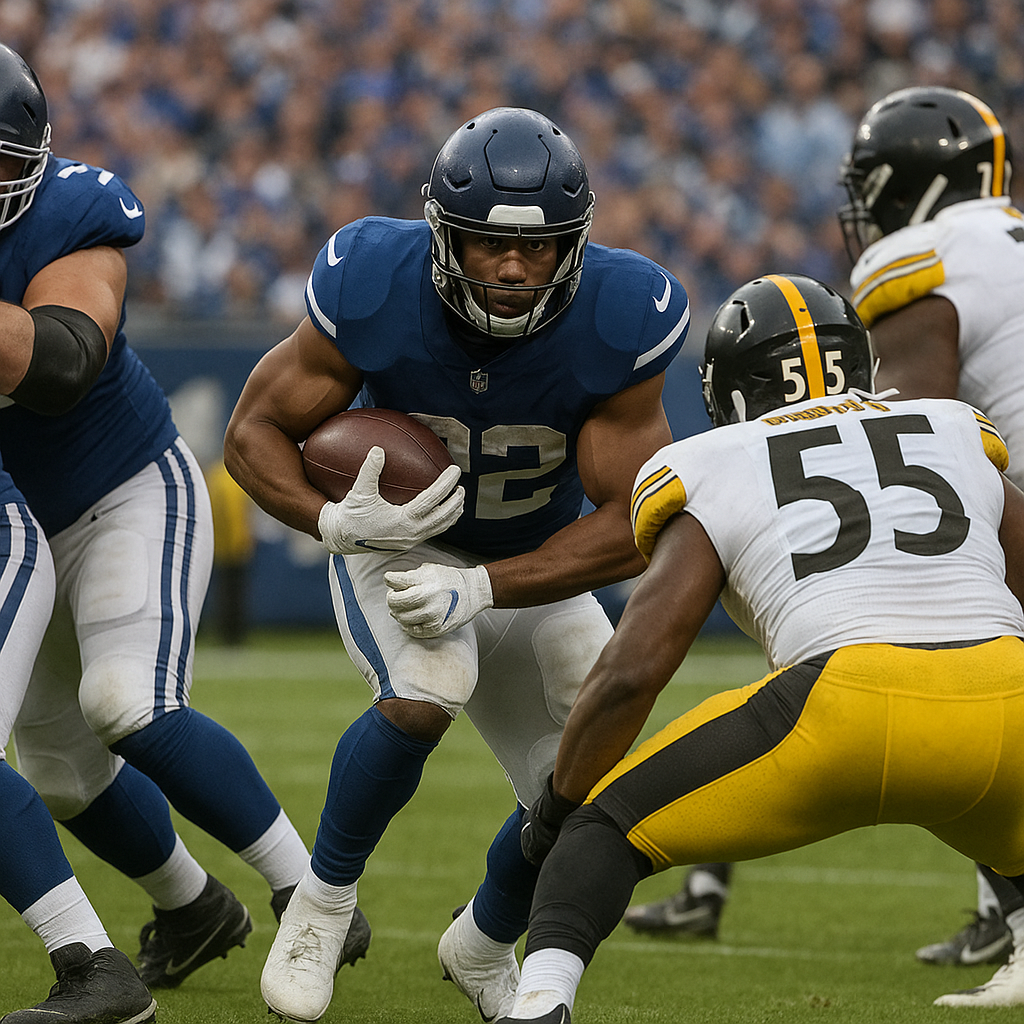
I love inside zone, but there are days a 3-4 makes it feel like you're trying to run through wet concrete. Both inside linebackers sit at 4 yards, the nose plays heavy, and nobody declares until the ball is already in the back's belly. You can still grind yards, but you end up living in second-and-7, and now you're begging your quarterback to be perfect.
That's when I'll check to duo. Not as a "bigger" zone or a tougher version of the same thing. It's a different promise: double teams first, linebackers second. Duo lets the offensive line come off the ball like it's a run drill, and it forces those inside linebackers to fit downhill instead of hovering and stealing your read with late movement.
Versus a 3-4, the reason duo works is the down linemen are in tight, leverage-heavy alignments. A 4i is built to mess with a zone track. It's less effective when you're caving him with a double and making him choose a side to die on. Same with a head-up nose: on zone, he can ride and fall into the play. On duo, you're trying to dent him backward and make the linebacker show up in a window you can see.
How I teach it so it doesn't turn into mush: I tell the back, "Your eyes are on the inside linebacker, not the down lineman." On inside zone, he's reading that first level movement and reacting. On duo, I want him to press the double and make the inside linebacker pick a gap. If the linebacker commits inside, the back bounces it just off the double. If the linebacker stays square, the back hits it vertical behind the dent. It's not sexy, but it makes a 3-4 play honest because you stop giving them that slow-fit gift.
The QB piece matters too, even if you aren't reading it. We tag it with a simple glance or hitch built off the overhang linebacker. If that outside linebacker is cheating into the box because he thinks duo is coming, the quarterback gets one clean answer. No speeches. Catch, throw, move on. The best part is the line doesn't feel like the pass is saving them. They get to keep playing downhill, which is usually when their footwork stays clean and the combos don't unravel.
If your guys have only ever run zone, the first practice of duo looks like everyone is late to the party. They'll want to climb too soon. I correct it by grading one thing on film: did the double team create displacement before anyone left? When that becomes the standard, the play starts looking like it should, and those inside linebackers lose their favorite trick, which is waiting you out.
Sift the edge so the OLB can't be right for free
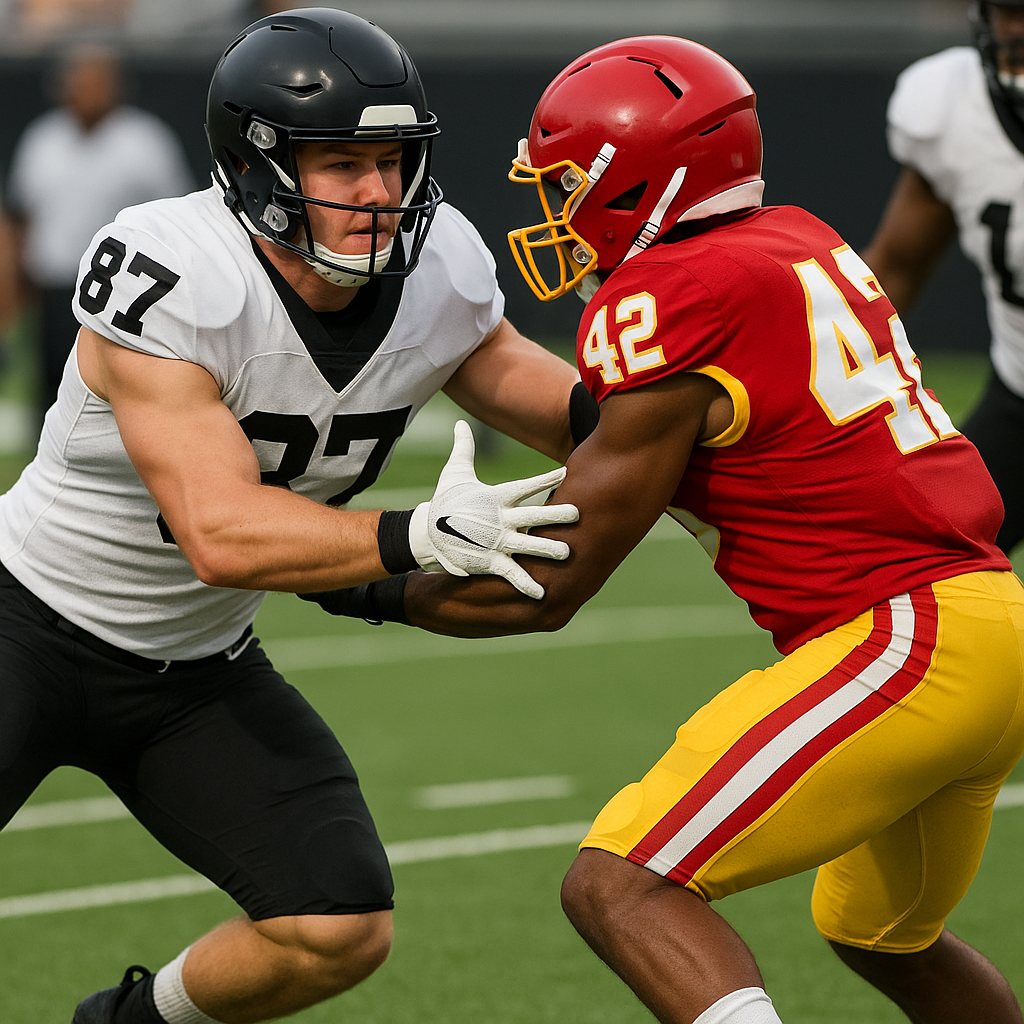
Odd fronts don't just mess with your doubles. They mess with your edges because the outside linebacker is basically a choose-your-own-adventure player. Some reps he's a stand-up end, some reps he's a force player, and some reps he's a spill player trying to wrong-arm the puller you don't even have. If you treat him like a static defender in your zone rules, you're going to have a run where the ball is dead on contact and everyone swears it was blocked.
The cleanest answer I've used is a sift tag with a tight end or an H-back. It isn't fancy. It's just a pre-planned piece of accountability: the edge defender doesn't get to be unblocked while still affecting the play. On inside zone, that means the line can stay in their world, and the sift player handles the outside linebacker based on his post-snap path.
The coaching point is specific because this is where teams get sloppy. I tell the sift player, "You're not hunting color. You're reading the outside linebacker first, then the end man on the line." If the outside linebacker widens for contain, you insert inside of him and climb to the scraping inside linebacker if he shows. If the outside linebacker spikes inside like he's trying to spill the run, you kick him out and make the ball bounce with space. You're basically giving the back a reliable edge shape instead of letting it depend on whether the outside linebacker decided to freelance that snap.
We practice it with a boring rep count: ten in a row against the same 3-4 look, and the defense is allowed to change only the outside linebacker. Wide, tight, inside, slow. The first few reps, the sift player will overrun it because he thinks fast equals good. Then you get the moment you want: he slows his feet, keeps his inside shoulder ready, and makes contact with his eyes still up. That's when the back stops stuttering and starts pressing the aiming point like he trusts it.
If you want it to show up on Friday, attach the tag to something your kids already like running. Don't build a new play name, don't make it a meeting-room masterpiece. Make it a one-word add-on, rep it until it's boring, and let the 3-4 do the complaining for you when their outside linebacker can't be right no matter what he picks.