
Viral-style edits can open a door, but recruiters still need clear angles, useful context, and easy access to full-game film.
The First 30 Seconds Matter More Than Most Athletes Think
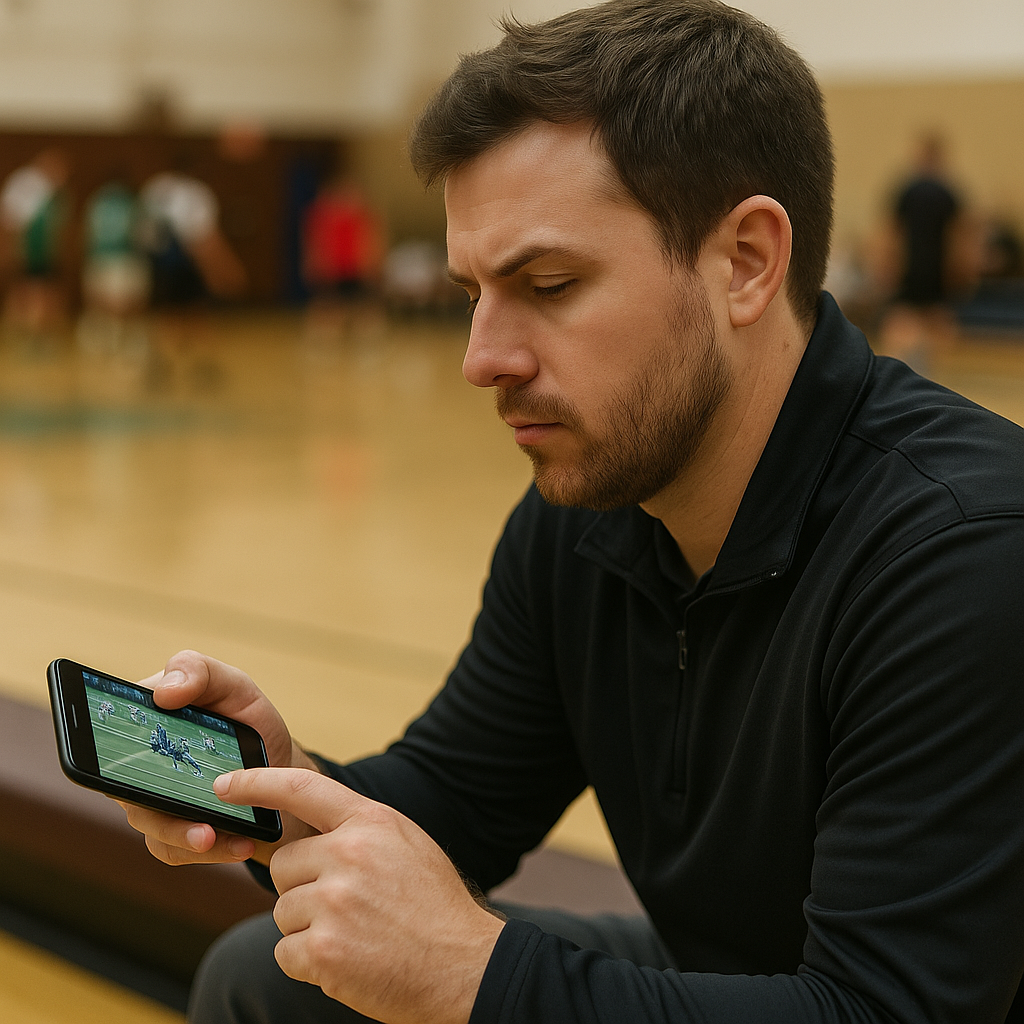
I learned this the annoying way, sitting next to a college assistant on a tournament weekend while he burned through DMs between games. It wasn't a dramatic moment, just a thumb movement. Tap. Half-second. Gone. The clips he stayed on all did one boring thing well: they told him what he was looking at before his brain had to work for it. Viral highlights love the opposite. They open with a lens flare, a beat drop, a shaky zoom, and then the play appears somewhere behind a referee's back.
Here is the fix I push with families when we're trying to live in that reality where a kid posts on Instagram or TikTok but still wants a coach to watch the whole rep on Hudl. The opening needs to identify the athlete quickly and get to strong, position-relevant film without a long buildup
- Frame 1: scoreboard strip or simple text with jersey number, position, and grad year. No animation. If you can do it in Hudl's title card, do it there.
- Frame 2: wide-angle that shows spacing. If it's football, I want to see the formation, not the kid's face mask. If it's soccer, I want to see the line and the next pass option.
- Frame 3: a freeze or a quick circle for one second max, then let the play run at normal speed. The longer you draw on it, the more it feels like you're hiding something.
A viral highlight may emphasize the biggest play, but coaches often want more context, including position-specific skills, defense, decision-making, body language, and full-game film. If the opening is cluttered with distracting effects or delays the action, a coach may lose interest before seeing the strongest film. You can still post the flashy cut for friends, but keep a coach-facing version that starts wide, starts quiet, and makes it impossible to miss who is involved. For recruiting purposes, clarity matters more than making the clip resemble a social-media edit.
Stop Letting the Crowd Pick Your Highlight
The comment section will always crown the loudest moment. That is not the same thing as the best recruiting clip, and the mismatch gets kids in trouble. A dunk with a bench reaction might be the one that hits 200k views, but the sequence that makes a coach lean in might be the possession two plays earlier where your kid tags the roller, recovers to the corner, and doesn't get lost when the ball reverses. Nobody is making an edit about that. Coaches still care.
When I'm helping an athlete sort their film, I ask for three folders on their phone or laptop, not one endless camera roll of brag moments:
- "I did the job" clips: plays that show assignment, communication, and decision speed. A linebacker fitting correctly, a shortstop taking the right angle, a winger tracking back before the ball turns over. They look boring until you watch them twice.
- Pressure clips: anything where the play is messy, and your kid stays usable. Bad pass, weird hop, broken set, crowd noise, wet field. Viral edits avoid these because they're not clean, but they show composure.
- Finish clips: your dunks, bombs, juke moves, chase-down blocks, nasty pitches. Keep them. Just don't let them be the whole story.
Then we build a short highlight that intentionally mixes all three. The point isn't to look humble. It's to stop the internet from curating your kid into a one-trick character. A reel made entirely of scoring or highlight-reel finishes can leave coaches without enough evidence of defense, decision-making, effort, and other position-specific skills. Clips that show communication, positioning, effort, and decision-making can give coaches information that scoring highlights alone may miss.
One more thing that matters more than families expect: timestamps. If you post a viral-looking cut, put the full-game link and the exact quarter/time in the caption or comments. Not "all the game was like this." Give them Q3 4:12 and Q4 1:05. That is you respecting their time, and it makes the flashier clip feel less like a magic trick.
The Quiet Risk of Going Viral: Labels Stick
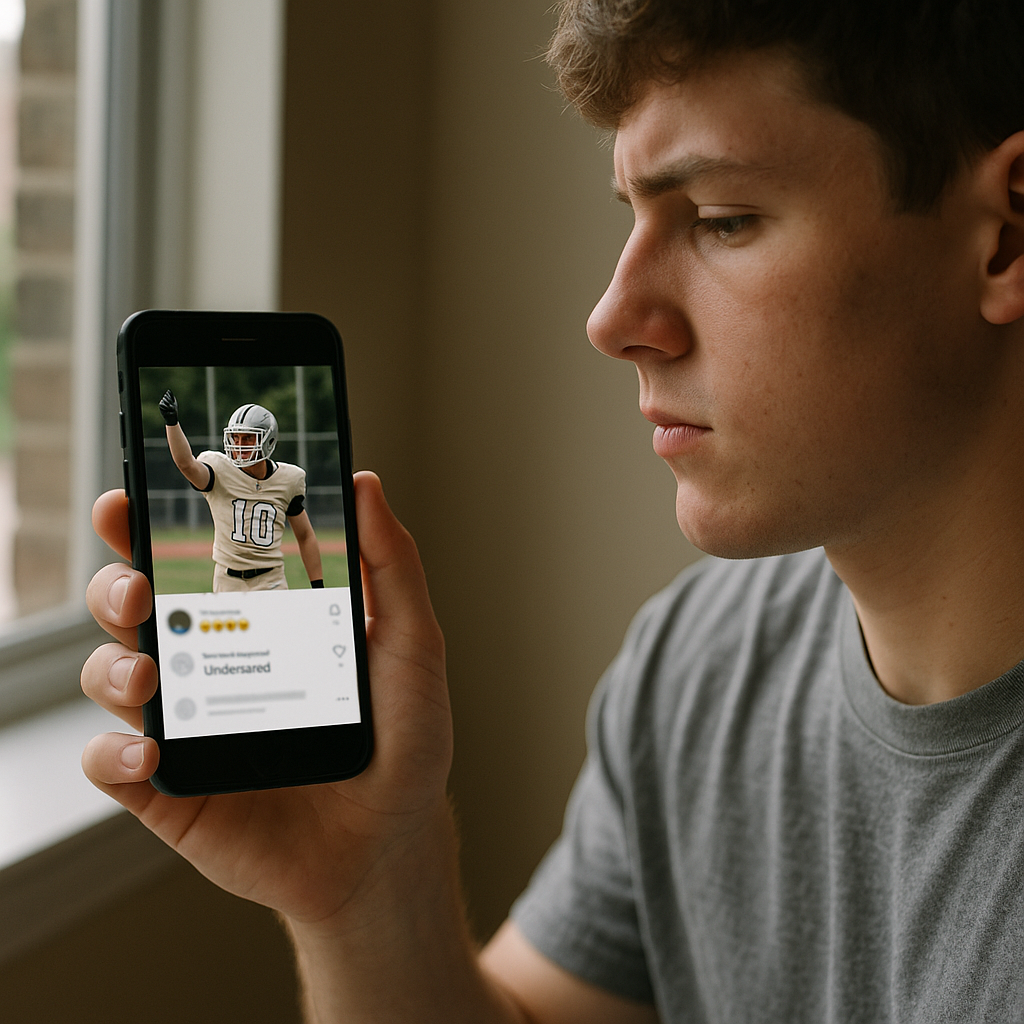
People talk about exposure like it's a single good thing you collect, but viral highlights come with a specific trade: other people start naming your kid for you. Sometimes it's flattering, sometimes it's sticky in a way you can't scrub out. I've watched a sophomore get tagged as a showboat because a remix account posted a clip with a taunt cropped to make it look worse than it was. I've also watched a kid get labeled undersized in the comments because someone wrote it first, and then every repost repeated it like it was scouting.
This is where social media can both help and hurt. Recruiters do see viral clips. They also see the context around them, and they notice what the athlete does next. If the next ten posts are just reposts of the same moment, they add little new information for a coach. Following the viral clip with fuller game context can show more of the athlete's decision-making, effort, and overall game.
What I tell prospects who are riding a viral week is to do one unsexy piece of cleanup within 24 hours:
- Pin a clarification comment with a full-game or full-event link and two timestamps that show the same skill without the noise. If the viral clip is a hit, show a clean at-bat that ends in a lineout but has good pitch decisions. If it's a tackle, show two snaps where you fit correctly and don't hunt contact.
- Consider limiting Duet, Stitch, remix, or similar reuse settings when the platform offers those controls and you do not want others repackaging the clip.
- Message the coach who matters with a direct link to the clean version, not the trending one. Keep it short: name, school, grad year, link, and where to look. No hype adjectives.
The goal isn't to hide from attention. It's to keep your evaluation from being built by strangers with a soundboard and a caption addiction. Viral is a spotlight, not a scouting report. If you treat it like a scouting report, you end up performing for the crowd. Coaches can evaluate much more than the highlight itself, including effort, decision-making, body language, and how an athlete performs in the broader context of the game.