
A heart-rate strap, a bat sensor, and a few repeatable practice reads can show workload and swing trends without confusing one for the other.
Chest strap for workload, bat sensor for the swing
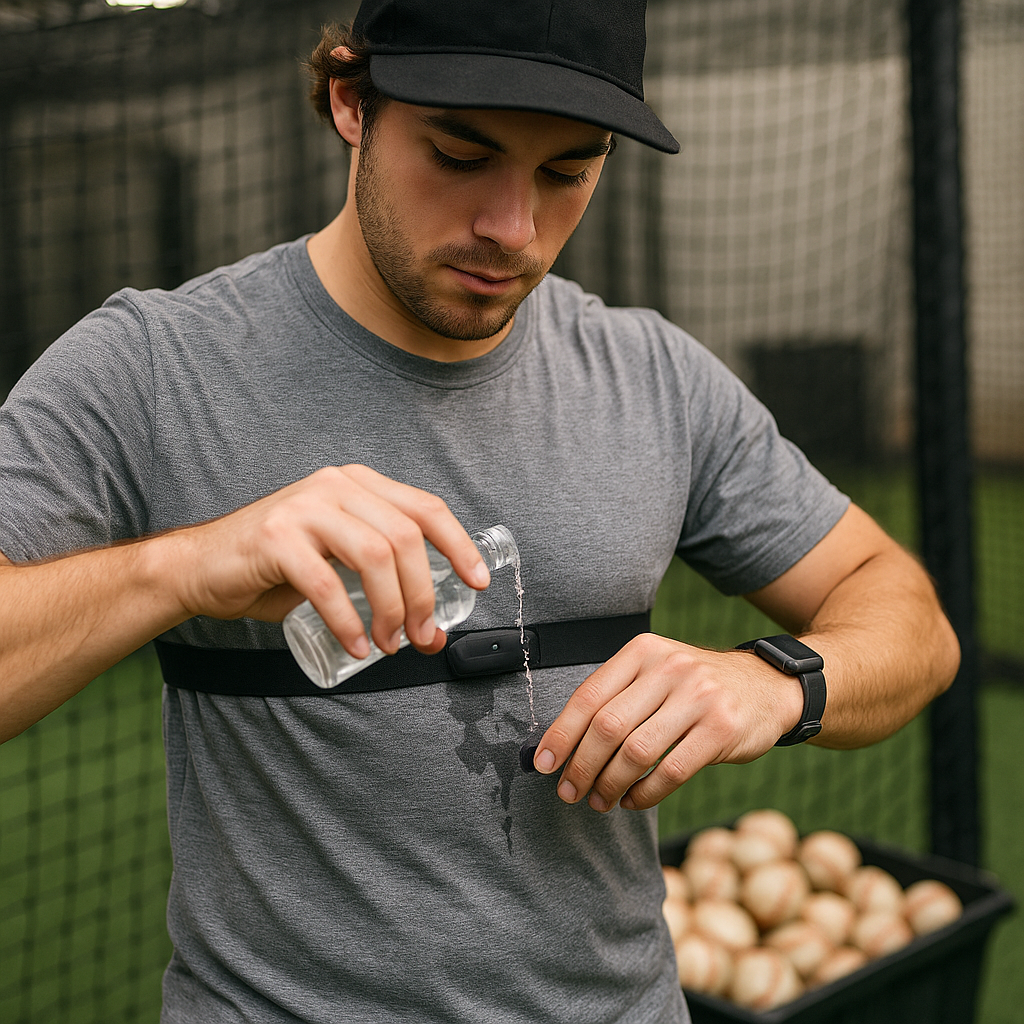
I learned this the annoying way: the same hitter, the same cage, the same bucket of scuffed Diamond D1s, and three wildly different readouts because the wearable was wandering around like a loose jersey collar. If you want performance analytics that mean anything, start with a chest strap (Polar H10 is the common one in our area) and treat placement like you treat a lineup card. It goes flat, centered under the sternum, snug enough that you can take a full breath but not so loose that it slides when you sweat through a gray practice tee. Wet the electrodes. If you don't, you'll get dropouts, and the kid will swear the app is broken.
A heart-rate strap can track cardiovascular effort during a workout, but it cannot diagnose swing mechanics. For information about bat speed, attack angle, timing, or rotational acceleration, I rely on a baseball-specific bat sensor and use heart rate data only as a separate context for workload.
For reliable heart rate readings, I follow the manufacturer's setup instructions: moisten the electrodes, wear the strap snugly beneath the chest muscles, and ensure it stays in firm contact with the skin. I don't use individual swing-to-swing heart-rate changes to judge mechanics.
The bullpen between-classes workout, you can finally quantify
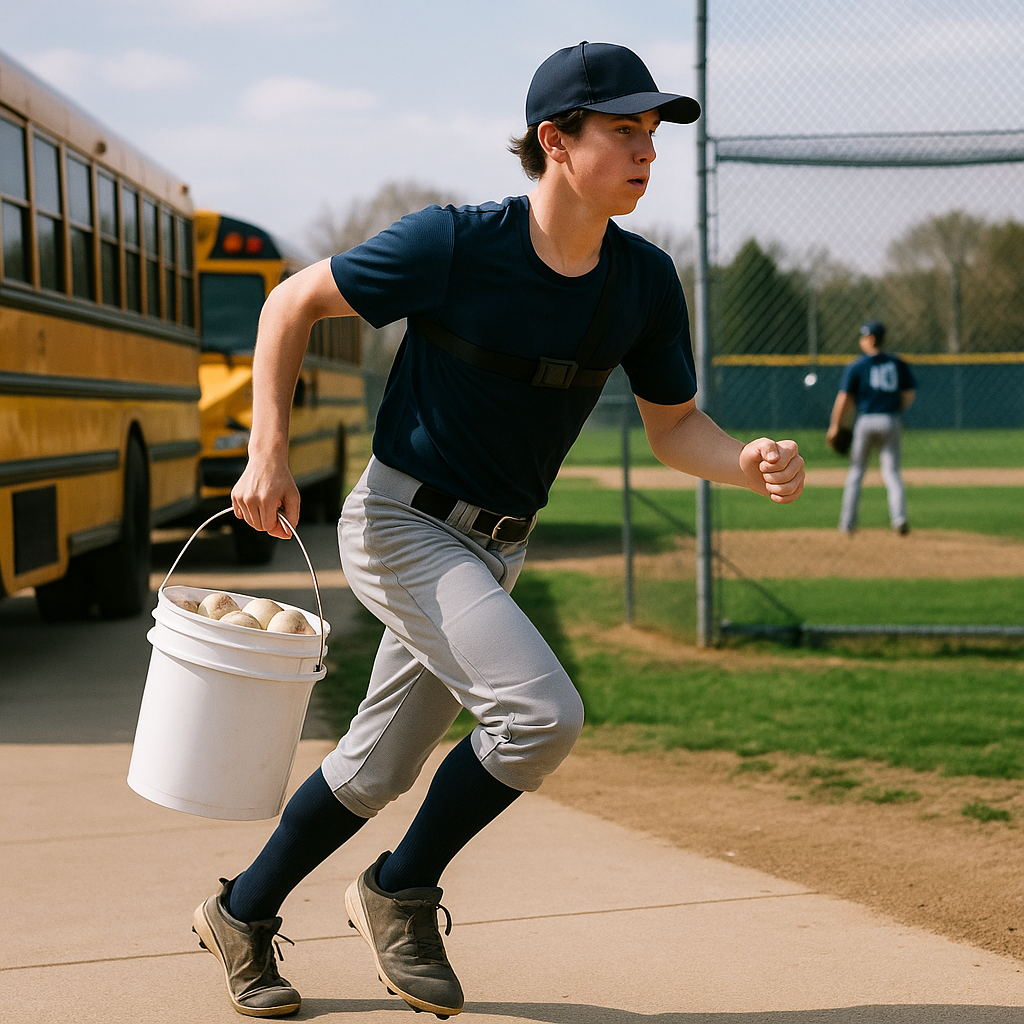
Every spring, I see the same thing: a kid swears he's "not tired" because he feels fine in 4th period, then he hits the first full-speed infield at 3:30, and his legs are dead. Wearables don't fix that, but they finally give you a receipt for it. The high school schedule is the hidden training plan. You get a rushed lunch, 6 minutes to change, and then a bullpen wedged between buses and a JV game dragging the nets across the outfield.
If you're using a GPS/IMU unit (Catapult, STATSports, or a program-issued tracker), don't chase the fanciest dashboard. Track one thing that matches the day: how much high-intensity movement the player does before practice even starts. I'm talking about the kid who has to sprint from the parking lot because he missed the late bell, then carries a bucket of balls to the pen, then throws at near-game intent because the varsity coach is watching for five minutes. The wearable can show how much acceleration and high-intensity movement occurred before the bullpen. I can then compare that workload with pitching performance, but the tracker alone cannot prove that a change in command or mechanics was caused by fatigue.
Here's the way I've used it with real teenagers who have AP tests and zero patience for theory. We pick two days. Day A is normal chaos. Day B is the same throwing plan, but we set one rule: no sprints and no extra carries in the 45 minutes before the pen. On Day B, another guy hauls the bucket, and the pitcher walks to the mound like it's a game. Then we compare the wearable trace. If Day A shows more pre-bullpen workload and Day B coincides with better command, that gives me a pattern worth testing again. One comparison does not prove cause and effect, but repeated sessions can show whether the relationship holds.
It also helps in coach conversations. Instead of saying, "He looked gassed," you can show that he hit his highest acceleration of the day chasing a foul ball in pregame, then threw 25 pitches. That lands differently.
When the bat sensor lies: tee height, net distance, and one clean rep
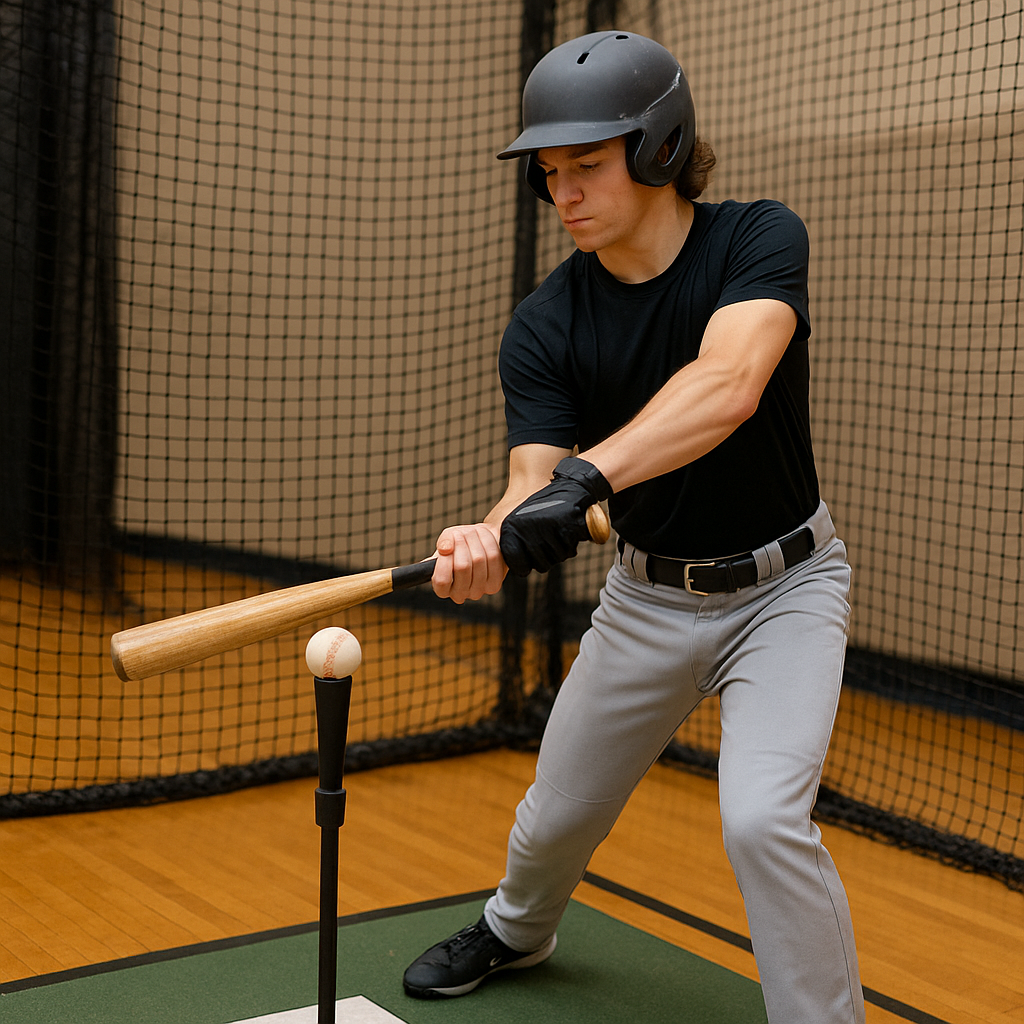
Bat sensors are addictive because they spit out numbers fast. The problem is they don't know whether the tee is two inches lower than yesterday or whether the hitter is crowding the plate because the cage is cramped and the L-screen is too close. In a high school program, those little setup changes happen constantly. One day, you're in the indoor facility with a real mat and a square plate. The next day, you're on the gym floor with a rubber tee that wobbles, and the ball is a half-step from the net because the basketball coach wants his court back in 40 minutes.
If you want wearable tech to improve player performance analytics rather than generate screenshots, you need a single standardized rep to anchor everything. Mine is boring on purpose: one tee swing, middle-in, at the hitter's belt line, with the tee base touching the front edge of the plate. The net is far enough away that the hitter can finish without subconsciously cutting it off. I use about 10-12 feet when we can. If the space is shorter, I write that down and don't compare it to last week, as if it means the same thing.
Now the useful part. Have the kid take three swings that feel the same to him. Then look at the sensor's attack angle and time to contact. If swing two is an outlier, you don't need to start coaching off it. Watch it. An outlier may come from a mishit, a setup change, or a genuinely different swing, so I review the rep before deciding what the number means. The data didn't lie, but it didn't explain why it changed. Once you ID the clean rep, you can compare apples to apples across weeks and across hitters.
One more detail that matters in this age group: make sure the sensor is tight on the knob, and the hitter isn't switching bats every five swings. A -3 BBCOR with a thick taper will seat differently than a thin-handled training bat, and the numbers will drift. If you're going to compare anything, compare it on the same stick.