
Three goal-line power tweaks for when the defense is selling out: the surface, the puller, and the gap you swear is there.
Treat the goal line like a different sport: win the surface first
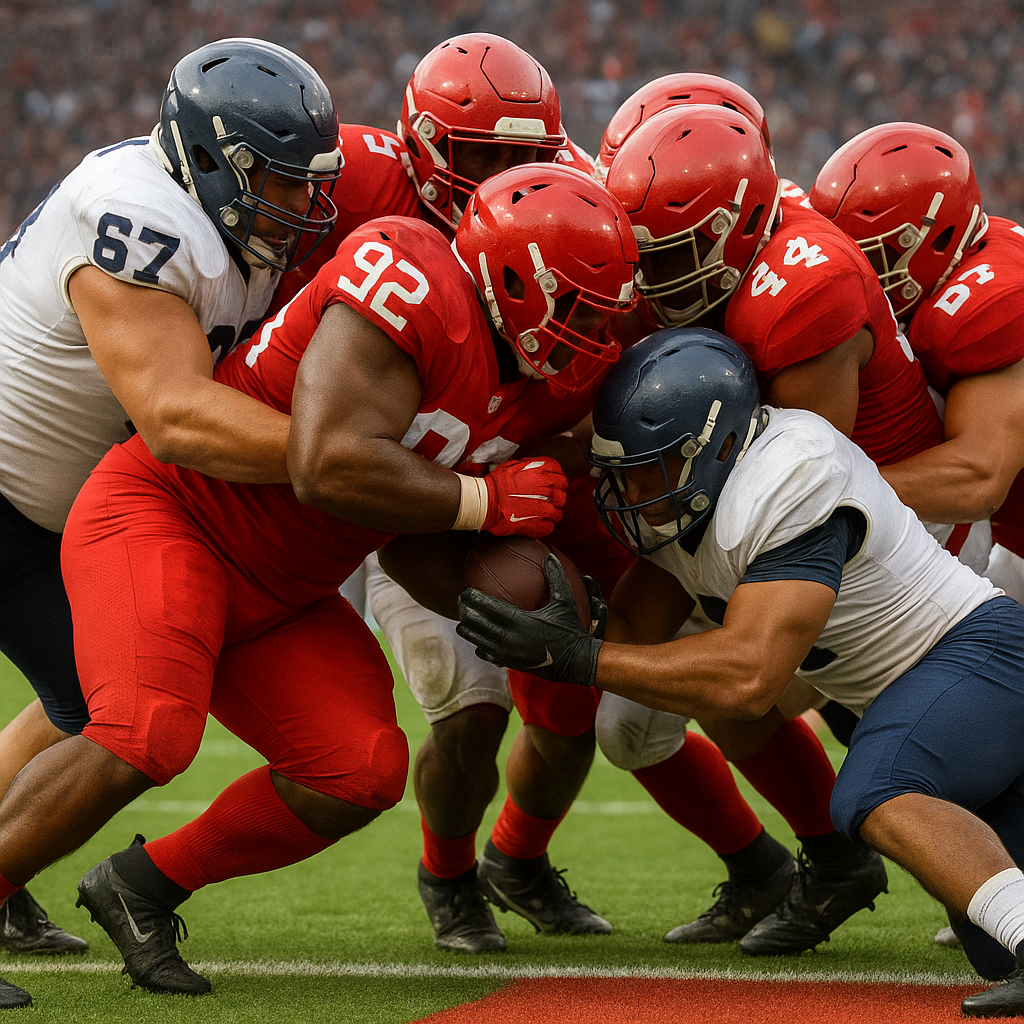
When power gets stonewalled inside the 3, it usually isn't because your kids can't block. It's because you're calling it like the defense is still playing normal downs. They aren't. The front is tighter, the backers are sitting in the gaps they like, and the safeties are basically extra linebackers with better teeth.
The first thing I change is the surface rules. I don't mean the play design, I mean the way we talk about it on the sideline. On the goal line, I want the down blocks to feel like closing a door, not like creating movement for a highlight clip. If my PST thinks his job is to wash a 5-technique down the line, we're dead. I want him to win the near half, clamp it, and stay attached long enough for the back to hit the crease. Same with the center's first step: no drifting, no pretty. It's a violent six inches, then hands.
Here's the concrete trick that makes it show up on Friday: I tell the line we're building a wall on the play-side, and the puller is running behind the wall, not out in space. That changes the aiming points. The down blocks take flatter angles. The combo rules get simplified. The fullback (or H) isn't hunting a linebacker like it's open field, he's inserting where the wall ends. When you watch NFL short-yardage cutups, the successful power runs look boring. That's the point.
Also, if your kids are in molded cleats and the box is a sand pit, accept reality. We've swapped to longer studs in wet weeks and it shows up immediately on goal-line power because the first two steps stop sliding. You can't coach traction after the snap.
If the guard can't pull clean, stop pretending he can
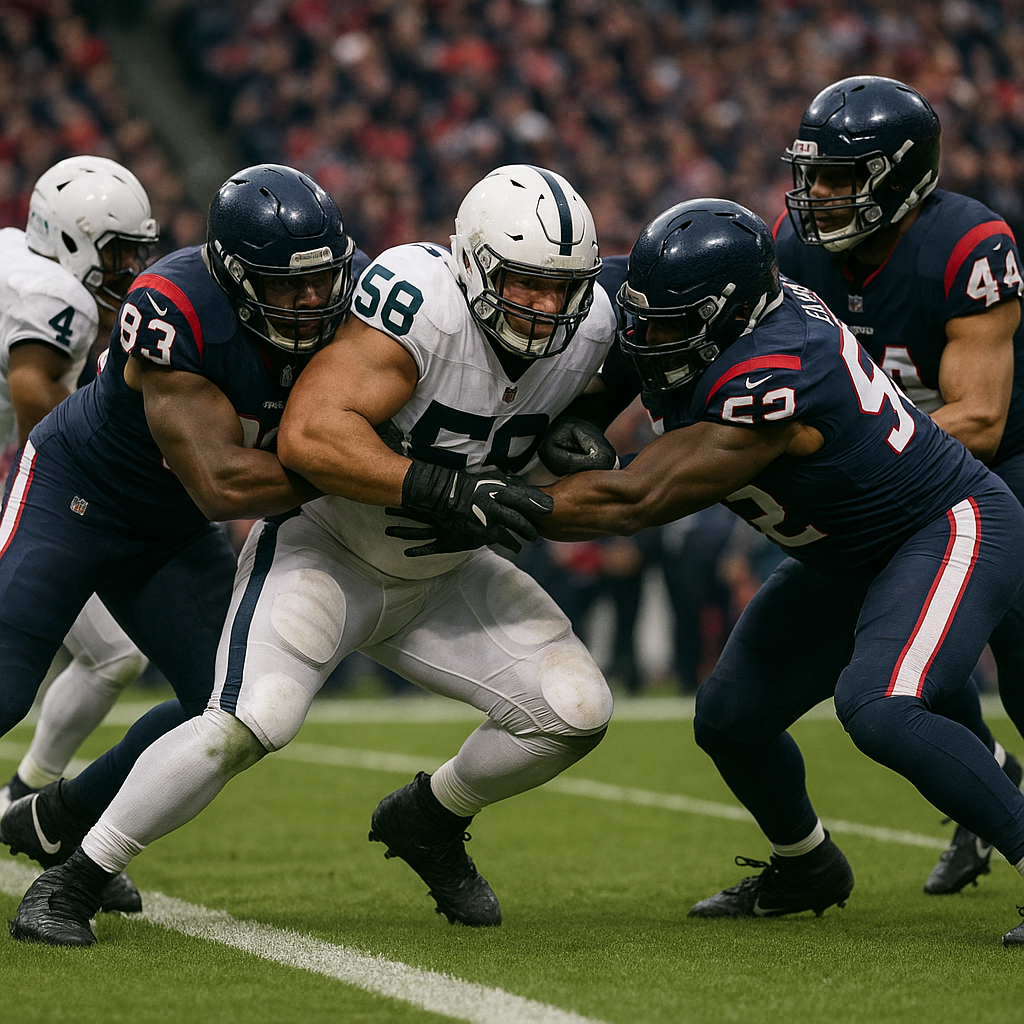
Everybody loves drawing power with a clean pull and a lead block that looks like a clinic tape. Then you get down on the goal line and that puller turns into a crash-test dummy because the defensive end is squeezing, the tackle is spiking, and the linebacker is shooting the first color he sees.
If my guard is getting hit before his second step, I don't yell at him about being tougher. I change the way we're asking him to travel. Two adjustments have saved us more than once.
1) Shorten the pull and make it a wrap, not a race. We teach a tight pull with shoulders square, then wrap right off the double-team's hip. If the guard is trying to gain depth like it's midfield, he opens the door for penetration. In a goal-line box, depth is a luxury item. I want the guard's eyes on the first defender that shows in the hole, and I want his track to stay glued to the down block so he can adjust when the defense slants.
2) Use the tackle as the puller when the edge is the problem. Some weeks the 3-tech is a statue but the 5-tech is a nightmare. We'll keep the guard home to handle the inside mess and pull the tackle (or even a tight end) on a shorter path. It fits youth and high school bodies better than you'd think, because the tackle is already on the outside and isn't fighting through the same trash. It also changes what the defense keys. Kids read pullers. They see the guard go and they trigger. When the puller isn't who they expected, you steal a half-beat.
And yes, it changes your back's picture. That's fine. In short yardage, the back should be expecting contact on the line. We rep it with a heavy bag right at the entry point. The back has to press the hip, then hit it like it owes him money. If he bounces because the hole is crowded, you've basically called power for no reason.
Stop calling it to the same gap every time you get inside the 5
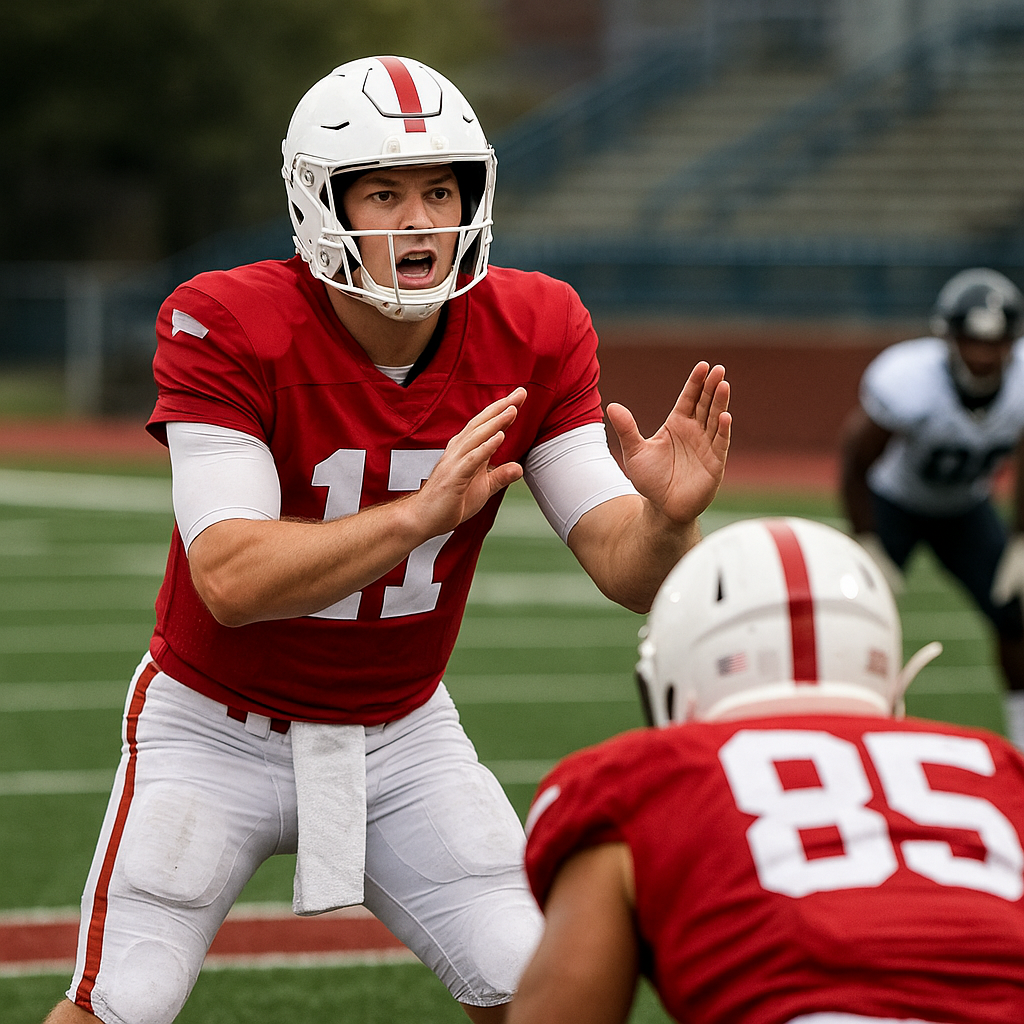
I can usually tell what a staff wants to be on the goal line by the first call. Some teams are married to B-gap power. Others live on off-tackle because it feels safer. The defense feels that marriage too, and they will show up with divorce papers.
When power is your identity in short yardage, you don't need a new playbook. You need a way to move the point of attack without advertising it. I do it with three very specific levers, and we practice them like they're part of the base call, not cute red-zone stuff.
- Flip the strength late. If your QB can get you into a simple shift, you can change who is the insert player and which side the defense is crowding. Even a small move, like bumping the tight end a gap or trading the wing, changes the down blocks and can force a linebacker to reset his feet. On the goal line, a reset is a win.
- Run it to the nub when the defense is overplaying your surface. If they keep packing your heavy side, don't keep head-butting it. Bring the formation over there, then run power back to the single tight end side with the puller wrapping inside. You're not being tricky, you're taking the numbers they gave you.
- Change the insert landmark, not the scheme. Some weeks the defense is living in the front-side B gap because that's where your fullback always shows. We'll keep the same backfield action, but have the insert player hit first color in the A gap if it opens. That makes the linebacker wrong without changing the play call for the kids on the field.
This is where film study pays off in a non-glamorous way. I'm not hunting exotic fronts. I'm counting where the defense is putting its best run-stopper on the goal line and asking one question: are they selling out to my favorite gap, or to my favorite surface? The answer tells me whether I should move the people or move the gap. Either way, it's still power. It just stops being predictable power.