
A quick on-field sketch shows how teams built the overload, why it worked, and what the new positioning rule took away.
The spray-chalk infield I draw for new assistants
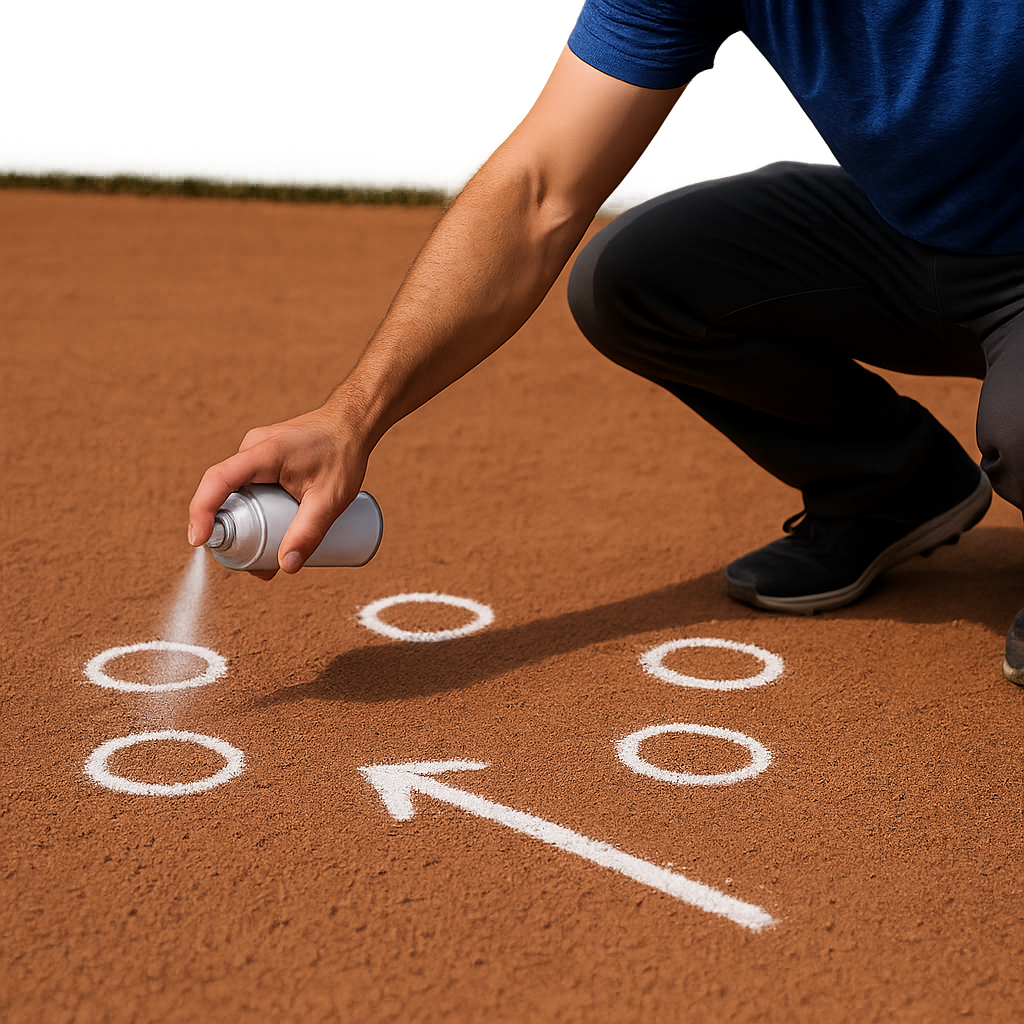
I keep a can of spray chalk (the kind grounds crews use for foul lines) in my bag because talking about the modern shift without drawing it turns into hand-waving. Here is the version that lands fast: I sketch the normal spots first, then I draw a fat arrow from the shortstop into short right field. Not a step or two. I mean past the grass line, toes pointed toward the first baseman, basically living in the hole where a right fielder's shadow would be on a day game. Then I slide the second baseman up the middle, almost on the edge of the bag, and I pull the third baseman toward short. The picture looks wrong, which is the point. For a certain kind of left-handed hitter, it wasn't gambling, it was accounting.
Once the chalk is down, you can walk through the evolution without making it sound like a sudden 2020s trick. Early on it was a quirky alignment you might see for one batter late in a game. Then front offices started marrying batted-ball data to pitch plans, and it turned into a repeatable package: throw hard stuff in, get the pull, stack defenders where the ball is most likely to go. You can feel the confidence in it when you stand behind the mound. The pitcher isn't nibbling. The catcher isn't setting up like he's afraid of contact. Everyone is set like a punt return.
Then I redraw the same thing inside today's restriction. Two infielders on each side of second base. Both feet on the infield dirt when the pitch is released. When you try to place that chalk-shortstop in right field again, you run out of legal space. The shift didn't disappear as an idea, it just lost its most extreme geometry. And that, more than any talking point, is why so many teams immediately started talking about first-step reads, pre-pitch communication, and outfield positioning as the new edge.
Why the shift became a pitch-calling tool, not just a defense
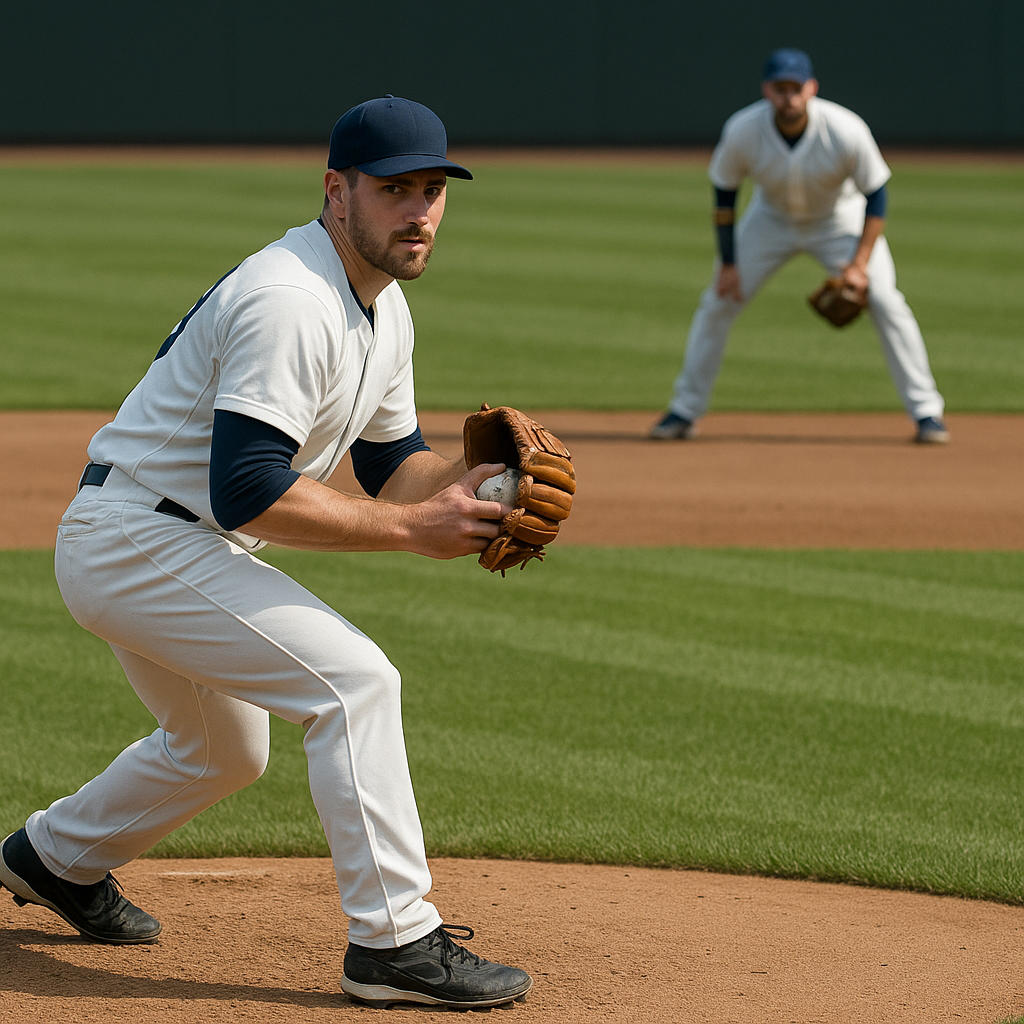
People talk about the shift like it's a chess move you make after you already know the hitter is going to yank a grounder. The part that changed strategy, at least from where I'm sitting in a dugout, is that it gave pitching coaches permission to be stubborn. If the scouting report said a lefty was going to pull the ball on the ground when he was late on a fastball, you could build the whole at-bat around that and live with the occasional opposite-field single. There is a specific calm you feel when the shortstop is standing in that deep-right pocket and the pitcher is ripping two-seamers or running a cutter under the hands. It's not subtle. The plan is, "Make him hit the pitch he doesn't want, then let the alignment clean up the miss."
That feedback loop is why the shift spread so fast once batted-ball tracking got common. It wasn't just, "Put a guy over there." It was, "If we position this way, we can call this pitch more often." More hard stuff. More in. More pitchers willing to challenge counts that used to trigger a nibble. You'd see sequences that felt almost rude: fastball in, fastball in again, then something soft that starts middle and falls away only because the hitter has to cheat to get the barrel there.
With the restriction, some of that pitch-calling confidence gets traded back for risk management. If your second baseman can't start on the shortstop side and cheat toward the pull lane, a ground ball through that 4-hole becomes a real possibility again. That changes how a catcher sets up, especially with runners on and a double play in play. You'll see more compromise calls: a pitch that is good enough to avoid the dead-center part of the bat, but not so aggressive that it relies on an extra infielder parked in the outfield grass. It's also why teams keep investing in middle infielders with range and in pitchers who can command the bottom of the zone. You can't manufacture a third defender over there anymore, so you try to manufacture weaker contact.
The new legal shift: outfield shading and late breaks
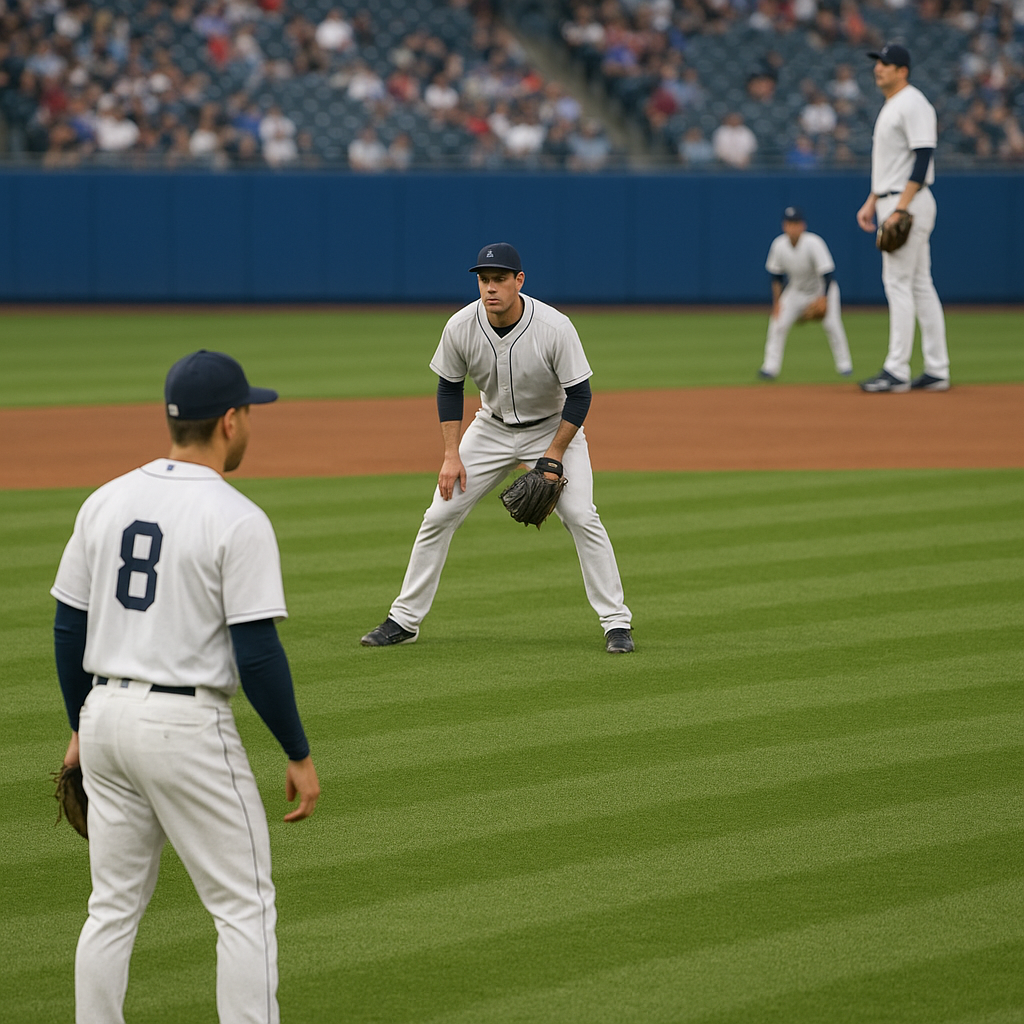
Watch a couple series now and you can spot the workaround habits, because they're the things that look normal to fans and very intentional to anyone charting pitches. The obvious one is outfield shading. A left fielder who used to be glued to the line against certain hitters will be two steps toward left-center, and the center fielder will cheat a step the other way to keep the alley covered. Nobody calls it a shift on the broadcast because it's just three guys in the outfield standing in slightly different grass. But it is the same idea, just moved to a part of the field the rule didn't touch.
The other adjustment is timing. Since the rule cares about where infielders are at pitch release, the temptation is to try to steal half a step after the ball is on its way. You can't magically teleport a shortstop into right field, but you can train the first move so it's decisive. I like to watch the second baseman's hips. Against a pull-heavy lefty, you can see him preload his weight so his first step is toward the hole rather than straight at the ball. It's a small thing, and it's legal, and it matters. The best infielders make it look like they guessed right, but usually they're just reading the swing path early and committing without the little stutter step that used to be forgiven when there was an extra body in the lane.
There's a quieter ripple too: more teams care about who is at short and who is at second on a given day, especially if one is a rangier defender and the other turns a cleaner pivot. Under the old extremes, you could hide a bit because the alignment did some of the work. Now, those routine-looking ground balls that split the difference between positions are back to being plays your middle infield has to earn. If you're trying to understand what the restriction means in practice, don't stare at the chalkboard diagrams on TV. Watch a Tuesday night in April and notice who is moving before contact, who is frozen, and which singles used to be easy outs when three defenders lived on one side of the infield.