10 Tennis Rivalries That Captivated the Entire World
Tennis turns simple matchups into long-running stories that stretch across seasons. Familiar opponents raise the stakes every time they meet, and fans start tracking patterns. A great rivalry adds memory to the sport and gives context to every point played. These matchups shaped eras and gave the game moments that still get replayed years later.
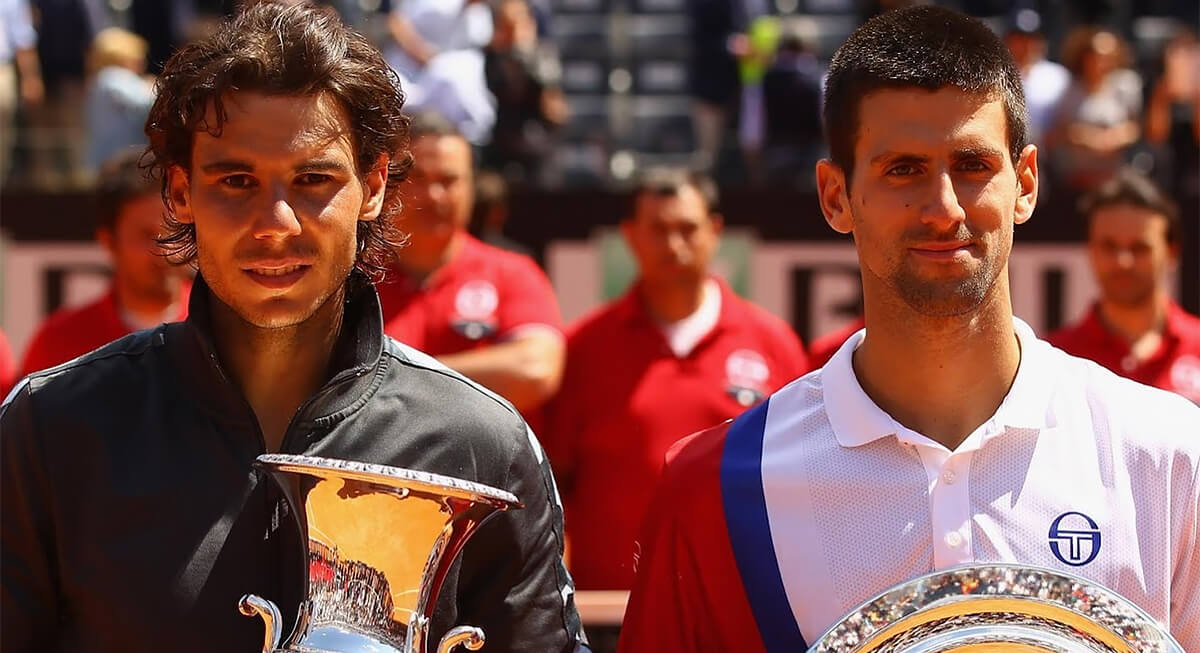
Rafael Nadal And Novak Djokovic
Credit: Instagram
No pairing in men’s tennis has produced more matches in the Open Era, with over 60 meetings across surfaces. Their 2012 Australian Open final ran for 5 hours and 53 minutes, the longest Grand Slam final ever recorded. Late in that match, both players still chased every ball. Head-to-head swings kept fans guessing.
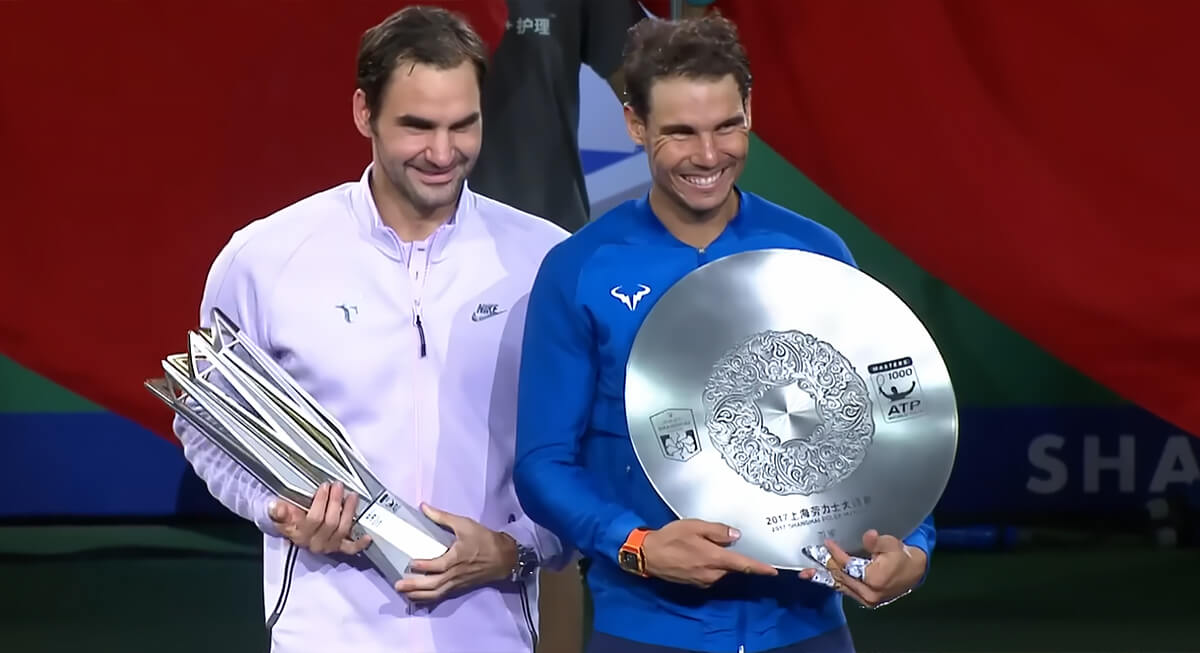
Roger Federer And Rafael Nadal
Credit: Youtube
A teenage Nadal walked into their early matches with heavy topspin that immediately tested Federer’s backhand. This matchup became a recurring theme, especially on clay, where Nadal built dominance. The 2008 Wimbledon final unfolded under multiple rain delays, but the quality never dipped. Analysts often point to that match as a turning point in how rivalries are judged.
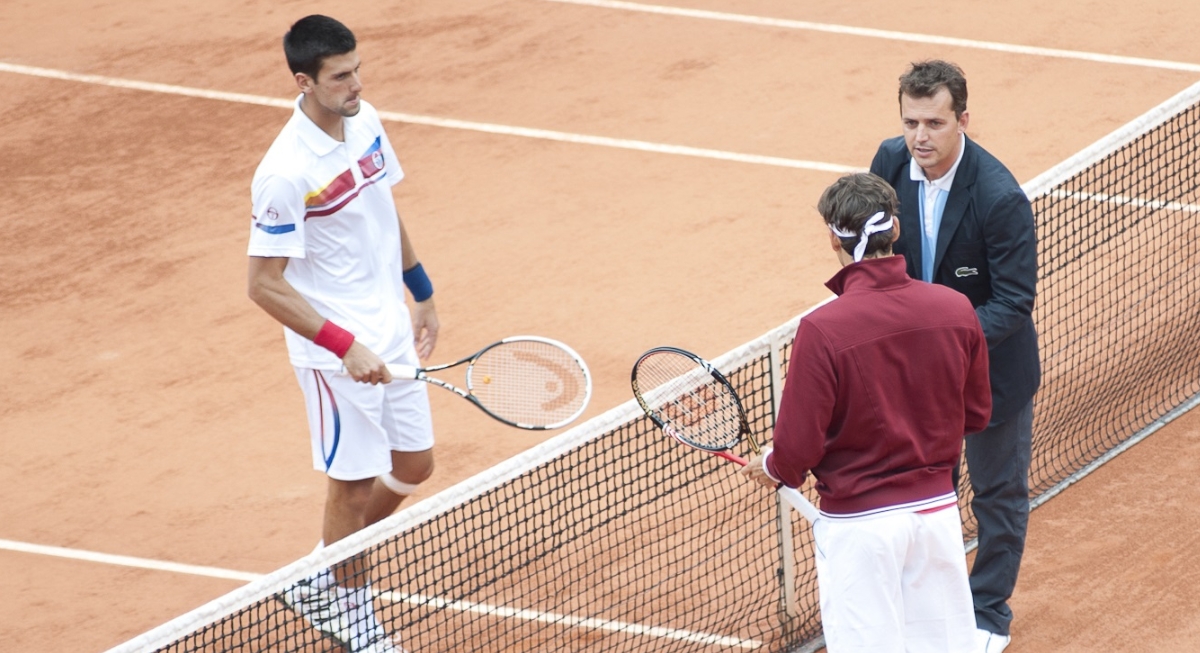
Novak Djokovic And Roger Federer
Credit: Wikimedia Commons
Margins decided most of their biggest matches, and the 2019 Wimbledon final offered a clear example. Federer collected more total points, yet Djokovic secured the title by taking crucial tiebreaks. The stat still surprises casual fans who expect point totals to tell the whole story. Djokovic’s return game often neutralized Federer’s serve.
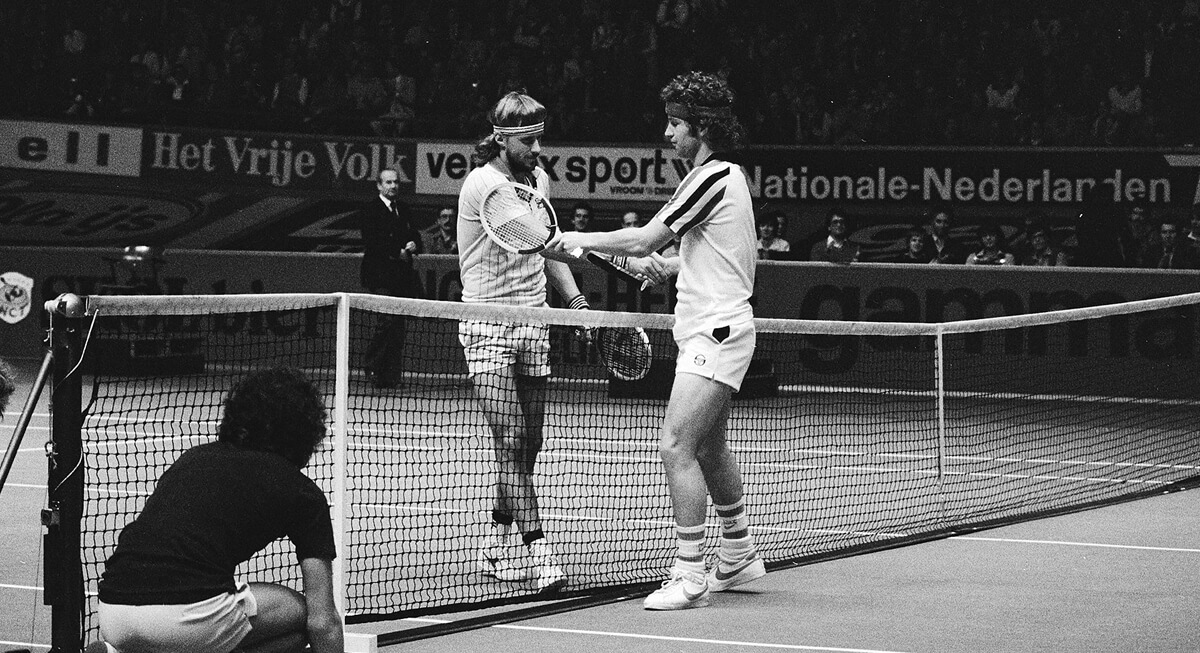
Bjorn Borg And John McEnroe
Credit: Wikimedia Commons
Borg was calm, precise, rarely showing emotion, while McEnroe reacted to nearly every call. Their 1980 Wimbledon final featured a fourth-set tiebreak that stretched to 34 points. The contrast in personalities made the rivalry easy to follow, even for viewers who rarely watched tennis.
Serena Williams And Venus Williams
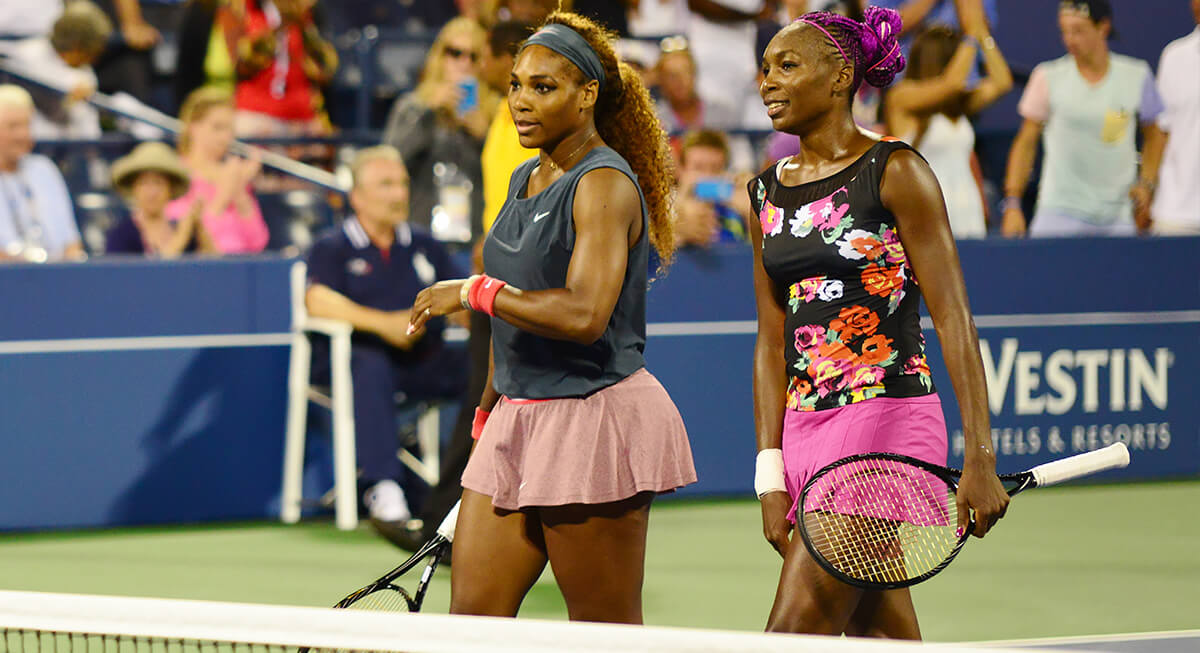
Credit: Wikimedia Commons
Two sisters reaching nine Grand Slam finals against each other remains a rare achievement in any sport. Serena held the edge in head-to-head results, though Venus secured major titles and Olympic gold across singles and doubles. Their presence expanded global interest in women’s tennis and inspired a new generation of players.
Chris Evert And Martina Navratilova
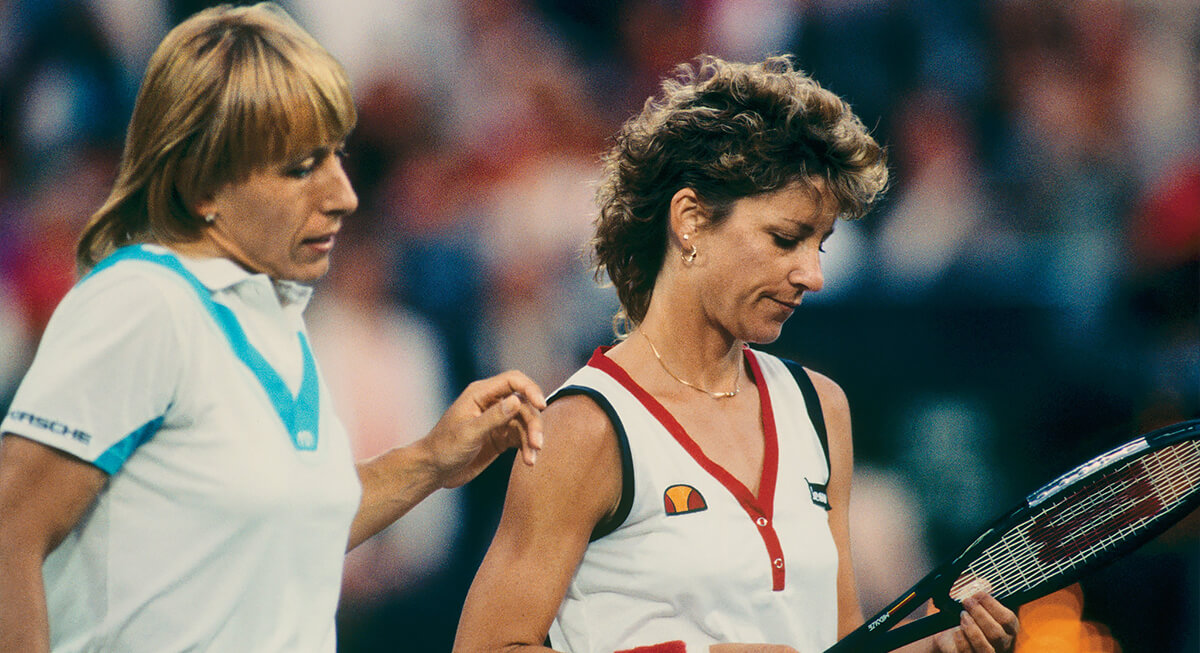
Credit: Essentially Sports
For years, as far as this duo was concerned, if one reached a final, the other was likely waiting. They played 80 matches, including 14 Grand Slam finals. Evert preferred steady rallies from the baseline, and Navratilova looked to finish points at the net. Off the court, they stayed close friends, which gave their rivalry a different tone than most long-running matchups.
Pete Sampras And Andre Agassi
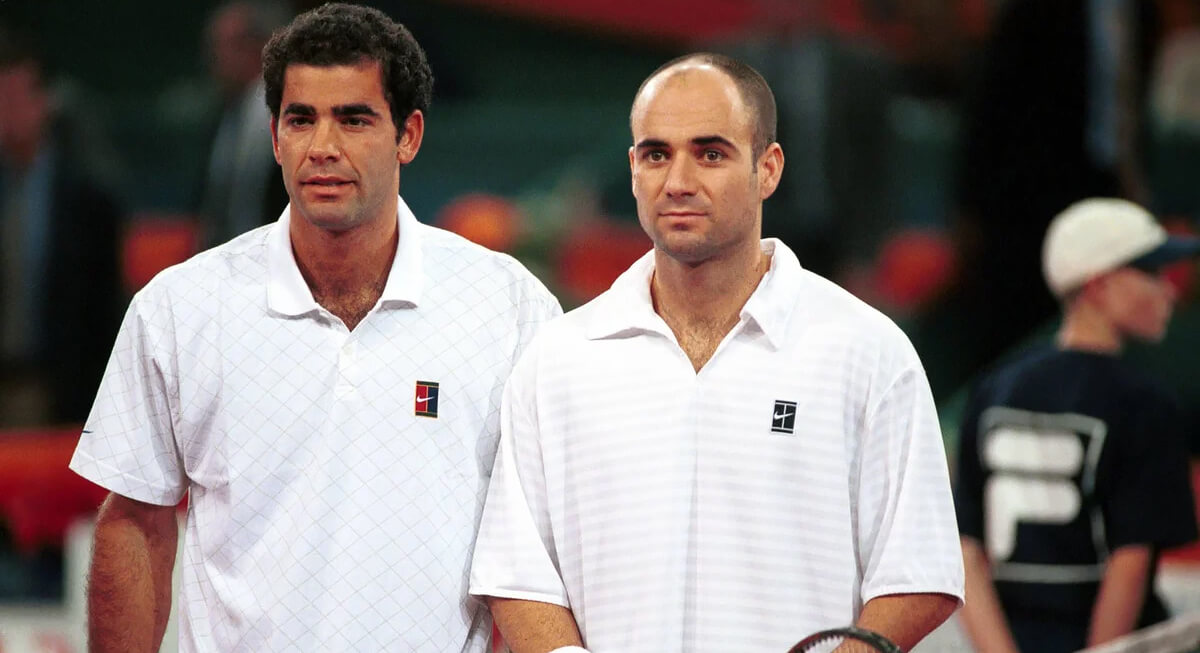
Credit: Essentially Sports
Sampras focused on efficiency, with a powerful serve and quick points. Agassi liked to stay on the baseline and take returns early. They met 34 times, though their biggest matches often came on hard courts. In the 2001 US Open quarterfinal, neither player dropped serve over four sets, which remains unusual.
Ivan Lendl And John McEnroe
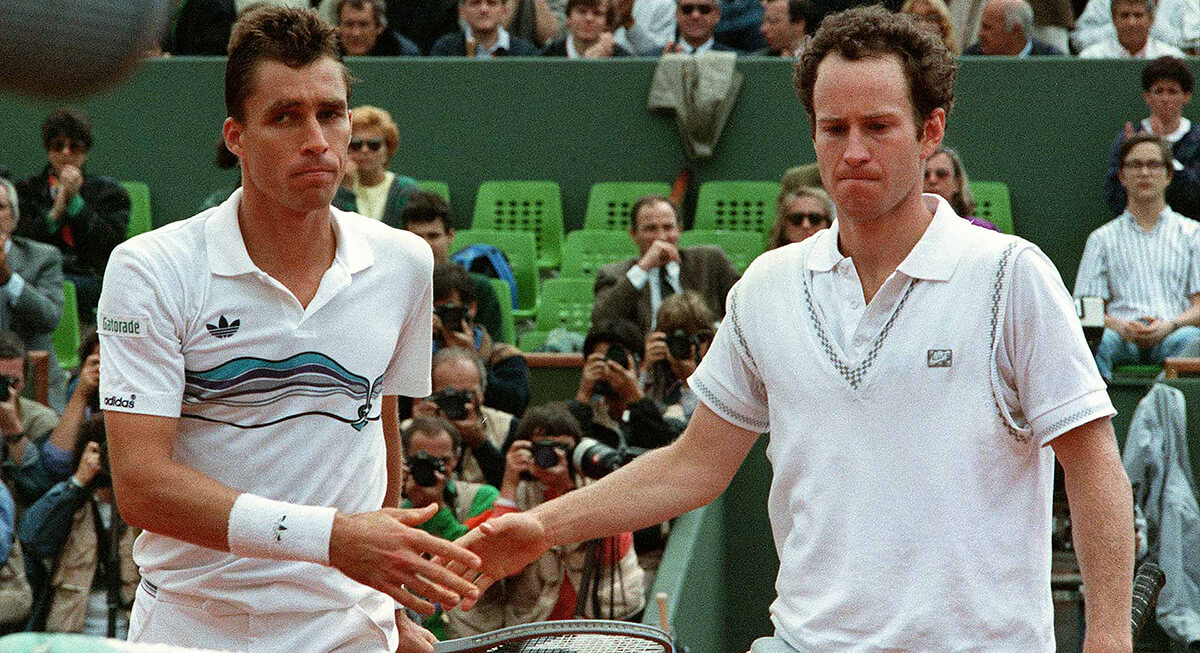
Credit: ATP Tour
Lendl and McEnroe brought intensity to nearly every match they played. McEnroe often started strong, though Lendl’s discipline helped him stage several comebacks. Their 1984 French Open final stands out, with Lendl recovering after losing the first two sets. Lendl eventually gained the upper hand in their rivalry.
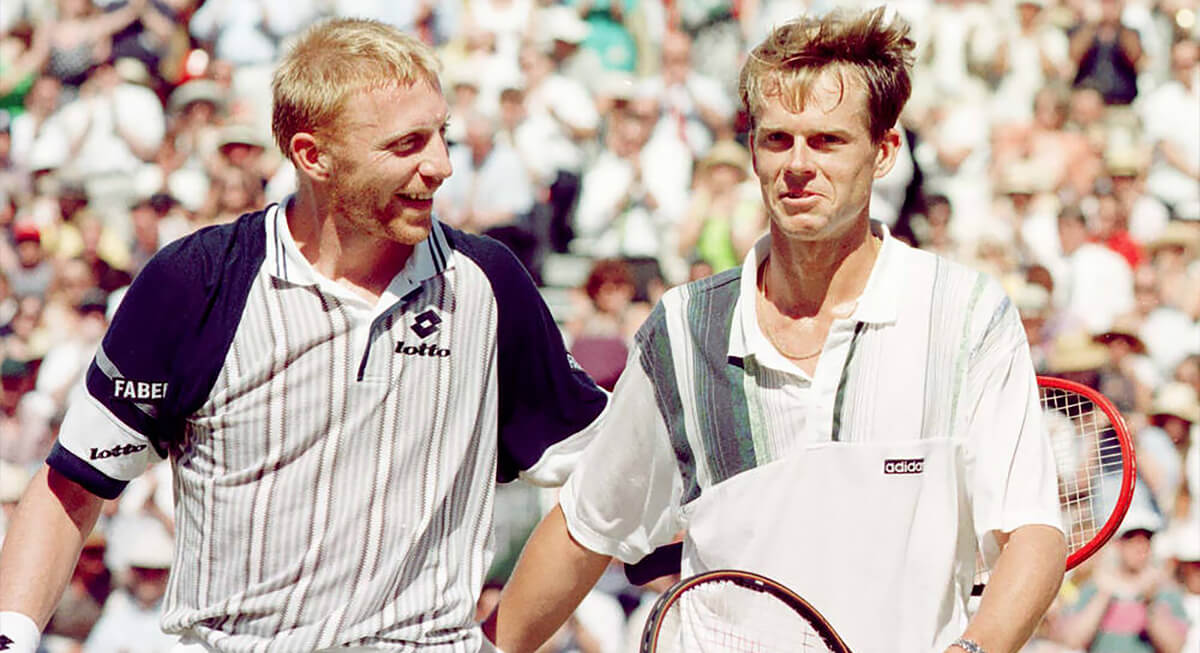
Boris Becker And Stefan Edberg
Credit: ArtPhotoLimited
Serve-and-volley tennis reached a peak during its repeated clashes on grass. Both players charged the net quickly, keeping rallies short and pressure constant. Three consecutive Wimbledon finals from 1988 to 1990 gave fans a clear view of their tactical differences. Becker’s serve brought raw pace, while Edberg’s footwork and positioning created cleaner finishes.
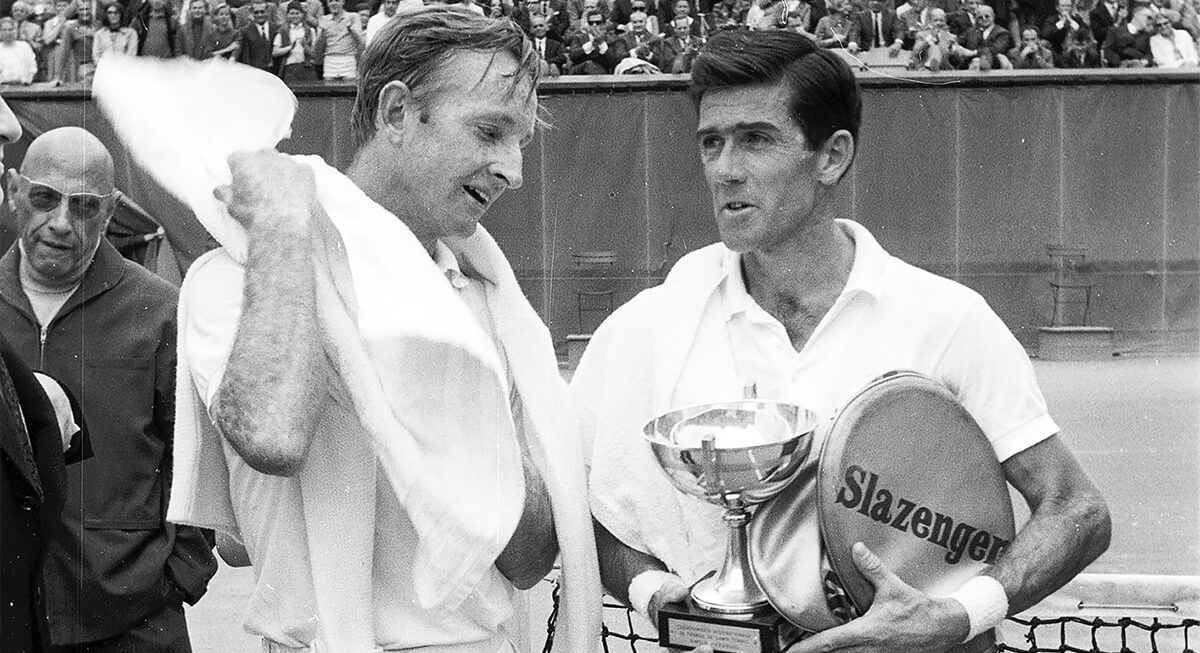
Rod Laver And Ken Rosewall
Credit: Laver Cup
Their rivalry covered a period when tennis itself was changing. They played in both amateur and professional circuits before the Open Era allowed everyone to compete together. Laver completed two calendar Grand Slams, one before and one after that shift. Rosewall kept competing at a high level into his late thirties. They faced each other well over 100 times.