
Three ways year-round athletes can use social media without letting it get in the way of sleep, confidence, or training.
Mute the highlight accounts before you touch your gear bag
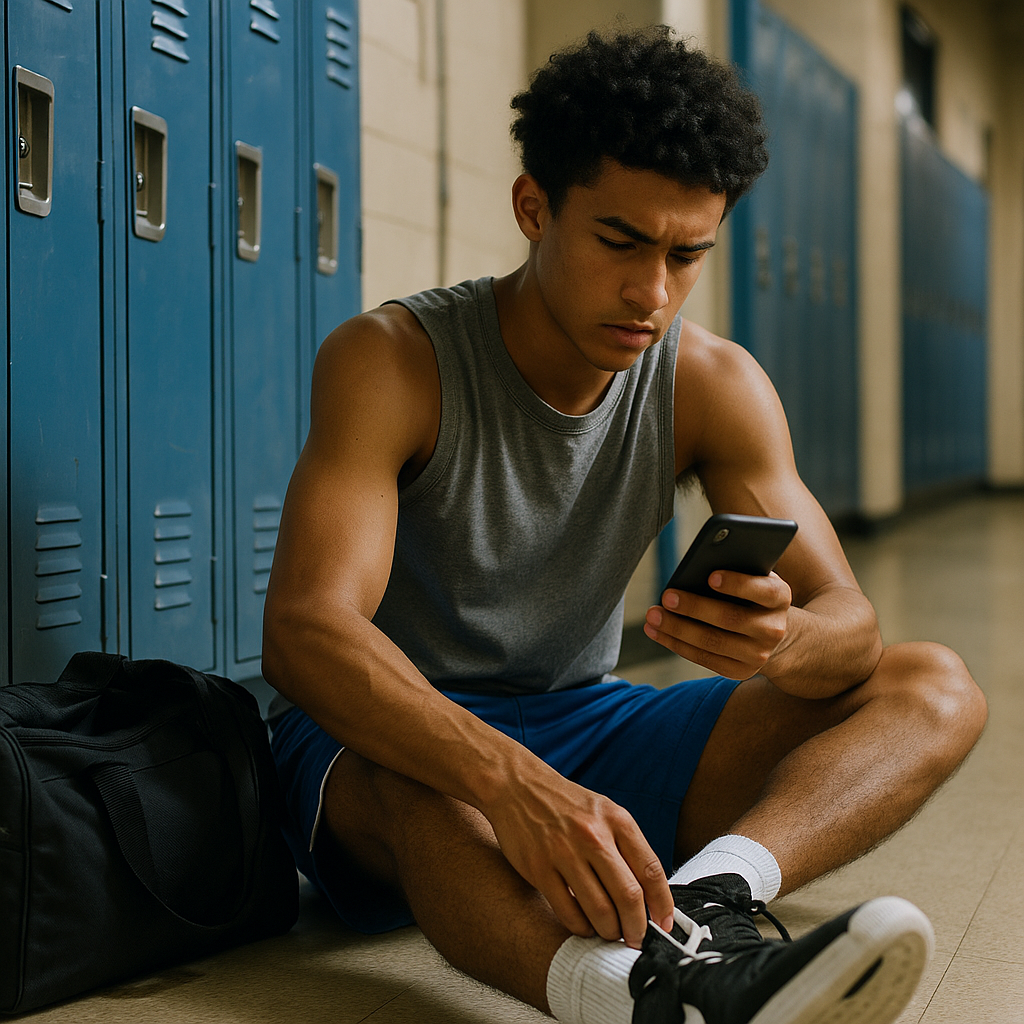
If you're playing sports year-round, your phone can start to feel like another coach in your pocket, and not a particularly helpful one. I learned this the hard way during a stretch where we had winter conditioning at 6:00 a.m., school all day, and club sessions at night. I'd open Instagram in the hallway between 5th and 6th period, see a freshman from a rival school posting a stitched-up dunk reel, and suddenly my warmup felt like a tryout. The problem isn't motivation. It's how quickly one clip can make you compare yourself before practice even starts.
The simplest fix I've found is to mute the accounts that tend to make you compare yourself to others. Highlight pages, recruiting repost accounts, the local sports photographer who dumps 60 tagged shots after every game, and yes, the rival school's hype editor. Muting isn't unfollowing, so it doesn't turn into drama. You're just deciding what doesn't get to ride shotgun on a day you already have two practices and a lift.
Pre-practice is when it helps most. Most high school athletes check their phones while tying their shoes or waiting for the coach to unlock the cage. That's when comparison can hit hardest, because you're already nervous about the workout ahead. Muting keeps your feed from serving you somebody else's best 8 seconds right before your first rep. You can still use TikTok later for film breakdowns or mobility ideas, but the first thing your nervous system sees shouldn't be a highlight that was edited with a song drop and a caption about "work ethic."
Year-round schedules can make this harder. If you're always in season, muting those accounts gives you a little more space before practice.
The comment section scouting report you didn't ask for

High school sports have always had trash talk. Social media just turned it into a searchable archive with notifications. The problem is how quickly comments can start influencing how you think about your own training. I watched a kid on our team post a simple clip of a clean rep in the weight room, and within an hour, strangers were arguing about his depth and his "athleticism" like they were coaches. He tried to laugh it off, but at the next session, he changed his technique to look better on camera. That's when the comments can start changing how you train.
My rule now is simple: if you post, you don't read comments the same day. If you want to keep the post up for coaches to see, fine. Just don't let a random account with a cartoon avatar rewrite your headspace before tomorrow's workout.
Two simple habits can make this easier:
- Turn off post notifications on the platform you use for sports clips. Keep DMs on if you need them for team logistics, but kill the drip-fed "so-and-so commented" alerts.
- Pick a single check time, like Sunday afternoon, and check the comments then. After that, leave them alone until your next check.
This matters more with year-round competition because there's no clean reset. If you play fall ball, winter club, spring varsity, and summer tournaments, the comment section is always open. That means there's always another opinion waiting for you. Taking a day away from the comments can give you some distance during a busy stretch of the season.
Also, if you're a coach or parent reading this, don't tell a kid to ignore it and then send them screenshots of what people are saying. That can make the comments feel even more important than they already are.
Stop posting your whole training week in real time
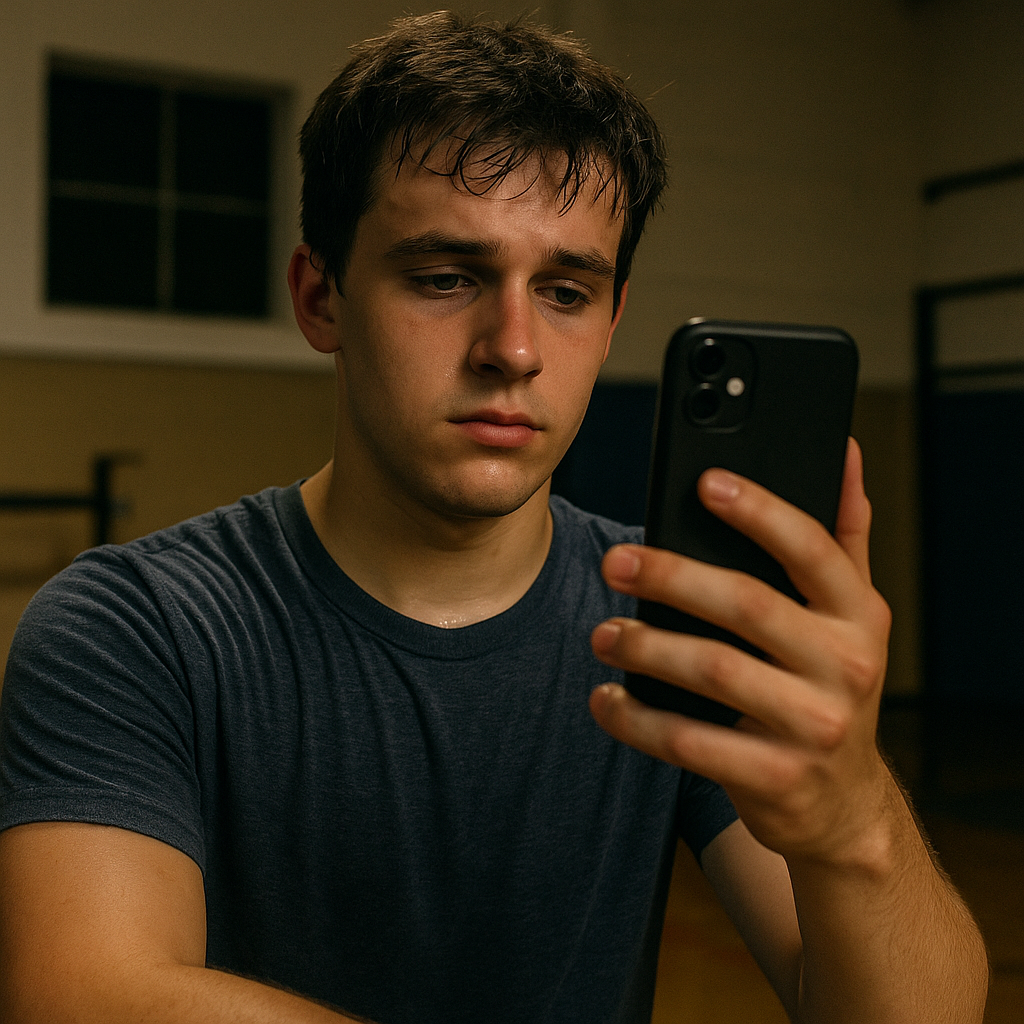
Competing all year can also create pressure to show everyone that you're working all the time. If you want performance to stay the priority, stop posting your whole week in real time because real-time posting forces your training decisions. You start picking exercises that look good on video. You start stretching with your phone propped on a foam roller. You can also end up overlooking the less exciting parts of training, like cooldowns, recovery, sleep, or mobility work.
I like waiting a few days before posting. Film what you want during the session, then sit on it. You can post the clips later or batch a few into one recap. The delay helps in three ways:
- It stops you from checking for reactions during the workout. You can focus on the session instead of refreshing your post between sets.
- It gives you one less reason to check your phone late at night. Screen and social-media use around bedtime can interfere with sleep, so keeping the posting process out of your bedtime routine makes sense.
- It keeps your plan intact. When your coach writes tempo work on the board, you do tempo work, even if it looks like nothing on camera.
Year-round athletes also need recovery days that feel allowed. A delayed post lets you take a day off without broadcasting it. If recruiting is part of your goals, social media can help coaches find your film, but it doesn't replace the rest of the recruiting process.