
From recruiting film to camps and coach connections, here's how private coaching can shape what college programs see.
Your recruiting film needs more than highlights
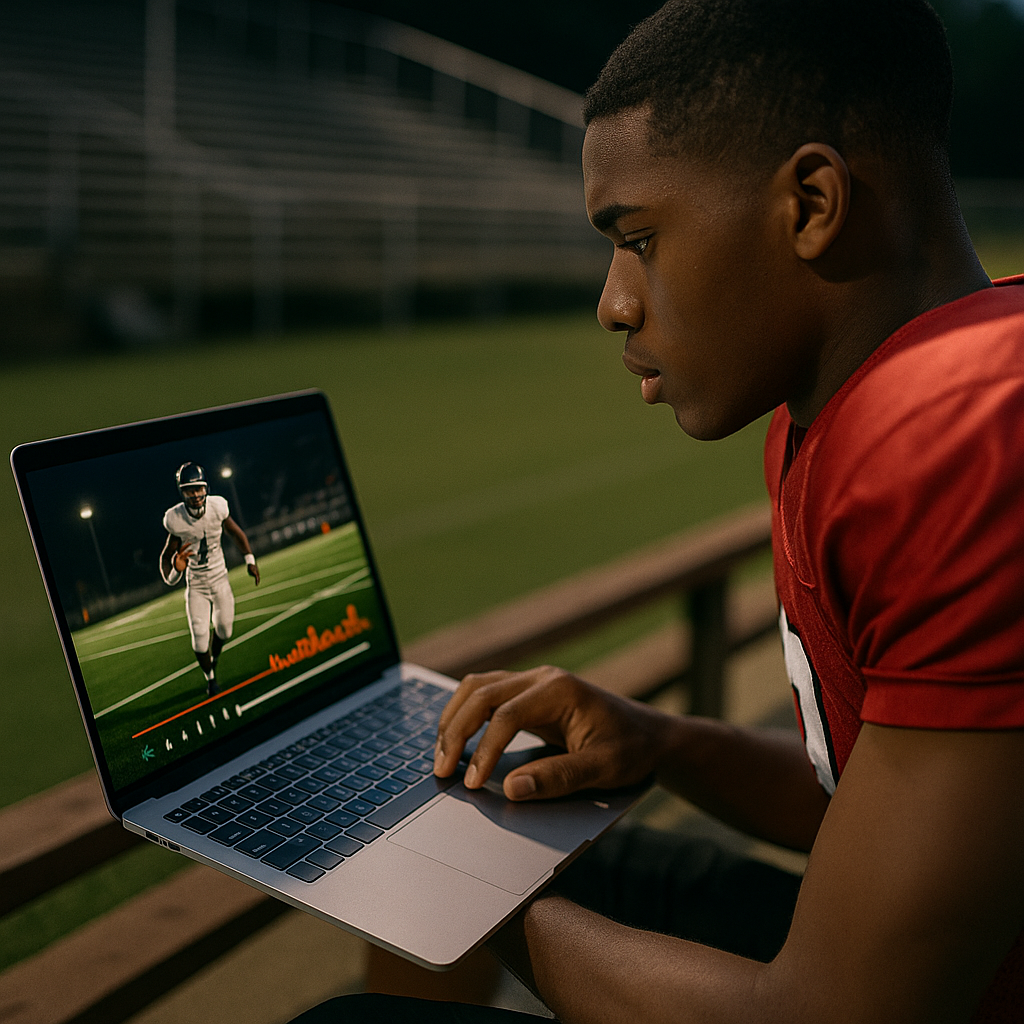
You can often spot when a private coach has worked on a kid's Hudl edit because the clips start to look like a commercial. I get why it happens. A family is paying for extra help, and everyone wants the athlete's film to make a strong first impression. The problem is that a few great plays rarely tell a college coach enough about an athlete. Coaches evaluating recruits may also want broader game footage and context.
When I'm helping a player build film, I want the first 20 seconds to grab attention, but after that, I want enough context to show how the kid plays beyond their best moments. For football, that means leaving the pre-snap view in for a beat so the college coach can see the formation, split, leverage, and how fast the kid processes motion. For soccer, it means enough of the sequence that the viewer can see the scan before the ball arrives. For basketball, it means showing two possessions of defending a good guard.
Private coaching can also lead athletes to focus on skills that look especially polished on video: cone work that pops, 1v0 stuff, scripted routes. If you're paying for extra sessions, use them to create a film that colleges trust. Ask your coach to build a section called "three mistakes and the response": a missed tackle followed by the next tackle; a bad first touch followed by winning the ball back; a rushed shot followed by the next possession, where the kid slows down. That gives a coach more evidence of how the athlete responds when a play does not go as planned.
Camps can show a different side of an athlete
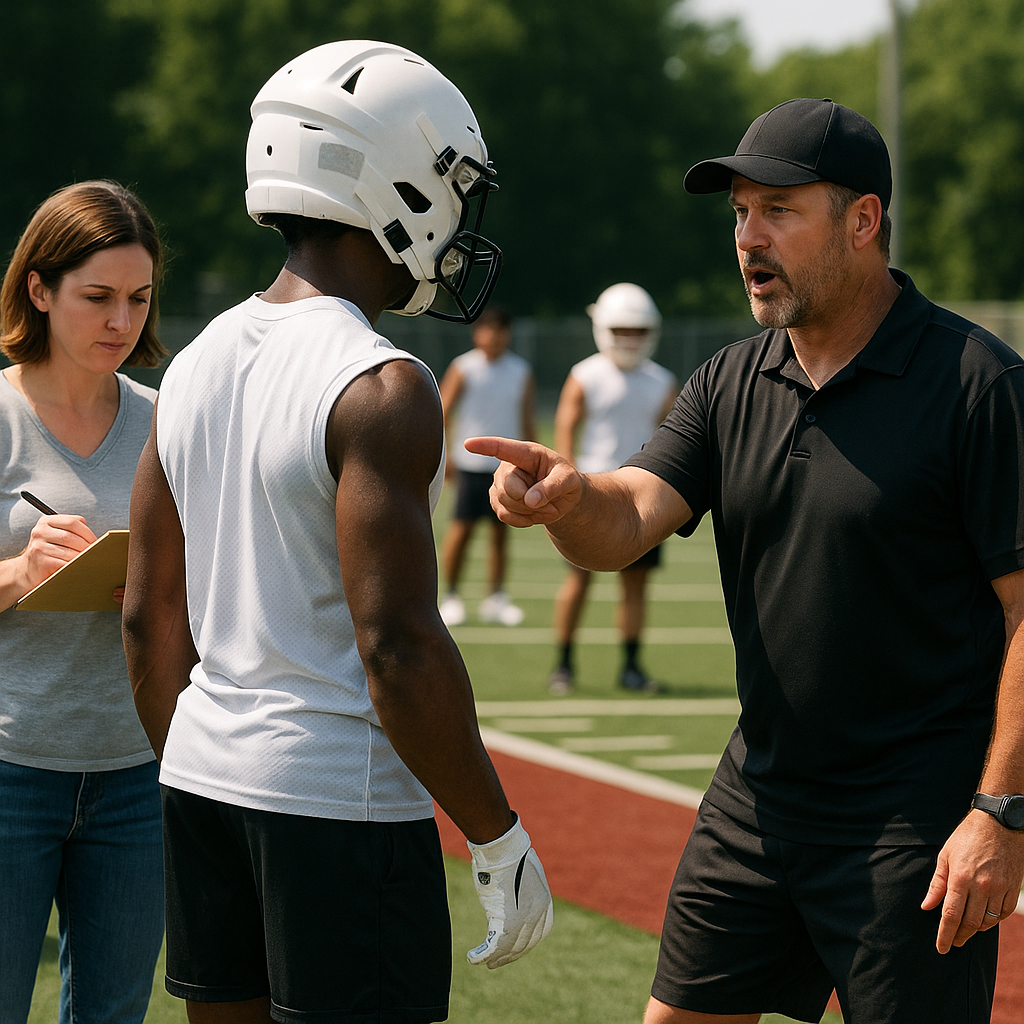
If you've been around a spring camp check-in line, you know the vibe. Moms with clipboards. Kids in new cleats. A coach in a polo shirt says, "Run it again," while everyone waits for the next rep. Private coaching has amplified that scene because many trainers will steer families toward the event calendar: regional combines, positional academies, invite-only camps, seven-on-seven weekends, AAU live periods. It's not automatically bad advice. Camps and showcases can give college coaches another opportunity to evaluate athletes, alongside game film and other recruiting information.
One limitation is that athletes can prepare specifically for the drills and formats used at these events. A wideout who's been privately coached on release packages will look like a different player in one-on-ones, even if his game film is spotty. A softball pitcher who's had weekly lessons will hit corners in a bullpen even if she melts down in the third inning when runners get on. A soccer kid can train for the small-sided format and look electric in a 20-minute showcase half, then disappear when the high school match turns into set pieces and survival.
A strong camp performance can also provide a different picture from full-game film, which is why it should be considered alongside the rest of an athlete's recruiting profile. If you're going to a football camp, pick two things to be known for that day (press-man releases, catching through contact, or pass pro). Private sessions can then focus on those two skills rather than covering a long list of unrelated drills. Then, right after the camp, send the short follow-up email with your schedule and a link to the unsexy full-game cut-up. That gives the coach both the showcase performance and the full-game context.
Private coaches can influence recruiting conversations

Academic records, athletic performance, and recruiting relationships can all shape how a college evaluates a prospective athlete. Private coaching plugs directly into that network. A trainer with established recruiting relationships may also help an athlete get additional exposure to college programs. It can also create problems when a trainer takes over a process that should still be led by the athlete and family.
The good version looks like this: the private coach knows the athlete well enough to give a real scouting report, not a sales pitch. They can say, "She's a late bloomer, the strength is coming, and she takes coaching without the pout." Or, "He'll need a year in the weight room, but he won't miss class, and he won't miss lifts." That information can give a college program additional context when evaluating an athlete.
The bad version is when the private coach tries to manage the entire process and starts talking over the athlete. You can hear it in phone calls and emails that sound like a brochure. You can see it when the kid can't answer basic questions about their own season schedule, or when the private coach starts blaming the school coach for playing time during a recruiting conversation. That can make recruiting conversations more complicated, particularly when multiple coaches are involved.
If you're using private coaching, treat the trainer like a reference you have to earn. A few practical guidelines are: (1) the athlete should take an active role in recruiting emails and follow-ups; (2) the athlete should remain actively involved in recruiting communications, while any coach or recruiting service should follow the applicable NCAA rules; (3) keep introductions brief and factual, then let the athlete's film, academics and other recruiting information provide the context; (4) if you're upset about your school coach, vent somewhere else. A private coach's recommendation may supplement an athlete's film, academic record, and other recruiting information.