
Three cross-training swaps that keep young varsity legs fresh from summer base to playoff grind without sneaking extra mileage in.
Pool intervals that spare joints but keep your engine honest
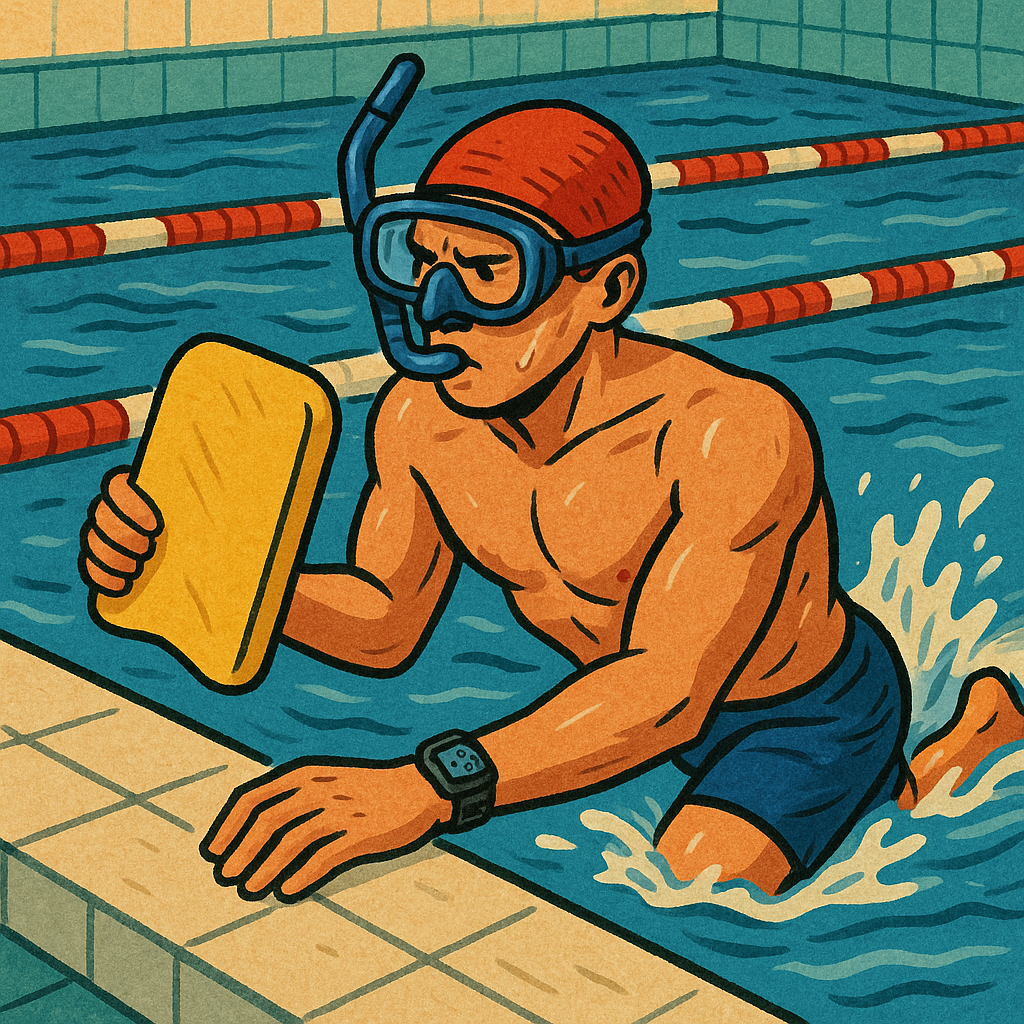
When a kid is trying to be a two-sport hero, summer and early camp are where the overuse tab quietly runs up. One lower-impact conditioning option is structured pool work that fits the athlete's overall training and recovery plan. Not aqua-jogging as a punishment, not endless laps, just short efforts where breathing gets loud but ankles and shins get a break. I like a set you can explain in the parking lot: 8 to 12 hard 25s with an easy 25 in between, then 4 to 6 hard 50s with plenty of rest. Athletes who are not confident swimmers should use a coach-approved shallow-water option under qualified supervision rather than attempting swimming intervals with unfamiliar equipment. I tell them to chase a repeatable split, not a heroic first rep.
The point is to reduce repeated impact while keeping the total workload appropriate for the athlete's schedule and recovery needs. In season, that matters more than people admit. A kid can feel "fine" after a Friday night game and still have calves that are tight like rope by Monday. The pool makes Monday productive without turning it into a second leg day. You will see it in their gait when they climb out: they are tired, but they are not limping. One detail that keeps it from turning into goof-off time is assigning lanes by effort level, like a depth chart. Fast lane: you hold pace. Middle lane: you hold form. Slow lane: you get the work done, and you do not stop at the wall to talk. It looks like practice, but their joints get to exhale.
Bike cadence rules that prevent the "secret squat" workout
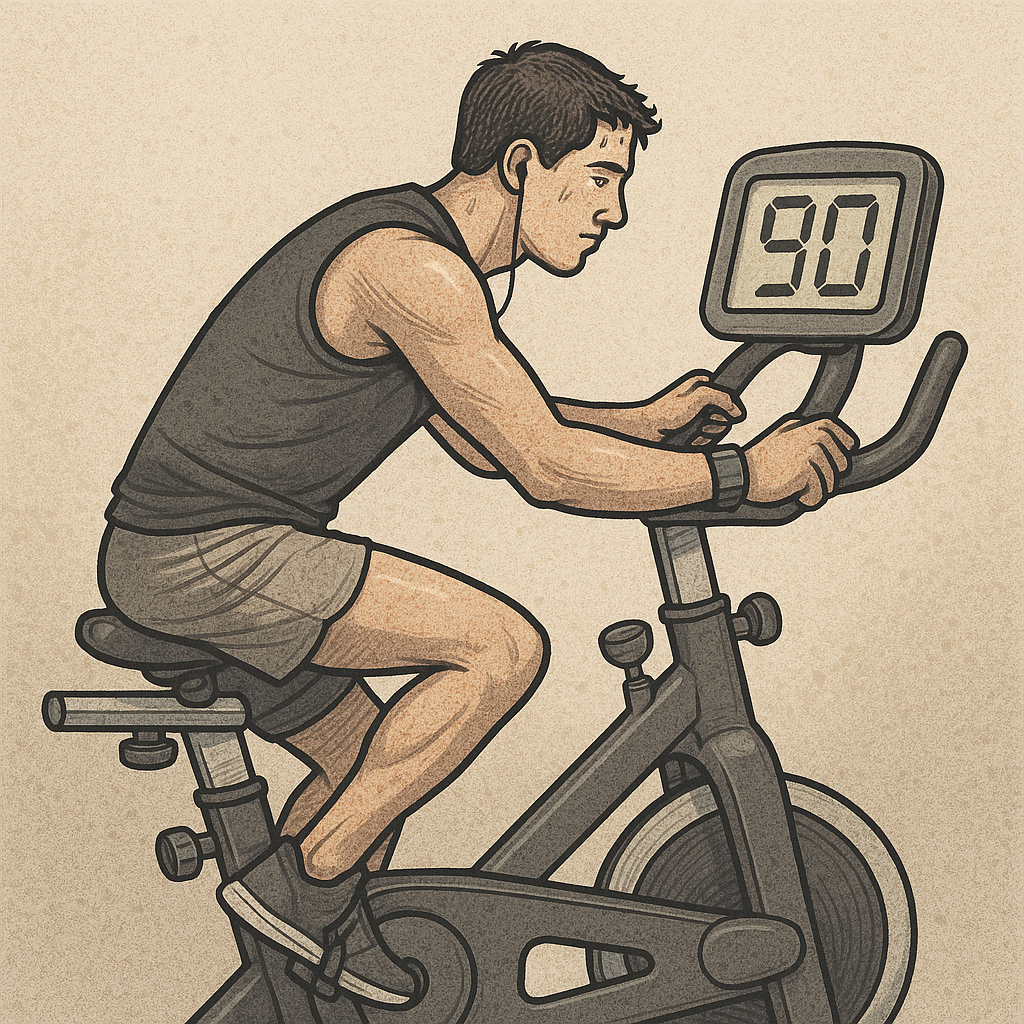
I use the stationary bike a lot with young varsity players because it is easy to control. That is also why it gets misused. The classic mistake is cranking the resistance because it feels satisfying, then calling it recovery. That is not recovery, that is a disguised strength session, and it is the exact kind of extra loading that lights up patellar tendons and hips when the week is already full of cuts and decel. My rule is boring on purpose: you ride at a cadence you can keep smooth, and you keep the resistance low enough that your quads do not burn. If you have a cadence readout, I want most kids sitting in the 85 to 100 rpm range. If you do not have a number, I want a pedal stroke that looks round, not like they are stomping.
Here is how I sell it to competitive kids. Put on a chest strap or their Apple Watch, and keep the heart rate in a steady zone where they can talk in short sentences. Then give them a small target, like 30 minutes with the last five minutes slightly quicker, not harder. The sound in the room tells you if it is right: you hear chains and fans, not grunting. If they are on an air bike, watch the shoulders. When the traps creep up, and the face gets tight, they have turned it into a fight.
This fits different seasons cleanly. Offseason: longer, steadier rides after lifting days, so legs are warm, not trashed. Preseason: shorter spins the day after scrimmages, plus a few 10-second high-cadence bursts to remind the nervous system what speed feels like without pounding. In season, it becomes a way to get blood moving on Sundays when kids want to sit on the couch and scroll through highlights for two hours. They get off the bike feeling looser, not proud of suffering. That is the whole point.
Rowing as a posterior-chain check when legs need a break
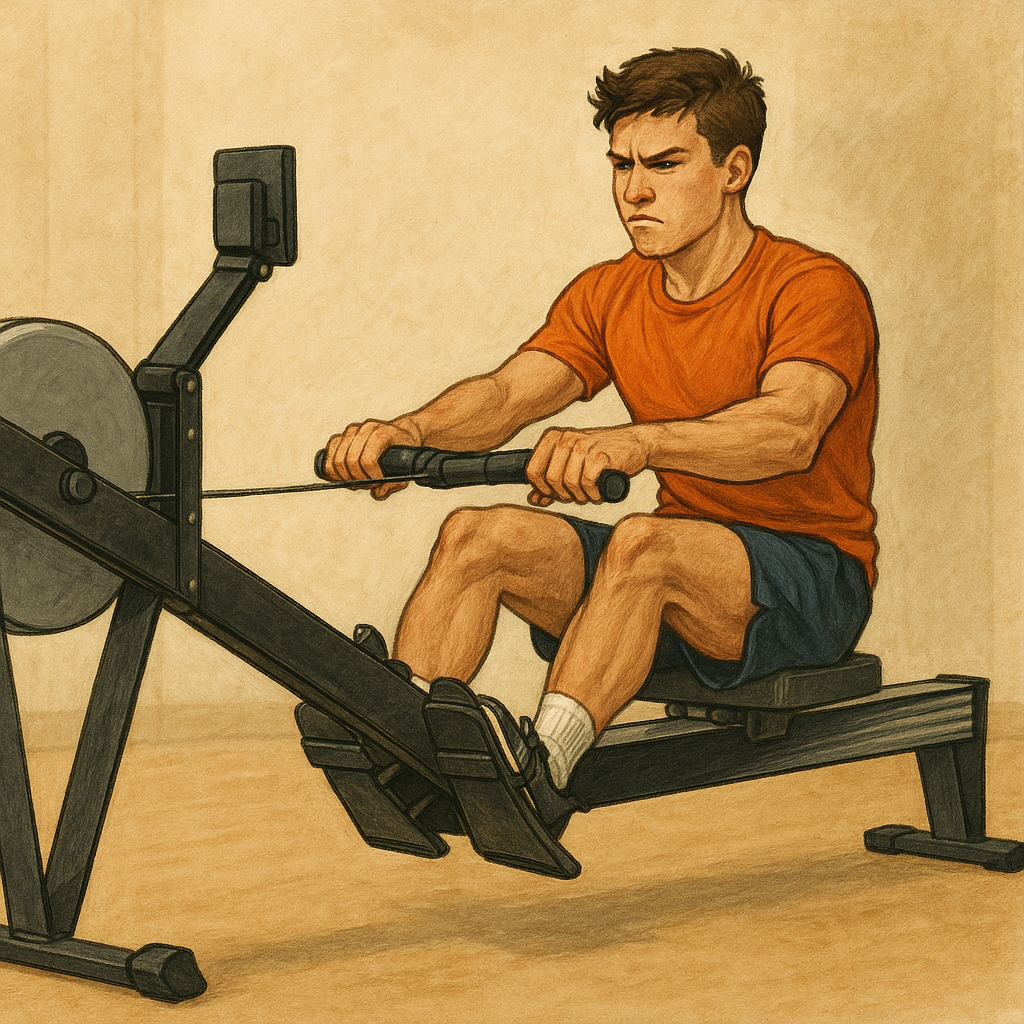
If I have one piece of equipment that exposes who is quietly beaten up, it is the rower. Not because rowing is magical, but because it is honest. A kid with fresh hips will hinge, drive, and recover smoothly. Short, choppy strokes may indicate fatigue, poor setup, or unfamiliarity with the machine. Treat them as a reason to reduce the pace and check in with the athlete, not as proof of an overuse problem.
I keep the prescription simple so it does not become a pain contest. Think 3 rounds of 6 minutes: the first two minutes easy, the next two minutes moderate, and the last two minutes at a strong, steady pace where they can hold form. Rest for two minutes between rounds. On a Concept2, use a light, coach-approved damper setting that allows the athlete to maintain smooth technique rather than turning every stroke into a heavy pull. The goal is a smooth stroke that the athlete can repeat without straining. Then I coach three cues only: shins vertical at the catch, chest tall on the drive, and hands move away before the knees bend on the recovery. When those cues fall apart, I do not yell. I cut the pace target and keep them moving.
This is a great in-season swap on a week where their legs have already eaten too many high-speed reps. You still get the sweat and the lungs, but you are not adding any more pounding. It also plays well with seasonal transitions. Late winter into spring: use it when kids are coming out of basketball, and their calves are fried from courts. Summer: it becomes conditioning on days when the field is cooked, and you would rather not stack sprints. And after a Friday night game, a light row on Sunday can be the difference between Monday feeling like concrete and Monday feeling like you just played a sport, not survived a car crash.