
Cold gyms, hot weather, and slippery spring courts change how teens move, so practice plans should adjust with the conditions.
Winter gyms: warm-ups that don't lie to you
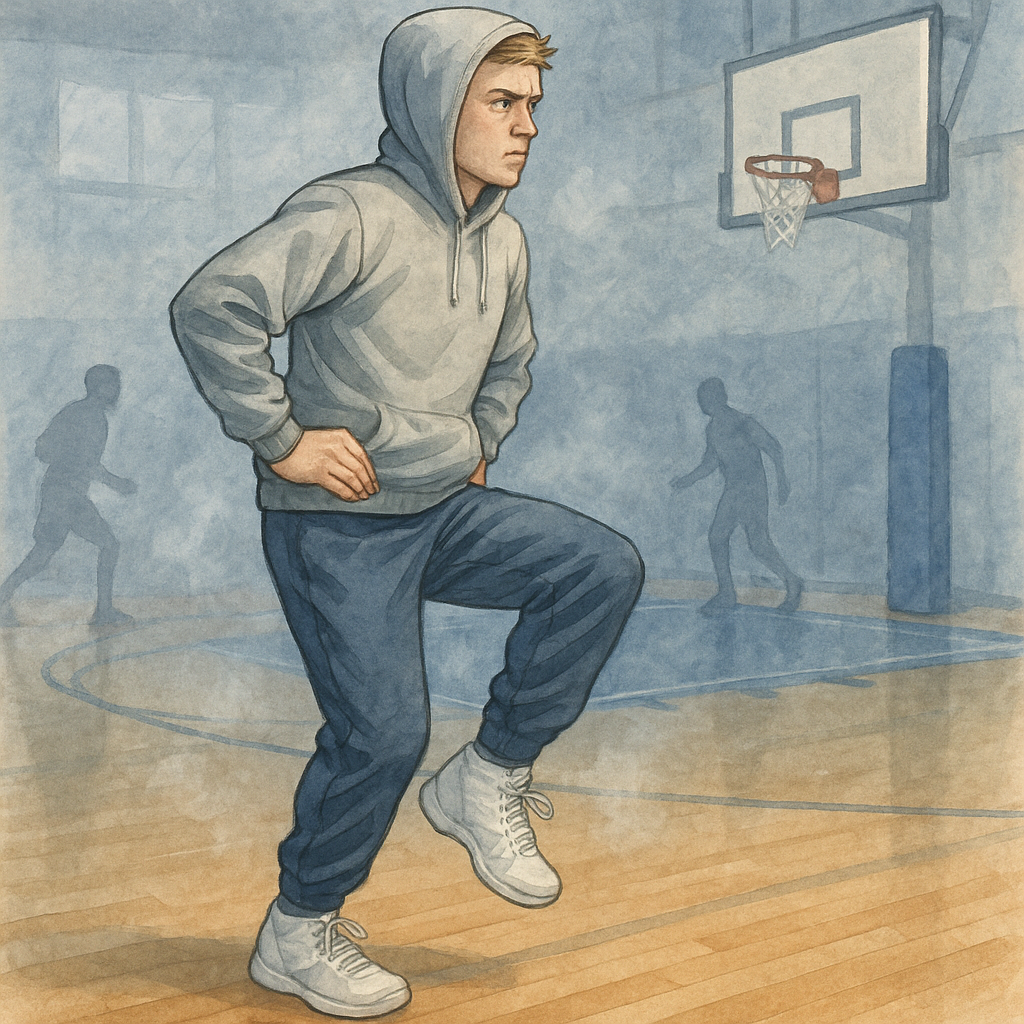
The winter problem isn't that kids don't warm up. They do the same warm-up they did in September, but now practice starts in a gym that feels like a walk-in fridge until the heaters catch up. You can see it in the first full-speed closeout: ankles are stiff, and the Achilles and patellar tendons are the first things to complain, especially in athletes who live on hard cuts and repeated jump-stops.
What I've had the best luck with is treating the first 8 to 10 minutes like tissue prep, not a jog-and-chat. We start in sweats and keep them on until the first shooting block. Two minutes of light movement, then we go straight into ankle and calf work that forces a little warmth without bouncing: slow calf raises (knee straight), then bent-knee calf raises to hit the soleus, then a few controlled pogo hops only after the calves feel awake. After that, I want three short court-length accelerations that end with a clean decel, not a slide. If their shoes squeak but their feet look heavy, we repeat the decel reps before we touch any high-volume layup lines.
The other winter-specific tweak is how we handle early shooting. A cold gym plus a heavy ball routine equals extra wrist and elbow volume, fast. So we shorten the first form block and make it closer. Ten makes each from 5 to 8 feet, then we back up. Kids hate it because it feels too basic, but it keeps the first 50 shots from being heaves with cold forearms. By the time we get to full-speed shell or transition, their joints have already taken a controlled load rather than being surprised by it.
Hot weather and dry indoor gyms: prevent late-session form breakdown
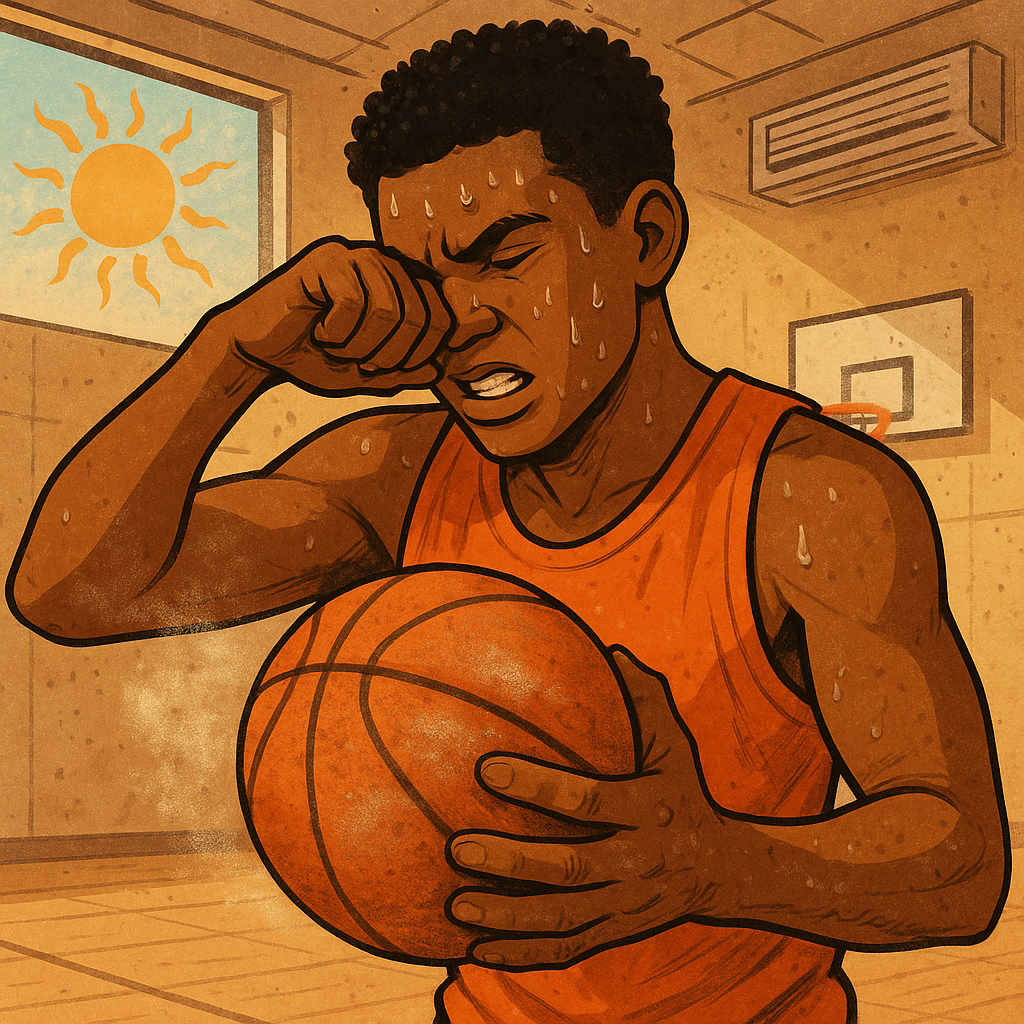
Summer ball is where overuse sneaks in, wearing a smiling face. Everyone's playing more, the mood is lighter, and then you look at the calendar and realize your varsity guard just stacked open gym, a weekend tournament, and two days of skills sessions in a building with blasting AC that dries the air out like a dehydrator.
During hot-weather training or long sessions in a dry indoor gym, sweat, fatigue, and dusty equipment can affect grip and technique. Players squeeze harder on the catch, they slap at the dribble, and you see the wrist snap get exaggerated on floaters and quick pull-ups. Nobody reports it as pain at first. They just say their shot feels off, or they can't control the ball in traffic. Then you get the forearm tightness, the elbow irritation, and the shoulder starts taking the brunt because they're muscling the release instead of letting it travel cleanly.
My fix isn't glamorous. It's a short, scheduled grip-and-release check built into the session before the workout turns into a sweat-fest. I keep it simple and repeatable: one minute of stationary pound dribbles, each hand; then 30 seconds of low crossovers, focusing on quiet shoulders; then one minute of form shots, with the cue "soft fingers" and a high follow-through that doesn't yank. If we see kids wiping their hands every rep or chalking up like it's lifting, we pause and clean the ball, not because it makes them tougher, but because a dusty ball turns into extra forearm work for no benefit.
The other piece is hydration timing, not a lecture about water. In hot months, I want them sipping before they feel thirsty, because once cramping or heavy legs show up, mechanics go sideways, and the knees take more weird loads on every landing. If a player tends to forget, I build regular hydration breaks into practice and adjust them for the conditions and the athlete's needs. It sounds almost too obvious, but it stops the late-session slump when jumpers come up short, and everyone starts hunting for contact instead of moving their feet.
Rainy spring and fall: change the footwork menu, not the effort
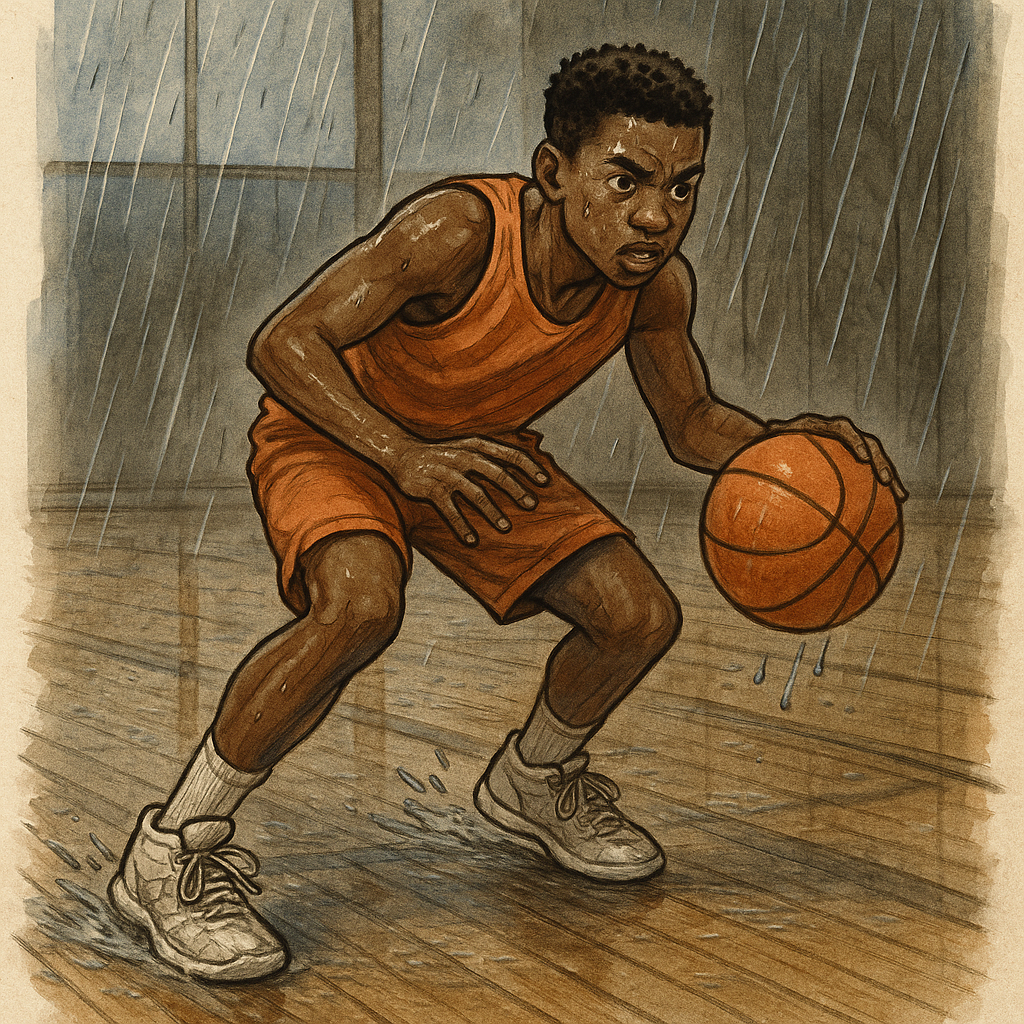
Spring and fall are when you get the weirdest surfaces. It rains all day, half the team walks in with damp socks, and the court has that gritty feel where it isn't obviously slippery, but it also isn't consistent. The first thing that changes is how kids land. They start bracing. They take shorter steps on defense, and when they do slide, the stop is choppy. That choppy stop is extra work for the shins and knees, rep after rep.
I don't try to fight the conditions by yelling for more intensity. I change the footwork menu for the day. If the floor feels questionable, I pull back on drills that stack a ton of hard decels at awkward angles, like full-court zig-zag pressure into immediate transition. Instead, we do more straight-line build-ups, more controlled closeouts that finish in a balanced stance, and we shift conditioning into timed half-court possessions. They still work, and they're still gassed, but the joint loading is cleaner.
Here's the practical check I use with varsity kids: I watch the first three defensive slides of each player during warm-ups. If I see a foot catch, or a player does that tiny hop to reset because the shoe didn't bite, it's a sign. That athlete is going to spend the whole practice making micro-adjustments. Those micro-adjustments add up to sore peroneals, cranky patellar tendons, and the classic shin tightness that shows up the next morning on the stairs.
Two quick gear notes that are boring but matter. First, keep a second pair of dry socks in the bag when the weather's messy. Damp socks plus friction equals hot spots, and once a player is thinking about a blister, their gait changes. Second, if a kid's outsole is worn smooth, rainy-season practices are when it gets exposed. I'm not loyal to any one brand, but I am loyal to traction. Replace the shoes before the floor forces the issue.