
Three off-ball screen details I coach into our shooting guard's day so clean looks show up without dribbling into traffic.
Teach the 2-guard to win the catch with pace, not speed
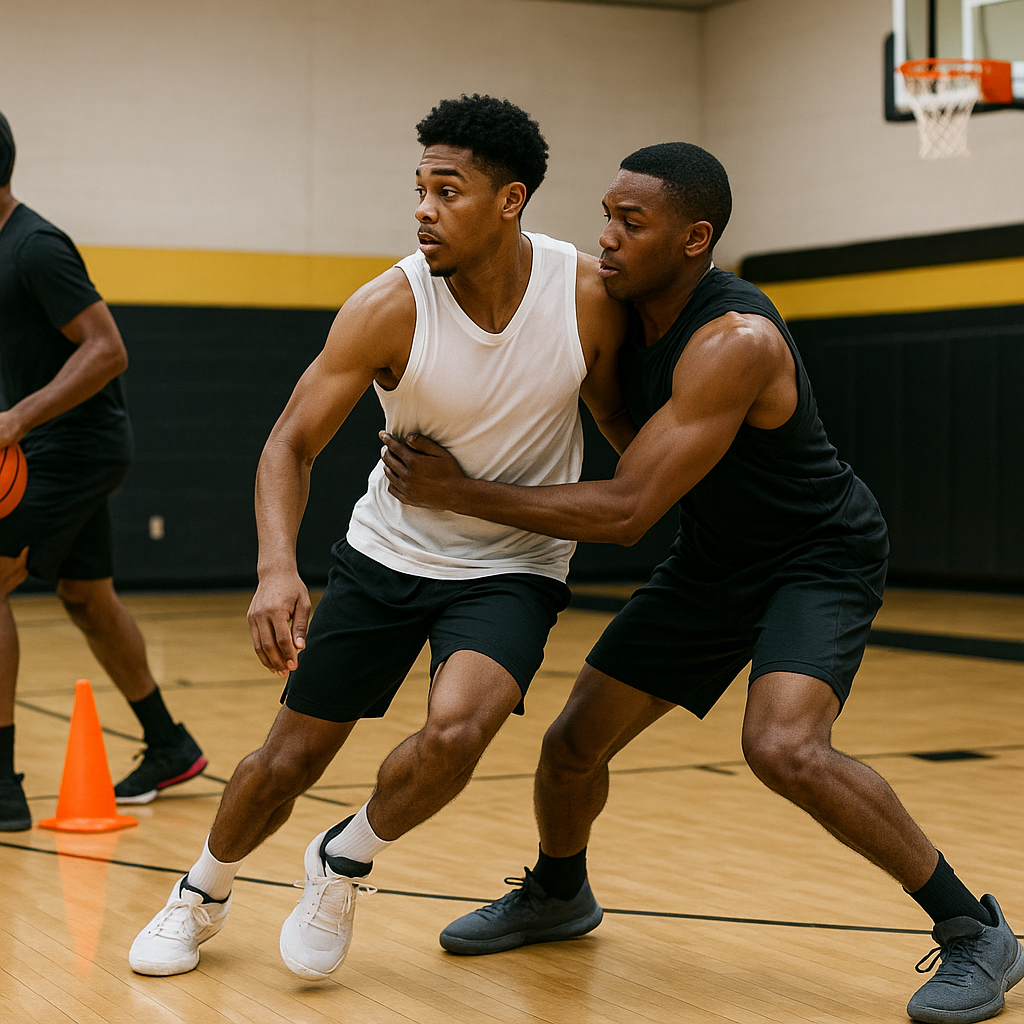
When people talk about off-ball screens, they usually start with the screener. I start with the shooting guard's feet. If your 2-guard is sprinting everywhere, the defender never has to make a decision. They just glue their chest to the cutter and trail like its a layup line. The catches that turn into open threes usually come from a small lie: jog like you're clearing out, then hit the brakes for half a beat, then go. That little pause is what lets the screen matter.
In practice, I steal five minutes before we even install the action. Put two cones on the wing and slot. Have the 2-guard start in the corner, then "float" to the wing like they're not involved. On a clap, they snap into a hard cut toward the top, but they can't run the whole thing fast. They have to change speeds once, on purpose. Now add the screener at the elbow. The screen is the same every rep. The only variable is the cutter's pace. You'll see it immediately: the rep where the guard drifts, pauses, and then goes, the defender's top foot gets lazy, their eyes flick to the ball, and the guard is on the screener's hip before the defender can squeeze through.
The coaching cue I use is simple and it sounds almost too basic: "arrive on the screen." If the guard hits the screen early, they stop and crowd it, and the defender just shoots the gap. If they hit it late, the screen becomes a random bump and the catch is still contested. When they arrive right as the screener sets their base, that shoulder-to-shoulder brush is loud, and it buys the sliver of daylight the 2-guard needs to step into a clean catch-and-shoot.
Make the screener your shooting guard's bodyguard for two steps
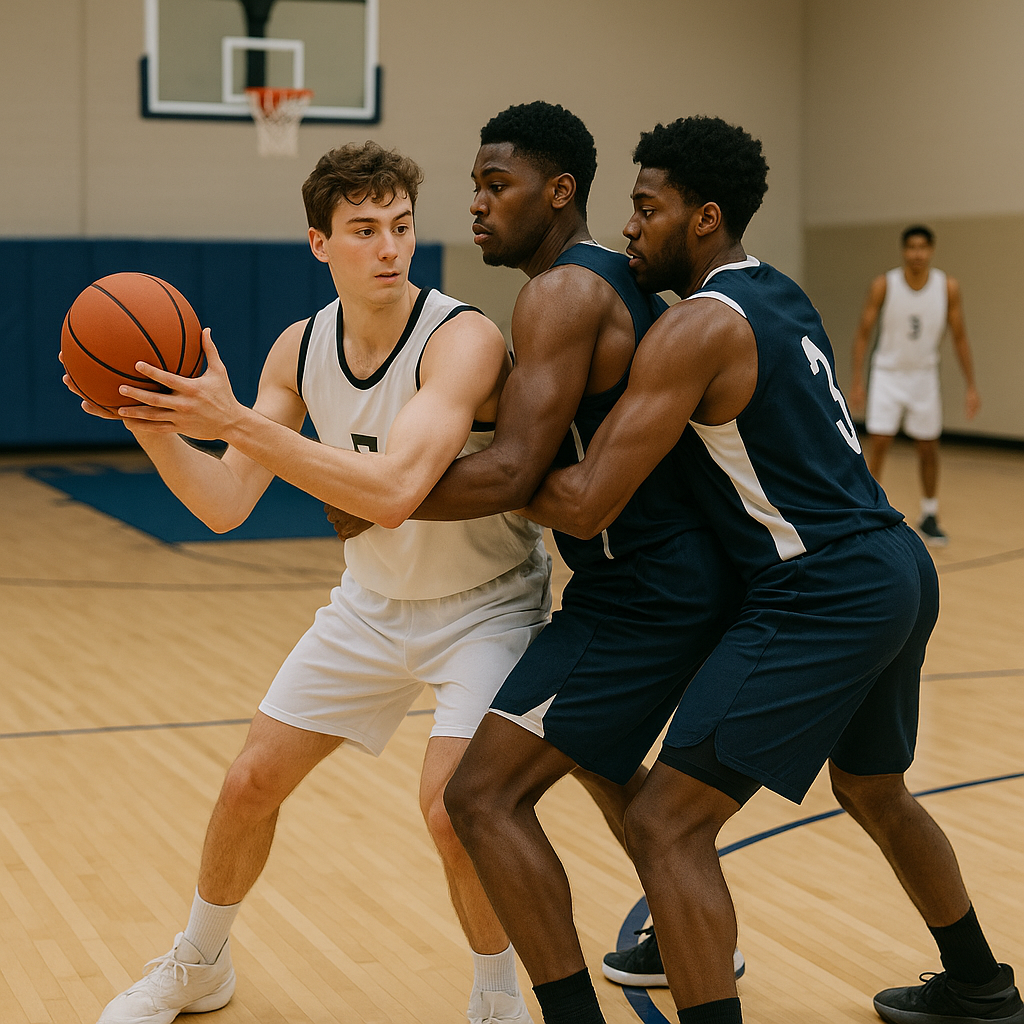
Here's the part I didn't appreciate until I started charting our guard's touches on video: a lot of good off-ball screens still produce bad shots because the 2-guard pops out sideways, catches it, and drifts away from the rim like they're trying to create space with geography. The defender loves that. They recover without fouling, and now the shooter is moving left or right on the catch, which is basically a self-inflicted degree-of-difficulty tax.
What we rep is the opposite. After the screen, the shooting guard has a job for the next two steps: stay tucked behind the screener like the screener is a bodyguard. Not forever. Just long enough that the chaser has to choose a route. If the defender tries to chase tight, they run into the screener's chest. If they go under, the guard has a window to lift and square. If they shoot the gap, the guard can back-cut. But none of that happens if the guard immediately flares wide like a wide receiver breaking to the sideline.
On the floor, I set it up with a simple pin-down on the weak side. The 2-guard starts at the block, the screener is on the mid-post, and the passer is at the top. The rule is: when you come off, your inside shoulder should almost graze the screener's outside shoulder, and your first two steps are straight up the floor, not out. Then you snap your hips and show your hands late. Late matters. Show early and the defender reads the play before the screen even hits.
When it works, it feels unfair. The pass hits the guard right at the free throw line extended, their feet are already under them, and the shot looks like pregame. When it doesn't work, you can usually freeze the clip at the catch: the guard is floating sideways, catching with their feet pointed at the sideline, and now they're taking a make it anyway three. I don't yell about makes and misses there. I just rewind and ask, "Did you stay protected for two steps?" The answer is obvious on the screen.
Stop parking your 2-guard in the corner all possession
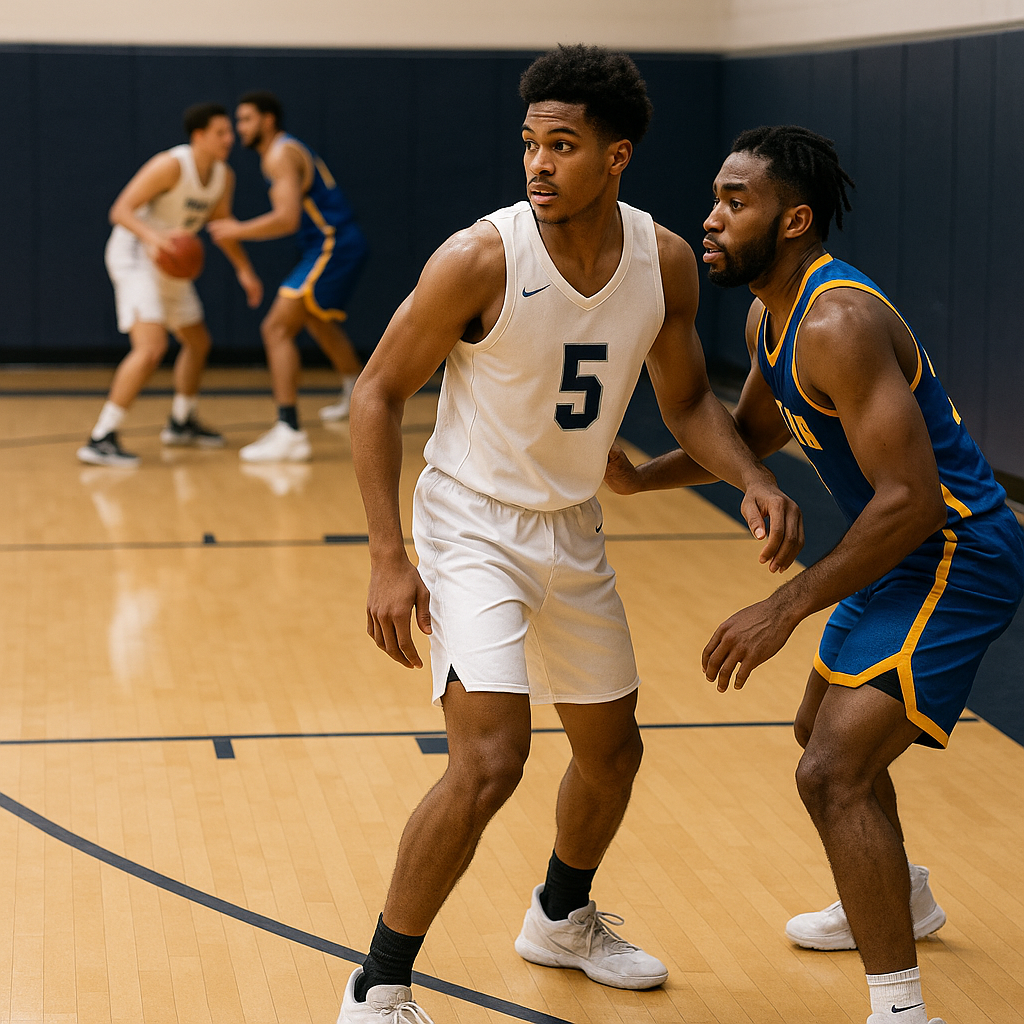
The easiest way to erase a shooting guard is to let them become furniture. Corner, corner, corner. The defender doesn't even have to guard space anymore. They just sit on the top side, point their chest at the wing, and wait for the predictable pin-down. Then we all act surprised when the shooter can't get a clean catch.
What I've seen better teams do, and what we try to copy, is treat the 2-guard like a moving target whose job is to constantly change the defense's reference point. That doesn't mean freelancing. It means giving the guard two or three addresses they can live at within the same possession so the off-ball screen has some ambiguity. If the guard starts low every time, the defender loads up early. If the guard sometimes starts at the slot, sometimes lifts from the corner, and sometimes drifts to the short corner and then climbs, the defender can't pre-cheat without giving something up.
A set we run a lot begins with the guard at the wing, not the corner. We flow into a dribble-at toward them from the point, and the guard back-cuts two steps like they're clearing. Nothing heroic. Then they plant and come back out into a staggered screen look. The important thing is the defender just had to honor the cut, even if it didn't get the ball. Now, when the first screener arrives, the defender's eyes are split and their feet aren't already in deny mode.
One tiny detail that makes this work for a shooting guard: I want them to hide behind other bodies before the screen shows up. Slide behind the 4's shoulder. Duck in behind the 5 as they walk up to the elbow. If you can make your defender take even one step around another jersey, the timing of the screen doesn't have to be perfect. The passer's read gets cleaner, too, because the defender isn't sitting in the passing lane with a hand out like a traffic cop.
This is also why teams are leaning harder into off-ball screening in general. The ball doesn't have to stick. Your best shooter doesn't have to win an isolation just to touch it. You can move them through traffic, force the defense to communicate, and let the 2-guard do what they're supposed to do: catch on balance and let it go.