
Use one wristband call sheet and a simple motion menu to force linebackers to declare: bump, spin, or just bluff.
Use motion to make the second level move first
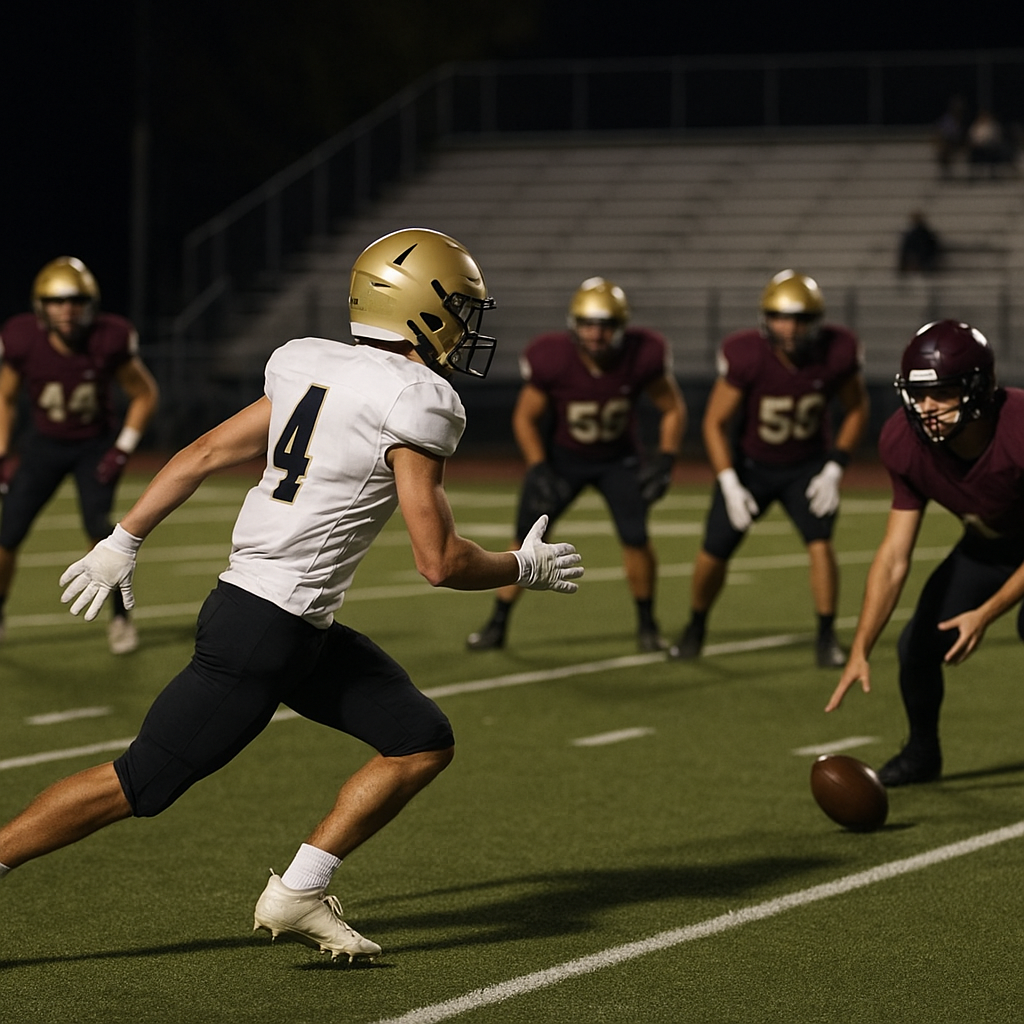
I coach this like a little dare to the defense: show me your linebackers' rules before I spend a snap guessing. The easiest way I've found is to attach your motions to something you already do every series, like wristband calls or a short signal menu, so the quarterback isn't improvising. We keep three motions that look identical in tempo: a fast jet across the formation, a short return (two steps like you're going jet, then back to your original spot), and an orbit behind the quarterback. Same kid, same start point, same speed. The only thing that changes is where he ends up at the snap.
Now watch the second level. If the linebackers bump as soon as the motion starts, that's usually zone spacing rules or a planned fit adjustment. If they hold until the motion is almost set, then you get a late rock-and-roll shift and safeties are probably driving it. When a defense is in man, you often get the telltale jog: one linebacker or nickel carries the motion with shoulders turned, and the rest don't change their depth. The part that matters is not the motion itself, it's the timing. Early bump feels coached and calm. Late bump feels like someone got the call in their helmet and is trying to fix it without panicking.
On Friday nights, I want our QB to say one sentence in his head: "Did the linebackers move on motion, or on the set?" If it's on motion, we can steal a run fit with a quick snap on the return, because those backers have already vacated a gap. If it's on the set, I like tagging a glance or speed out away from the direction they rocked, because that late shift usually pulls an underneath defender out of his landmark for a beat. It's not magic. It's just forcing the second level to show its hand while the ball is still on the ground.
The three snapshots I want the QB to store
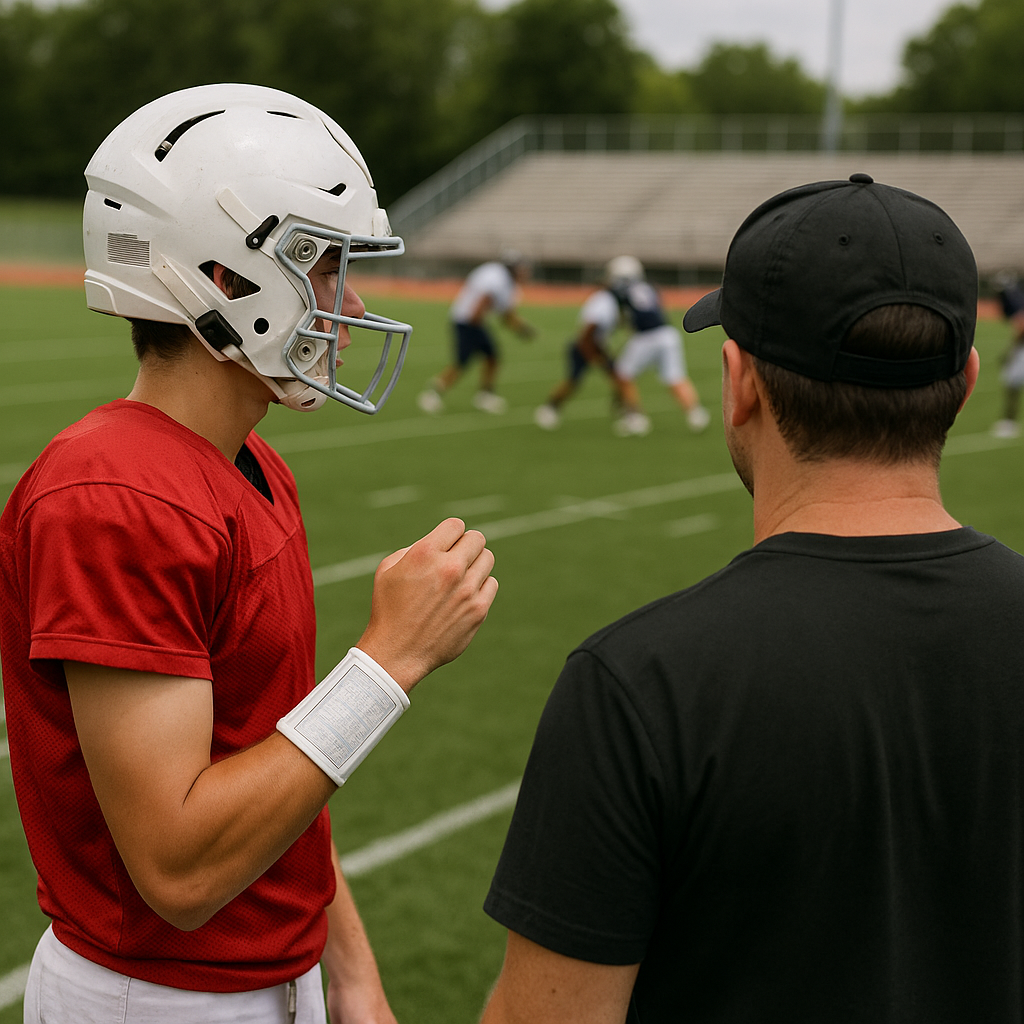
I don't ask a high school quarterback to diagnose the whole coverage family in real time. I ask him to collect three snapshots that all revolve around the linebackers' alignment and how it changes. That's it. We do it on film first, then I stand behind him at practice and literally say, "Freeze it" as the motion starts.
Snapshot 1: Pre-motion. Where are the linebackers relative to the box and the apex? I want a simple label: "stacked" (inside shoulder of the tackle), walked (outside the box, flirting with the slot), or tilted (one is cheating depth like he's about to run). If you can't label it in two words, it's too complicated for the sideline.
Snapshot 2: During motion. Does anyone's feet change? I'm not even watching the head or hands. Feet tell the truth. If a linebacker opens his hips and starts to run with the motion, that's a different world than a linebacker who shuffles laterally while staying square. The shuffle usually means he's relating to zones or run fits. The run usually means he has a person, or he's the spill player and he's chasing leverage.
Snapshot 3: Set and call. Right when the motion man gets set, do the linebackers reset their depth? This is where you catch the we were bluffing defenses. They'll show a wide nickel look, then at the set the linebackers pop back into the box like somebody just remembered there's a run game. When that happens, I love having a built-in cadence change. You don't need a hard count circus. Just one word that tells the center and QB to snap it on first sound if the backers are still mid-adjustment.
Those three snapshots don't win the play by themselves. They make your first decision less blind, and they give you something repeatable to talk about on the tablet between series.
When linebackers shift late, steal the tempo
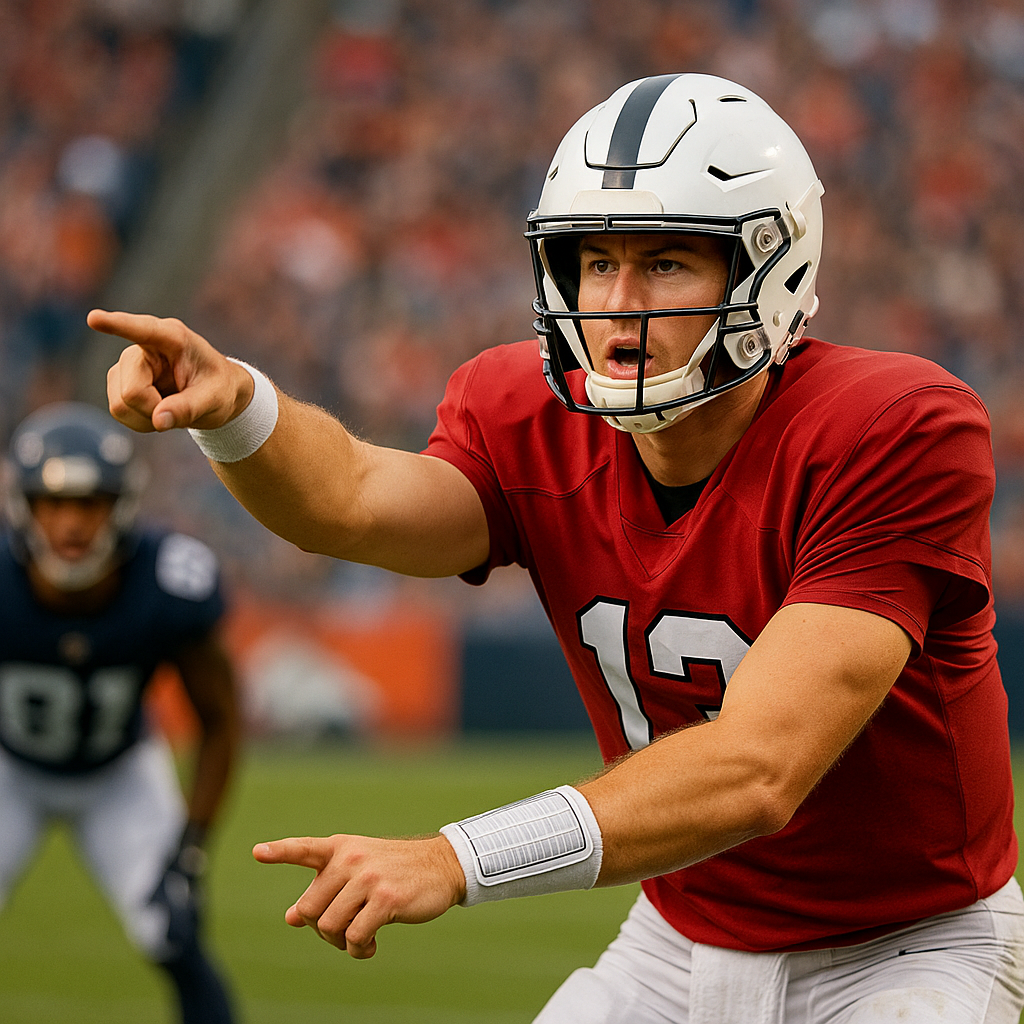
The most useful linebacker shift isn't the obvious one where the whole defense slides like a clinic tape. It's the late, slightly messy one where the Mike points, the Will is half a step behind, and the nickel is staring at the sideline for the call. That's the moment I want to attack, and not always with some genius play. A lot of the time, the best answer is just tempo plus a boring concept you can run in your sleep.
Here's how it looks in my notes: if motion triggers a late second-level rock, we have two answers ready without a huddle discussion. One is a quick snap run that hits where the linebacker just left. Think inside zone or duo, but the point isn't the scheme name. The point is that linebackers shifting late will often be light on their first step because they're still getting lined up, and that first step is where your double teams either get movement or they don't. If my guard tells me after the series that the backer was still sliding when the ball snapped, I know we stole a rep.
The other answer is the simplest perimeter throw you trust your QB to complete in a noisy stadium. I like a fast out or hitch to the motion side when the linebackers bump away, because you often get that little void where an underneath defender is relocating and the corner is still playing outside leverage. You don't need a pump fake. Catch, plant, throw. If the receiver has to do ballet on the sideline, it's the wrong call for this moment.
The only warning I'll put on this: don't turn it into a constant gotcha game where you're snapping the ball with people not set. You'll get a flag and you'll deserve it. The goal is to practice being ready for that late linebacker shift so you can play fast the one or two times a quarter the defense hands you a slow adjustment. Those are the free ones, and they don't stay free for long.