We Ranked the Worst Pro Bowl Quarterbacks Ever, and the List Is Controversial
Pro Bowl selections have never been based only on who played best over a full season. Fan voting, injury replacements, and playoff timing have all shaped final rosters for decades. Looking back, using modern stats makes these quarterback selections feel unusually bad compared to league standards at the time.
Mac Jones
Credit: Instagram
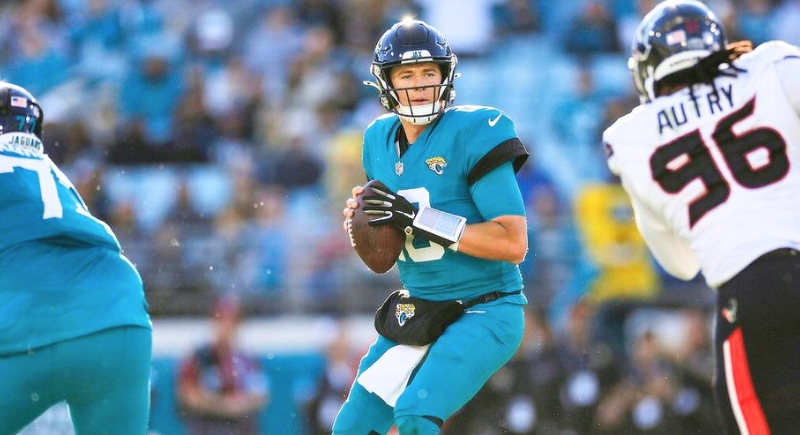
New England built its 2021 offense around quick reads, strong defense, and field position, which helped reduce pressure on a rookie starter. Mac Jones threw for 3,801 yards with 22 touchdowns while helping the Patriots reach the playoffs. He was selected to the Pro Bowl that season, though his production ranked near league average compared to other quarterbacks. Later performance declines have since reshaped how that year is viewed.
Shedeur Sanders
Credit: Instagram
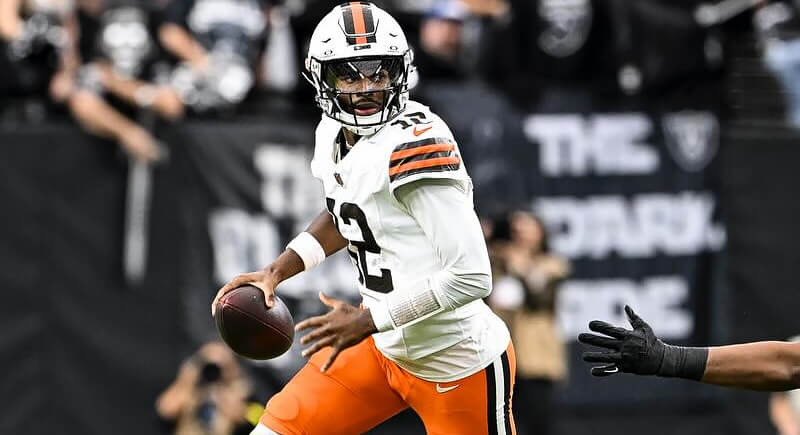
By the time Pro Bowl alternates were finalized in 2025, Cleveland had rotated quarterbacks multiple times while fighting to stay competitive late in the schedule. Shedeur Sanders was selected as a Pro Bowl alternate despite starting only eight games, finishing with seven touchdown passes and ten interceptions. That small sample size and limited production made the selection one of the more debated choices on the roster.
Mitch Trubisky
Credit: Instagram
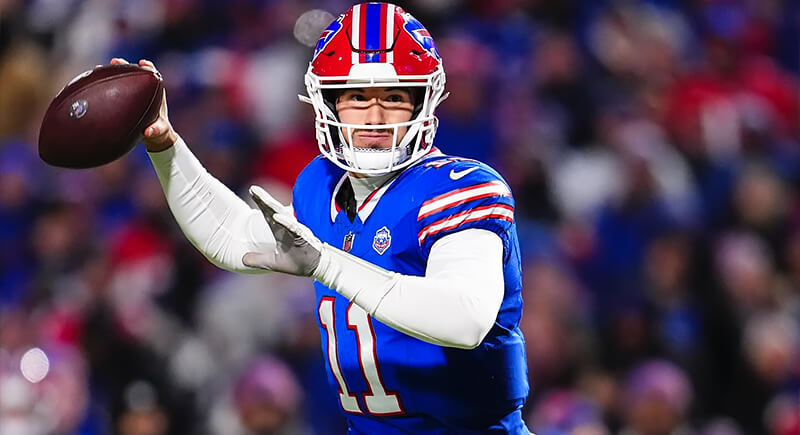
Chicago’s 2018 defense frequently handed the offense short fields after turnovers, so many drives began in scoring position. That season, Mitch Trubisky threw 24 touchdowns and added rushing production that helped extend possessions. He was selected to the Pro Bowl, but several quarterbacks posted stronger passing numbers that year.
Vince Young
Credit: Wikimedia Commons
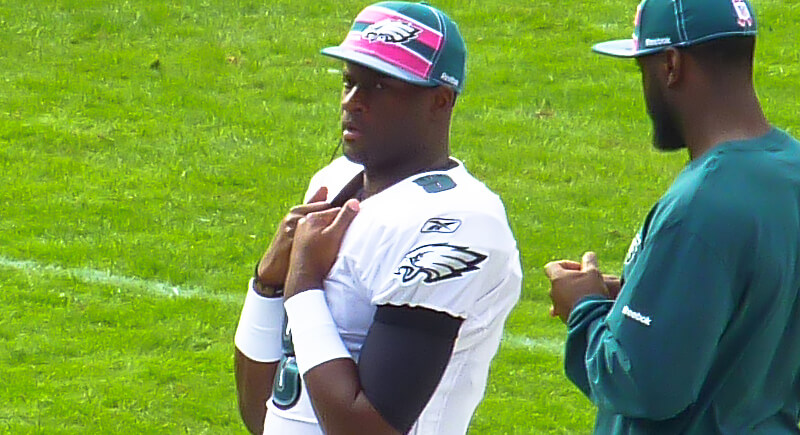
If you watched Tennessee in 2009, the offense clearly ran through the ground game, especially once the team got close to the end zone. Vince Young started most of the season but finished with only 10 touchdown passes. He helped win games with mobility and late drives, though his passing numbers stayed low for Pro Bowl quarterbacks.
Kerry Collins
Credit: Wikimedia Commons
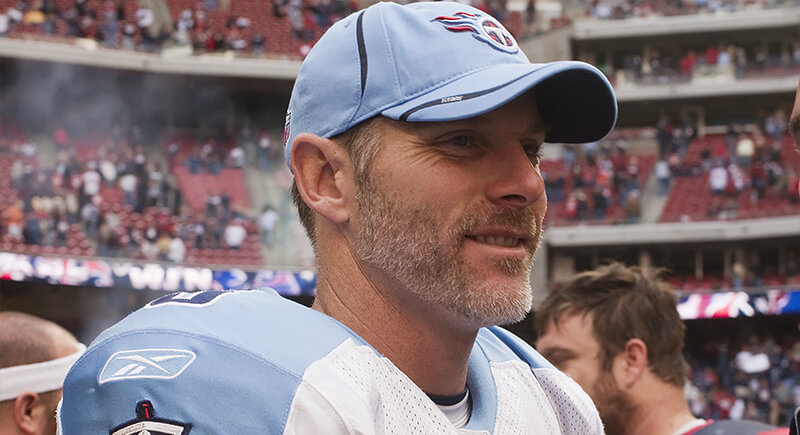
Carolina became one of the league’s biggest surprise stories in 1996. That playoff run put the roster under a national spotlight fast, as Kerry Collins threw 14 touchdowns and finished with a passer rating under 80. Quarterback stats across the league were higher, but team momentum and visibility carried serious weight in recognition voting back then.
David Garrard
Credit: ebay
Jacksonville’s 2009 offense rarely chased shootouts. Most wins came from field position battles, long drives, and avoiding turnovers. The passing game focused on timing routes and safe intermediate throws. That season finished with roughly 3,600 passing yards and 15 touchdowns for David Garrard, numbers that sat below most quarterbacks selected that year.
Pat Haden
Credit: ebay
Haden’s 11 touchdown passes across 12 games were enough to draw league attention during the 1977 season, especially for a playoff team. Passing volume across the NFL was lower then, but top quarterbacks still separated statistically. Pat Haden operated inside a run-first offense that prioritized defense, possession time, and conservative play calling in close games.
Gus Frerotte
Credit: ebay
Washington moved the ball well between the 20-yard lines in 1996, but goal-line play calling leaned heavily toward power rushing packages. That approach cut into passing touchdown totals across multiple games. More than 3,400 passing yards came through steady weekly production, even though scoring often finished on the ground for Gus Frerotte.
Tyler Huntley
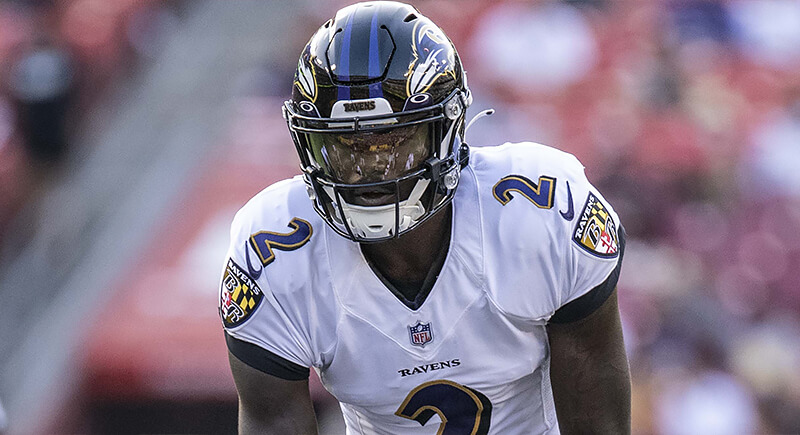
Credit: Wikimedia Commons
Baltimore’s late-season offense in 2022 was defined by limited passing production. Injuries forced constant adjustments to protection schemes and receiver rotations. Tyler Huntley appeared in a small sample of starts, finishing with 658 passing yards, two touchdowns, and three interceptions while much of the offense shifted toward designed quarterback rushing.
Mike Boryla
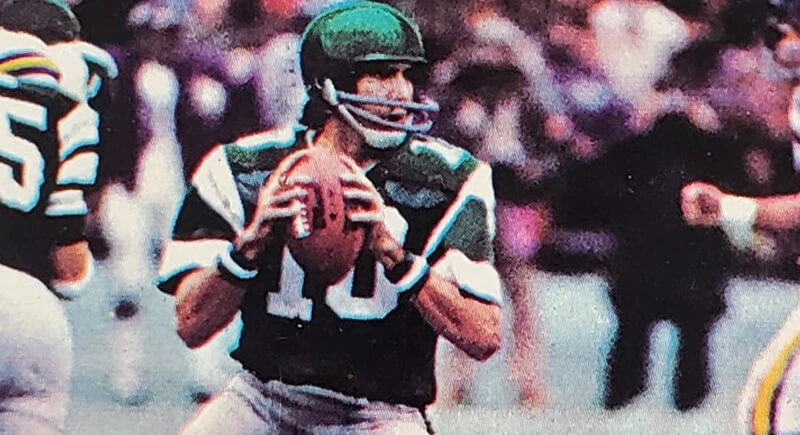
Credit: ebay
Mike Boryla ranks as the worst Pro Bowl quarterback selection ever based on production and team results. In 1975, he played seven games, throwing six touchdowns against 12 interceptions. Philadelphia finished with a losing record that season. Even with era context, his efficiency ranked near the bottom of starting quarterbacks.