The Worst Golf Advice Amateurs Receive According to Top Teachers
Most golf advice is passed down the same way old swing myths survive, through repetition on the range, in carts, and during long waits on the tee. Top instructors hear this stuff constantly, and the consensus is clear. The worst advice usually sounds simple, confident, and familiar. That’s why it sticks. Below are the most common offenders.
Keep Your Head Down
Credit: pixabay
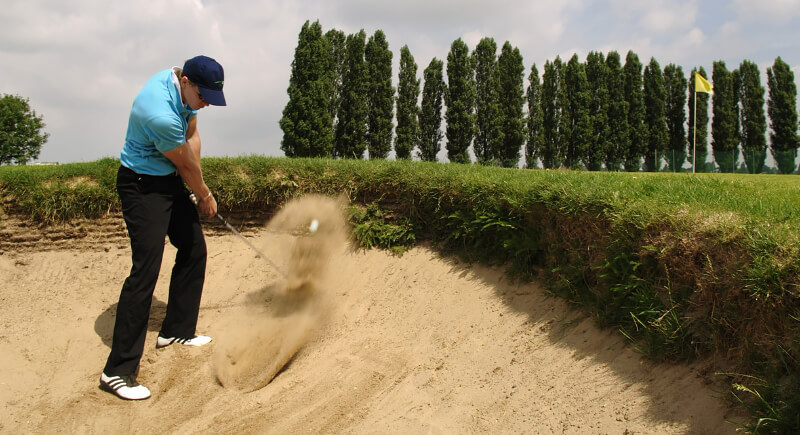
This is the runaway favorite for worst advice, according to instructors at elite teaching summits. Coaches like Jason Baile and Cathy Kim hear it daily. The problem is mechanical. Forcing the head to stay down limits natural rotation, slows the swing through impact, and encourages an all-arms motion.The head moves slightly as the body rotates, and attempting to freeze it often results in worse contact and lower speed.
You’re Coming Over The Top

Credit: Getty Images
This phrase is often used loosely, but most amateurs have no idea what it actually means. Golfers are rarely informed about what they are swinging over or how it affects their ball flight. Without context, players start making random changes that often introduce new problems. Swing path issues can only be fixed after identifying grip, setup, and sequencing.
Grip It Like A Baby Bird

Credit: Getty Images
Grip pressure varies during the swing, and elite players do not hold the club at one constant tension. Teaching beginner players to grip extremely lightly often leads to loss of face control, especially at higher swing speeds. Many slicers actually benefit from firmer grip pressure through impact.
Swing Slow

Credit: Getty Images
Slowing down rarely fixes poor mechanics. Speed problems come from sequencing issues, not effort. Telling a player to swing slowly usually reduces athletic motion and disrupts timing. Smoother swings still generate speed when the body moves in the correct order, which slow-motion advice does not address.
Hit Down On It
Credit: Getty Images
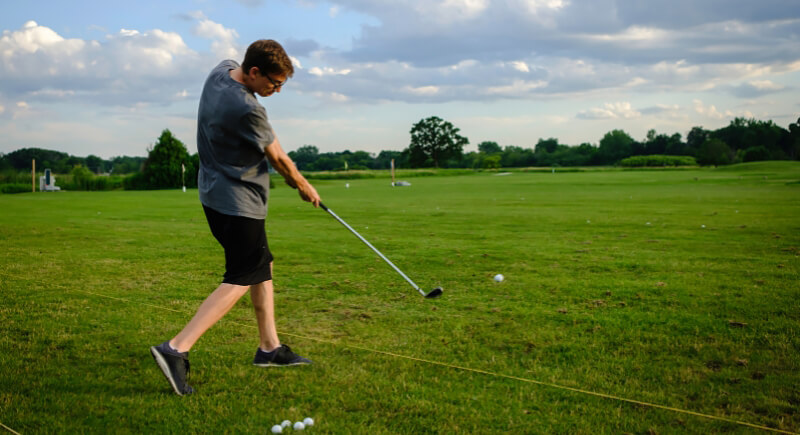
Downward contact happens because of proper weight shift and low-point control, not because the golfer consciously tries to chop down. Players who force a downward hit often steepen the swing and lose distance. Coaches prefer teaching where the club bottoms out instead of how aggressively it strikes the turf.
Take An Extra Club
Credit: Canva
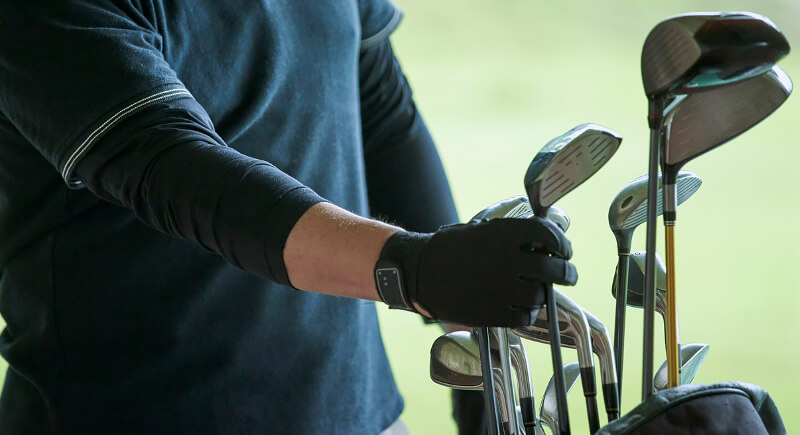
“Take one more club” is common advice, but it can turn into a habit instead of a decision. Many amateurs do leave shots short, which is why instructors say it so often. Still, golfers who know their true carry distances can just as easily miss long, especially on firm greens. Club selection should reflect how you’ve been striking the ball, the wind, and where the pin is placed, rather than following a one-size-fits-all rule.
Never Go To The Range

Credit: Canva
Coaches strongly disagree when this advice is treated as a universal truth. On-course play limits repetition, especially with drivers and long irons. Purposeful range sessions under 60 balls allow players to isolate mechanics and test feels. Mindless ball beating is the real problem, not the range itself.
Short Game Fixes Everything

Credit: Canva
Short game matters, but poor driving and iron play lead to too many recovery shots to score well. Golfers who struggle off the tee rarely lower scores by chipping alone. Coaches often prioritize getting the ball in play before polishing touch shots around the green.
Keep Your Left Arm Straight

Credit: Getty Images
The lead arm should be naturally extended rather than locked. Forcing it straight can stress the elbow and disconnect the shoulders. You’ll notice elite players allow a slight bend while maintaining structure through rotation.
One Swing Thought Works For Everyone

Credit: pexels
Golfers move differently and bring different habits, limits, and athletic backgrounds to the swing. A feel that straightens one player’s slice can easily make another player’s hook worse. That’s why instructors emphasize advice that fits the situation and the individual, using real feedback and results rather than catchphrases picked up on the range.