10 World Cup Host City Stadiums and Their Condition Now
World Cup stadiums feature flags, fireworks, packed seats, and a sense of permanence. Years later, some of those same venues become demolition sites, empty shells, costly landmarks, or oversized arenas searching for a daily purpose. These places all carried football’s biggest event, then moved into a very different chapter of being torn down, stripped of regular crowds, or rebuilt out of existence.
Pontiac Silverdome, United States
Credit: Wikimedia Commons
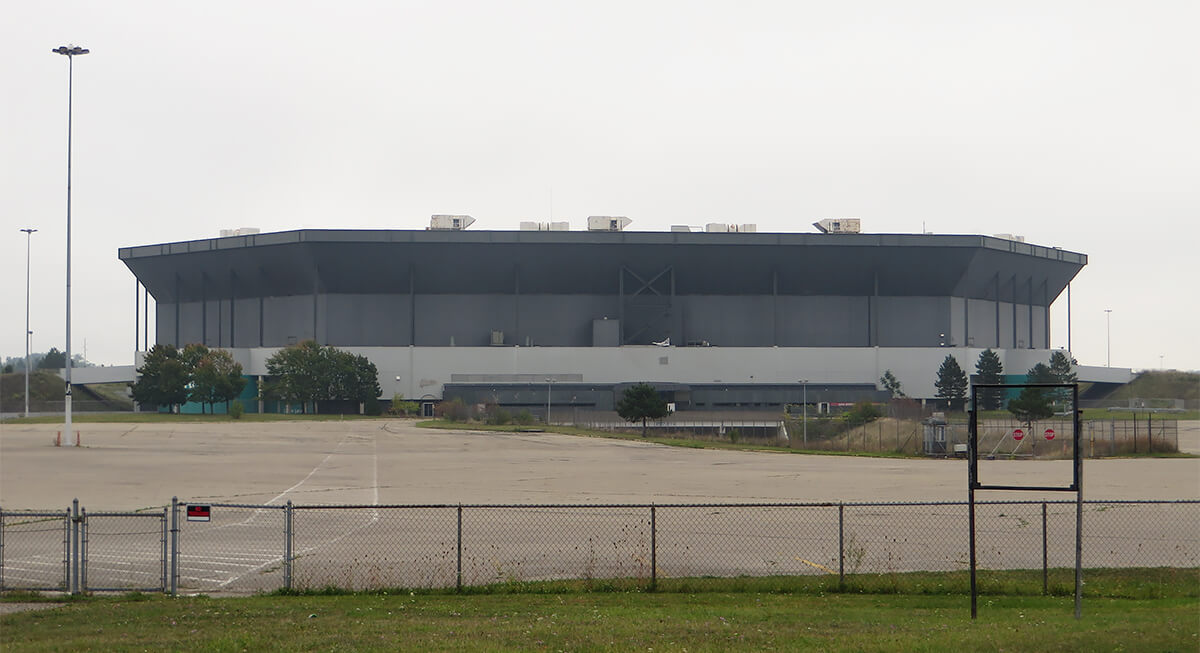
The Pontiac Silverdome entered World Cup history in 1994 as the first indoor venue to host a men’s World Cup match. Its later years were far less glamorous. After the Detroit Lions moved to Ford Field, the Michigan dome struggled to find a role equal to its size. It was then neglected. The roof suffered major damage, and the building became one of America’s best-known sports ruins. Demolition began in 2017.
RFK Stadium, United States
Credit: Wikimedia Commons
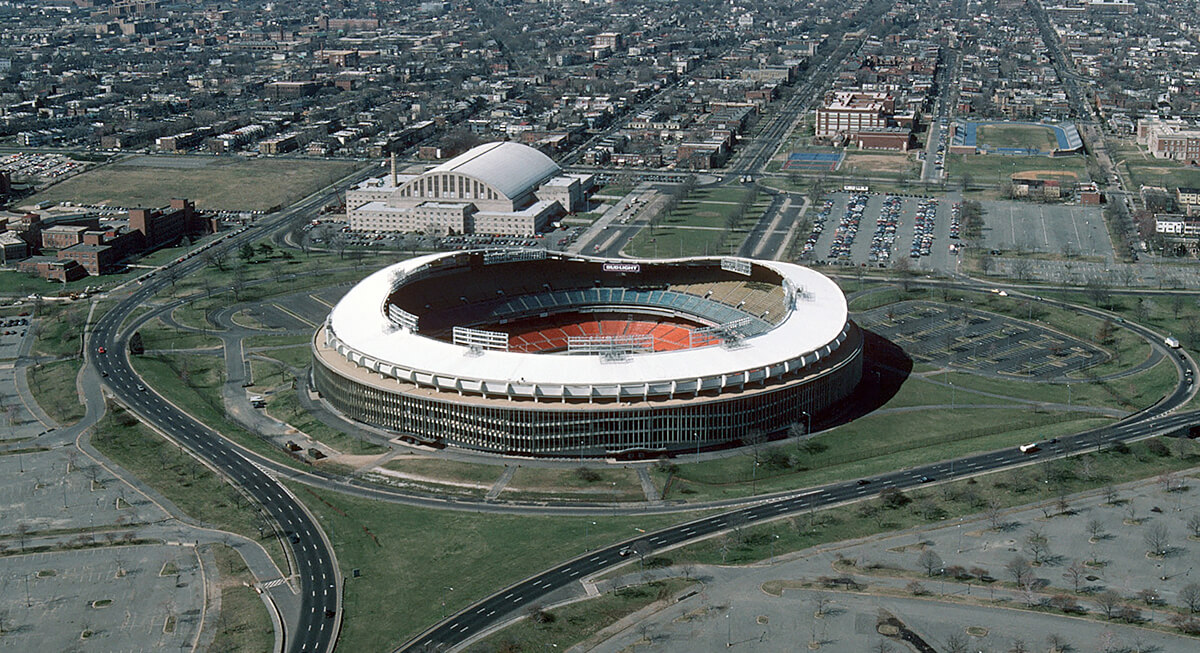
Washington’s RFK Stadium carried a résumé packed with World Cup football, NFL games, baseball, college sports, and Major League Soccer. It hosted matches during the 1994 World Cup, then spent the later years losing the teams and events that kept it active. The building closed in 2019 as maintenance costs became harder to defend. In 2025, the site began preparing for a new stadium project tied to the Washington Commanders.
Giants Stadium, United States
Credit: Wikimedia Commons
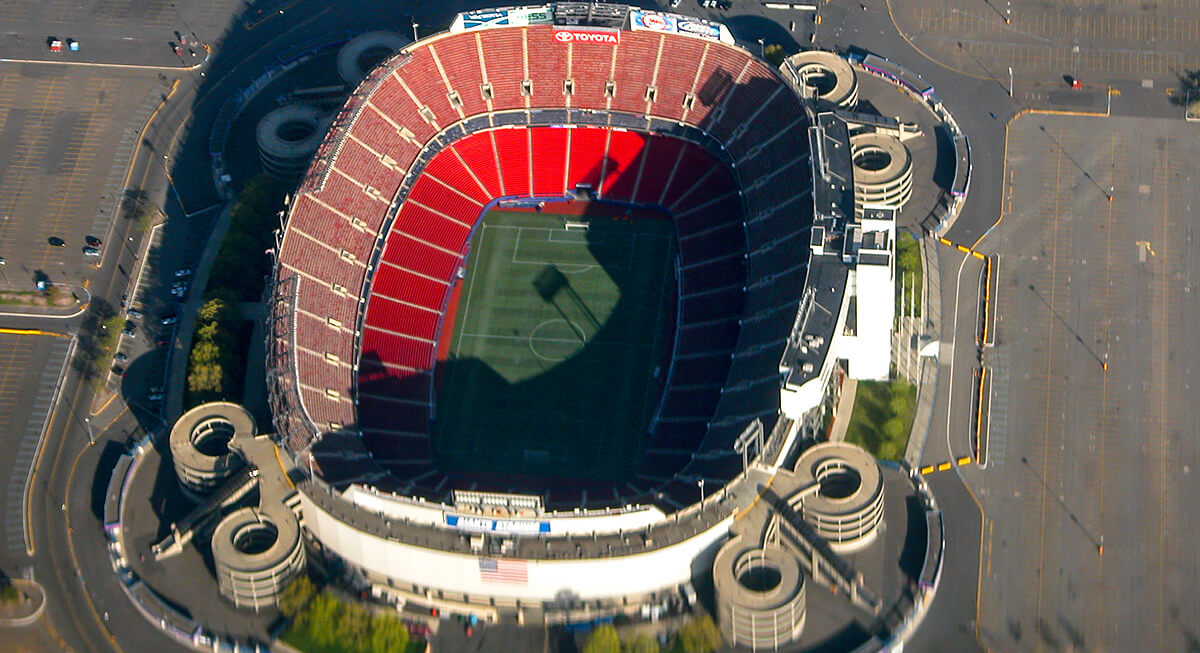
The 1994 World Cup had a major East Coast stage. Giants Stadium hosted seven matches, including Ireland’s famous win over Italy. New Jersey entered a tournament usually linked with older football nations. Unfortunately, it got a replacement. MetLife Stadium rose beside it, and the Meadowlands no longer needed two giant venues serving the same sports market.
Foxboro Stadium, United States
Credit: Wikipedia
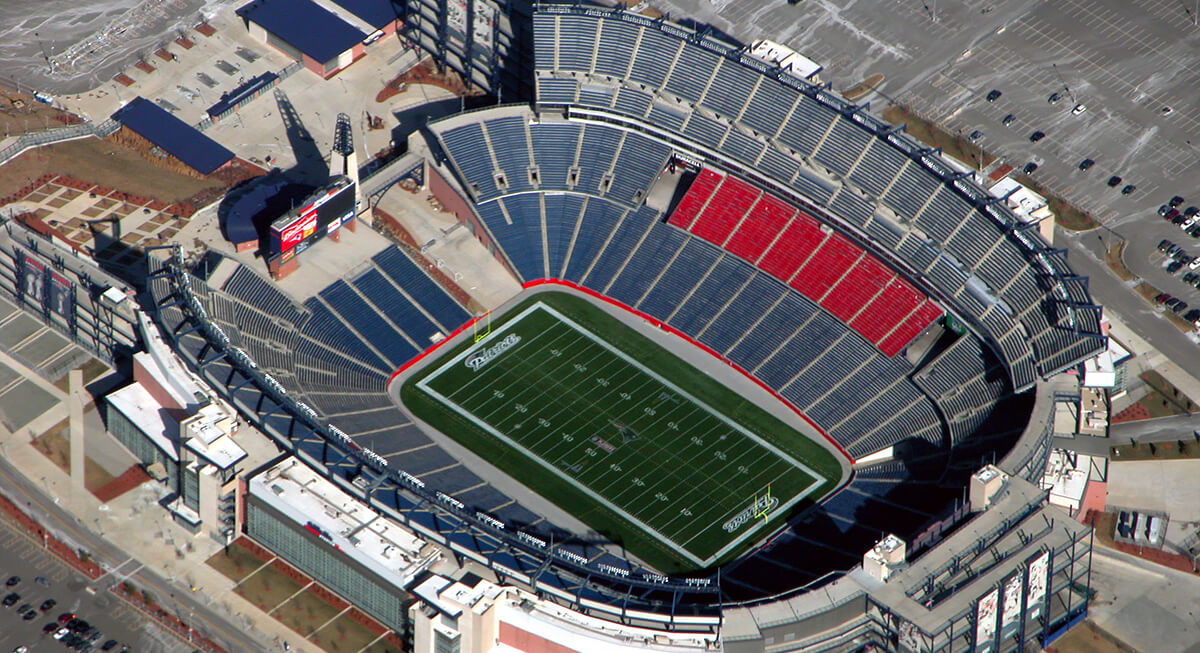
Diego Maradona scored his last World Cup goal at Foxboro Stadium against Greece. The venue recorded one of the most memorable footnotes of the 1994 World Cup. Teams played six tournament matches here. The stadium also served as home to the New England Patriots and New England Revolution. It closed in January 2002, soon after Gillette Stadium opened nearby. The site later joined a larger sports and retail district.
Old Wembley Stadium, England
Credit: Wikimedia Commons
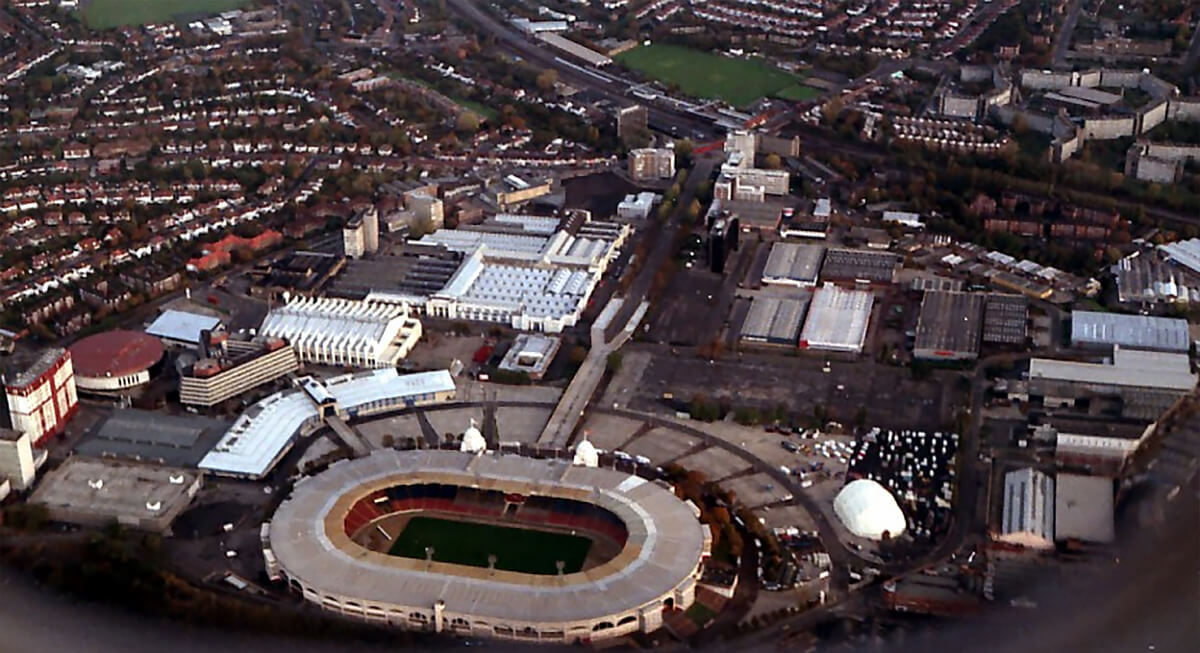
This was one of football’s sacred grounds and belongs in a separate category from the usual white-elephant disasters. Old Wembley was home to the 1966 World Cup final and the Twin Towers that became part of England’s sporting image. England’s game against Germany in 2000 marked the end of this stadium. Demolition followed in 2002 and 2003.
Estadi De Sarrià, Spain
Credit: Wikipedia
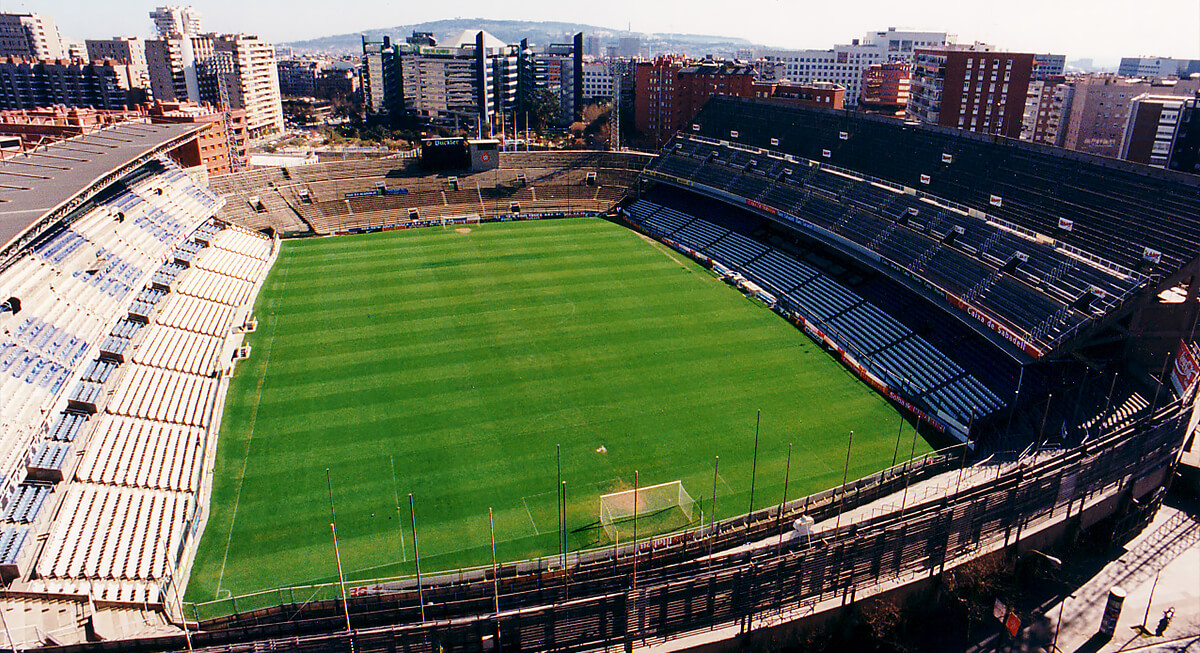
Barcelona’s Estadi de Sarrià had a World Cup resume that still carries weight among football fans. In 1982, it hosted the second-round group remembered for Italy’s 3-2 classic against Brazil. Sarrià also served Espanyol for decades. It gave the ground a strong club identity beyond tournament history. Sarrià was neither oversized nor unloved. Espanyol’s financial problems forced the sale of the land.
Vicente Calderón Stadium, Spain
Credit: Wikipedia
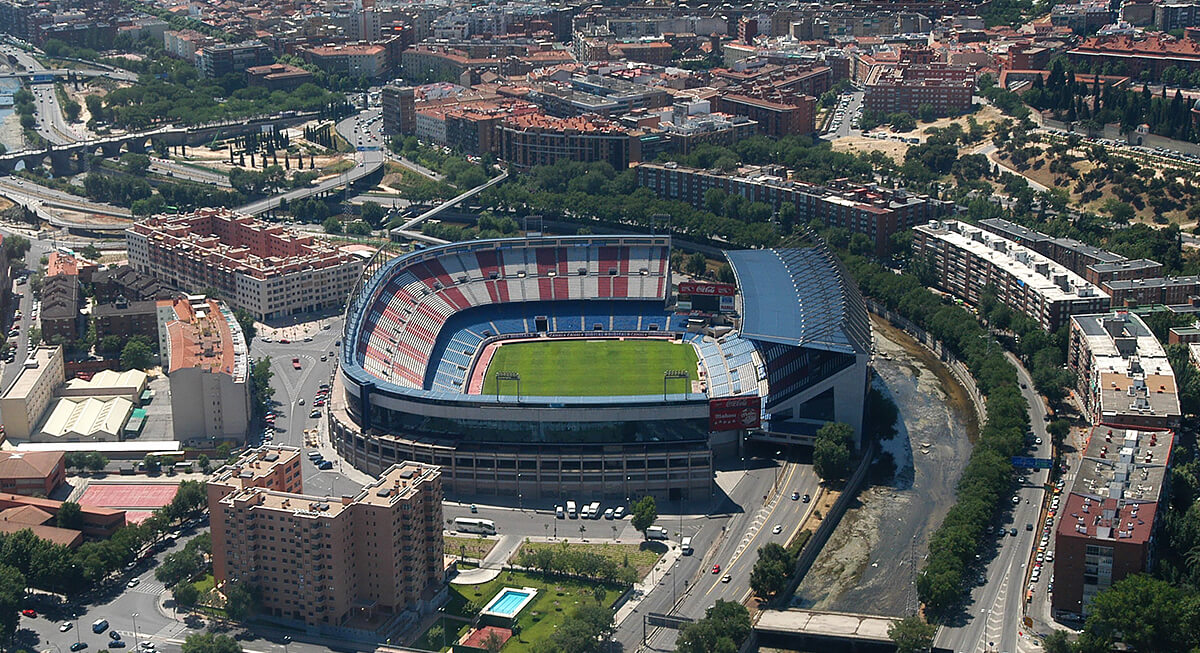
Madrid’s Vicente Calderón had a setting few stadiums could match, with the Manzanares River nearby and the M-30 road running beneath one stand. It hosted matches during the 1982 World Cup, then spent decades tied to Atlético Madrid’s identity. The club’s 2017 move to the Metropolitano marked the end of that era. It gave way to public and commercial development in its place.
Stadium 974, Qatar
Credit: Wikipedia
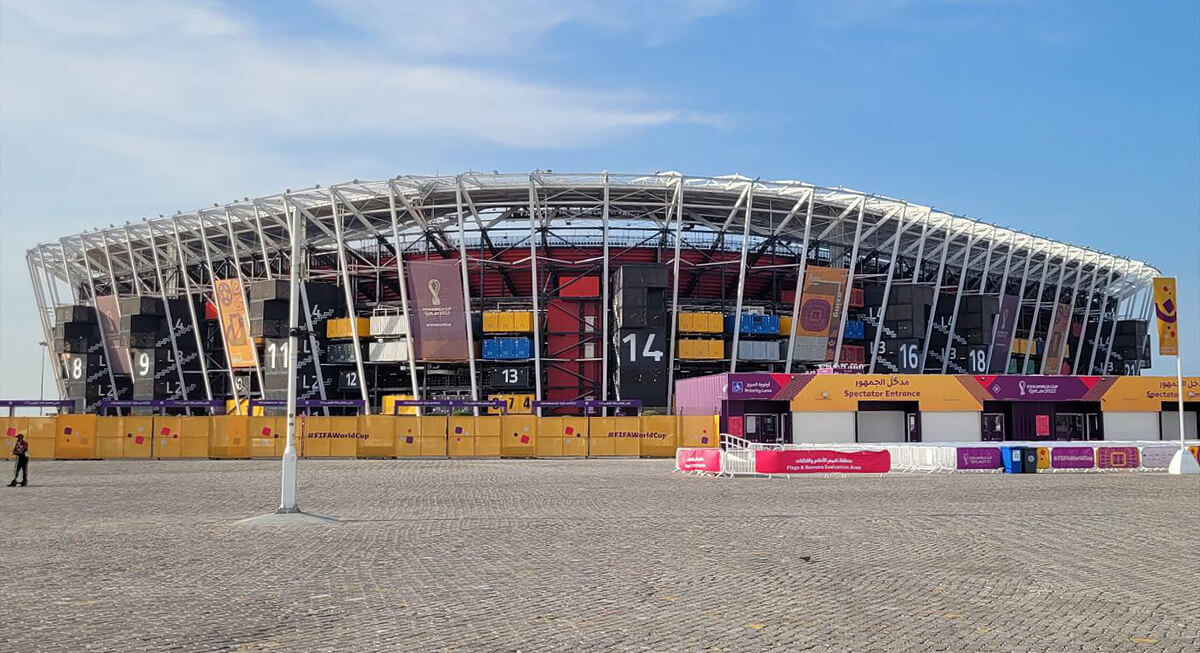
The Doha venue hosted matches during the 2022 World Cup and used a modular design made with shipping containers and reusable parts. It wasn’t actually built to be permanent. Tournament organizers presented it as an answer to the white-elephant problem, since the structure could be dismantled and used elsewhere. Its afterlife became more complicated when the stadium remained standing beyond the tournament and later hosted additional football.
Arena Da Amazônia, Brazil
Credit: Wikimedia Commons
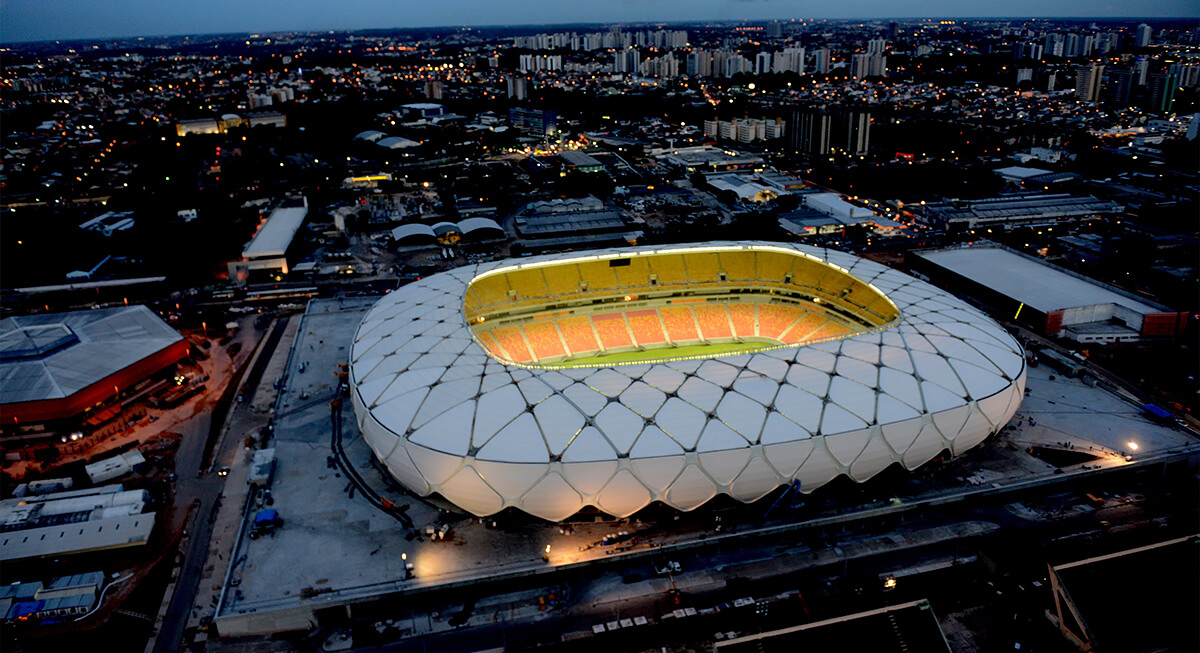
Manaus gave the 2014 World Cup one of its most debated venues. Arena da Amazônia looked striking, but the basic numbers were awkward from the start. The city is deep in the Amazon, far from Brazil’s biggest football centers, and local clubs lacked the fan base to fill a stadium of more than 40,000 seats week after week. The arena has hosted occasional matches and events, but its problem is scale. The World Cup needed spectacle, and Manaus inherited a venue much larger than regular local demand.
Cape Town Stadium, South Africa
Credit: Wikipedia
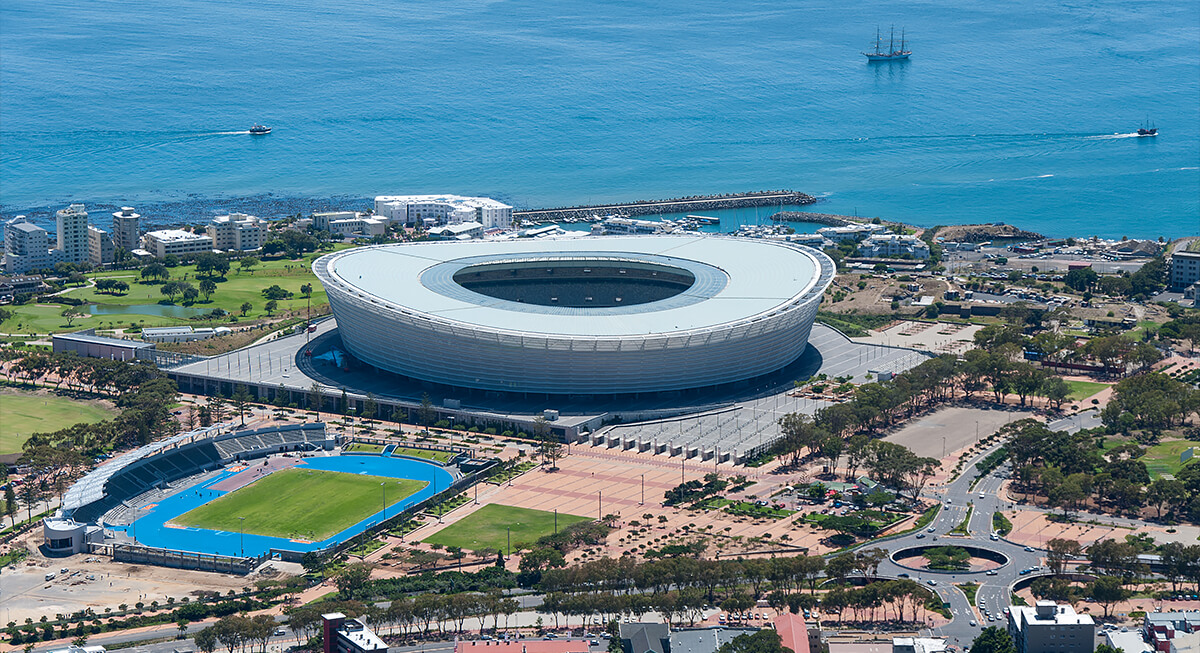
Built for the 2010 World Cup, Cape Town Stadium replaced a cheaper plan to renovate an existing local venue closer to the city’s football base. After the tournament, the waterfront stadium struggled to generate enough regular income, and there were reports of major annual losses. The building still hosts events but carries a complicated legacy.