
Three pressure-proof pace levers I give point guards: the 2-1 voice call, the dribble-gate, and the 8-second paint touch.
The 2-1 voice call that keeps five people on the same clock
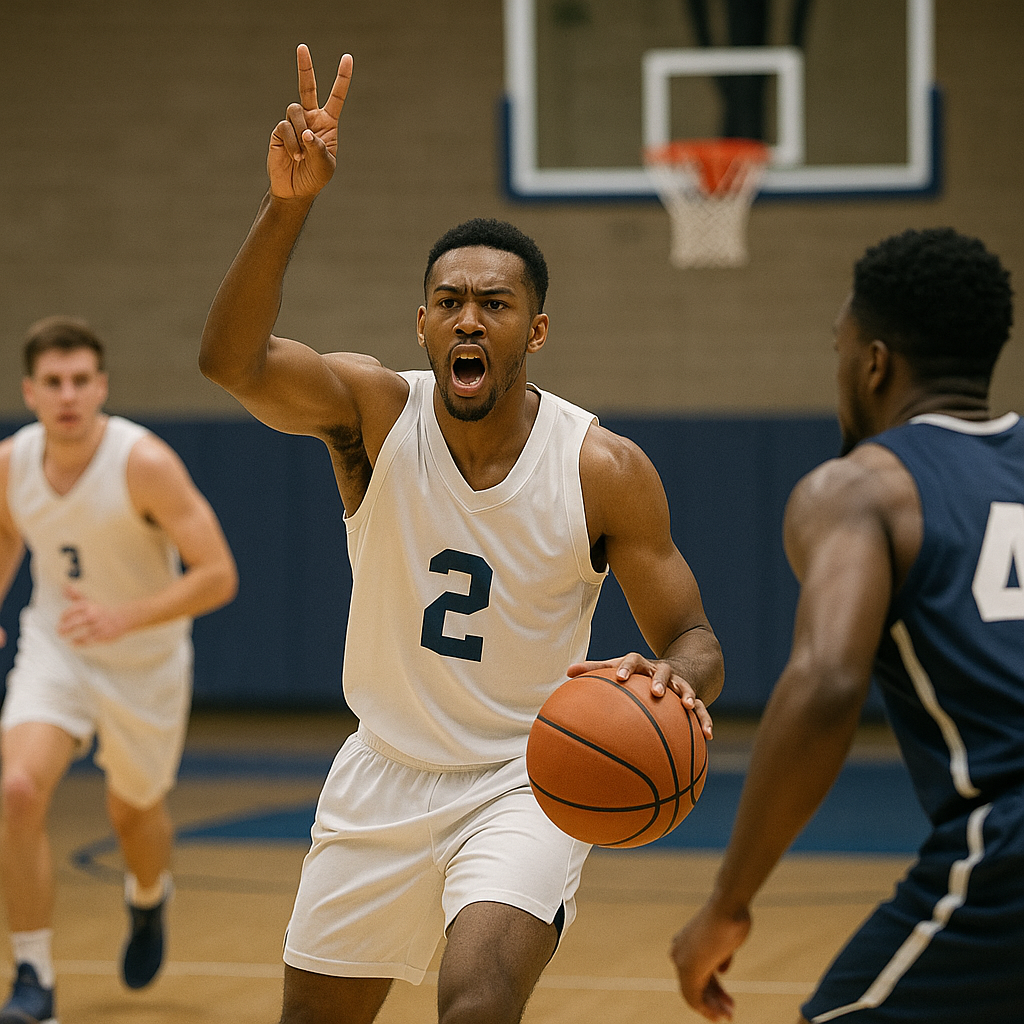
I started using a dumb little verbal rule after watching my own team implode the same way every close game: we got a stop, everyone felt the adrenaline, and suddenly our next possession looked like a drill we were late for. The point guard would push because it felt productive, wings would sprint to corners because they were trying to help, and we were into a contested early-clock pull-up before our big even crossed half. That is pace control under pressure in the most annoying form. You think you're attacking, but you're really donating a shot.
The fix that stuck for us wasn't a new play. It was a shared clock. I teach the lead guard a two-part voice call that happens the instant we secure the ball: the "2" is for our first two actions (get it advanced safely, get it to the right side), and the "1" is for our one non-negotiable trigger (what has to happen before anybody hunts a shot). Example: "Two, one: advance, settle, paint." Translation: we can run, but nobody is shooting until we touch the paint with a dribble or pass. The words don't matter as much as the rhythm: short, loud, and the same every time so teammates don't have to decode it.
What I like is how it creates scoring chances without asking the guard to be the scorer. A wing who was about to jack a transition three now knows the possession isn't over if he doesn't shoot. He can sprint to space, get a catch, and immediately swing it, because the group is waiting for that paint touch to collapse help. Bigs love it too. They stop sprinting like they're in a 100-meter dash and start arriving on balance to screen or duck-in. The point guard's job becomes traffic control: hold the tempo steady, then release it on purpose.
Dribble-gate: one rule for crossing half so you don't gift momentum
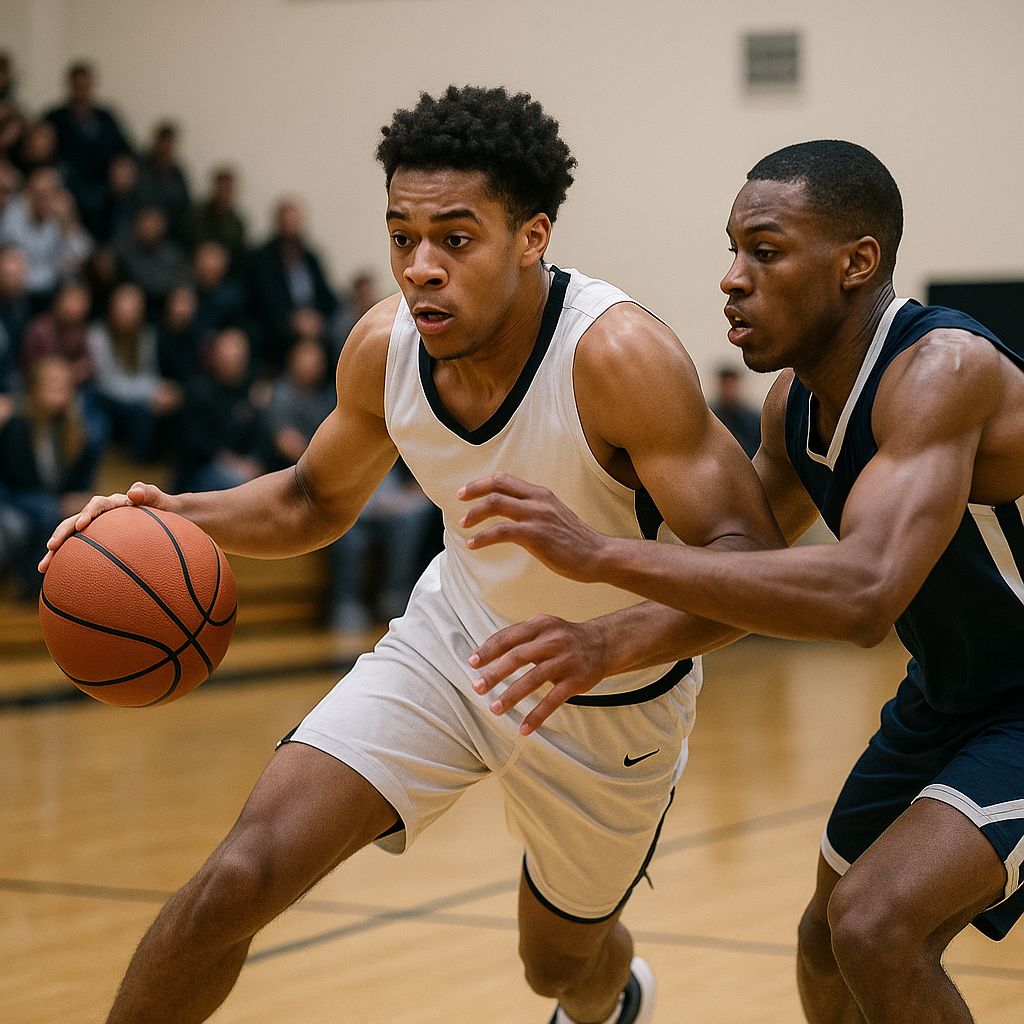
When a guard is speeding up, you can see it at half court. Their shoulders rise, their dribble gets taller, and they cross the line like they're trying to escape something. That's the moment a defender loves, because it turns ball pressure into a steering wheel. You end up in a sideline trap, or you burn your dribble just to feel safe, and now your offense is working with a tiny playbook.
I started calling this dribble-gate with my point guards: once you cross half, you cannot take your first live dribble into the slot unless you have a second option already identified. Option can be a simple safety like the trail big at the nail, a wing flattening to the sideline, or a quick reversal back to the other guard. But you have to name it before you cross. If you don't have it, you cross with a low, protected dribble and park the ball. Yes, park it. Two hands, chin it, pivot, let your teammates breathe for one beat. It's amazing how quickly the floor reorganizes when the ball stops bouncing for a second.
This is not about being slow. It's about refusing to be hurried by noise. In loud gyms, that first dribble after half court is where communication dies. So I give them a physical cue: thumb on the valve of the ball when they pick it up, like they're checking a tire. It forces the hands to settle and keeps the pickup strong. From there, they can trigger tempo intentionally: hit the wing and cut through, call for a high ball screen, or just swing it and flow into a second side. The scoring opportunity isn't the guard's pull-up. It's the defense having to guard multiple actions because you didn't let them dictate the entry.
The best part is what it does for teammates who aren't confident creators. If the point guard crosses half and immediately dribbles into trouble, everyone else turns into a spectator. When the guard crosses with a plan and a pause, your wing knows when to lift, your corner knows when to drift, and your big knows whether it's a screen or a duck-in. That is pace control showing up as cleaner spacing, not a stopwatch.
The 8-second paint touch that turns stalling into a shot you like
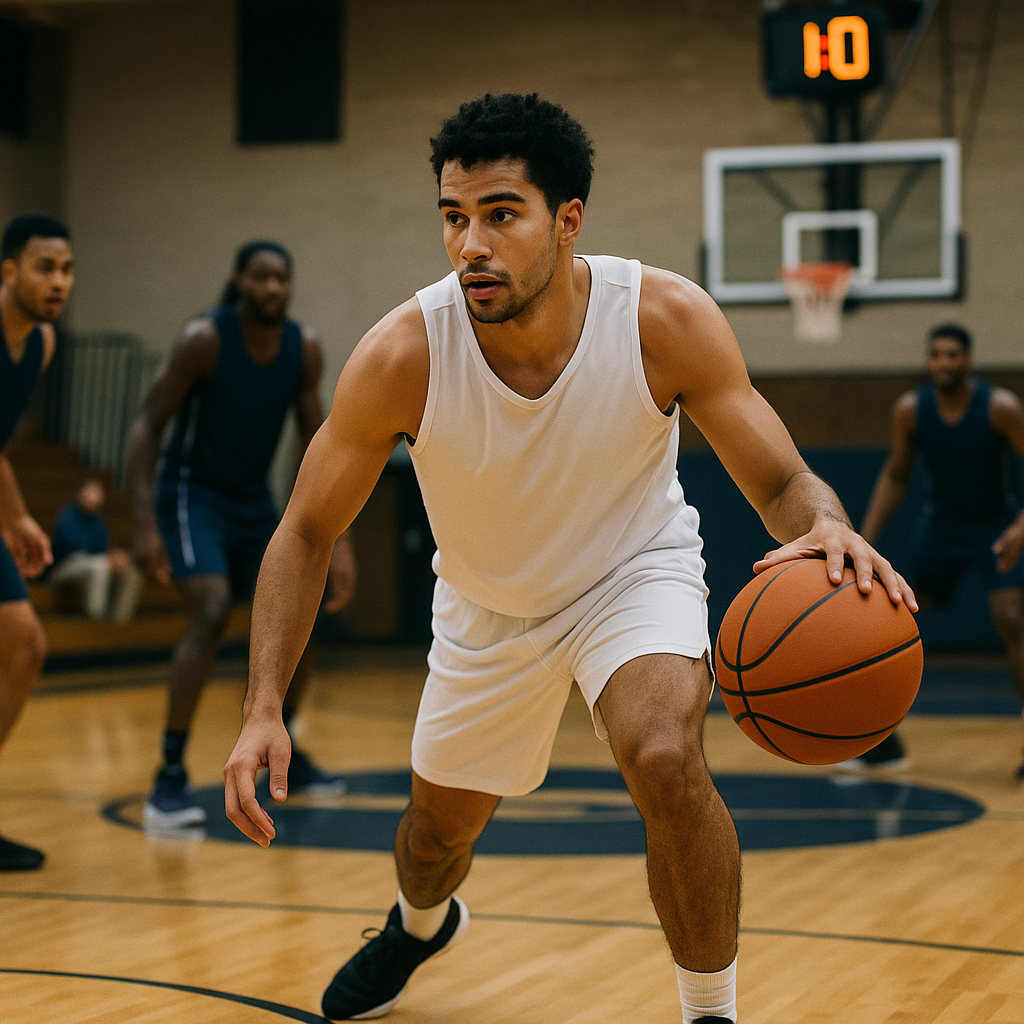
Late game, up a couple possessions, the trap a lot of teams fall into is confusing use clock with hide. You dribble at the logo, you look at the bench, and you wait so long that your first real action starts at 10 on the shot clock. Now every pass is hot, every closeout feels like a jailbreak, and you end up taking the exact shot you were trying to avoid, just with less time to fix it.
So I give point guards a rule that sounds almost too simple: within the first 8 seconds of the possession, we touch the paint. Not a shot. Not a drive that ends in a jump stop and a prayer. A paint touch that makes the defense react. It can be a controlled dribble probe to the elbows, a pocket pass that forces the low man to tag, a post entry, or even a pass to a cutter that gets two feet in the lane before kicking it out. The guard is basically setting the thermostat: quick touch to make help show itself, then you can bleed clock with purpose because you already moved the defense once.
I've watched this calm down entire groups because it gives everybody permission to do their job. Wings stop sprinting into early contested threes because they know the possession isn't "we have to score right now." Bigs stop begging for the ball on the block like it's a last meal. The point guard's eyes change too. Instead of scanning for the first available shot, they're scanning for the first bend in the shell.
And if you're wondering how this creates scoring for someone other than the guard, it's right there in the chain reaction: a paint touch forces a tag, the tag opens a corner, the closeout turns into a drive, and now your best finisher is attacking a rotating defender instead of a set one. The guard might never take a shot, but they still authored the possession. When it works, you can hear it: fewer squeaky, frantic dribbles and more clean catches. It sounds like a team that isn't borrowing trouble.