
Three pieces of modern emergency gear that let an athletic trainer act faster, document cleaner, and stop guessing in the heat.
The wet bulb meter that ends the heat argument
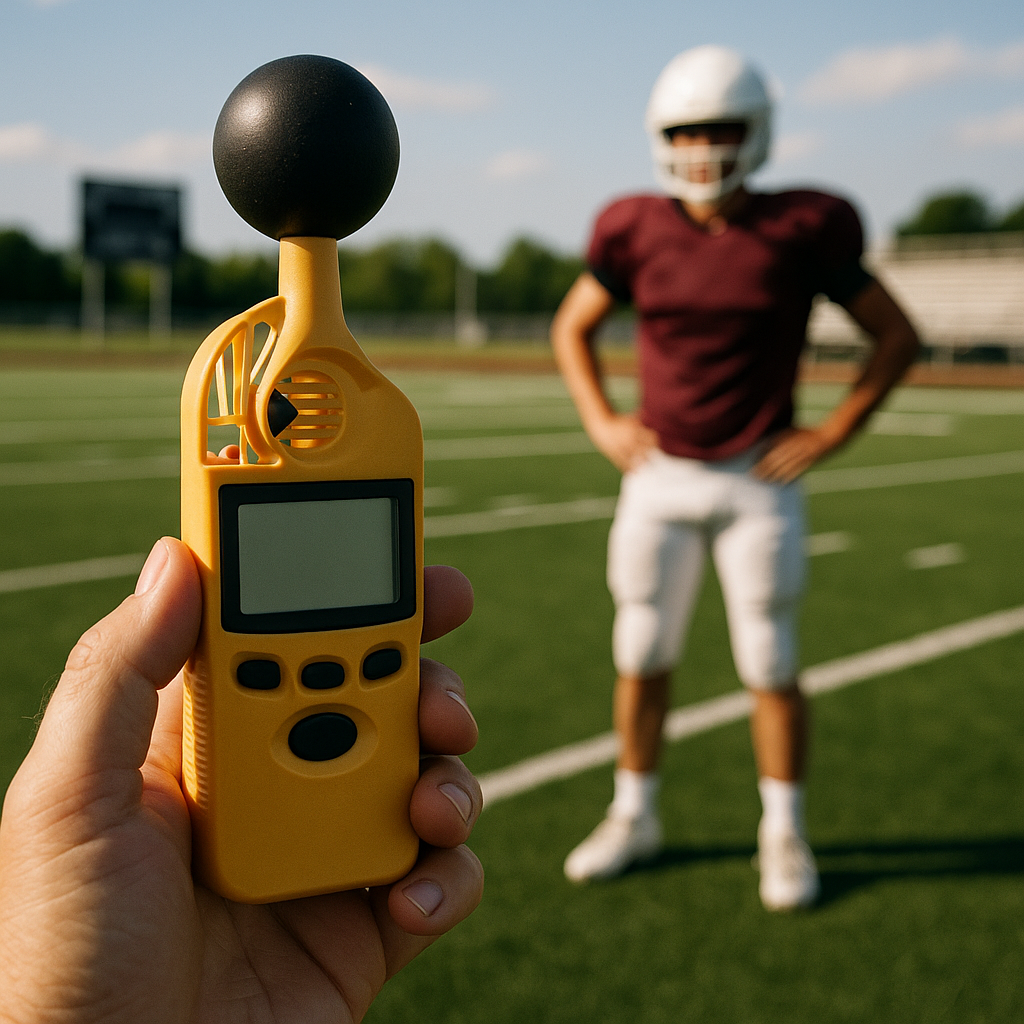
Heat management used to be this weird mix of toughness culture and weather-app roulette. The problem is the weather app tells you air temp, not what a kid in pads is dealing with at field level. The first time I watched our athletic trainer pull out a handheld wet bulb globe temperature meter (we used a Kestrel), it changed the entire sideline conversation. Not because it was fancy, but because it was boring. It gave us a number, right there at midfield, with the black globe sitting in the sun like a tiny, judgmental planet.
Here is how it plays out on a normal August day. You take a reading in the sun and another near the shade line, because the difference can be bigger than people think when the turf is cooking. Then you follow whatever your district or state policy says for work-to-rest ratios, equipment mods, and mandatory water breaks. The innovation piece is that it makes compliance almost automatic. When a coach starts lobbying for one more team period, the athletic trainer is not debating vibes. They are pointing at the WBGT number and the chart. It is hard to argue with a tool that is literally sitting on the field.
Two small details matter if you want it to be more than a prop. First, set a routine time for readings (say, 30 minutes before warmups and again at halftime) so you are not only checking when someone feels uncomfortable. Second, write it down. A quick note in your event log with time, location, and reading is the difference between "we monitored conditions" and having a clean paper trail if a parent asks later why you modified practice. I have also seen trainers snap a phone photo of the meter display just to lock in the timestamp.
This is one of those upgrades that does not look exciting in a highlight reel, but it saves your staff from guessing, and it gives the athletic trainer more authority without them having to raise their voice.
AEDs that talk to you (and log the whole thing)
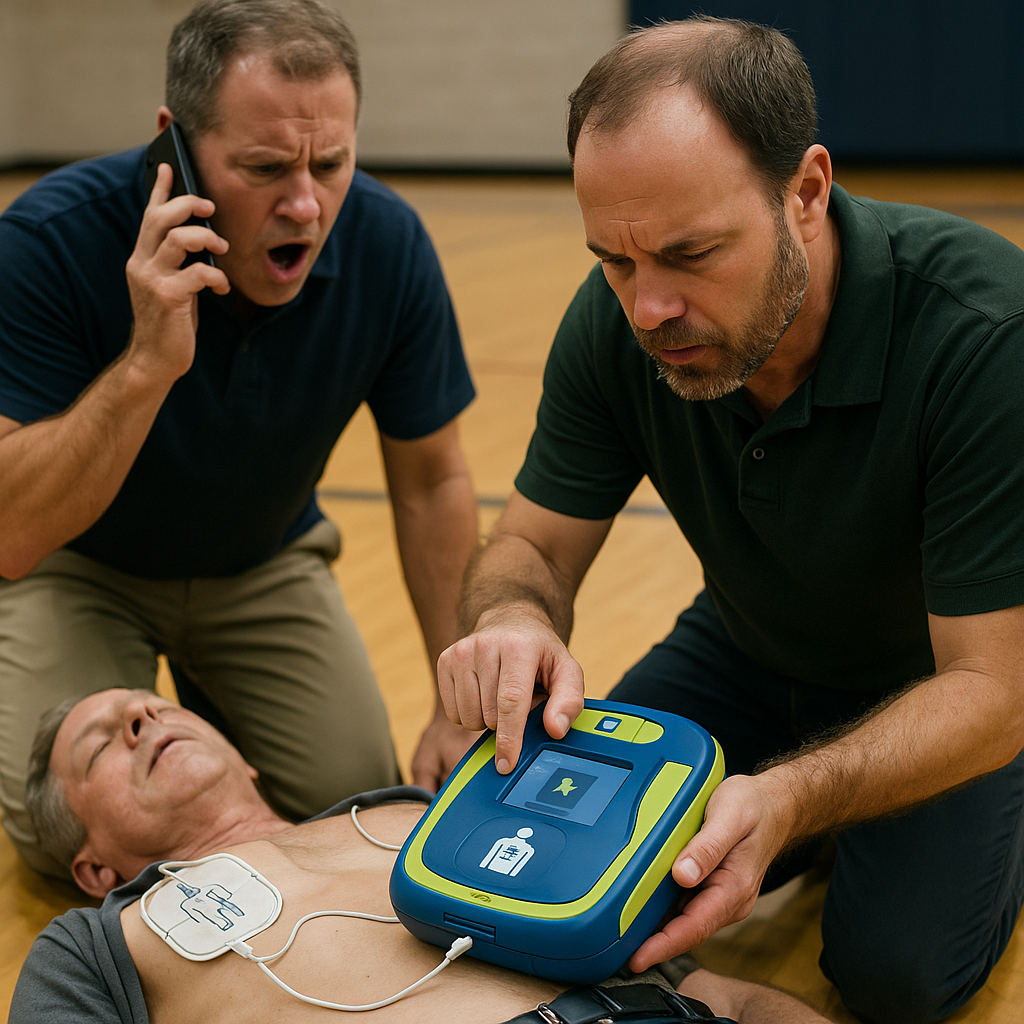
People talk about having an AED like it is a box you check. The difference between an older unit and a newer one is not just battery life or how sleek the case looks. It is what happens to the adults in the first 30 seconds, when everybody's hands suddenly feel too big and somebody is saying, too loudly, "Call 911" like the phone is going to dial itself.
Newer AEDs, like the ones from ZOLL that I have been around, are basically blunt coaches. They tell you exactly what to do, at a pace that keeps the room from spiraling. Begin CPR. Push harder. Good compressions. That last one sounds small, but I have watched it steady a panicked assistant coach because it gives immediate feedback instead of silence. Some models also show a metronome or visual target, which is huge when the person doing compressions is gassed after 60 to 90 seconds and wants to quit early.
The other underrated innovation is the data trail. If the AED is used, many systems can store the event data for medical review afterward. That matters for two reasons at a school. One, it helps EMS and a receiving hospital understand what happened before the ambulance arrived. Two, it protects your athletic trainer and staff from the foggy-memory problem that shows up after a scary incident. Nobody is lying, but everybody remembers it differently. A device log can back up timing, shocks advised, and CPR intervals so your post-incident report is accurate.
There is a very practical gear-management side too. The athletic trainer I trust most runs AED readiness like a pregame uniform check: pads sealed, battery status verified, and the unit placed where it can be reached from the far sideline without weaving through a marching band. If your AED lives under a stack of athletic tape in the training room, it is not really on site. The schools that do this well stage it like they are expecting to need it, which is the whole point.
Smart mouthguards are pushing concussion care into real time
Concussion management at a school usually breaks down in one predictable spot: the hit that looks normal in real time. A lineman pops up and jogs back to the huddle. A soccer kid takes a shoulder in a 50-50 and keeps playing because the ball is still in the box. Later, somebody says, He seemed off. Great. Now you are reconstructing a moment nobody can clearly describe.
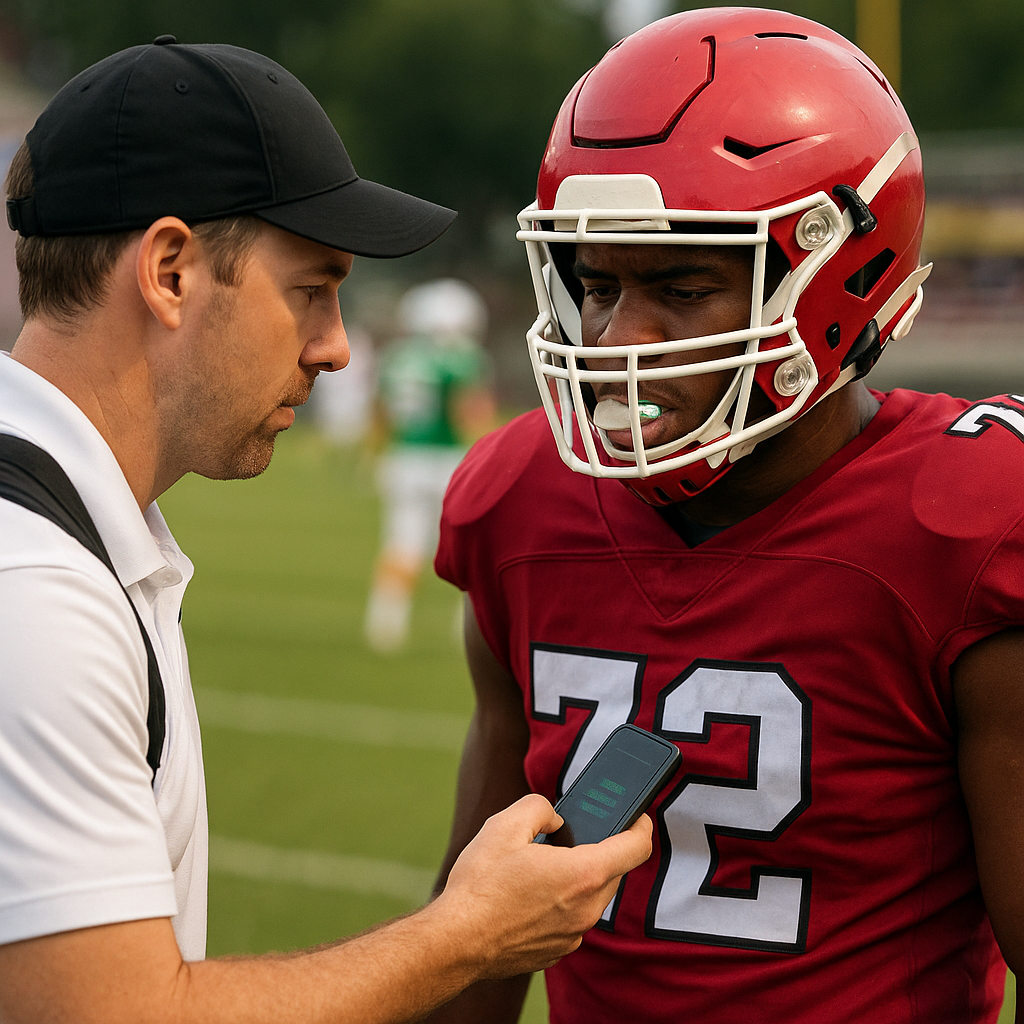
That is why the new wave of sensor gear is interesting, especially mouthguard-based systems like Prevent Biometrics. Let me be clear, because this gets misunderstood: an impact alert does not diagnose a concussion. It is not a magic yes-or-no. What it can do is tap the athletic trainer on the shoulder and say, you might want to look at number 72 right now, even if nobody is waving at you from the sideline.
On competition days, that changes workflow. Instead of relying on a coach's memory of big hits, the athletic trainer can triage smarter. If a high-threshold impact alert comes in, they can get eyes on the athlete at the next dead ball, do a quick symptom check, and decide whether to pull them for a fuller evaluation. It also helps in noisy environments where you cannot hear the kid say, quietly, I'm dizzy over a student section and a pep band.
The practical part, the part that makes or breaks it, is how you set expectations. If you treat every alert like an automatic removal, coaches will fight it and athletes will start gaming it. If you treat it like a data point that triggers a check, you get the benefit without the drama. I have seen athletic trainers use it as a clean script: "I got an alert, I need to run you through my quick screen." No accusations, no debate about toughness.
There is also a side benefit that nobody advertises. The data, collected over a season, can support safer coaching decisions. If a particular drill is generating a weird number of high-impact events in practice, you can adjust contact periods or technique emphasis with something more concrete than it feels too physical. It is not perfect, but it is a step toward catching the problems you do not see from the press box.