
Three defensive adjustments I see after off-ball screens, and how good offenses punish each one.
Top-locking works until the screener turns into a passer
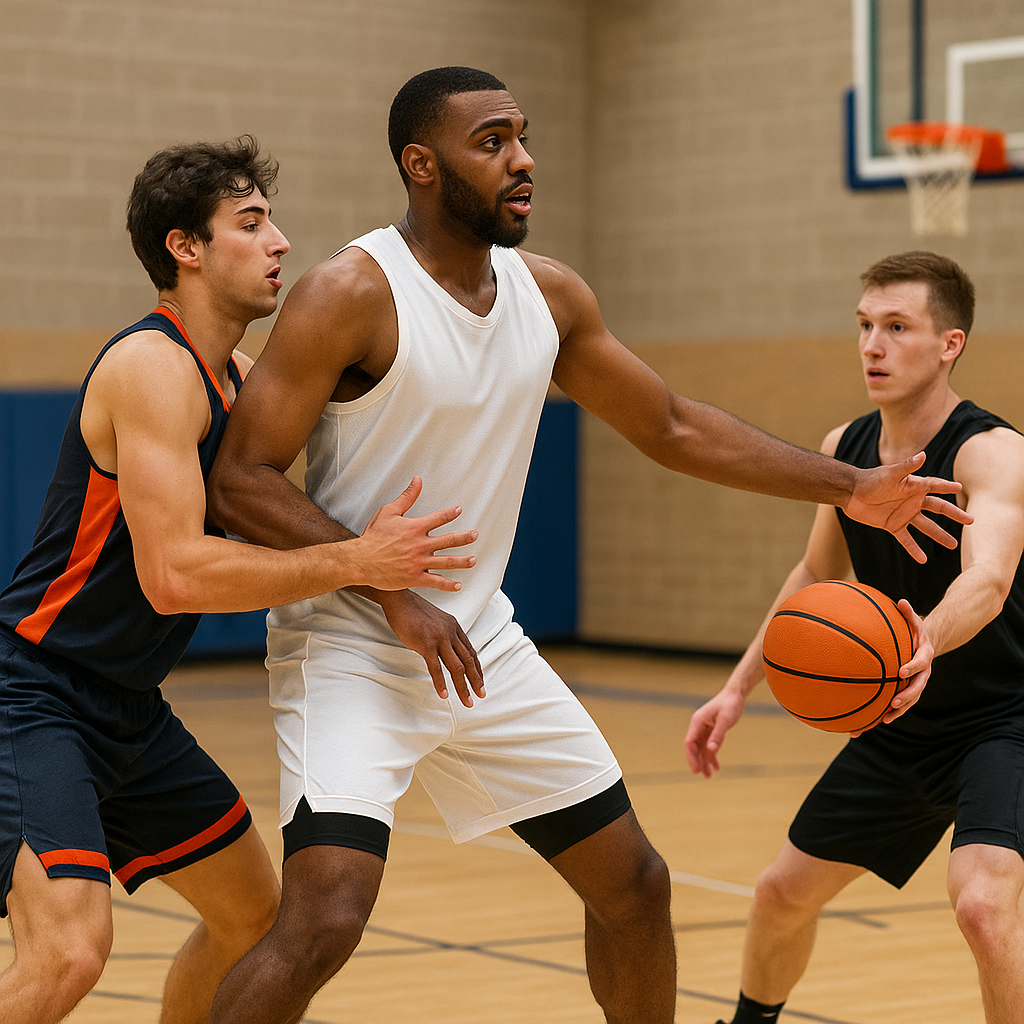
I used to love telling wings to top-lock anything that smelled like a pin-down: take away the curl, force backdoor, live with a contested catch. Then teams started treating that screener like the second quarterback. The moment your chaser jumps above the route, the screener stops being a human speed bump and becomes a decision-maker. You'll see it on Chicago action all the time: guard-to-guard handoff look, then the big flips his hips like he's setting the pin-down, and instead he slips into the lane with his hands ready. If your low man is glued to the corner because you're terrified of the lift-and-replace three, there's a clean pocket pass sitting there.
So defenses counter with an early peel switch: the on-ball defender tags the slip and the original chaser stays attached to the shooter. Sounds tidy. In live reps it's chaos because that peel has to happen on a moving target. I charted a high school game last winter where the peel was a beat late four times in a quarter. Two ended as layups, two ended as kick-out threes because the help rotated from the wrong spot and the corner just lifted on schedule.
What changed for me was coaching the communication like a call, not a vibe. If you're going to top-lock, you need a loud, early word that tells the screener's defender, "I'm taking away the catch, you might be guarding air for a second." We used "high" as the trigger. The big hears it and takes one retreat dribble deeper than he wants before the screen even arrives, so the slip pass has to be a lob. That extra six inches of cushion is the difference between a pocket pass and a turnover. It's not glamorous, but it keeps your top-lock from turning into a free roll.
The switch-everything itch: why offenses love your comfort choice
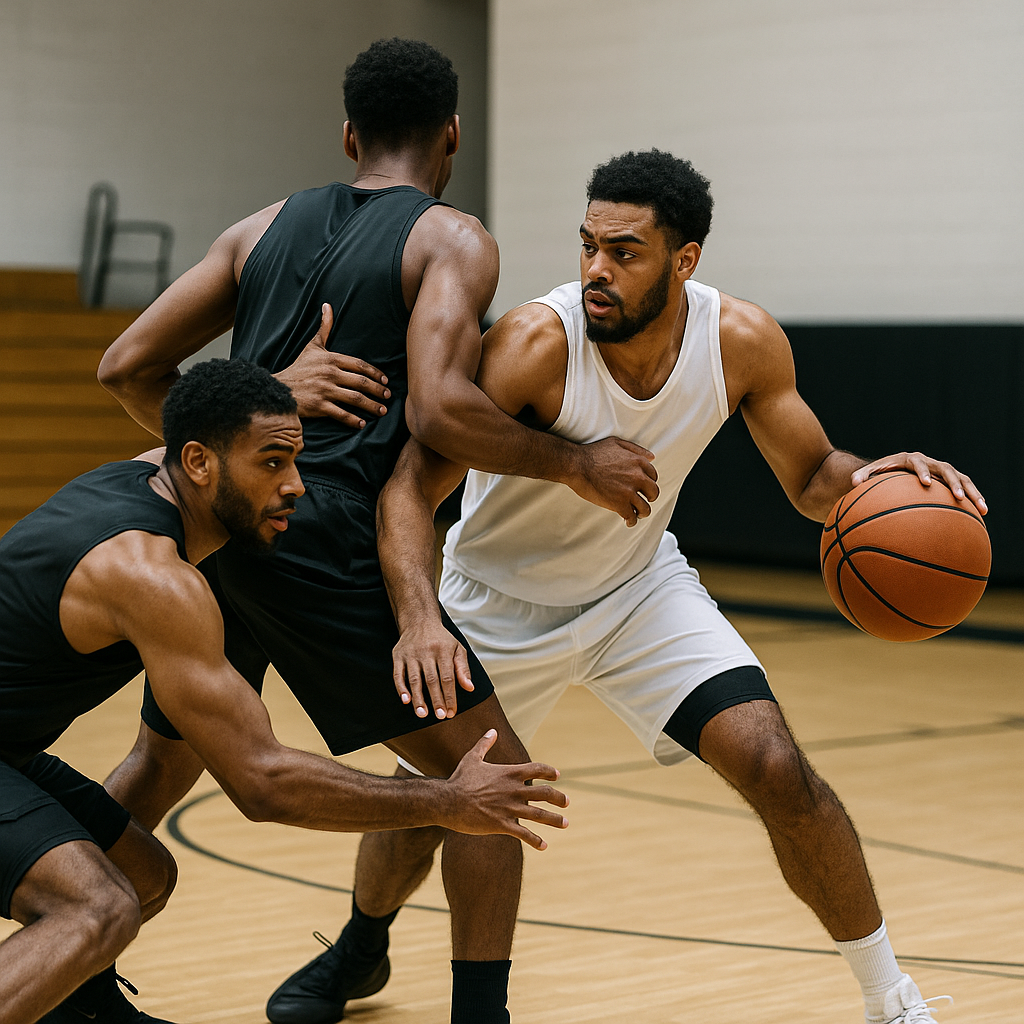
I get why teams default to switching pin-downs and flares now. It shuts off the clean catch-and-shoot that makes coaches feel helpless. And if you've got similar-sized wings, it can look like you're in control. The trap is that offenses aren't running one screen anymore, they're running screen chains that tug your matchups out of shape on purpose. The first switch isn't the attack. It's the bait.
Here's the sequence I keep seeing: a wing screens for a shooter in the corner (you switch, fine), then that same screener immediately turns and sets a second screen for the ball handler, or for a lifting shooter on the slot. Your defense is now switching again, but the spacing is different and the help rules are different. By the time the second switch happens, your "big" might be staring at a guard in space with no nail help because the weakside is occupied by a shooter who just relocated. People talk about hunting mismatches like it's some dramatic iso. More often it's a quiet two-second window created by the second screen, when your on-ball defender is deciding whether to go under, over, or ice while also realizing he isn't guarding who he thinks he is.
If you're going to switch off-ball screens, you need a plan for the second action. I like a rule we stole from watching pro teams handle Spain and similar concepts: first off-ball screen can be a switch, but the next connected screen is a stay unless it's a true emergency. That means the second defender fights through and you accept a moment of contact rather than a full matchup flip. It takes conditioning and a willingness to be late once in a while. But it keeps you from stacking switches until someone ends up on an island they never trained for.
And yes, offenses will start slipping that second screen the second you show stay. Good. Slips are easier to rotate to than a clean three off a scripted re-screen, especially if your back line is already set and talking. I would rather rotate to a two than keep donating rhythm threes because switching felt simpler.
How teams punish a hard hedge without ever calling a ball screen
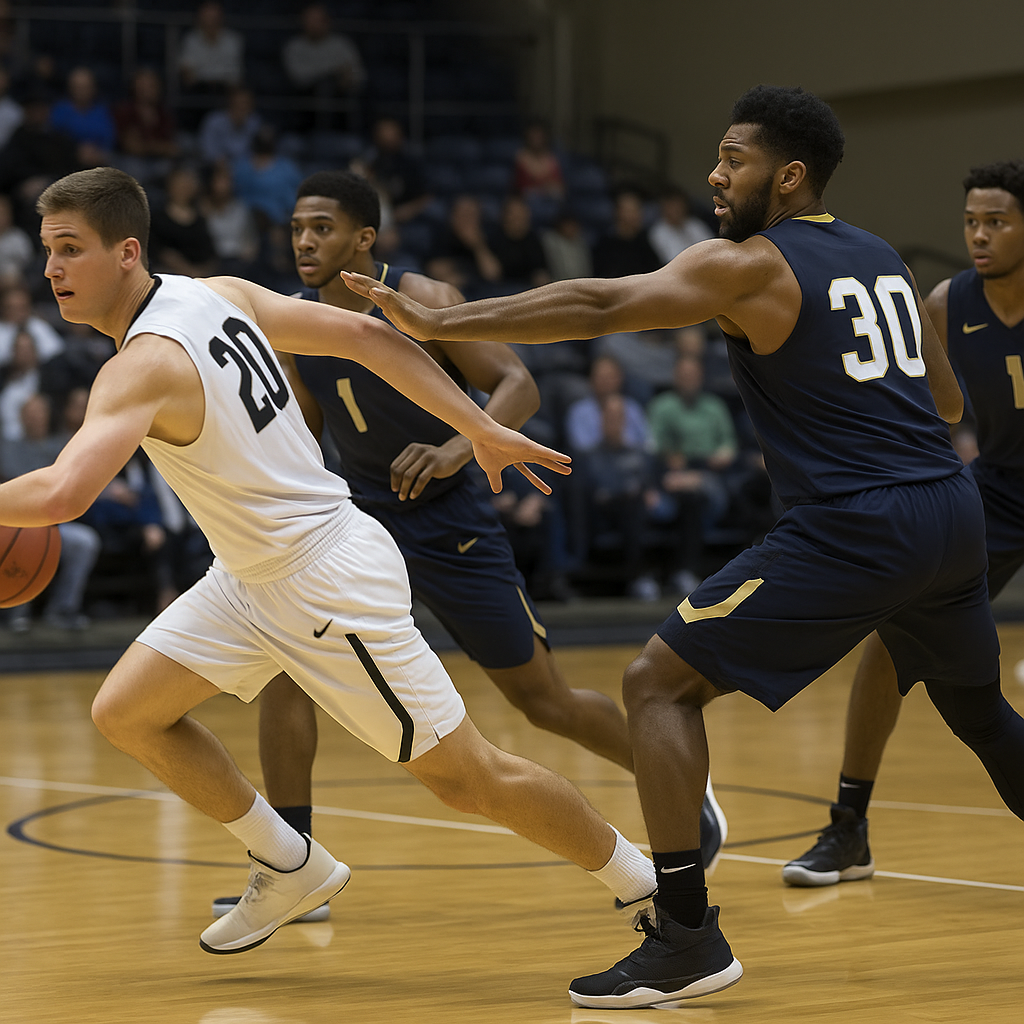
One of the more interesting defensive responses I've seen is treating certain off-ball screens like they deserve ball-screen violence. Not a switch, not a trail. A hard show from the screener's defender that tries to blow up the shooter coming off, then a sprint back. On paper, it's nasty: you deny the catch, you rattle the timing, and you make the shooter loop wider than he wants. The problem is that the offense isn't married to the shooter catching. They just need your big to step out of the paint for a half-second.
When that show happens, the offense's next read is usually simple and brutal: cut behind it. The cutter isn't always the shooter either. I've watched teams run a flare for their best shooter purely to trigger the show, then have a different wing knife into the lane on a shallow 45 cut because the help defender on the weakside was pre-rotating to the flare. If your low man lifted a step to protect the three, and your big is outside the lane line showing, there's a clean seam for a bounce pass. No dribbles needed. It looks like a screen problem on the film, but it's really a paint-protection problem you created by choosing an aggressive answer.
There's also the sneakier punishment: the re-screen into a handoff. After the show, defenders relax because the shooter didn't catch. That's when the screener flips the angle and turns it into a dribble handoff on the wing. Now it's a live ball action with your big already extended and your guard already chasing. If your team isn't disciplined about who picks up the ball on the handoff, it becomes a straight-line drive or a pocket pass to the short roll.
The fix I've trusted is boring: if you're going to show, you show smaller and you show earlier. Two steps up, hands high, then get out. You're not trying to trap a shooter who's not even holding the ball. You're trying to force him a step off his line so the catch isn't clean. Then your back line stays home in the corners and lives with a contested two-point catch around the elbow. Teams will hit some. But you stop gifting the kind of layup that comes from an over-helped lane that was supposed to be protected by design.