10 Sports That Were Invented in Unexpected Places
Crowded arenas and billion-dollar TV deals make it easy to assume that certain sports were born in sleek stadiums with corporate sponsors waiting in the wings. In reality, a lot of them started with whatever was lying around and a group of bored people trying to solve a very specific problem. Here are 10 global sports that began in surprisingly low-key places.
Basketball

Credit: Canva
In the winter of 1891, Dr. James Naismith needed to keep his students active inside a YMCA gym in Springfield, Massachusetts. Snow ruled out outdoor games, so he nailed peach baskets to a balcony and grabbed a soccer ball. The first version had 13 rules, and dribbling was not included. Players had to stop and pass after catching the ball. The peach baskets even had closed bottoms, which meant someone had to climb up and retrieve the ball after every single score.
Polo
Credit: pexels
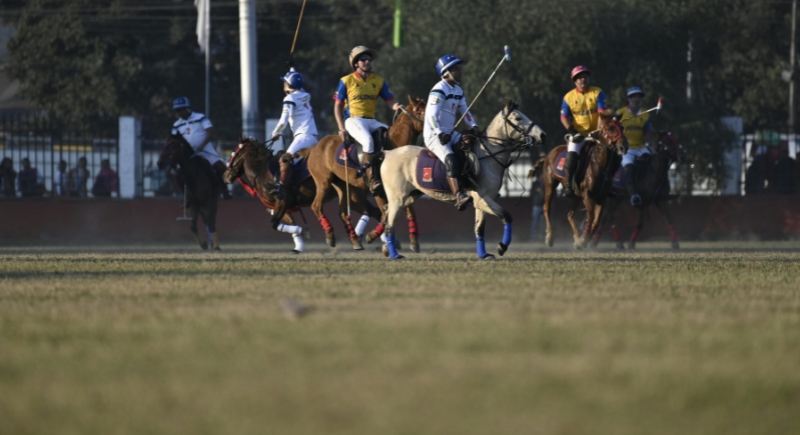
Long before it became associated with royalty and country clubs, polo functioned as military training in ancient Persia more than 2,000 years ago. Cavalry units used mallets and a ball to sharpen coordination and teamwork on horseback. It was essentially practice for battle, just with fewer actual enemies involved. From Persian courts, the game traveled across Asia and eventually reached Europe through cultural exchange. Over time, it shifted from battlefield prep to elite sport.
Bobsled
Credit: Getty Images
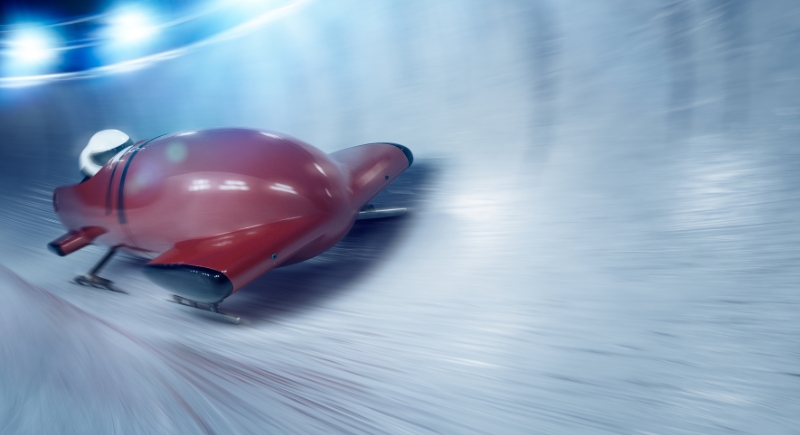
In the late 19th century, tourists in St. Moritz, Switzerland, looked at the icy roads between hotels and thought, ‘Why not race?’ They modified delivery sleds and started competing downhill. The chaos turned organized when hotelier Caspar Badrutt helped develop the Cresta Run, one of the first purpose-built tracks. It evolved into a structured winter sport and eventually an Olympic event.
Table Tennis
Credit: pexels
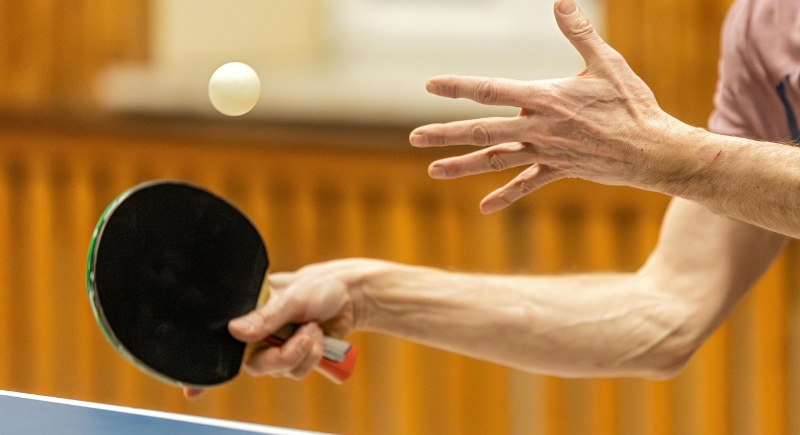
Table tennis officially joined the Olympic program in 1988 in Seoul, but in the late 1800s in England, it was basically an after-dinner improvisation. Players used cork balls, cigar box lids as paddles, and stacked books for nets. Early versions carried playful names like wiff-waff before ping-pong caught on. It was in the early 1900s that proper equipment and standardized rules had become common.
Rugby

Credit: Canva
One of sports history’s most famous legends dates to 1823, when William Webb Ellis supposedly picked up the ball during a soccer match at Rugby School in England and ran with it. Teachers were not thrilled. Historians still debate whether that exact moment happened, but the school undeniably played a role in shaping the game’s rules. The Rugby Football Union was formed in 1871, and the sport later split into Rugby Union and Rugby League.
Volleyball
Credit: pexels
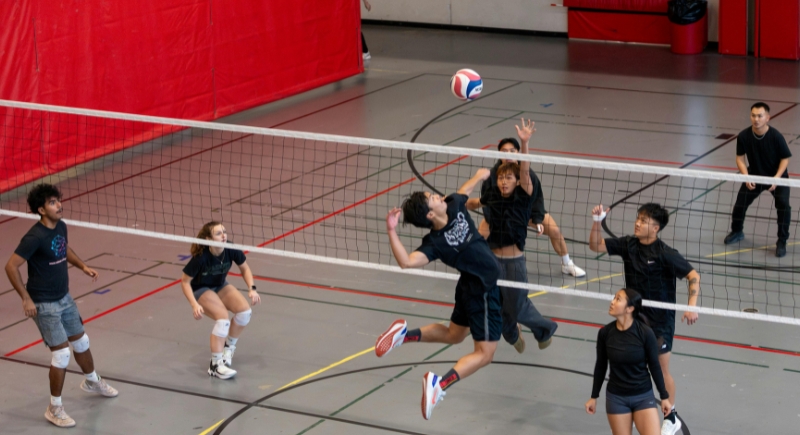
William G. Morgan created a new game in 1895, at the YMCA in Holyoke, Massachusetts, for members who thought basketball was a bit too intense. He called it Mintonette and combined elements from tennis, basketball, and baseball. A net divided the court, and players volleyed the ball back and forth continuously. Observers kept commenting on the volleying action, and the name volleyball eventually replaced Mintonette. The sport debuted at the 1964 Olympic Games in Tokyo.
Ice Hockey
Credit: pexels
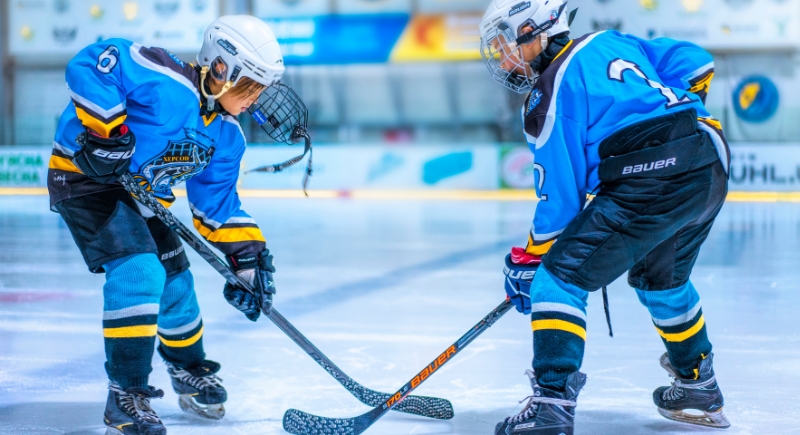
Canadian winters did what they always do and froze everything in sight. Field hockey players adapted by taking their sticks onto frozen ponds. To keep the game manageable on ice, they switched from a bouncing ball to a flat wooden puck. The first organized indoor game took place in 1875 at the Victoria Skating Rink in Montreal.
Golf

Credit: Canva
In 15th-century Scotland, people in coastal areas passed the time by hitting stones into rabbit holes with crooked sticks. Around St. Andrews, the pastime started to look more organized. In 1457, King James II banned golf because it distracted men from practicing archery. The ban did not stick. Eventually, leather balls replaced stones, formal rules developed, and golf transformed from shepherd entertainment into a global sport.
Skateboarding
Credit: pexels
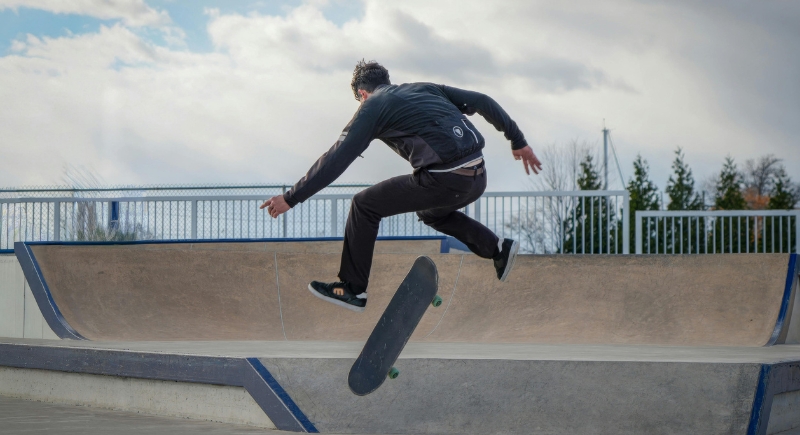
Surfers faced a frustrating problem in California during the 1950s: flat oceans. Their solution was to attach roller skate wheels to wooden planks and take the feeling to the sidewalk. They called it sidewalk surfing. Early boards were shaky at best, but the introduction of polyurethane wheels in the 1970s dramatically improved control and turning ability. Skateboarding finally made its Olympic Debut in 2020, at the Tokyo Games.
Frisbee
Credit: Getty Images
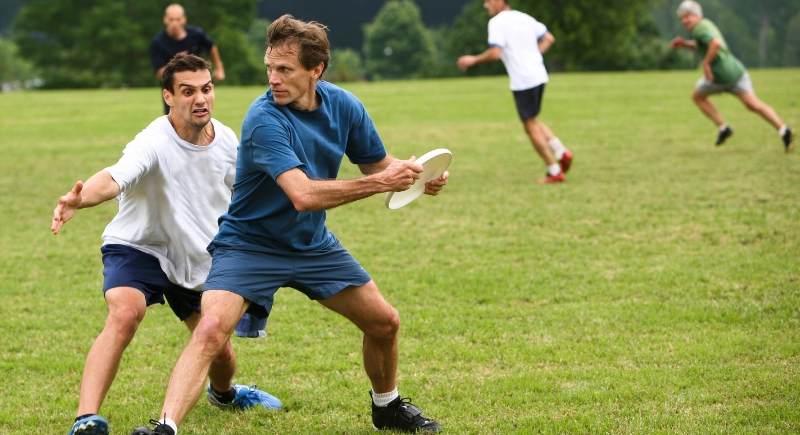
In the 1940s, college students in the United States began tossing Frisbie Pie Company pie tins around campus lawns. The metal tins flew surprisingly well. That simple observation led to the creation of a plastic flying disc, popularized by Wham-O in the 1950s. The casual tossing soon evolved into organized sports like Ultimate and Disc Golf.