10 Ways Title IX Revolutionized Women’s Sports in America
In 1972, only one in 27 girls in the United States played sports. Girls were largely locked out of school athletic programs, so female college teams and scholarships were almost nonexistent. But with 37 words inserted into the Education Amendments Act, Title IX stated that no person should be excluded from any education program receiving federal funding on the basis of sex. Here are 10 ways it changed American women’s sports.
The Explosion in High School Sports

Credit: Facebook
In 1972, 300,000 girls competed in high school sports and represented just 7 percent of all high school athletes. By the 2018-19 school year, that number grew to 3.4 million girls, accounting for 43 percent of all high school athletes nationwide. The soccer numbers tell the story just as vividly. In 1971, only 700 girls played high school soccer in the USA. Today, that number is around 400,000.
College Athletes, Multiplied by Seven

Credit: Wikipedia
As for college athletes, fewer than 32,000 women competed in college sports in 1972, accounting for just 2 percent of college athletic budgets. By the 2019-20 school year, over 200,000 women were competing at the NCAA level, a seven-fold increase from the pre-Title IX figure. At Division I schools, women received over 40 percent of total athletic scholarship dollars by 2009-10, per the National Coalition for Women and Girls in Education.
Ann Meyers and the Scholarship That Changed Everything

Credit: Wikimedia Commons
Two years after Title IX passed, Ann Meyers from La Habra, California, walked onto the UCLA campus as the first woman in history to receive a full four-year athletic scholarship at any university. Ann won a national championship, earned four consecutive All-American selections, and, in 1979, signed a free-agent contract with the Indiana Pacers for $50,000. She was the first woman to sign with an NBA team.
The 1996 Olympics Showed What Title IX Had Built

Credit: Olympics
Some people call the 1996 Atlanta Games “The Title IX Olympics” because they marked a milestone for American women in sports. That year, the United States sent 271 women to the games, the largest contingent of American female Olympians at that time. The U.S. women claimed the first-ever Olympic gold medals in soccer and softball, won gold in basketball and gymnastics, and swimmer Amy Van Dyken clinched four golds.
Soccer Found Its American Home

Credit: Wikimedia Commons
The U.S. Women’s National Team has won four FIFA World Cups and four Olympic gold medals, a record of dominance unmatched by any country’s women’s program. Interestingly, in 1971, only a few hundred girls were playing high school soccer nationwide. Title IX required schools to provide equal access to athletics programs and others, and schools complied.
Sports Seemed to Open Doors Off the Field

Credit: Wikimedia Commons
A survey by the Women’s Sports Foundation found that more than 52 percent of women in C-suite roles played a sport in college. Research from the National Bureau of Economic Research shows that athletic participation is associated with better educational and employment outcomes for women. These findings do not prove direct cause, but the pattern appears consistently across studies. Title IX expanded access to sports and opened opportunities that had long been limited.
Brown University Lawsuits

Credit: Wikimedia Commons
Amy Cohen and 12 other female athletes sued Brown University in 1992 after the school defunded its women’s gymnastics and volleyball teams and some men’s programs. Brown was found in violation of Title IX and ordered to reinstate the women’s teams. In 2020, Brown tried to cut five women’s varsity programs. The original plaintiffs sued again, won again, and forced Brown to reinstate two women’s teams and pay over $1 million in legal fees.
Suing Became a Real Option

Credit: pixabay
For the first 20 years Title IX was on the books, schools caught in violation usually got a court order to cease discriminatory practices. Then, on February 26, 1992, the Supreme Court ruled unanimously in Franklin v. Gwinnett County Public Schools that plaintiffs could sue for monetary damages under Title IX. The case itself involved harassment, not an athletic funding dispute, but its reach into sports law set an interesting precedent.
The 40th Anniversary and the Results

Credit: Wikimedia Commons
London 2012 was on Title IX’s 40th anniversary. For the first time in history, the U.S. sent more female athletes than male athletes to the Summer Olympics. American women went on to win 29 gold medals, almost two-thirds of the country’s total gold haul that year. It’s interesting to imagine how those women on the podiums partook in school programs, mostly thanks to a 1972 law.
U.S. Women Now Carry the Olympic Team
Credit: Team USA
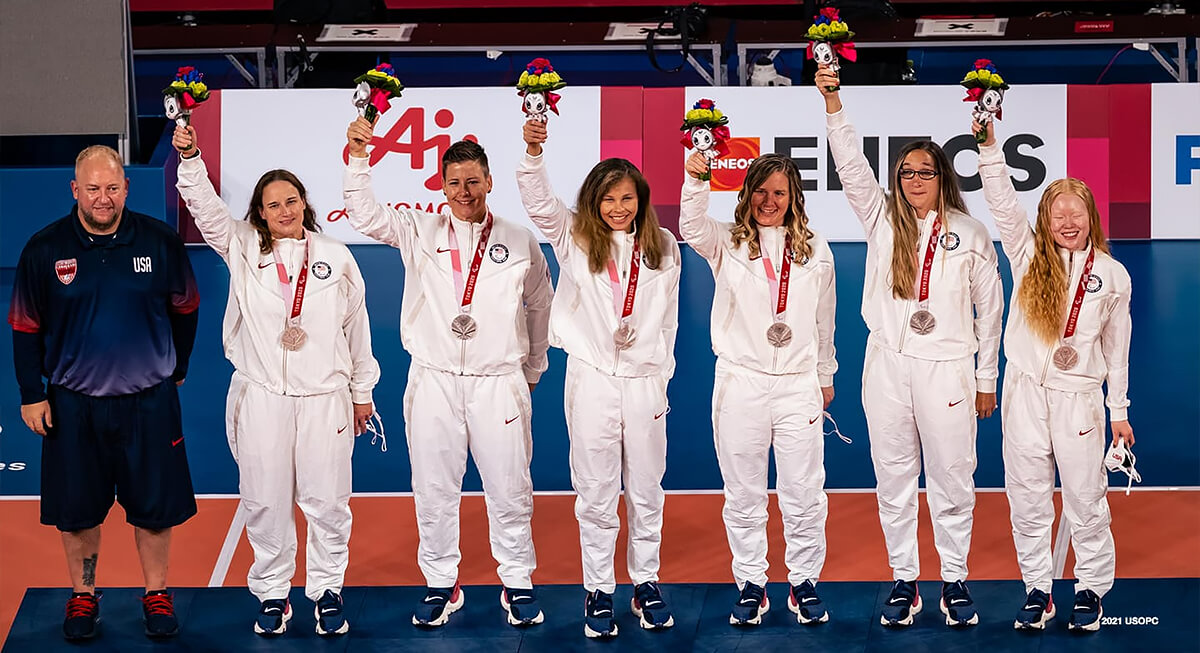
At the Tokyo Games in 2021, the United States sent 330 women and 285 men, the third consecutive Summer Olympics in which women outnumbered men on the American team. U.S. women won 66 medals, the most ever won by American women at a single Olympics. The U.S. men finished with 41 total medals, a gap that reflected 50 years of investment in female athletics and equality.