
Three behind-the-scenes audio habits that keep baseball broadcasts clean when the wind kicks up and the crowd gets loud.
The headset discipline that saves your best call
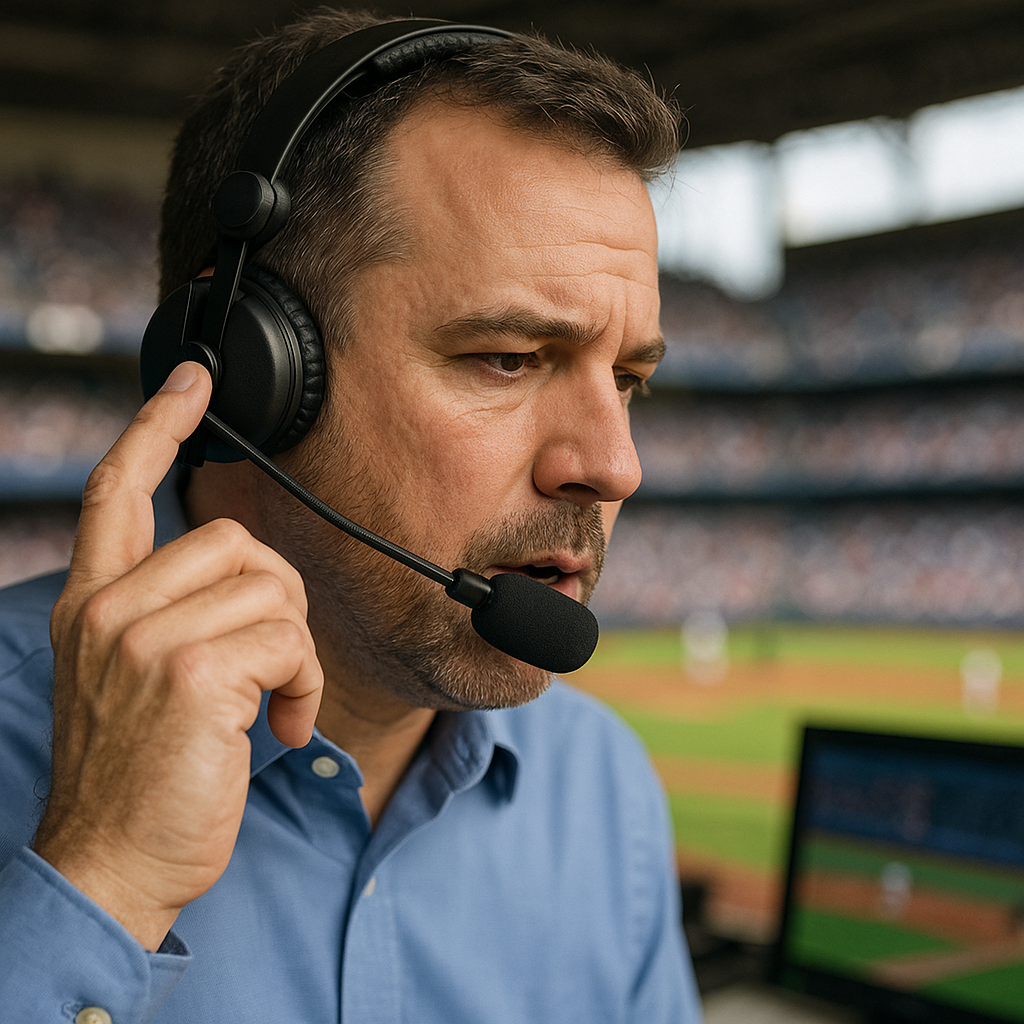
Everybody wants the fun part, the big swing, the tag at the plate, the walk-off. The broadcast crew earns that moment ten minutes earlier with headset discipline that looks annoyingly picky until you hear the difference. First rule I learned the hard way: you don't touch your mic boom while you're talking. Not once. The tiniest scrape against the foam winds up sounding like sandpaper in the viewer's ear because the headset mic is right on your mouth. If you need to adjust, you mute first, fix it, then unmute. I keep it simple: thumb on the mute paddle whenever I'm about to cough, clear my throat, or lean out of the chair to see a replay monitor. Quiet is a skill.
Second, decide what "hot" means before first pitch. In most trucks, program audio is king, and comms is a separate world. But the moment someone routes comms into the wrong place (it happens), a half-whispered complaint becomes part of the show. So we name it out loud: talent mics are live when the red light is on, and anything said with that light on should be something you'd say on air. It sounds uptight. It's not. It just keeps the broadcast from catching the sentence you wish you could take back.
Last, spacing matters. I want the mic about a finger-width off the corner of my mouth, not centered in front of my lips. Centered is where you get every P and B popping like firecrackers. If you hear that popping in your own return audio, don't try to fix it by talking softer. Move the boom slightly off-axis and keep your normal voice. It reads confident, and the mix stays smooth.
Stop letting wind turn your crowd mic into a hurricane
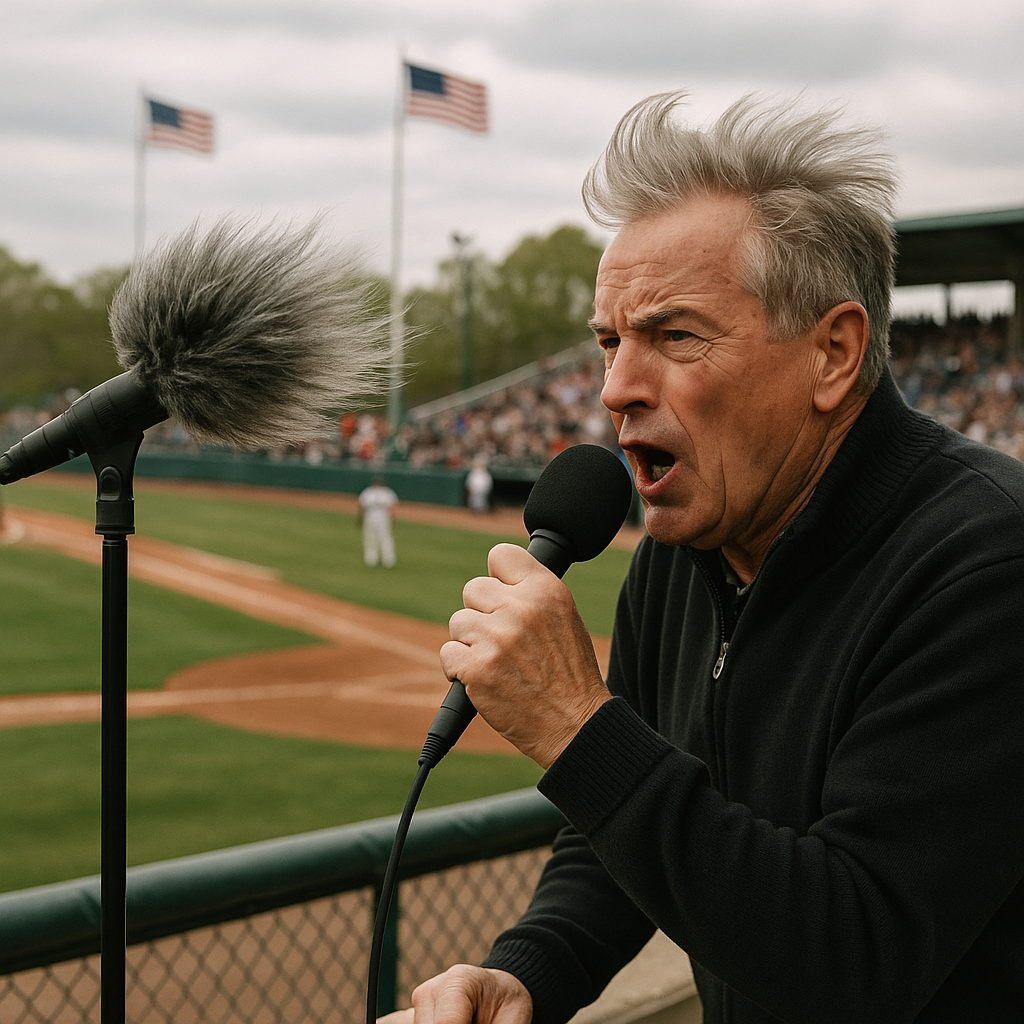
If you've ever watched a stream where the crowd sounds like it's inside a leaf blower, that's not "energy." That's wind hammering an open mic, and it usually happens because somebody set the ambient mic once at 4:30 pm and never touched it again. Baseball is sneaky that way. The first inning is calm, the flags look cute, and by the third, the breeze has shifted right into the capsule. Suddenly every pitch has a roar under it, and the announcer starts pushing their voice to compensate. Now the mix is fighting itself.
The truck-side fix is less glamorous than people think. It's a checklist and a willingness to ride levels. If I'm placing mics, I like two different kinds of stadium sound: one pointed toward the crowd (bleachers, dugout chatter, a little bench noise), and one that catches the field without being right in the wind path. In small parks, that can be as simple as moving an on-stand shotgun mic down a few feet so it's not sitting in the breeze off the press box roofline. If you can't move it, a proper foam windscreen helps, and a furry windjammer helps more when the gusts are real. I'm not pretending either one makes wind vanish, but they keep the audio from turning into white noise.
What I listen for is the moment the ambient mic stops sounding like a place and starts sounding like weather. The second it does, I pull it down in the mix and let the announcer carry more of the scene. Viewers don't need the crowd at a constant volume. They need it to spike at the right times. A clean swell on a two-strike pitch is better than a nonstop roar that makes every clip feel the same.
One more practical trick: if the crowd mic is picking up PA music like it's a concert, you can aim away from the speakers or reposition to a lower spot where the direct line to the horn is blocked by structure. You're not trying to hide the PA, you're trying to keep it from swallowing the game.
Replay etiquette: say less, mark more
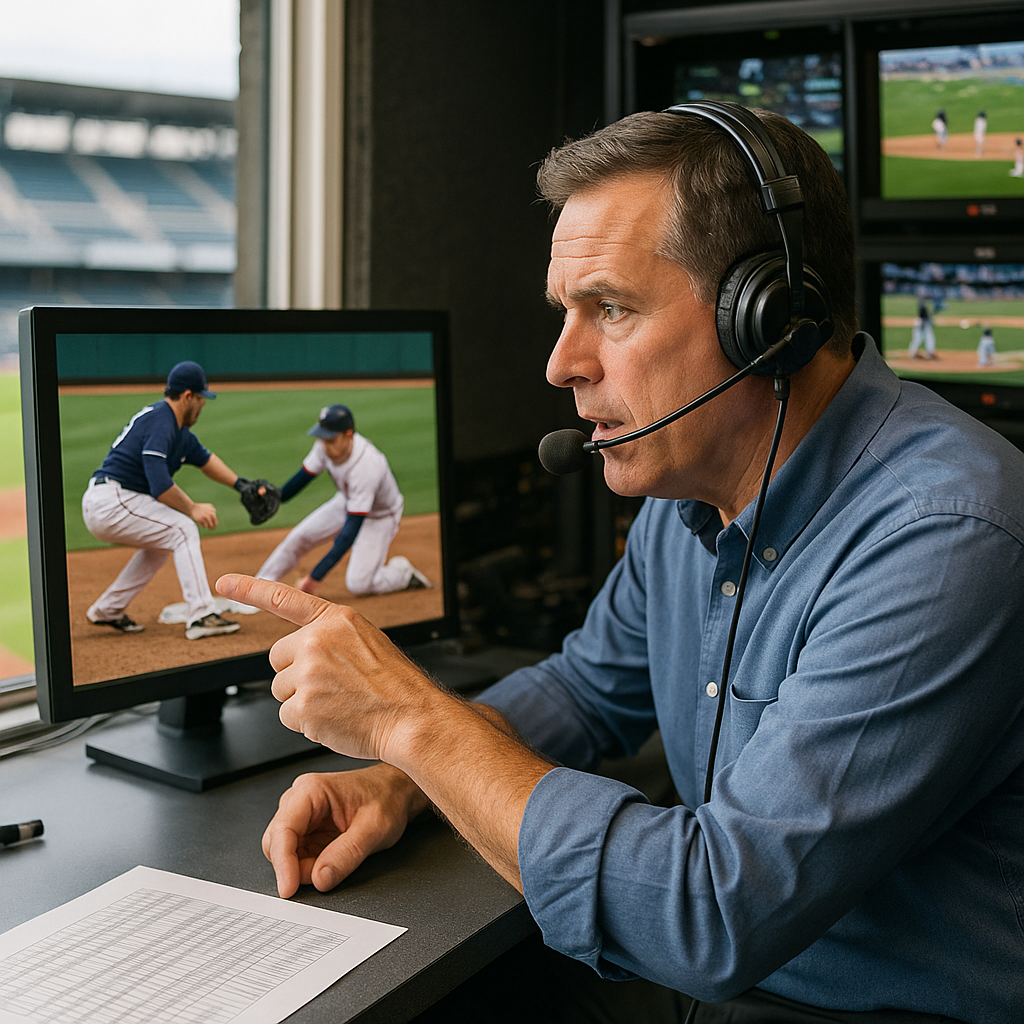
Behind the scenes, replay is where broadcasts get frantic fast. A runner goes in hard at second, the camera op is trying to find the ball, the producer is calling for a look, and the announcer is filling space while their monitor is a half-second behind. The cleanest crews I work with have one shared habit: we don't narrate our own confusion on air. We mark what we need, then we wait for the right angle.
When I'm on headset with a director and a replay op, I try to keep my language painfully specific and short. Not give me the tag or let's see it again, because that can mean five different things. I want something like: "Need a tight shot on the glove at the back of the bag" or "show the runner's left hand on the front corner." That tells the replay op what to search for in the ISO feeds, and it keeps the director from guessing which replay you're talking about. If the park has a simple setup and only a couple of cameras, being specific matters even more, because there might not be a perfect angle. You're asking the crew to find the best available, not the imaginary one.
On the talent side, I use a little self-control that took me a season to learn. If I didn't clearly see it live, I don't declare it. I buy time with facts that are true either way: count, outs, where the throw came from, what the ump signaled. Then, when the replay hits, I talk through what the viewer can see with their own eyes. It's amazing how much credibility you gain by not guessing first and correcting later.
One practical thing that keeps this whole dance from becoming a mess is labeling replays in your head by camera. Center field high, third base low, handheld down the right-field line. If you can call for third base low instead of "the one from over there," the truck moves faster, and the broadcast sounds calm even when everyone inside is sprinting mentally.