
Three time-management habits I've watched multi-sport kids use to keep grades up when the bus gets home at 9:30.
A shared Google Calendar for the whole family
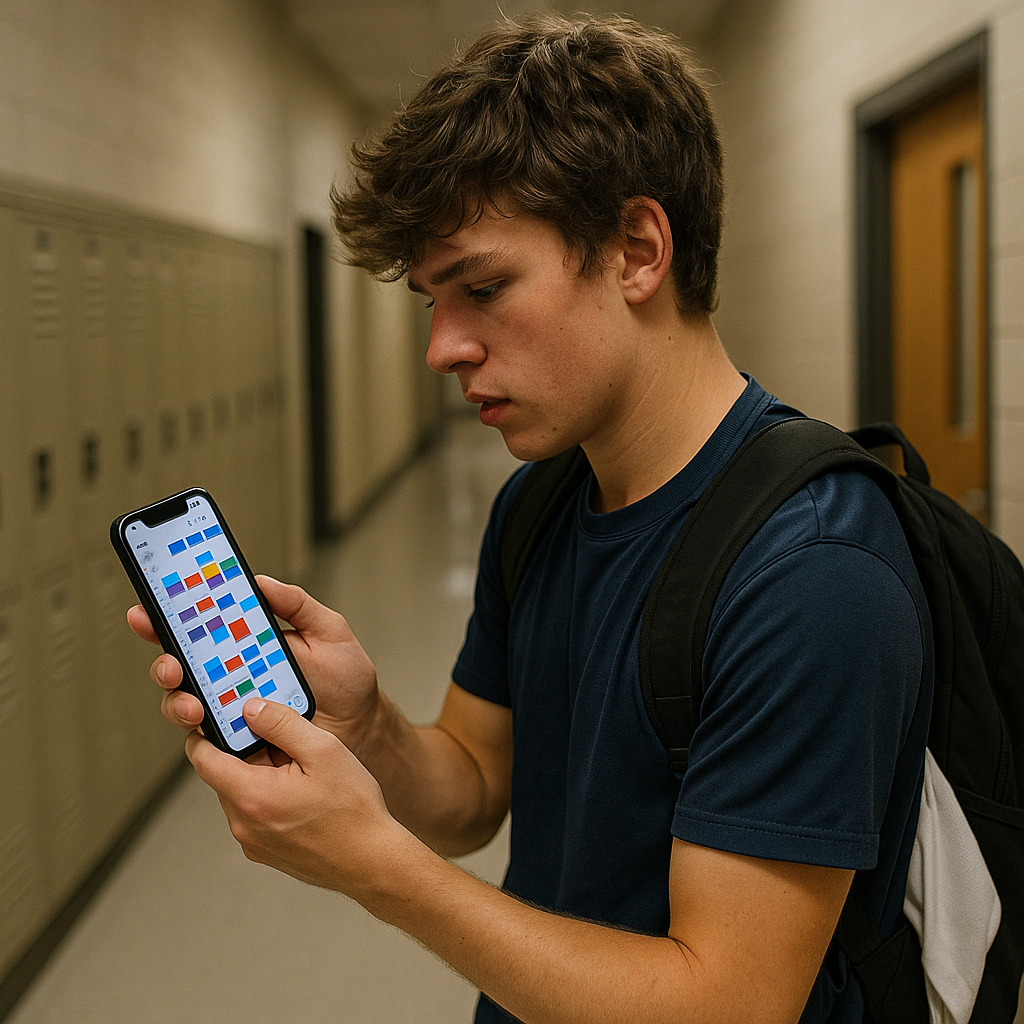
I started pushing families toward a shared Google Calendar after watching the same mess repeat itself: a kid thinks practice ends at 5:30, but it ends at 6:15; the trainer grabs them for tape; the bus is late; and now they're walking into seventh period like they time-traveled. Multiply that by two sports and a couple of AP classes, and the only thing that stays consistent is the stress.
Here's the version that works, because it's boring and visible. One calendar, shared with the athlete and whoever handles rides, with each person setting the notifications they want on their own phone. Color-code by sport (not by urgency, that gets emotional fast). Put in the non-negotiables first: games, lifts, film sessions, and travel call times. Then add school anchors that don't move: office hours, tutoring, test dates, and the one club meeting they refuse to quit. The secret isn't cramming every detail. It's typing the parts that create surprise: early dismissals, Saturday doubles, and the two nights a week the coach always runs long.
Two small rules I learned the hard way. First, every event needs a location, even if it's obvious. "Field" isn't enough when baseball is on the turf, and soccer is at the grass complex across town. Second, add a 20-minute buffer event that says "transition" on game days. That sounds silly until you watch a kid sprint from the locker room to the parking lot, inhale a protein bar, and then sit in chemistry trying to remember if the quiz is on moles or molarity.
When it's set up right, you can glance at Tuesday and understand why homework won't happen until 9:30. That's not an excuse; it's a map. It also makes the hard conversation cleaner: if the calendar shows three straight late nights, you can plan the lighter lift or skip the optional shooting session without turning it into a character test.
The quick bag reset after you get home
There's a moment every multi-sport kid hits around October or March when the day is basically one long costume change: school clothes, practice gear, game uniform, back-to-school clothes for something, then the other sport's stuff. The time-management edge isn't that they're magically disciplined. It's that the good ones have a reset that keeps tomorrow from ambushing them.
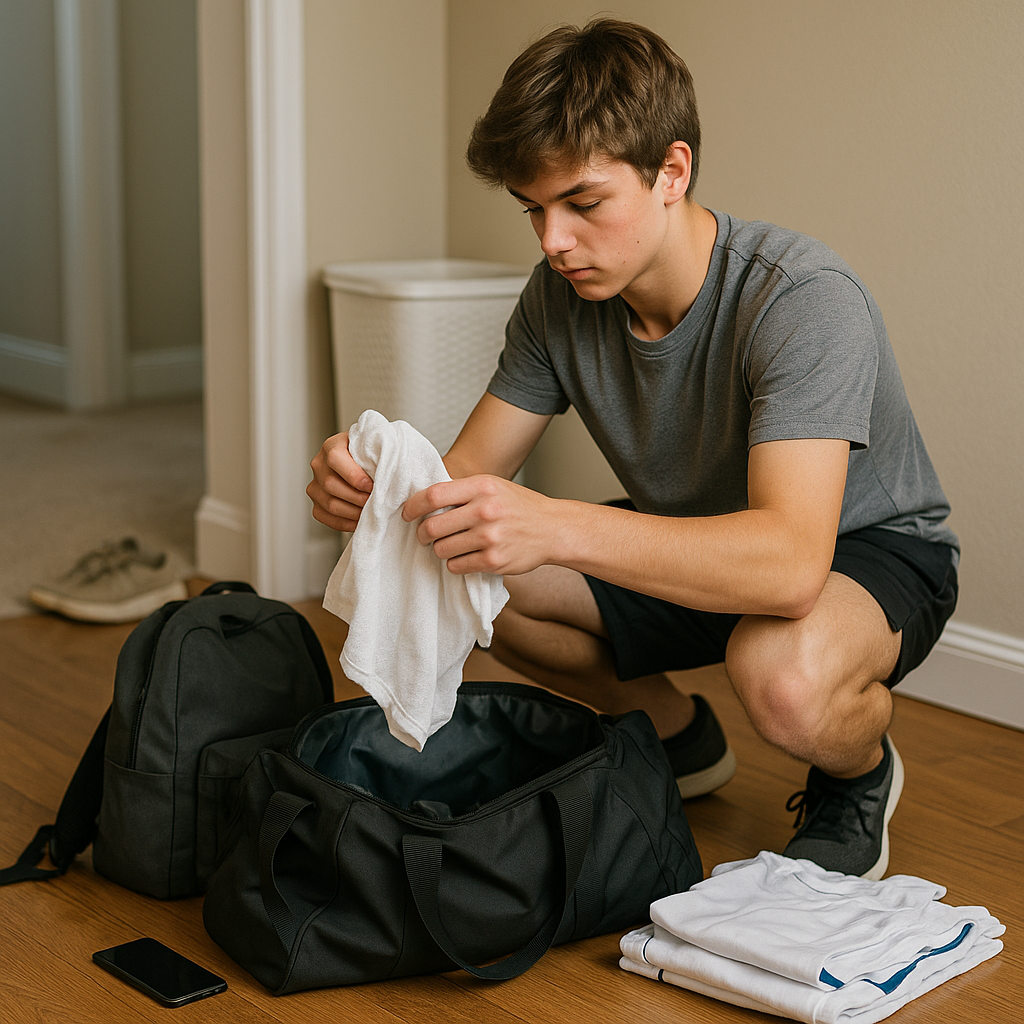
The cleanest one I've seen is what a couple of my captains call the bag dump. They walk in, drop the backpack and duffel on the same patch of floor, set a timer for 12 minutes, and do three things in the same order every time. One: pull out anything wet. Socks, compression shirt, sliding shorts, whatever. It goes straight into a hamper or onto a towel on the laundry room floor, not back into the Under Armour bag to ferment. Two: refill the boring supplies. One roll of athletic tape goes in the side pocket. A spare pair of laces, a couple of Band-Aids, and a small deodorant stick go in the zip pouch. Not a full pharmacy, just the stuff that saves a practice from turning into a scavenger hunt. Three: stage tomorrow. If it's a game day, the uniform pieces get stacked in one place so the kid isn't hunting for the right belt at 6:40 a.m. If it's a lift day, they put the shoes by the door. If it's a late bus day, they shove a charger brick into the backpack.
This isn't about being neat. It's about reducing the number of decisions you have to make the next morning. When you're running on too little sleep because you got home late and still had schoolwork to finish, you don't need extra decisions before first period.
I've watched kids try to skip this and do it later. Later, at 11:47 p.m., they can't find their mouthguard, and suddenly they're texting coaches and parents in a panic spiral. Twelve minutes looks small, but it keeps the week from turning into a string of little emergencies.
A physical cue that tells you when to stop
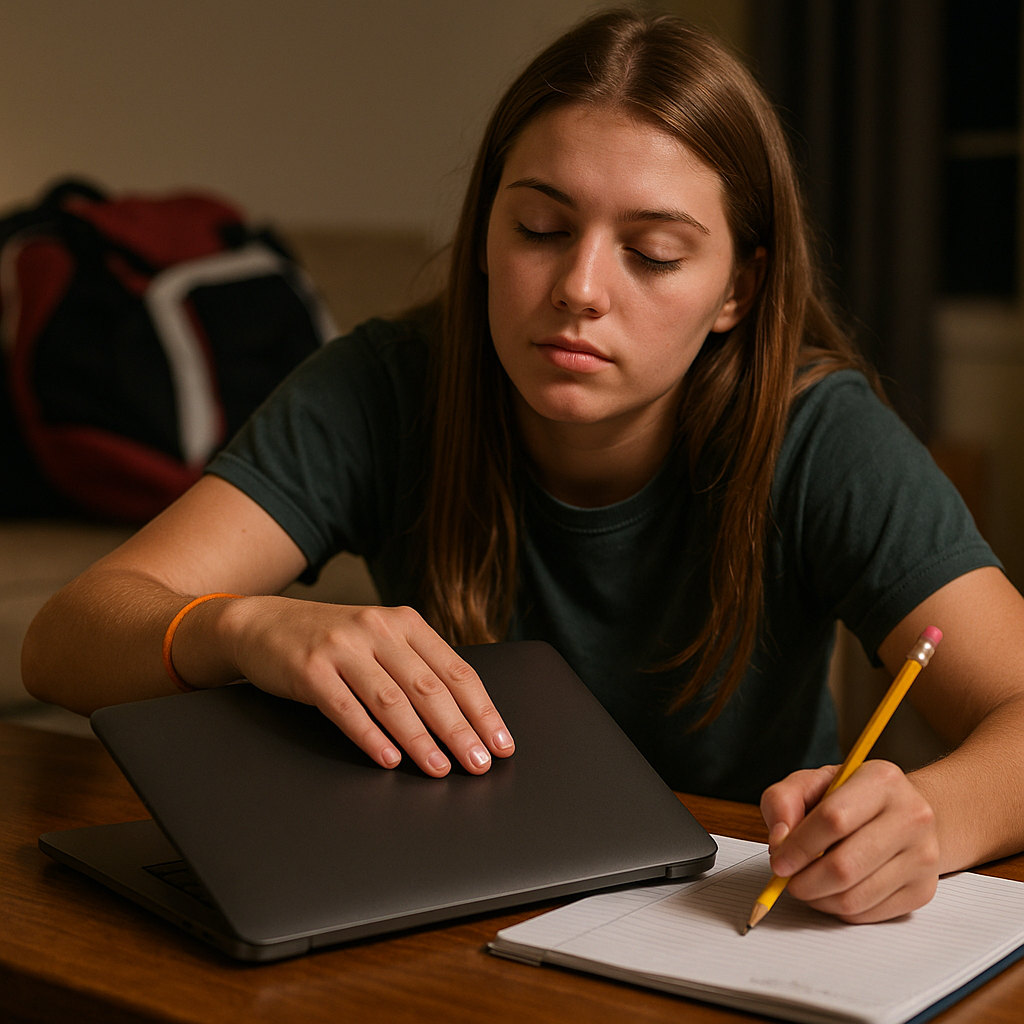
Every coach says, Get your work done. Kids who juggle two sports and schoolwork often benefit from knowing when to stop for the night rather than pushing work later and later, especially on nights when practice ran long, and the ride home turned into a 45-minute detour.
The simplest trick I've seen is almost dumb, which is why it sticks. One of my infielders kept a single gum band (the wrapper band from a pack of Extra) around her pencil. When homework started, the gum band went on her wrist. That was her work mode cue. When it got to a certain point in the night, she moved it back to the pencil and shut the laptop. Not after she finished everything. After she finished the one or two tasks that mattered for tomorrow.
We set the cutoff together during a stretch where she was playing travel ball on weekends and still had conditioning for another sport before school. Her rule was to set a reasonable nightly cutoff and stop when fatigue was making the work unproductive. That doesn't mean she ignored school. It meant she protected sleep so she could function in class and not look cooked at first pitch. The next day, she'd use a free period, a study hall, or the bus ride to clean up whatever was left. If your kid's school uses Canvas or Google Classroom, planning is easier because you can see what's truly due rather than what's just sitting there like a guilt pile.
The gum band isn't magic. It's a physical stop sign. Multi-sport athletes get trapped by the idea that grinding later proves they're serious. But the calendar doesn't care how serious you felt at 11:30 p.m. when you're dragging in second period, and your legs are dead at practice.
Pick any small object that lives with the school stuff, and make it the off switch. The point is to end the night on purpose, not by collapsing with the Chromebook still open.