
Three small gear adjustments made our players more comfortable at the plate and on the bases.
The mouthguard strap is about retrieval, not toughness
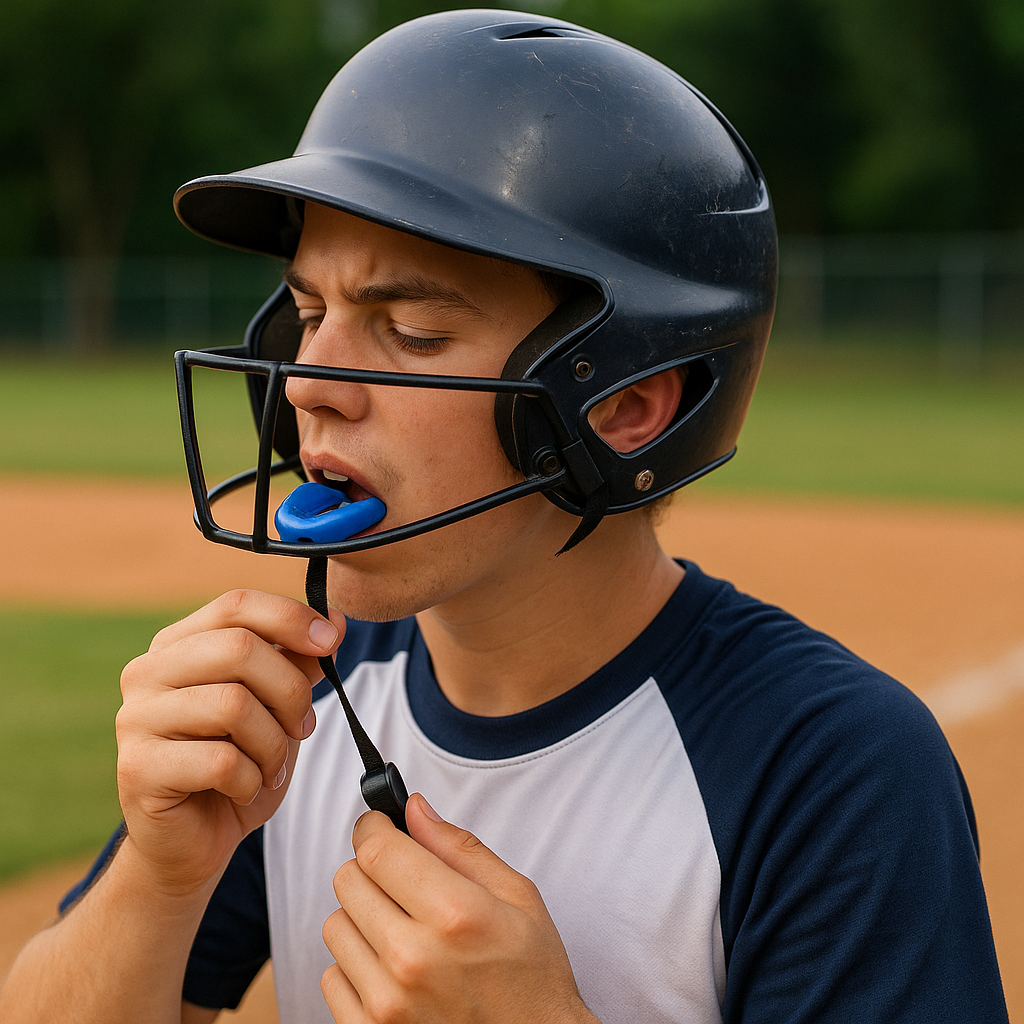
I used to think mouthguards were a football thing that baseball kids tolerated for exactly one practice, then lost. The change for us wasn't a new boil-and-bite recipe or a lecture. We used a tethered mouthguard designed for the player's helmet, after confirming that the attachment complied with our league's rules and the helmet manufacturer's instructions. The first time I tried it was after a week where I heard the same sound three different days: teeth clacking on a hard stop when a hitter got handcuffed by an inside fastball, or took a late foul tip off the catcher. Nobody got seriously hurt, but I kept noticing the same after-effect. Shoulders up, jaw locked, and then the next swing is tight and late.
When the guard is tethered, it stops being a special-occasion item. Catchers can pop it out between innings without stuffing it into a pocket full of pine tar crumbs, and hitters can put it back in as they step into the box. That matters because the guard only helps if it's in their mouth when the chaotic part happens, not in the bat bag next to a half-open sunflower seed pouch.
Here are the two details I learned the hard way. First, the strap needs to be long enough that it doesn't tug when a catcher turns their head to find the ball in the dirt. A short tether turns into a fidget toy. Second, connect it only to the attachment point specified by the manufacturer. If you hook it to a loose strap, it bounces and slaps the helmet, and the kid will ditch it by Tuesday. Once it's on the helmet, you stop hearing "Coach, I can't find my mouthguard," and the whole thing becomes boring. Boring is the goal.
Smart sliding mitts: stop buying the oven-mitt bricks
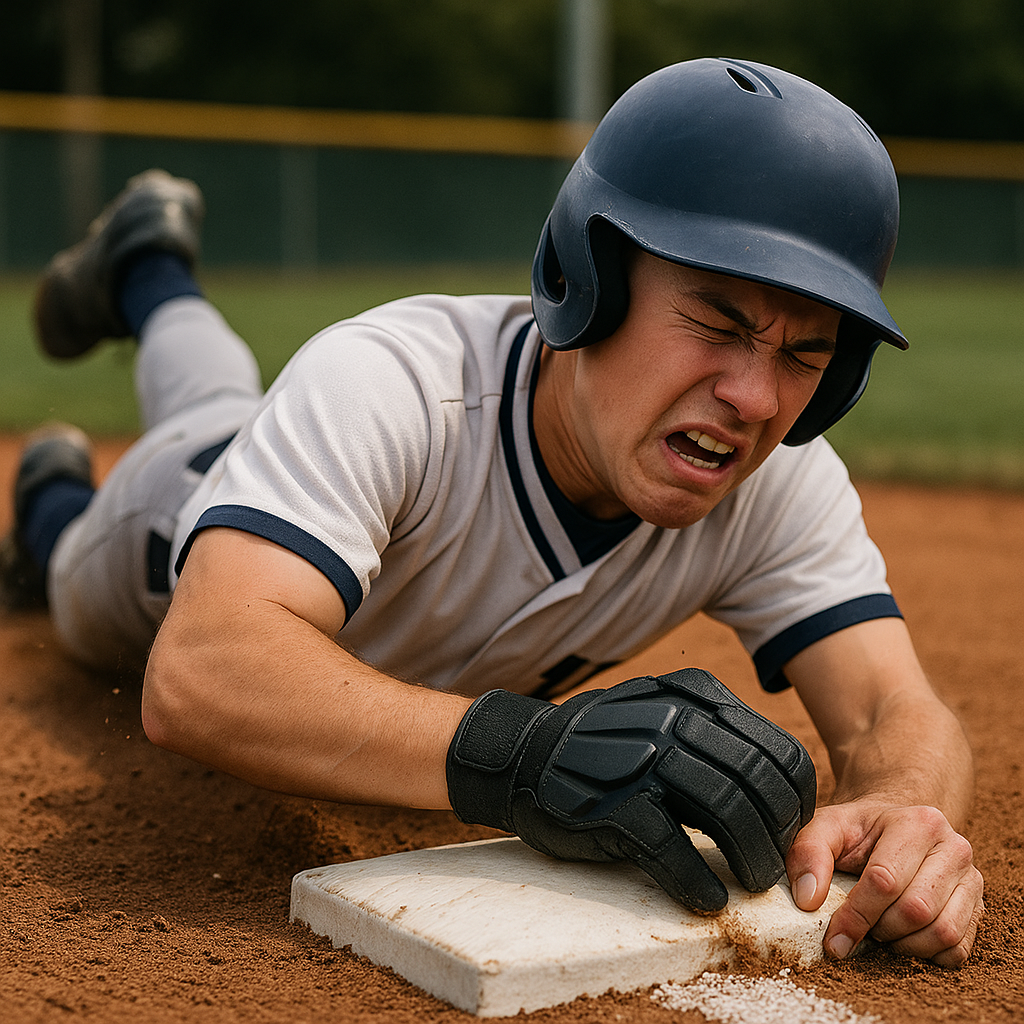
Sliding mitts are everywhere now, and a lot of them are built like cosplay armor. They look impressive on Instagram. In a dugout, they create a different problem: a kid tries to steal with a padded brick in their hand, can't pump their arms naturally, and then they arrive late and tense. I've seen bulky mitts interfere with a runner's natural arm movement, so fit and mobility became my main concerns.
What I like in the newer designs is less about "more protection" and more about shape and hinge points. You want a mitt that protects the thumb side and the top of the hand without forcing the wrist into one position. If the wrist can't move, the runner will compensate somewhere else, usually by reaching early or diving awkwardly. I tell our players to do a simple check before we commit: put the mitt on, sprint 20 yards, and then practice a pop-up slide on grass. If they can't get the hand down and then pull it back under their chest without it catching, it's too bulky for them.
Two specifics I look for when I'm shopping, or when a kid shows up with a new one: one is a secure thumb channel. If the thumb can float around inside the mitt, the padding doesn't line up when it matters. Two, an adjustable strap that sits on the back of the wrist, not across the palm. A palm strap feels fine when standing still, but becomes a hot spot once sweat and dirt get involved. By the third inning, they're peeling it off, which defeats the whole point.
Also, don't ignore how it stows. The mitt that fits in a back pocket or clips to a belt with a small carabiner gets used. The mitt that needs its own zip case becomes a pregame accessory and nothing more. The innovation isn't that padding exists. It's that the good ones are finally designed around base running mechanics instead of just looking tough in a slow-motion clip.
Low-profile shin guards for hitters who crowd the plate
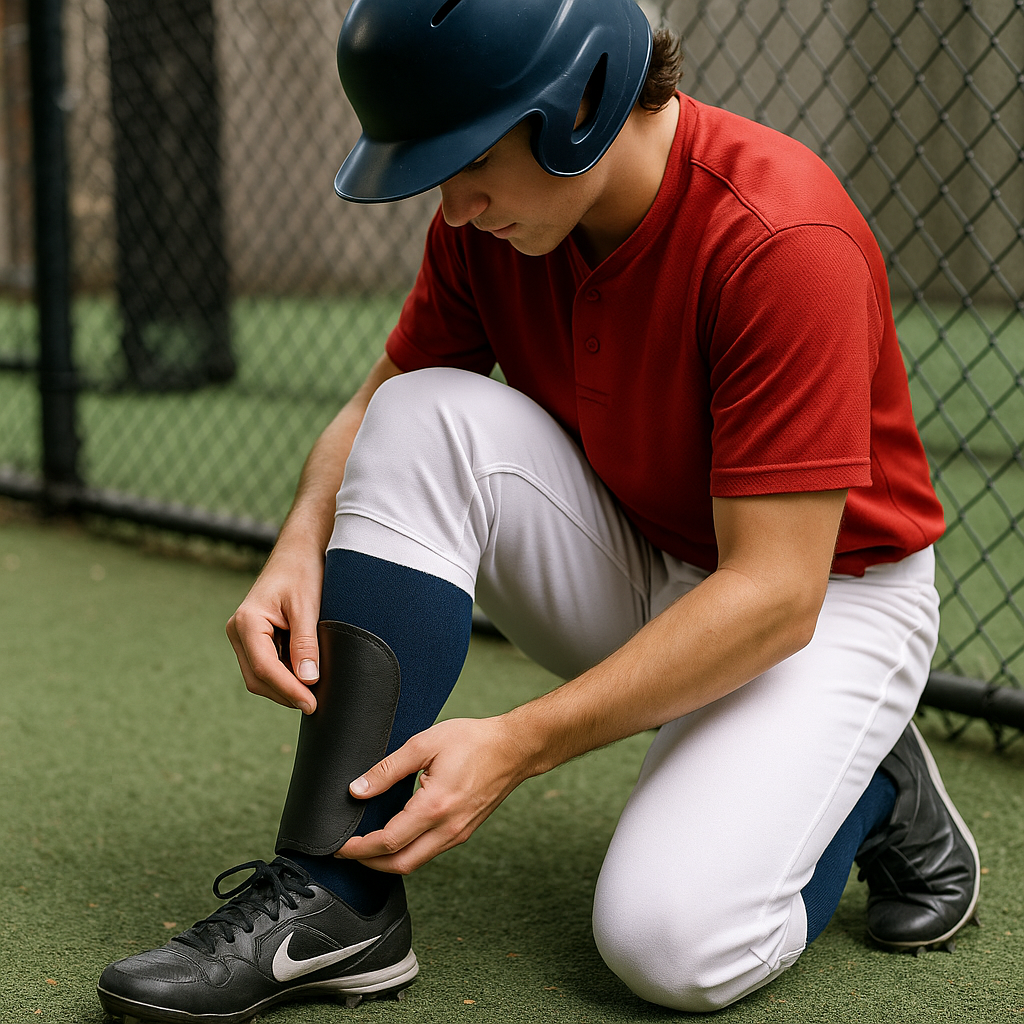
Every season, I have at least one hitter who camps out over the inner third and pays for it with a purple shin. The old solution was a giant guard that strapped on like catcher's gear. It worked, sort of, but it also changed everything about how the kid moved. They'd feel it on the stride, open early, and then we'd spend a week trying to fix a timing issue we created with protective plastic.
The innovation I've come around on is the low-profile stuff: thin guards that sit under the pants and cover the exact spots that get tagged by foul balls and front-hip pitches. I'm not talking about a fashion sleeve. I mean a piece with enough structure that, when you tap it with your knuckles, it doesn't fold like cardboard. The sweet spot for a lot of youth hitters is a guard that adds only a few millimeters under the fabric. You can still get the same pant break at the ankle, and the kid doesn't feel like they're wearing a road cone on one leg.
Here's how I fit it in the cage. First, have them get into their stance and take three dry swings. If the guard pushes the front knee outward or you can see the pant leg twisting, it's too wide or strapped too tightly. Second, check the top edge. If the top lip sits right where their knee pad or compression sleeve ends, it will rub, and they'll start adjusting it mid-at-bat. Move it slightly down the shin so the pressure point isn't at a joint. Third, make sure they can still get into a controlled check swing without feeling the guard bite. The "bite" feeling is what makes kids subconsciously shorten up and bail.
I like pairing it with long baseball pants and a simple stirrup-style sock or a snug high sock, because it keeps everything from migrating. When the guard stays secure and feels comfortable, my hitters appear less distracted by inside pitches during batting practice. That makes it easier for me to evaluate the hitter's mechanics without wondering whether lingering shin soreness is affecting the swing.