The Real Reason Cristiano Ronaldo Was Seen Eating Grass During a Juventus Game
Cristiano Ronaldo is no stranger to headlines, but one of the more unusual stories connected to his time at Juventus has nothing to do with goals or trophies. It involves him eating grass—literally. This moment happened in the middle of a training session in Turin. The bizarre behavior was a calculated response to something he disagreed with.
The Story Behind the Grass-Chewing Incident
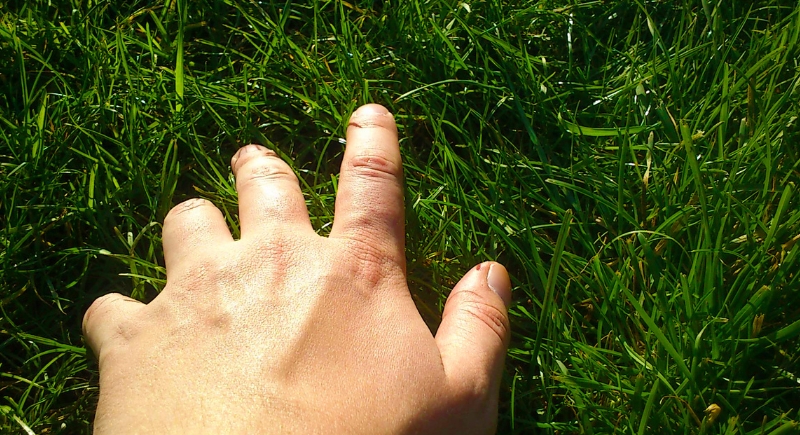
Image via Getty Images/Cofefe
Gianluca Frabotta, who trained alongside Ronaldo at Juventus, shared the story in an interview years after it happened. It took place during the 2019–20 season under head coach Maurizio Sarri. At one training session, Sarri instructed on set-piece movements while outlining exact positions and expected runs. Ronaldo didn’t react angrily, but he clearly didn’t appreciate being told how to move in situations he felt he could read naturally.
As Sarri spoke, Ronaldo plucked a piece of grass from the pitch, smelled it, and began to chew. Then he explained calmly, “I like to understand the field — to know how the ball moves.”
Frabotta later recalled the moment vividly. Ronaldo never interrupted or contradicted the coach; his gesture said enough. He didn’t want instructions that limited his natural game. He trusted his instincts—a feel for the pitch and the play—more than any tactic drawn on a board.
Sarri’s Structured Coaching Clashed with Ronaldo’s Instinct
When Maurizio Sarri took over at Juventus, he brought his trademark system with him. His coaching philosophy relies on repetition and positional discipline. He expected players to follow detailed tactical instructions, especially between set plays and transitions. This approach didn’t align with how Ronaldo played.
Ronaldo tracked the flow of the game and adjusted in real time. The grass-chewing moment showed how much he trusted his natural read of the pitch. Sarri admitted later that managing Ronaldo was difficult. He described him as a “multinational player,” and acknowledged that balancing Ronaldo’s status with team tactics required constant negotiation.
Ronaldo nevertheless delivered on the field while scoring 37 goals in 46 appearances throughout that season. It was his most productive year in Italy, but the working relationship never settled, even as Juventus won the Serie A title.
Juventus Won Trophies, But Not Harmony
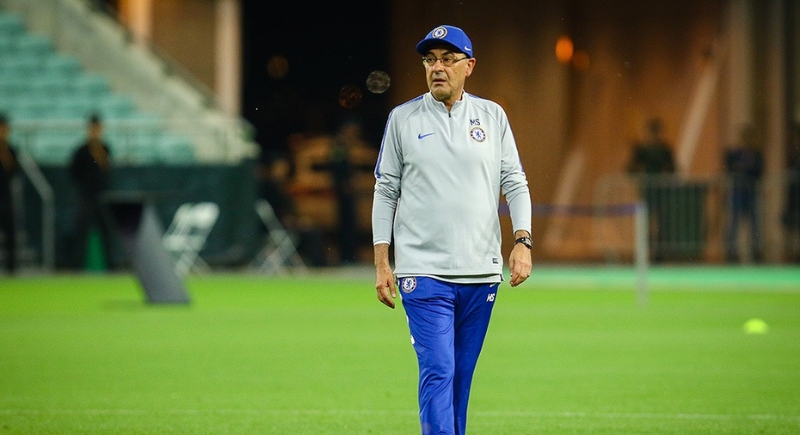
Image via Wikimedia Commons/Amir Hosseini
Sarri himself described the title win as “without celebration,” pointing to the lack of unity in the locker room. Ronaldo’s performance that season stood out—he led the scoring charts and remained consistent—but his presence didn’t translate into a smooth system. Sarri left after just one season, after a disappointing Champions League exit. The internal dynamics likely played a role in that decision.
Ronaldo influenced the team on and off the pitch, and when his approach didn’t match the coach’s expectations, the imbalance became hard to manage. Frabotta’s account of the grass-chewing episode highlights that disconnect.