
From ankle sprains to pitch-count fatigue, a tiny QR sticker can tie wearables, notes, and return-to-play decisions together fast.
The QR sticker on a shin guard that links the whole file
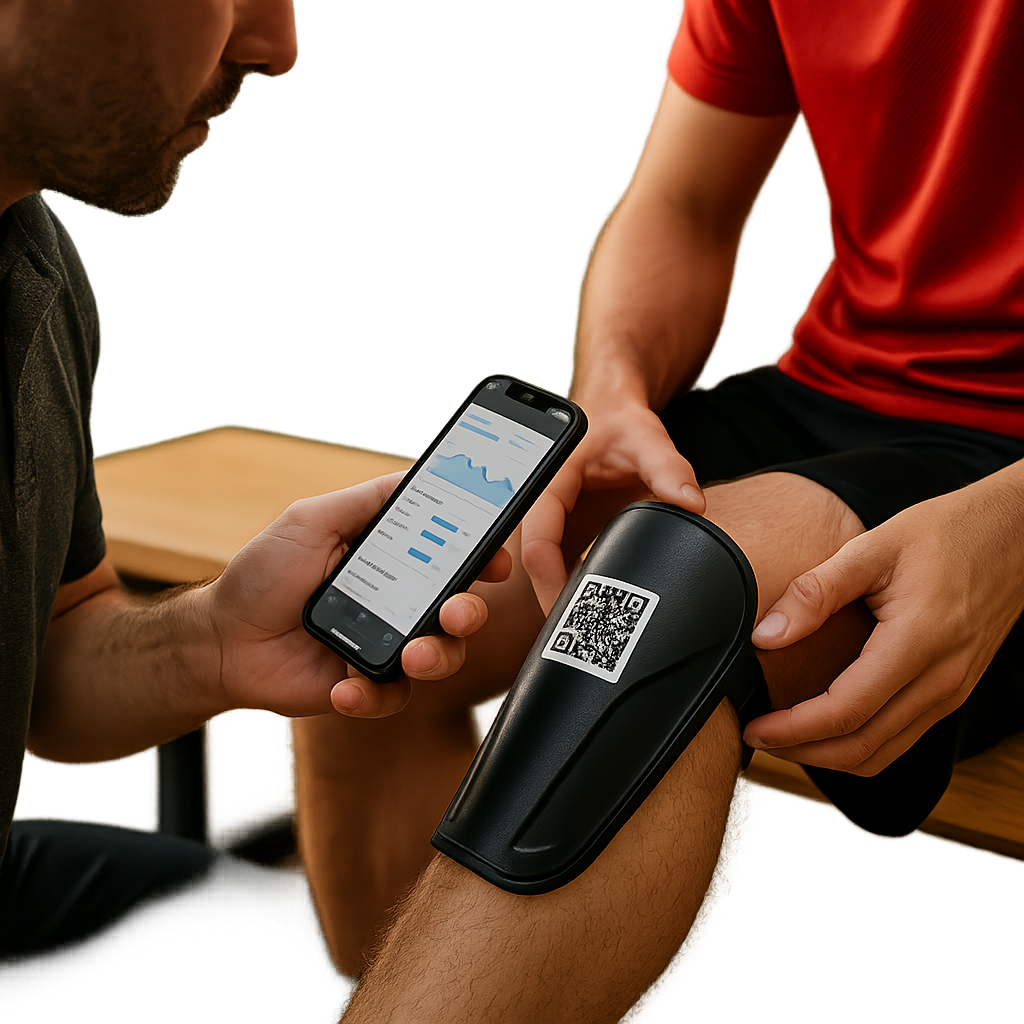
We tried a bunch of fancy ways to make injury-prevention data usable, and the dumbest-looking one has held up the best: a weatherproof QR code sticker on gear. Not a paper label taped to a locker. A real vinyl sticker (the kind people use on water bottles) that lives on a shin guard shell, the inside of a batting helmet, or the plastic case of a chest strap. Our athletic trainer scans it with a phone, and it opens one page that pulls together what matters right now: the athlete's wearable trendline (HRV or resting heart rate if they track it, plus sleep if it's reliable), yesterday's session RPE, and the last few notes from the training room.
The magic isn't the QR code itself. It's that it removes the "wait, which account are you on?" nonsense when a kid is limping in from warmups. If an athlete wears a Garmin or an Apple Watch on their own time but the school uses something else during practice, we still link to the same hub page. The hub can be as plain as a Google Doc with a table, but it needs the same three things every time: date, workload marker (minutes, pitch count, jumps, or GPS distance), and a short flag like "ankle taped" or "slept 5h". When the trainer scans, they're not hunting through email or trying to remember whether the athlete's device is syncing today.
Where it helps most is the quiet, high-frequency stuff. The kid who always has tight calves but never misses a rep. The basketball player whose Whoop strain is normal but whose jump count spikes every time JV and varsity both need bodies. The sticker doesn't prevent an injury by itself, obviously. It stops the gaps: the missing context between what the wearable shows and what the athlete says, and the missing continuity when different adults are making decisions on different days.
Heart-rate alerts are only useful if you set team rules
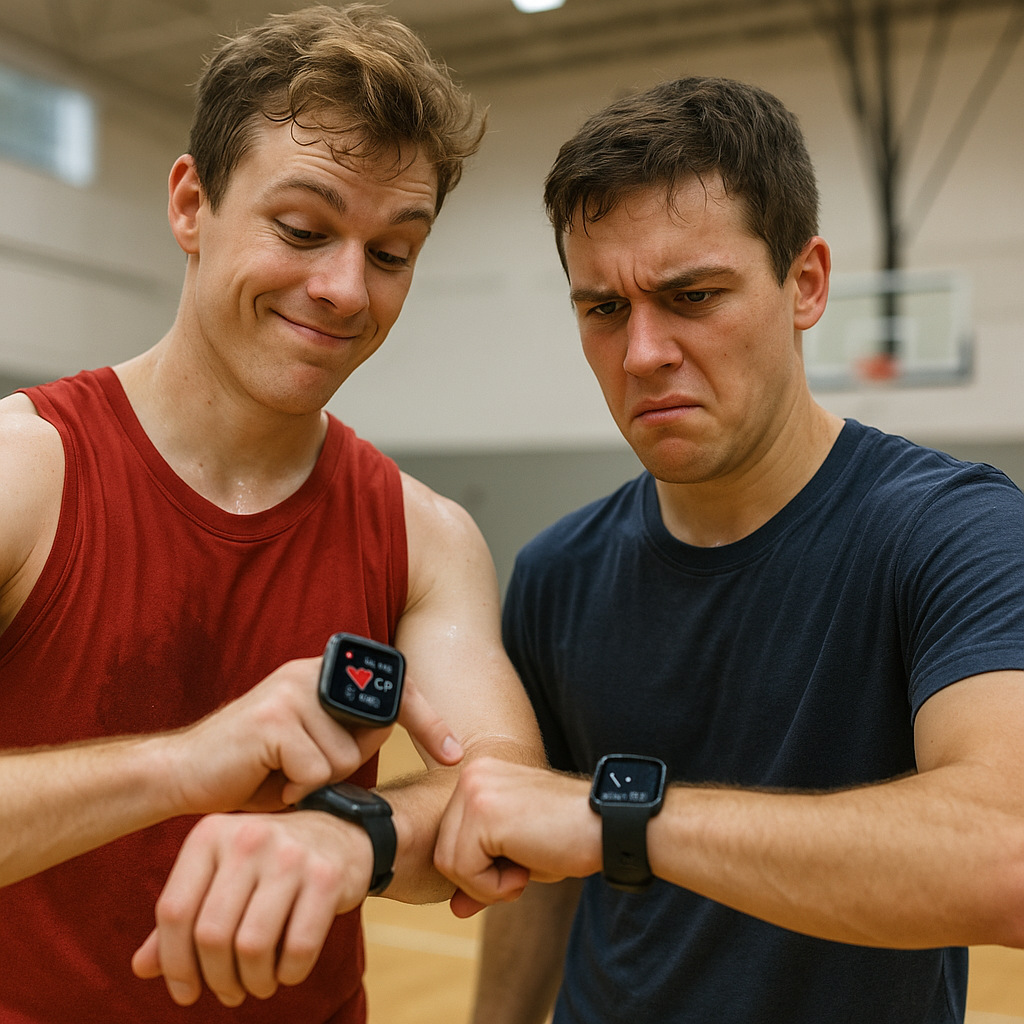
The first time we turned on heart-rate alerts, half the team treated them like a badge of honor and the other half thought their watch was broken. That's the trap. A wearable can buzz all it wants, but unless the program spells out what to do with that buzz, it turns into noise, or worse, a competition.
What we landed on is boring and extremely specific. We pick one signal the staff will honor during practice, and we write it down like a policy. For us it was a combo of (1) sustained heart rate staying elevated longer than usual after a hard interval set, and (2) an athlete reporting a higher-than-normal effort for a warmup that should feel automatic. Some kids track on Apple Watch, some on Polar, some on Garmin. I don't care which brand, but I do care that the athlete and one adult are looking at the same screen and using the same language.
Here are the rules that made it usable:
- No public callouts. If a device flags something, it's a quick sideline check-in, not a your HR is crazy announcement to the whole group.
- One re-test before we change the plan. Watch the recovery for a minute or two, then decide. A single spike from a strap slipping or an optical sensor losing contact doesn't get to rewrite practice.
- We log the decision, not just the number. Cut last two reps or switched to bike matters more than the exact bpm later.
Once the kids saw the pattern, they stopped trying to game it. And the staff stopped reacting emotionally to a high number. The point isn't to wrap athletes in bubble wrap. It's to catch the obvious outliers early: the kid coming off a cold who insists they're fine, the soccer player who had a two-hour club session last night, the wrestler cutting weight whose resting heart rate is quietly drifting up all week. Wearables won't diagnose anything, and they can't tell you why a number moved. But they can give you the nudge to ask the question before the hamstring grabs in the third sprint.
Return-to-play that doesn't guess: baseline tests you can repeat
School programs get pulled into return-to-play decisions whether they want to or not. A kid tweaks an ankle on Tuesday, swears it's fine by Friday, and now the staff is stuck balancing safety, competitiveness, and the fact that teenagers can be wildly convincing when they want to start. This is where wearables and training data help, but only if you're disciplined about what you measure. I like baselines that are repeatable with the gear we already have and that don't require pretending a watch is a medical device.
My go-to is a small battery of checks that the athlete can repeat without drama: a short walk-run progression timed the same way, a set number of controlled jumps (for basketball/volleyball), or a set of acceleration buildups (for soccer/football). The wearable isn't there to certify health. It's there to show whether the workload response looks like the athlete's normal pattern again. If the athlete's heart rate ramps faster than usual for the same easy pace, or recovery lags compared to their own baseline, that's information. Same with sleep: if their device shows they've been sleeping five hours a night all week, I'm not surprised when their body feels like it's made of rust, even if the ankle is technically improving.
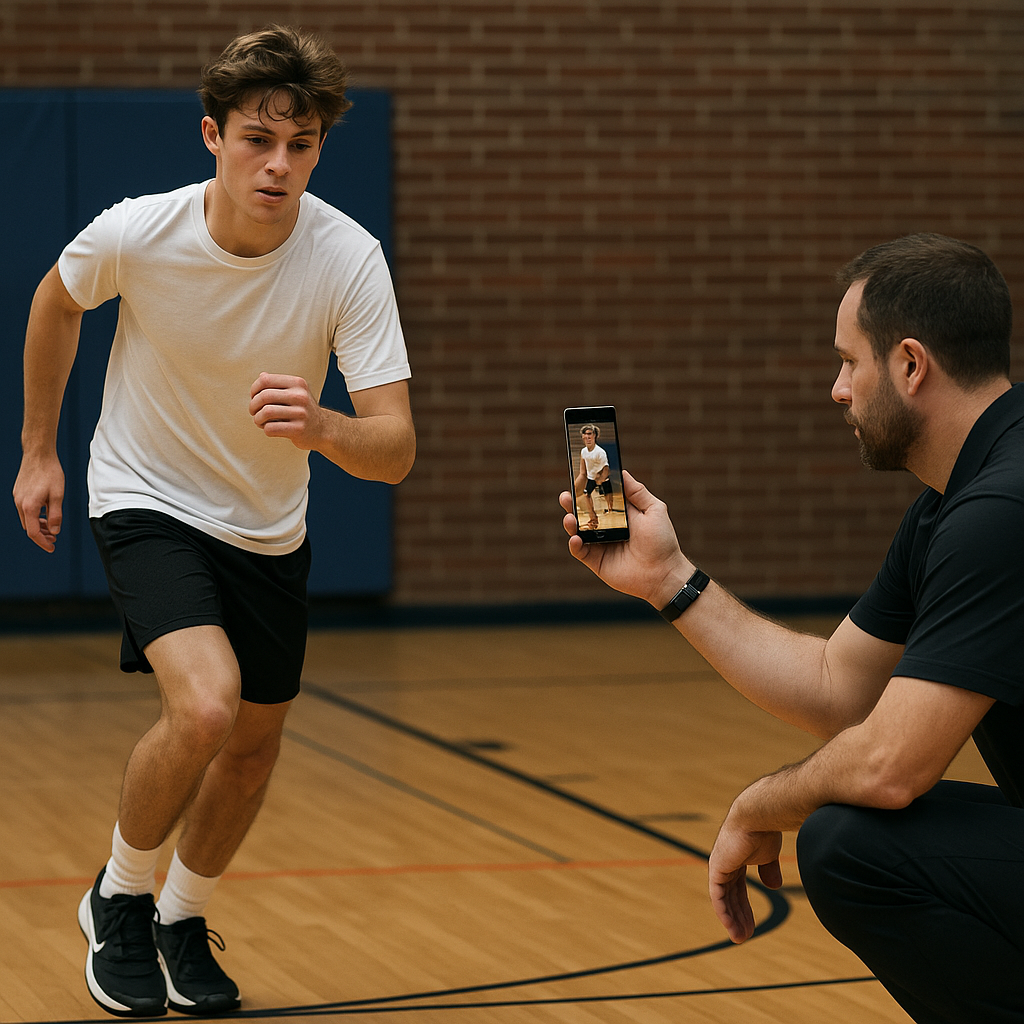
The other piece that keeps this honest is matching the data to something you can see. We video a couple reps on a phone from the side, just enough to catch limping, favoring, or a stride that looks guarded. Then we compare it to the baseline clip from before the season, or at least to a healthy day. The trainer's notes matter here, too: swelling, taping, pain rating during and after. That's why I like tying all of this back to one shared log that the athlete, coach, and trainer can access.
And yes, sometimes the data says green and the athlete still isn't ready, because their confidence isn't back or their movement quality is off. That's not a failure of tech. It's the point of using it as one input instead of the whole decision. The win is when you stop arguing from vibes and start talking about the same two or three repeatable checks, week after week, until the athlete is truly back.