
A simple Discord role chart fixed comms, attendance, and a real path from JV to varsity for our esports kids.
Discord roles as your unofficial depth chart
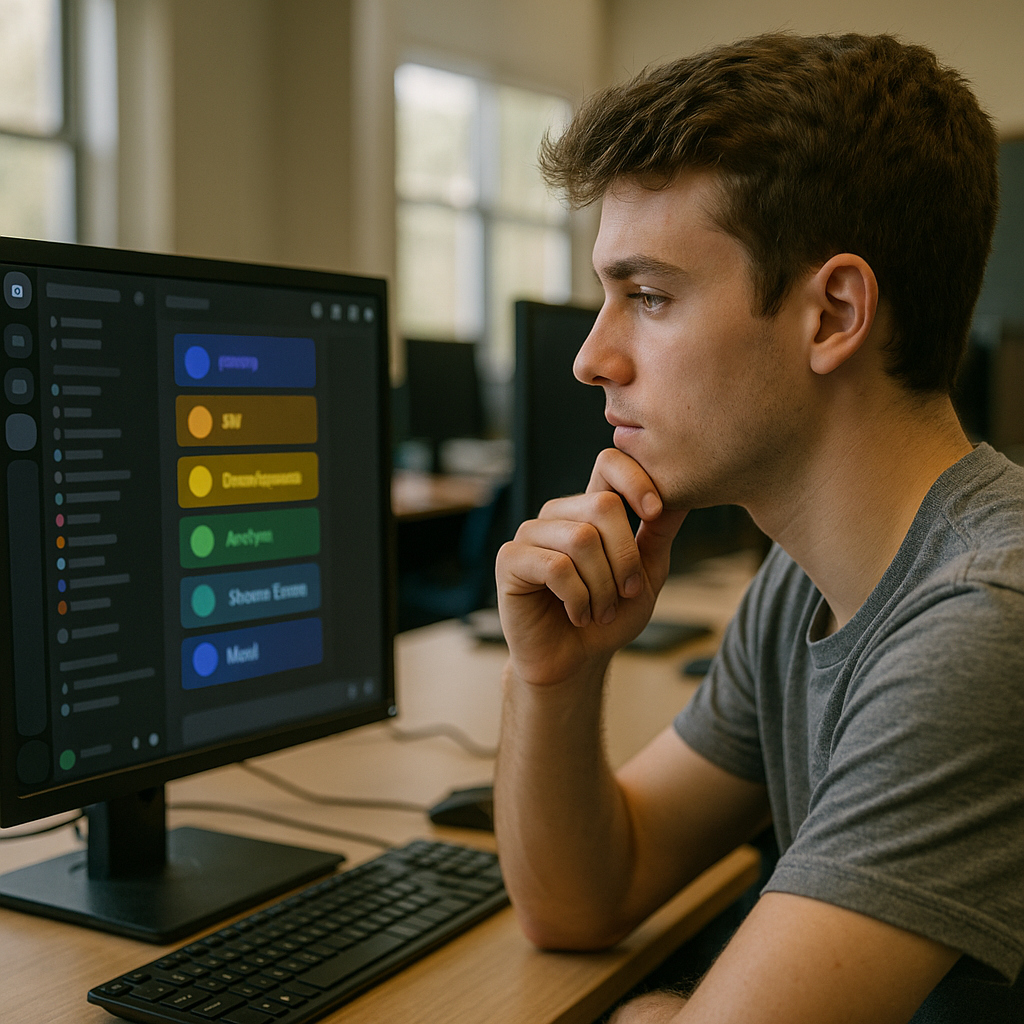
When we first tried to build an esports pipeline that felt like a real program, our problem wasn't skill. It was invisibility. Kids who weren't starters had no obvious way to matter, so they disappeared after a couple losses or one awkward scrim. The fix that finally stuck was a Discord role chart that worked like an unofficial depth chart, except it rewarded the stuff traditional varsity tryouts almost never capture: reliability, prep, and communication.
I set up server roles that were readable at a glance: Varsity, JV, Development Squad, Analyst, Stream Team, and Mod. Then I added two small roles that did more work than you'd think: VOD Captain and Comms Captain. Those weren't honorifics. They were responsibilities tied to specific weekly tasks, posted in one channel, with a time stamp and a checkbox reaction. If you were the VOD Captain for Rocket League that week, you clipped two moments (one good, one ugly) and dropped them before Friday. Comms Captain ran a 10-minute warmup in voice that was just callouts and resets, no strategy talk. It sounds simple, but it changed who showed up early and who started taking practice seriously.
The key detail is that roles rotated on purpose. Kids who were stuck behind a cracked starter at striker still got to be visible in a way that mattered. And when we did our next round of tryouts, we didn't have to pretend we were only judging mechanical skill. We could point to the receipts: who posted scouting notes, who stayed after scrims to debrief in a calm voice channel, who could be trusted to run a private match lobby without chaos. That became our development pathway beyond the varsity roster, and the kids could see it right on the right-hand sidebar.
The JV scrim block that keeps engagement from evaporating
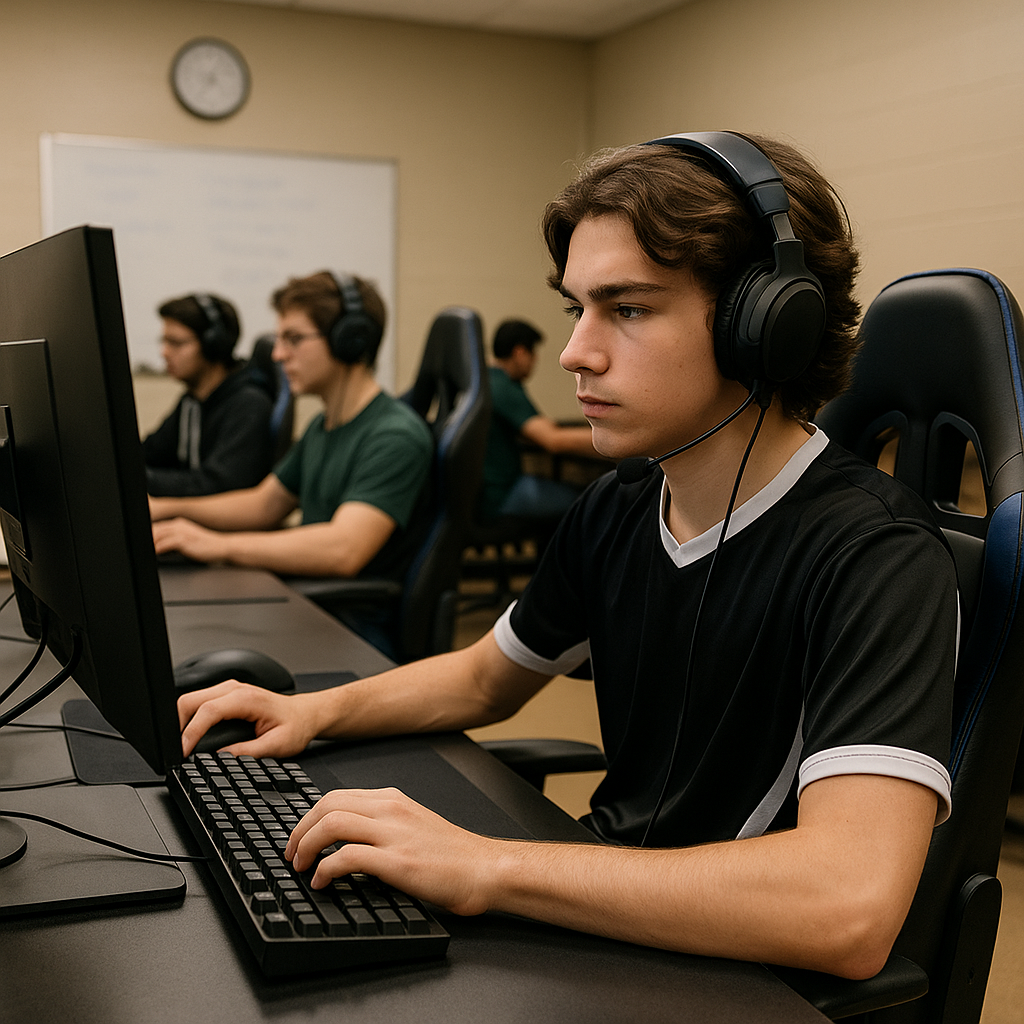
I've watched the same pattern kill perfectly good school programs: varsity gets the spotlight, JV becomes a parking lot, and the kids who need reps the most end up playing ranked alone at home. If you want engagement, you have to give the non-starters a competitive calendar they can feel in their week, even if nobody outside the team ever watches a second of it.
What worked for us was a locked JV scrim block with a rhythm that didn't depend on varsity's mood. Ours was Tuesdays, 4:15 to 5:30, and we treated it like a match window. Warmup, two sets, quick notes, done. The rule was that varsity players could drop in only if they were there to help run it (referee custom games, manage the lobby, or do VOD timestamps), not to farm highlights. That one boundary kept the room from turning into a show-and-tell and kept newer players from clamming up.
We scheduled opponents the same way traditional sports schedule JV: nearby schools, similar size programs, and a few rotating rivals. In practice, that meant a lot of DM'ing other coaches and agreeing on basic formats in advance: game mode, map pool, and whether we're playing best-of-3 or just time-boxed scrims. For the kids, the big win was that the scrims produced material. After each block, our Analyst role dropped three bullets in a channel: one repeatable mistake, one clean adaptation, and one communication moment that swung a round. It's not a lecture. It's a breadcrumb trail. Players who never sniff varsity in September started making obvious jumps by November because they weren't guessing what "better" looks like. They were playing in a structure that made improvement visible and repeatable.
That JV block also became our easiest on-ramp for students who weren't athletes in any traditional sense. The kid who won't try out for basketball will still show up to manage a Valorant lobby, run a bracket, or help with stream overlays, and once they're in the room, it's a short step to joining the Development Squad and getting coached reps.
Patch notes night: teaching adaptation without turning it into homework
Traditional varsity pathways are built around seasons and playbooks. Esports laughs at that because the game will change on a random Tuesday and your favorite comp suddenly feels weird. Instead of fighting that, we turned patch weeks into a standing development night, and it did more for student engagement than any motivational speech ever could.
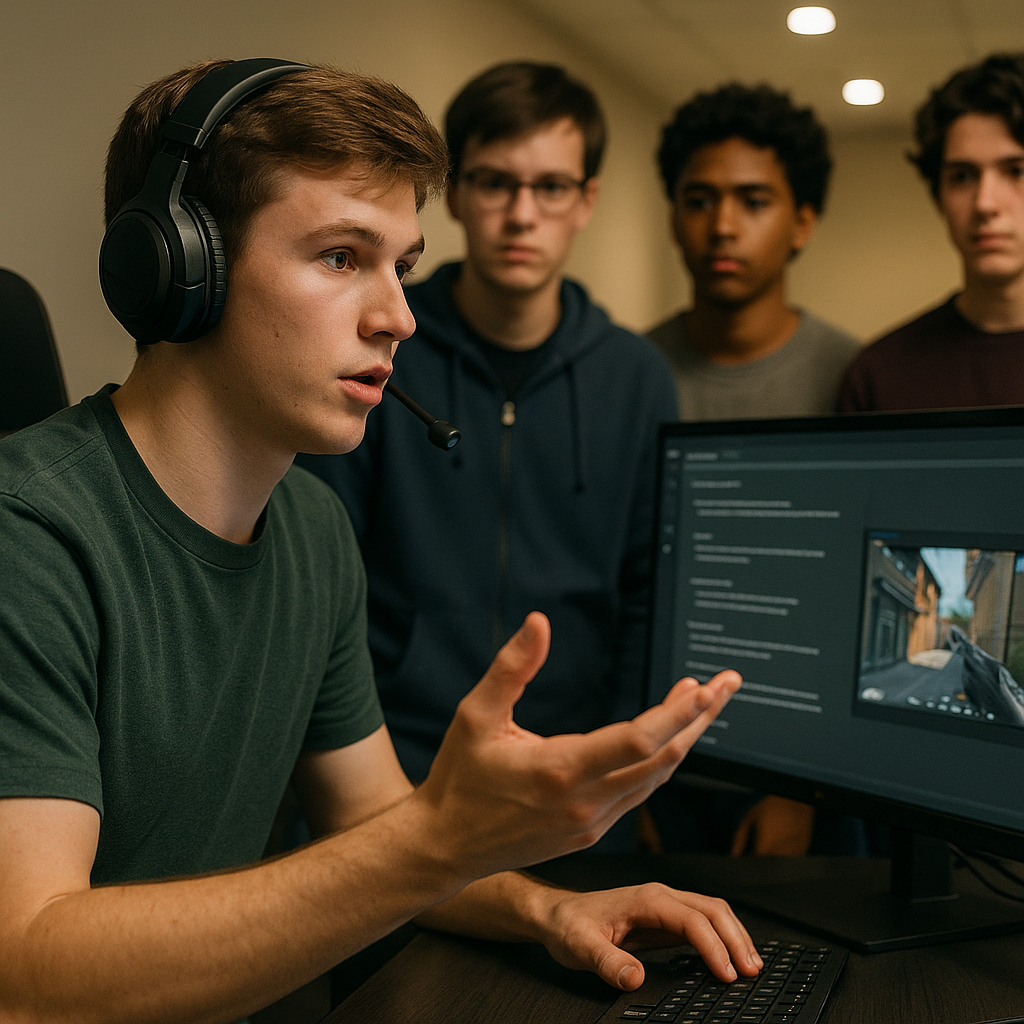
Here's how we ran it: the day a patch dropped (or the day after, once the initial chaos settled), we did a 35-minute "patch notes night" before anyone queued. Not a full read-through. Kids won't sit for that, and honestly, they shouldn't have to. We picked three changes that were most likely to affect school play: a weapon tweak, an agent adjustment, a map rotation, whatever applied to the title we were in. Then we split the work across roles in Discord. One student summarized the change in plain language. Another grabbed a clip from a reputable source (pro match footage, a known analyst channel, or an official dev post). The third proposed one experiment we could run in customs right then.
The hands-on part is what makes it stick. We hopped into a custom lobby and tested the thing for 10 minutes, with somebody calling time and somebody else taking notes in a shared channel. If the change was to recoil, we stood on the same wall and compared spray patterns. If it was a map update, we walked the choke points and argued about sightlines like a bunch of tiny assistant coaches. You could feel the room perk up because it wasn't abstract, and it wasn't just for the varsity kids. A JV player who reads well and explains cleanly suddenly has status, and that status is earned in a way that looks a lot like leadership in any other sport.
Over time, this became a pathway: younger players started as note-takers or clip-hunters, moved into running the experiment, and eventually ran the whole session. When tryouts came around, we didn't just ask, Who can aim? We already knew who could adapt, communicate, and keep a team steady when the ground shifts under them.