
Three behind-the-scenes tells I look for: a compliance sheet, a one-page plan, and a quiet campus visit that isn't really quiet.
The compliance spreadsheet nobody posts (but everyone lives by)

I used to think the portal was all vibes and tampering whispers. Then I got to sit near the boring people for a week: ops, compliance, and the GA who can find a transcript faster than you can find a depth chart on your phone. The thing that drives the first wave of movement is a living spreadsheet that has nothing to do with highlight clips. It tracks credit hours, degree progress, eligibility clocks, and whether a guy can arrive in January without detonating his own timeline. Coaches will say "we love the film" and they might. But the off-field staff is asking a different question: can we make this work without waking up to an academic surprise in week three?
If you want to understand why a transfer gets hot out of nowhere, look for the moments where that sheet flips from "maybe" to green. The common triggers are unsexy: fall grades posting, a registrar finally confirming a course equivalency, a major change that suddenly makes the remaining requirements realistic. On the football side, it ties straight into roster math. Somebody in the building is counting scholarships, counting early enrollees, and counting who might need summer school just to stay eligible. That isn't gossip, it's arithmetic. And once the arithmetic says yes, the whole machine speeds up: a staffer requests documents, another schedules a quick Zoom, and someone in the back hallway starts talking about jersey numbers like the kid already belongs.
I've watched fans melt down because a school missed on a player who ended up elsewhere. Half the time, it wasn't a miss. It was a spreadsheet saying, politely, no. The reason you rarely hear that part is simple: nobody wants to announce they passed because the credits didn't line up or because the degree plan was a maze. But if you follow portal moves like a hobby, the behind-the-scenes tell is the delay. When the contact window opens and a guy doesn't take visits for a week, that gap is often paperwork getting wrestled into something a compliance office can sign off on.
The one-page plan the staff writes before they call your position coach
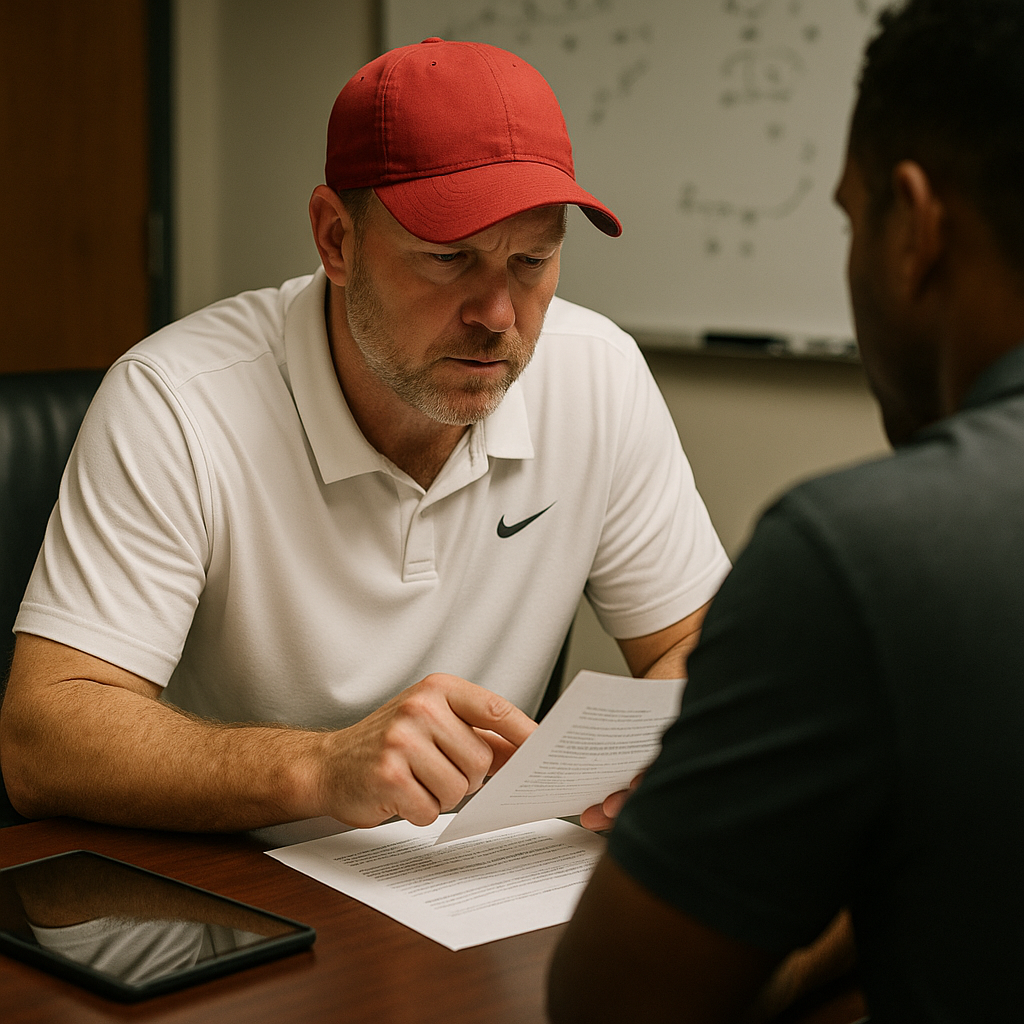
A portal recruitment that sticks usually has a ruthless little one-pager behind it. Not a glossy graphic. A plain internal note that spells out the rep math, the scheme fit, and the risk, written so an OC, a position coach, and a head coach can all agree in five minutes. It reads like: "We need 20 to 25 snaps at X spot. Player A can give us 10, but he's a special teams core guy. Player B is a true freshman we don't want to burn out. Transfer gives us the rest, plus insurance if the hamstring guy pops again." That is the actual pitch, even if the kid only hears the polished version.
When I was around a staff during bowl prep, I saw how fast this gets built. The coaches were watching cut-ups on an iPad, sure, but the ops side was already mapping spring practice. They were listing who can be a full participant on day one, who will be limited, and who is going to miss all of March. Then the transfer talk shows up as a solution to a very specific spring problem: "We can't install the new pressure package if we only have three healthy safeties." That's why certain positions explode in the portal. It's not just talent. It's bodies, it's practice logistics, and it's whether you can run inside run without turning it into a walk-through.
Here's what makes the one-pager a real behind-the-scenes signal: it forces the hard conversation about playing time before anyone hits send on a text. If a staff can't answer who loses reps with names attached, the pursuit often dies quietly. Not because they don't like the kid, but because the locker room cost is too high. Coaches know the moment you bring in a transfer to start, you're making a statement to the room about development, patience, and how quickly you will move on. If you think that isn't calculated, spend one afternoon near a staff after a quarterback meeting. Every personnel decision echoes.
And yes, NIL is in the room, but it's not always the first domino. The first domino is usually this: does the staff have a coherent football plan that can survive spring ball, survive August camp, and survive week six when injuries start stacking? When they do, the communication gets crisp. When they don't, you get vague praise, slow follow-ups, and a recruitment that feels like it never quite starts.
Why the quiet campus visit is the loudest clue
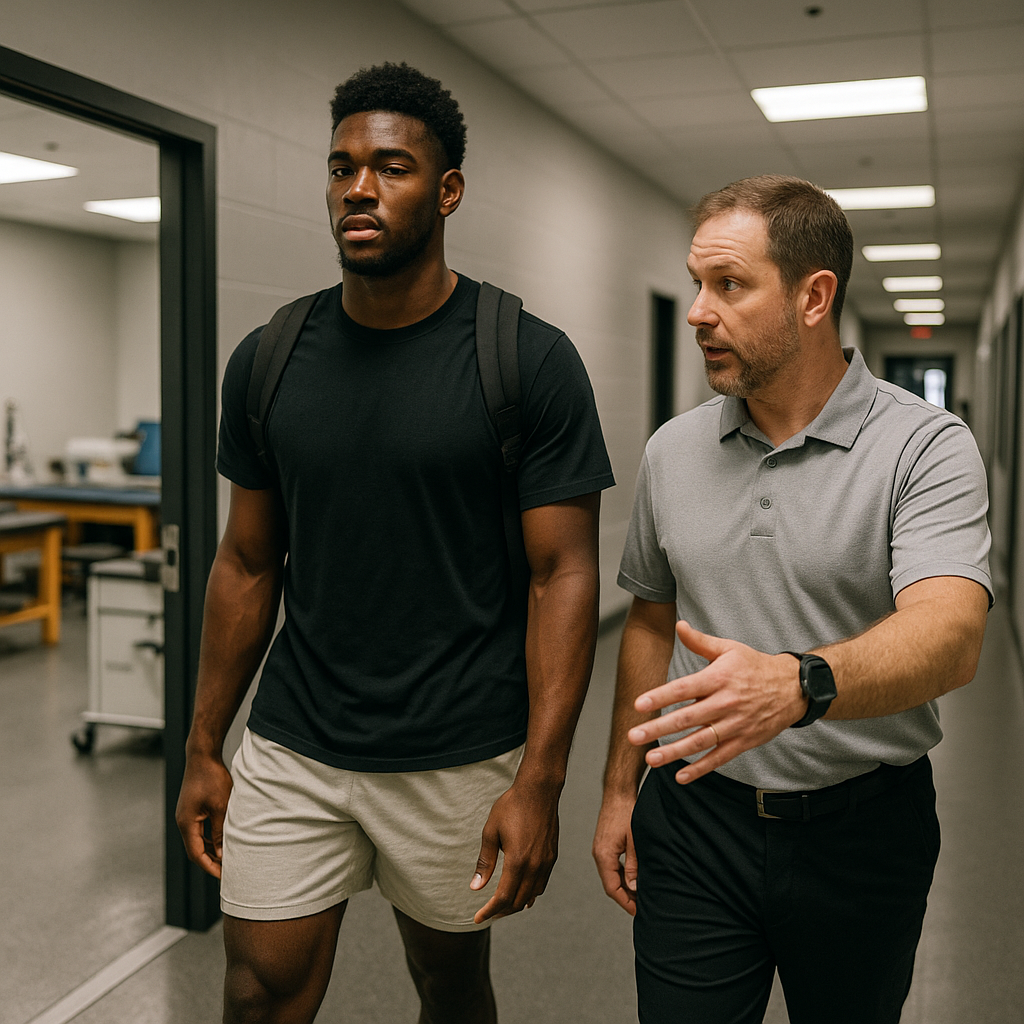
Fans treat visits like a red carpet thing. A transfer shows up, somebody spots him at a steakhouse, the message boards start sprinting. Inside the building, the best visits are often the ones that look like nothing happened. I don't mean secret-agent stuff. I mean the staff moving the kid through the unglamorous checkpoints that decide whether this is real: training room, academic support, player development, and a long walk through the facility at a time when the team isn't spilling out of meetings.
The behind-the-scenes reason is simple. A transfer isn't choosing between mascots. He's choosing between routines. The visit is basically a stress test of the day-to-day. Does the strength staff have an offseason plan that matches his body and his injury history? Are the nutrition options workable if he's trying to keep weight on during camp? Can the academic folks explain, in plain English, how his credits plug in? I've sat near these conversations and the questions aren't fancy. They're practical. "If I have class across campus, how do you handle lift times?" "Who do I talk to when my shoulder flares up?" "What's the expectation for film on Sundays?" If the answers are mushy, the kid notices.
These visits also tell you a lot about roster dynamics. Watch who is asked to host. If the staff pairs the transfer with a guy in the same position group, that means they're confident the room can absorb the competition. If they pick a host from a different unit, that's sometimes a sign they don't want the kid and the incumbent sizing each other up over lunch. Little choices like that are part of the management side of the portal that nobody tweets about.
One more thing people miss: the quiet visit is often quiet because the staff doesn't want to lose leverage. If two schools are in it, the last thing you do is turn it into public theater and invite outside voices to negotiate on your behalf. So the kid comes in, gets his questions answered, and leaves before the photo ops. Then, two days later, the commitment drops and everyone acts shocked. You shouldn't be. The loudest clue was the silence.