How Small Towns Can Build a Local Economy Around Teen Sports Tournaments
Three practical ways to keep visiting teams, families, and their spending closer to home.
Use the Bracket to Promote Local Stops
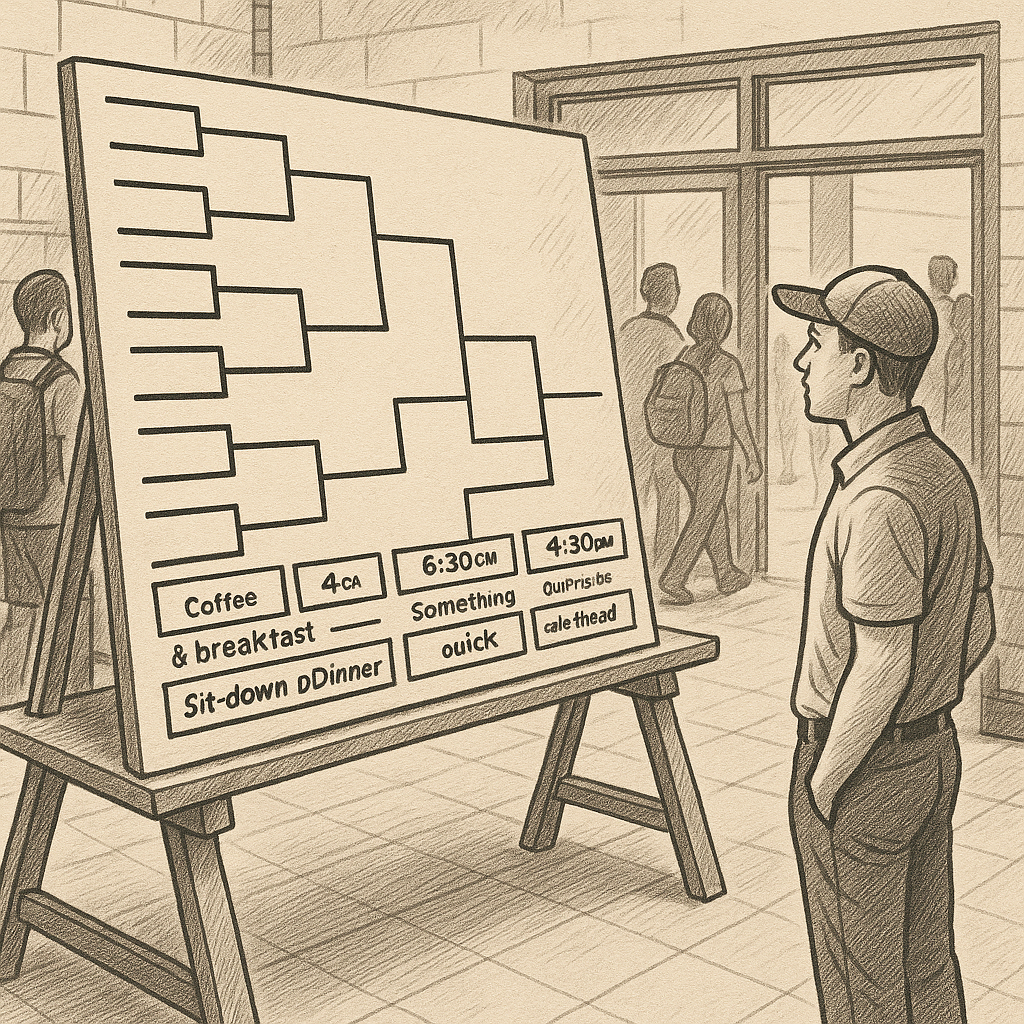
If you want a tournament weekend to spill out of the gym and into the rest of town, stop treating the bracket as a piece of paper taped to a cinderblock wall. Build one big, central bracket board that people naturally orbit, then make it do double duty. The best version I’ve seen was a 4-by-8 sheet of plywood on two sawhorses right where the front doors funnel everyone in, with the bracket drawn in thick black paint pen so it could be updated fast between games. Under each matchup line, there was a small strip labeled with the next game’s time and court, and then a second strip labeled with two local options: coffee and breakfast, sit-down dinner, or something quick for the drive home. No coupons, no QR-code maze, no begging. Just, “If you lose at 11:30, here’s where to feed eight teenagers who are suddenly starving.”
Here’s why it works: parents and coaches are already checking the bracket throughout the day. That hallway moment is already happening. You’re just using it. The local businesses don’t need a splashy ad buy either. They need one clean sentence: hours, address, and a promise they can keep on a swarm day. I’ve watched a diner owner hand the scorekeeper a stack of two-color flyers that said, “Teams eat free?” and it blew up because it was too vague. The board fixed that. It turned into “Team meal: $10 pasta + drink, call ahead.” Now, coaches can plan, and coaches are the ones who move bodies.
Keep the updates tight. Assign one person with a Sharpie on a lanyard, and give them permission to be boring. No mascot doodles, no cute fonts. People are scanning between tip-off and the national anthem, and they want to know where to go and when. If you’ve got a local radio station, set them up ten feet away doing quick score hits. Not a full broadcast. Just enough chatter to catch people’s attention, get them to look at the board, and remind them that your main street is close by.
Turn Between-Game Hours Into Tourism
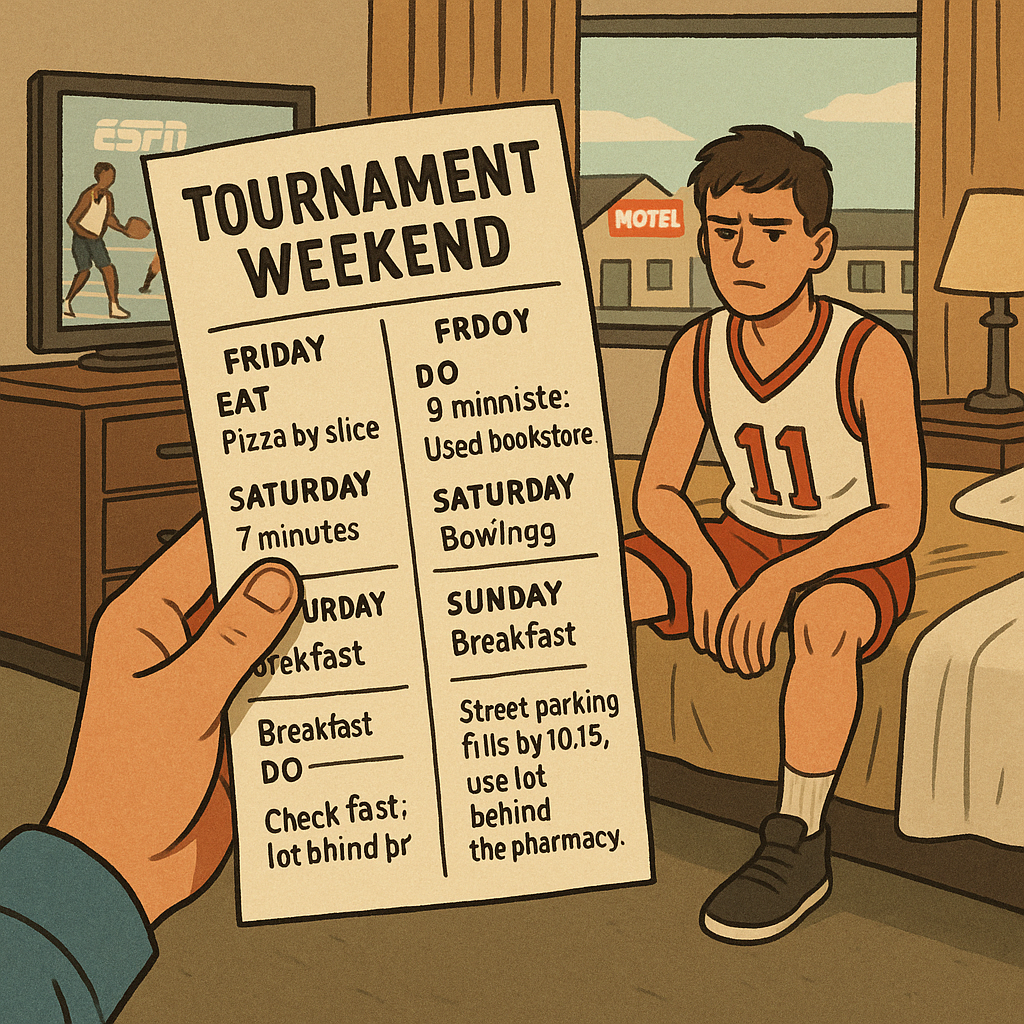
One of the biggest opportunities on tournament weekends comes in the hours between games. That’s when families retreat to a chain restaurant off the interstate because it feels safe, or they sit in a hotel room watching ESPN because nobody wants to get lost in an unfamiliar place with a cranky sophomore who just fouled out. The fix isn’t a tourist brochure. It’s an itinerary that reads as if a coach wrote it: clear, timed, and realistic about how people behave on game day.
I put together one of these for a small holiday invitational a few years back, and it was nothing fancy. One page. Two columns. Friday night, Saturday morning, Saturday afternoon, Sunday morning. Under each block: one thing to eat, one thing to do, and the drive time from the gym. It wasn’t about exploring a “charming downtown”; it was about giving people practical options. It was “7 minutes: pizza by the slice (can handle a line), 9 minutes: used bookstore with a sports wall, 6 minutes: bowling that takes reservations.” The little note that mattered most was parking. I wrote, “Street parking fills by 10:15, use the lot behind the pharmacy.” People thanked me for that more than the restaurant picks.
To make it work as a tourism booster, the tournament director has to hand it out like it’s part of the packet. Put it in the coach’s folder with the rules, the emergency numbers, and the gym map. Coaches will tape it to the inside of the bus door if it’s useful. You want it living where the decisions happen: on the bus, in the team group chat, and at the score table.
And yes, you can borrow a little from how sports media packages an event. Use the same language fans already use: pregame coffee, postgame meal, between-session stop. Mention the obvious landmark so out-of-towners feel oriented fast. If there’s a mural, a minor league ballpark, a small college arena, put it in there. One sentence is enough. The point is to give people permission to leave the gym without feeling like they’re abandoning the tournament vibe. When they come back, they’re telling the other parents, We found this spot, and suddenly your town’s name is getting repeated like a chant in the bleachers.
Have a Plan for Tournament Lodging
When a town says it wants tournaments because they bring in visitors, lodging is the make-or-break, and it’s where small places get embarrassed fast. Not because they don’t have enough beds (sometimes they don’t), but because nobody coordinates the overflow. You end up with teams sleeping 35 minutes away, families scattered across three exits, and a bad taste that lingers longer than the trophy photo.
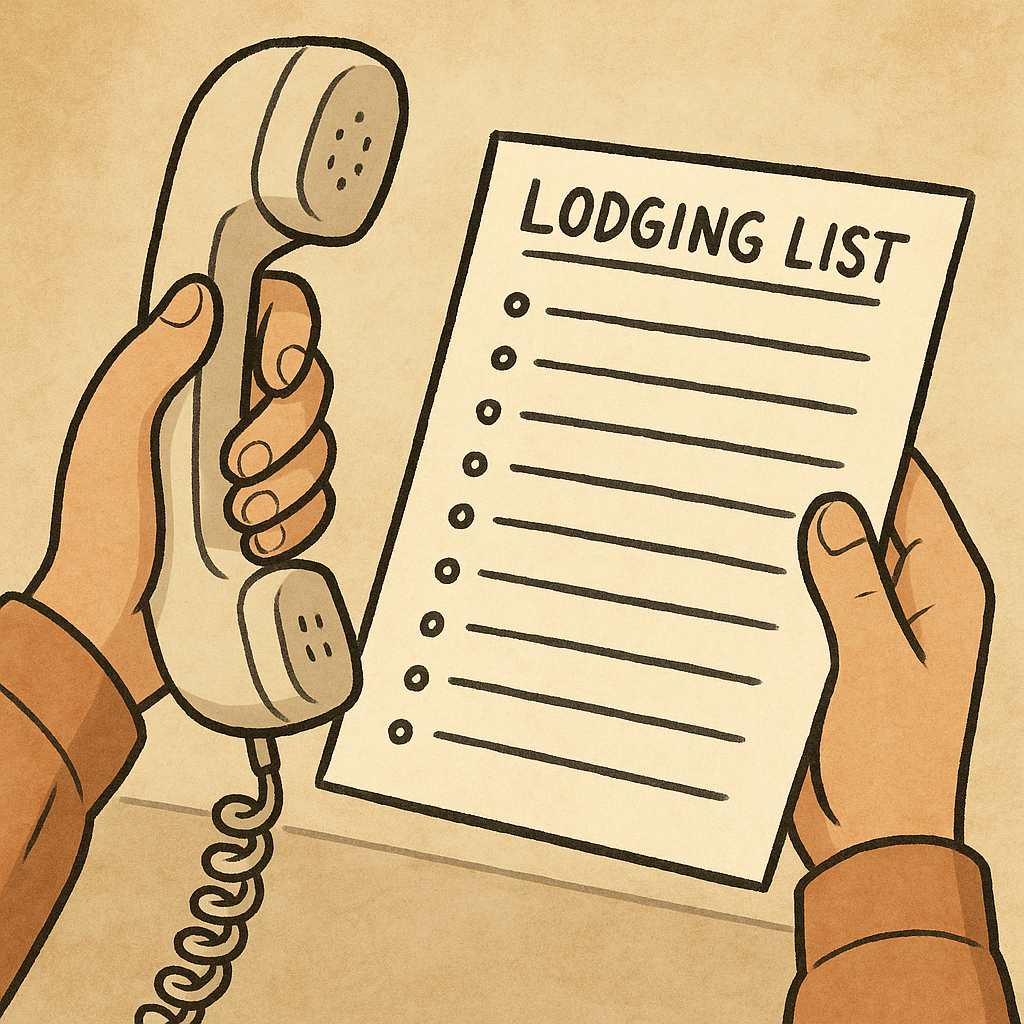
The fix is unglamorous, and it starts months before the first tip. One person should create a simple call sheet and keep it updated. List every motel, hotel, and legit short-term rental contact you can verify, plus the next ring of towns out to about 25 minutes. Then call and ask two questions that matter on tournament weekends: how many double-queen rooms they can accommodate, and what their group-booking policy is when a bracket shifts and teams stay an extra night. Avoid excessive negotiation. You’re just removing surprises. If the answer is, “We can’t hold anything, and we don’t do blocks,” fine. Put it on the sheet so you don’t waste time later.
This is also where you win trust with coaches and athletic directors, the people who decide whether to come back next year. Give them a single lodging contact, not ten phone numbers, and a shrug. I’ve watched an AD relax on the spot when they realized there was a designated person who could say, “If you advance, I can add Sunday night at the same rate, and it’s five minutes from the gym.” That reduces chaos for the team, and it keeps the visiting families in your orbit. They’re not commuting from a bigger city where they’ll eat and shop instead.
Two practical details that matter more than hype: (1) late check-in. Tournament games run long, refs get delayed, and buses roll in after 10:00 pm. If your lodging options lock the doors or get weird about arrivals, teams will remember. (2) breakfast reality. A continental setup that runs out of eggs at 7:15 isn’t a cute complaint; it’s a logistical problem when you’ve got a 9:00 a.m. start and a roster of hungry teenagers.
If your town truly doesn’t have enough rooms, don’t fake it. Build the overflow into the tournament identity: partner with the next town over, put their lodging on the official page, and make the shuttle or drive time explicit. People can handle a plan. What they can’t handle is finding out late at night that the nearest open room is a long drive away and the kid still has to be at shootaround in the morning.