Super Bowl Halftime: The Weirdest Performance Rules You Never Knew
There aren’t many moments in television that attract as much global attention as the Super Bowl halftime show. Musicians rehearse for weeks, crews plan for months, and the NFL oversees an elaborate show that must hit exact marks.
However, behind the performance, there’s a set of strict rules that define every part of the show. These guidelines influence how songs are arranged, what performers can or cannot do onstage, and how even fans planning watch parties must comply with licensing terms.
No Pay for Performers
Credit: Wikimedia Commons
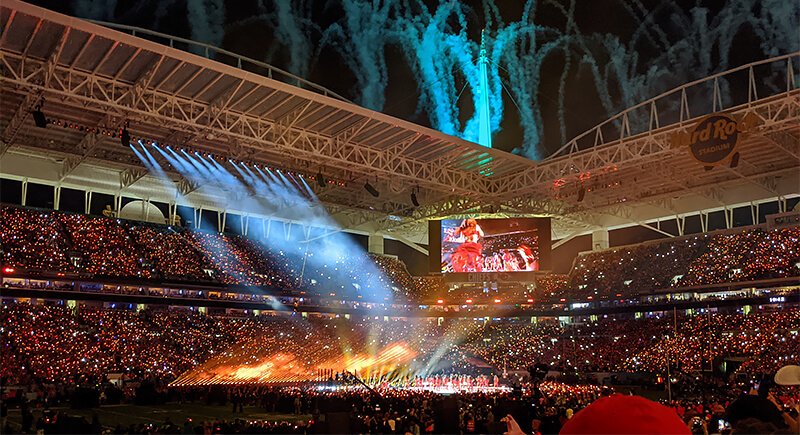
Despite drawing hundreds of millions of viewers worldwide, Super Bowl halftime performers don’t receive a standard performance fee. The NFL pays for production costs and travel expenses, but artists only get paid at a union minimum level. This policy remains longstanding, with no headline act ever being paid a direct salary.
Song Length Limits Rule the Setlist
Credit: Wikimedia Commons
Halftime shows must fit within a 12 to 15-minute window, so artists can’t perform full versions of their songs. They craft medleys and cut tracks down to their most recognizable parts to fit the time constraints. This rule exists so that the set doesn’t delay the game schedule, and crews have to balance artistic flow with rigid timing.
No Obscene Gestures Allowed Onstage
Credit: Youtube
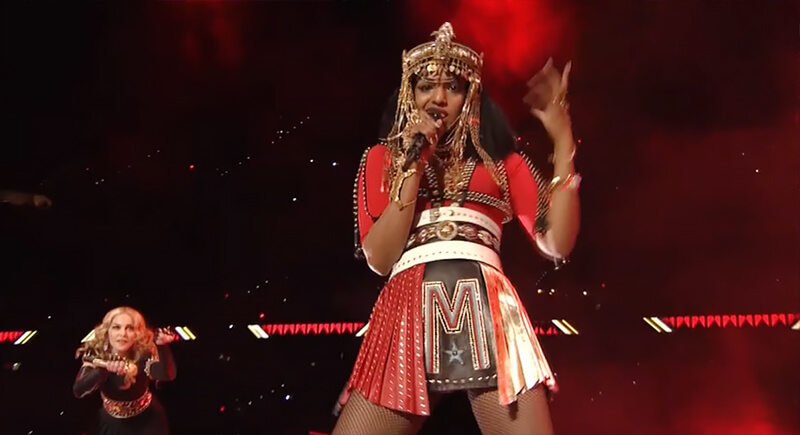
In 2012, a brief hand gesture sparked a major legal dispute when M.I.A. flipped the camera while performing. The NFL argued that the action violated broadcast decency expectations and resulted in a lawsuit seeking millions in damages. The case eventually settled privately, but the moment showed how keenly the league protects its televised image and enforces content guidelines.
Keep Costumes Within Broadcast Standards
Credit: Youtube
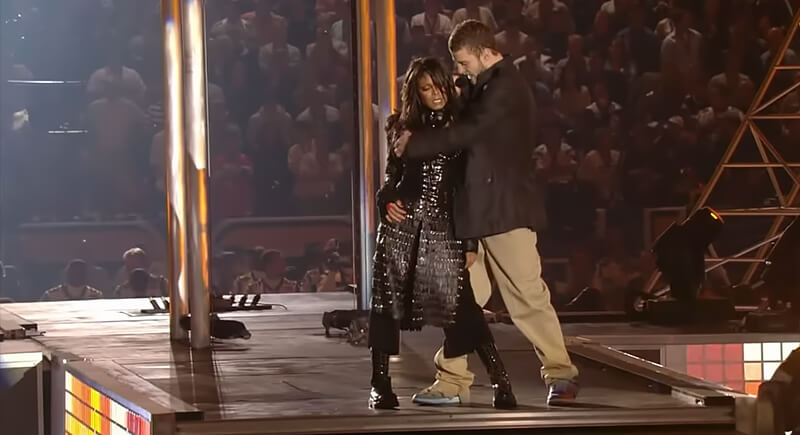
The 2004 show controversy involving Janet Jackson and Justin Timberlake prompted intense scrutiny from regulators and broadcasters. Although legal outcomes later supported broadcasters’ defenses, the public reaction led networks and the NFL to tighten controls over what singers wear and how quickly cameras cut away.
Stage Must Be Built in Just Six Minutes
Credit: Wikimedia Commons
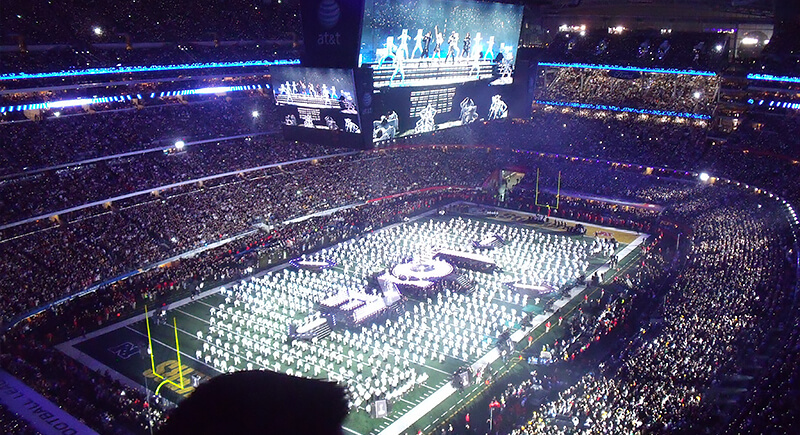
Crew teams have a tiny window between gameplay and act to assemble the entire stage. Detailed planning begins months in advance, and every moment counts once teams exit the field. Rigging, lighting, audio, and scenic elements must be positioned and tested within that narrow span.
Follow Casting Criteria Set by Show Producers
Credit: Youtube
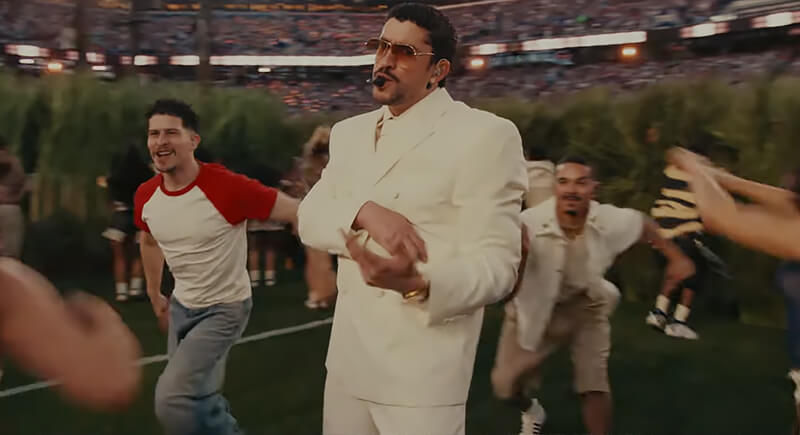
For the 2026 halftime show, when Bad Bunny was set to perform, fans reacted strongly after noticing that some casting calls for on-field entertainers and extras included minimum height ranges. These production-based criteria, not official NFL rules, frustrated many who had hoped to join the live crowd visuals.
Avoid Disruptive Political Statements on Stage
Credit: Wikimedia Commons
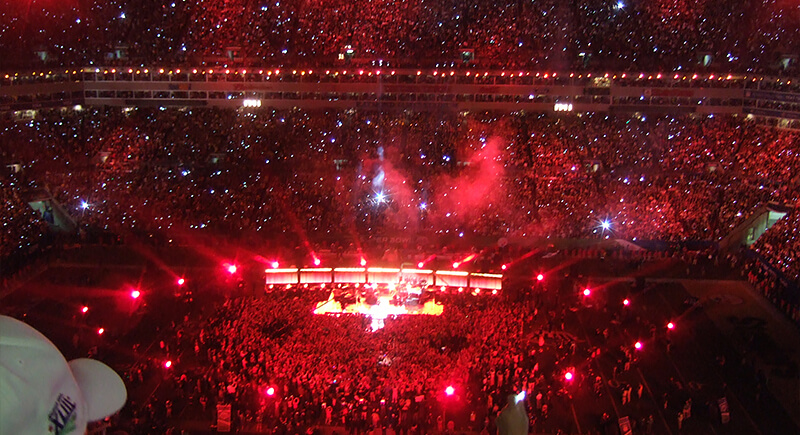
It is no secret that the NFL prefers content to avoid overt political messaging to maintain broad audience appeal. Yet at times, performers have included intentional statements or gestures that drew public attention. Some artists have used symbolic actions or lyrics referencing broader themes, even amid reported objections from the league.
Only NFL-Approved Artists Can Headline the Show
Credit: Wikimedia Commons
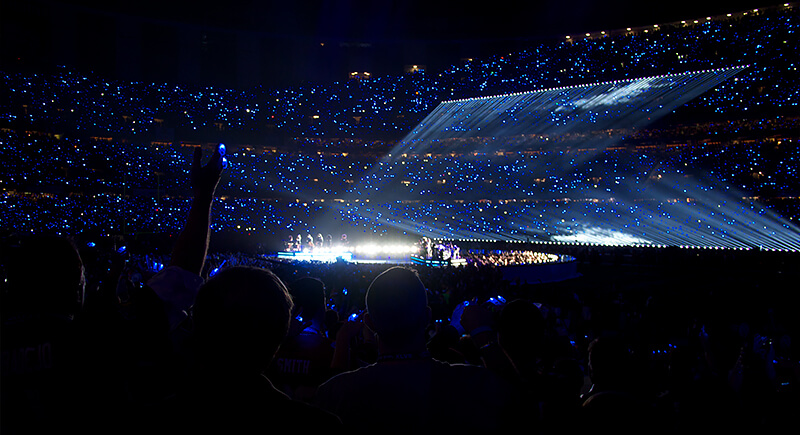
Halftime acts must be approved by the NFL and its production partners. People don’t volunteer or campaign for the slot because the league selects them through an internal process based on broad appeal, past experience, and alignment with the NFL’s brand. Local host committees may offer input, but final decisions come from league executives.
Weather Does Not Postpone the Show
Credit: Youtube
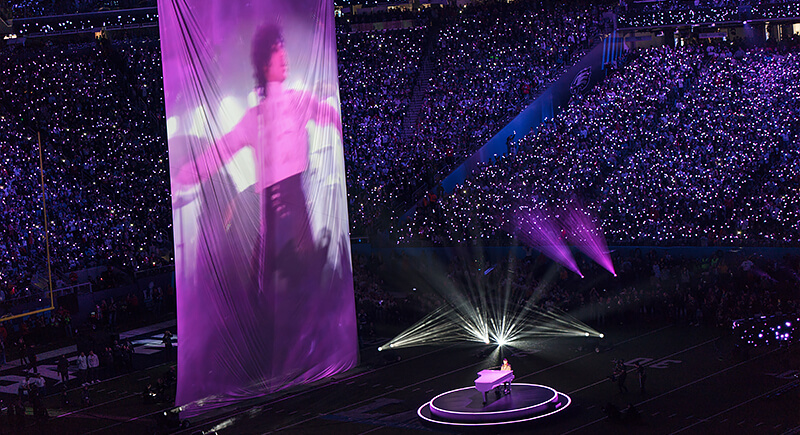
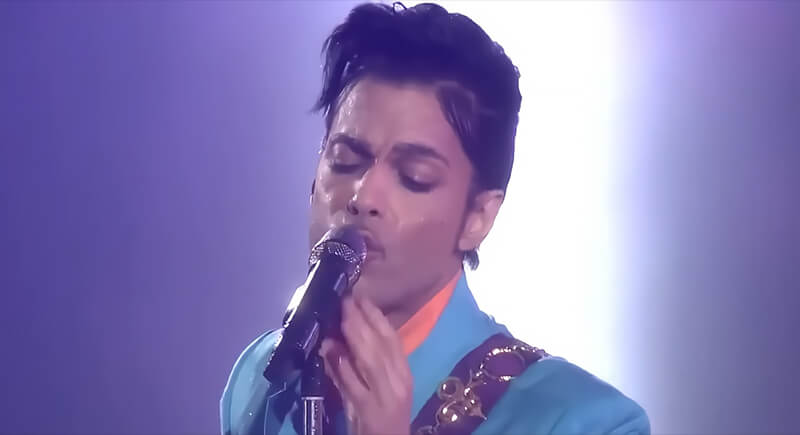
Stage conditions don’t change based on weather forecasts. Performers are contractually obligated to go on, rain or shine. In 2007, heavy rain hit just before Prince’s set in Miami. Producers worried about slick surfaces and soaked equipment, but Prince insisted on playing live. He declined backup options and delivered the entire show in pouring rain.
Public Viewing Parties Must Follow NFL Restrictions
Credit: Wikimedia Commons
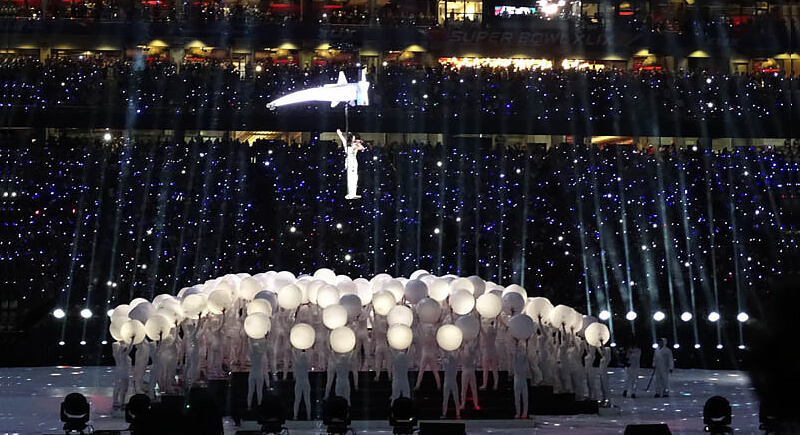
According to the NFL, any public Super Bowl viewing must follow specific rules. Hosts can’t charge admission, use screens over 55 inches, or promote events using the term “Super Bowl” without permission. These restrictions apply to churches, bars, and community centers and protect the NFL’s intellectual property and broadcasting agreements.