Sports Records That Stood for Decades and the Athletes Who Finally Broke Them
Some records remain unchanged for decades, even as players, tactics, and conditions continue to evolve. Over time, those figures settle into place as reference points within the sport. They shape how performance is understood and compared, and when one of them finally gets broken, the change draws attention. There have been several moments that capture that change, when a new standard took over.
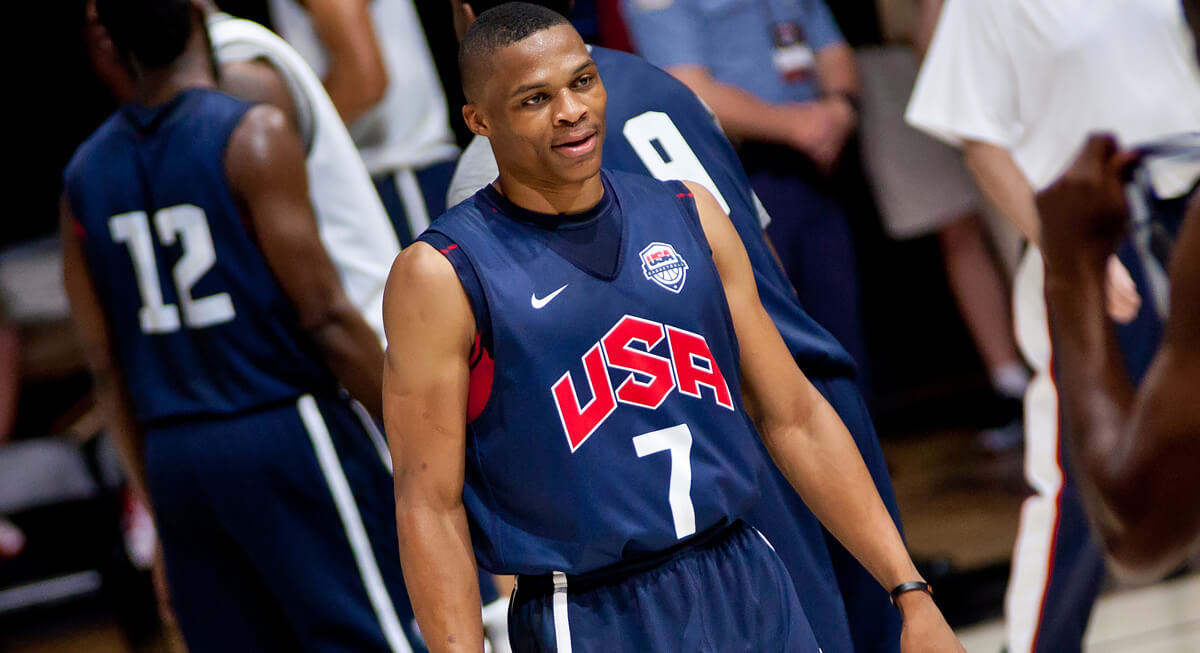
Russell Westbrook Rewrites Oscar Robertson’s Triple-Double Season
Credit: Wikimedia Commons
During the 2016–17 NBA season, Russell Westbrook’s production brought him closer to Oscar Robertson’s 41 triple-doubles, set in the 1960s. As the season progressed, the count continued to rise until he surpassed it with his 42nd. His performance also included 50 points and a late-game winner. What had once been treated as a rare statistical milestone for 55 years became part of a full-season output.
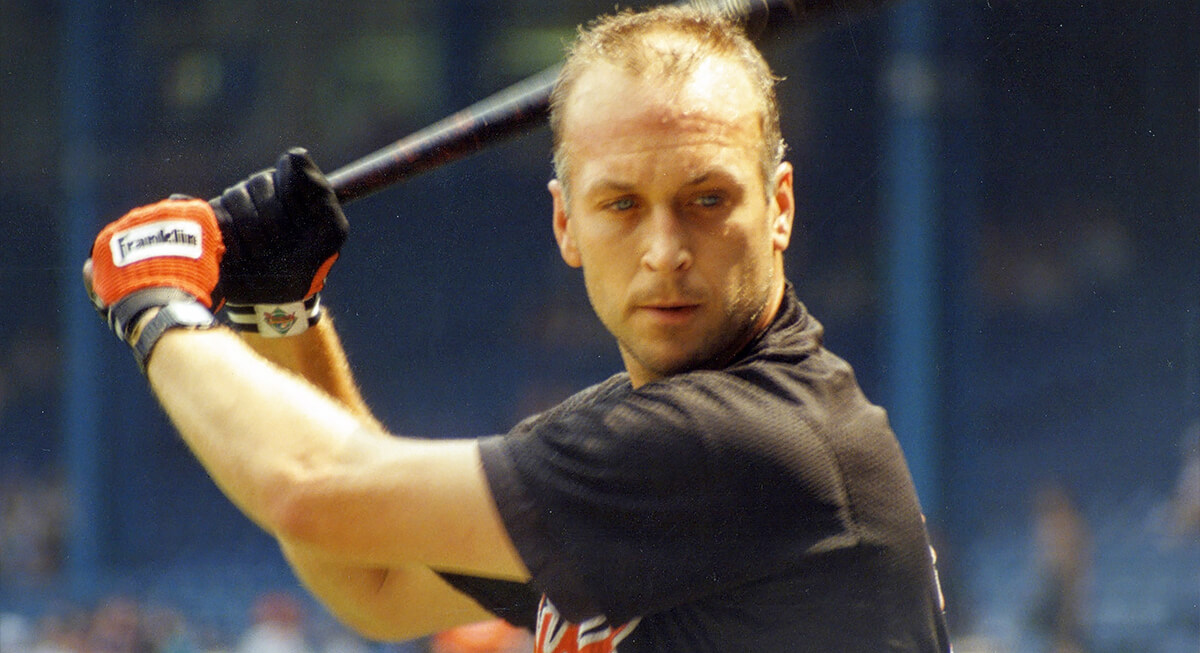
Cal Ripken Jr. Outlasts Lou Gehrig’s Iron Man Streak
Credit: Wikimedia Commons
For more than half a century, Lou Gehrig’s 2,130 consecutive games were baseball’s measure of durability. Few players had approached that level of availability. Cal Ripken Jr. moved toward that total through constant appearances, remaining in the lineup every day across multiple seasons. He passed Gehrig in 1995, and his run continued well beyond it, eventually reaching 2,632 games.
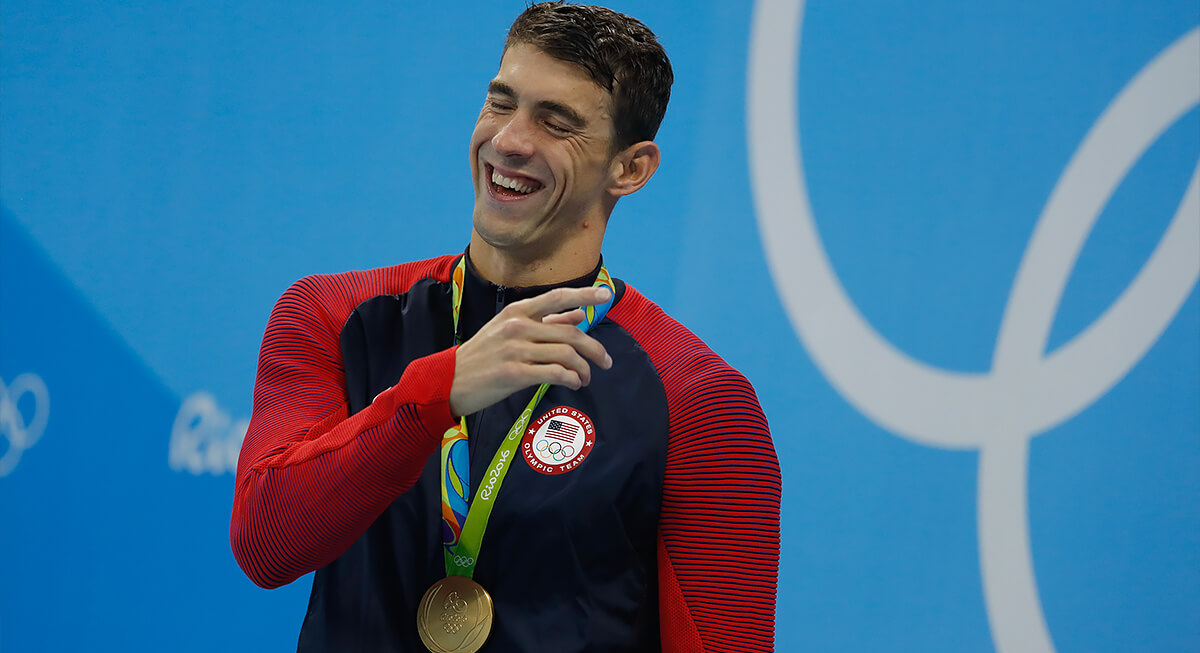
Michael Phelps Surpasses Mark Spitz’s Olympic Gold Standard
Credit: Wikimedia Commons
Mark Spitz’s seven gold medals at the 1972 Munich Olympics once defined single-Games dominance. Michael Phelps entered the 2008 Beijing Olympics competing in eight events that demanded precision, endurance, and recovery within a compressed schedule. By the end of the meet, he had won all eight, with several races decided by narrow margins, including a 0.01-second finish in the 100m butterfly.
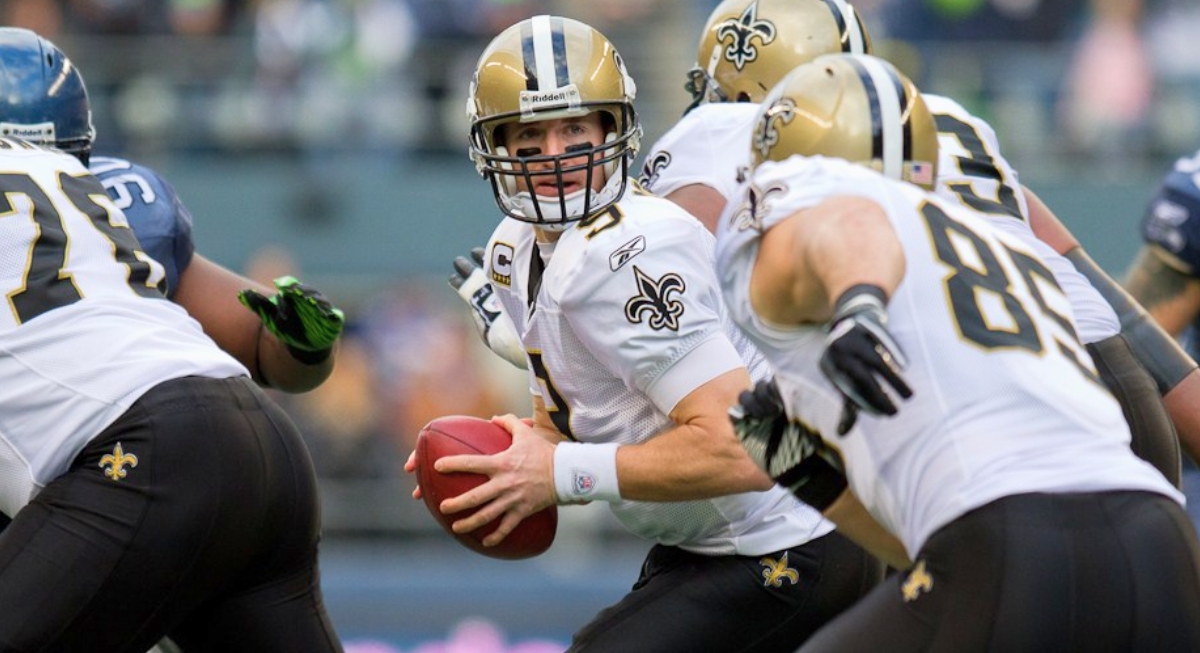
Drew Brees Breaks Johnny Unitas’ Touchdown Consistency Record
Credit: Wikimedia Commons
The streak of 47 consecutive games with a touchdown pass, set by Johnny Unitas between 1956 and 1960, remained unchanged for more than 50 years. Drew Brees matched that number in 2012 and extended it to 54, building the total through consistent weekly production that carried across multiple seasons.
Barry Bonds Pushes Past a Record That Spanned Generations
Credit: Wikimedia Commons
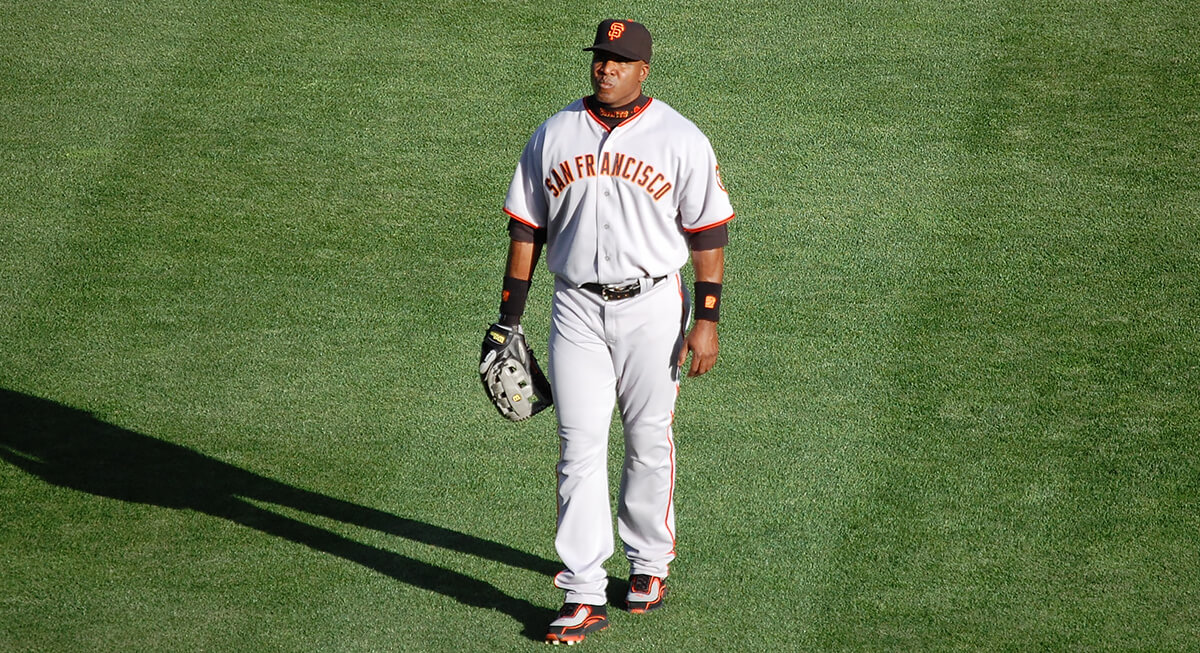
Roger Maris set the single-season home run record at 61 in 1961, and that number held for 37 years before Mark McGwire surpassed it with 70 in 1998. Barry Bonds raised it again in 2001, finishing with 73, as the record moved through different eras of the sport. The extended gap between Maris and McGwire remains one of the most notable stretches before a major statistical increase.
Wayne Gretzky Redefines Scoring Beyond Gordie Howe’s Mark

Credit: Wikimedia Commons
Wayne Gretzky passed Gordie Howe’s career total of 1,850 points in 1989 and continued scoring into the late 1990s, finishing with 2,857. He remains the only player in NHL history to record more than 200 points in a season, doing it four times, with a peak of 215 in 1985–86.
LeBron James Climbs Past Kareem Abdul-Jabbar’s Scoring Record
Credit: Wikimedia Commons
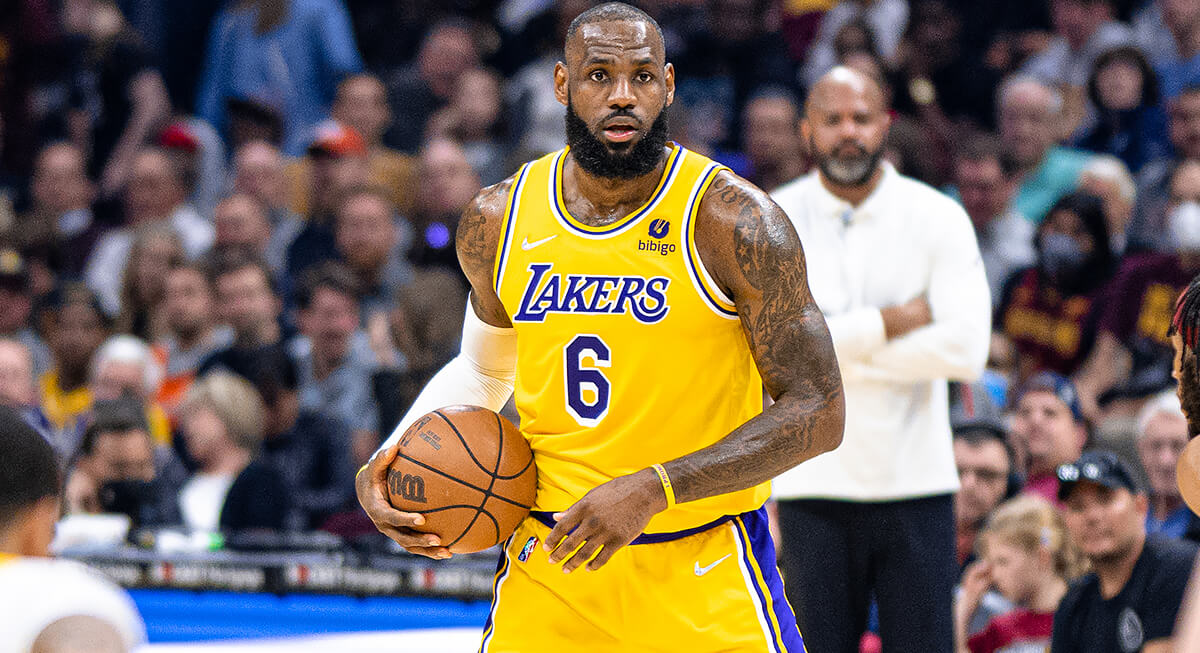
Kareem Abdul-Jabbar’s 38,387 points stood at the top of the NBA’s scoring list for 39 years. LeBron James reached that number in 2023 during live play. The game stopped as the crowd marked the moment.
Alex Ovechkin Finally Catches Wayne Gretzky’s Goal Record

Credit: Wikimedia Commons
Another NHL record was Wayne Gretzky’s 894 goals. For more than three decades, this was the league’s highest total. Alex Ovechkin had a repeatable scoring approach built around a high-volume shot from a familiar spot on the ice. It helped him continue to narrow the difference until he moved past the total.
Mike Powell Ends Bob Beamon’s Long Jump Reign in Direct Competition
Credit: Wikimedia Commons
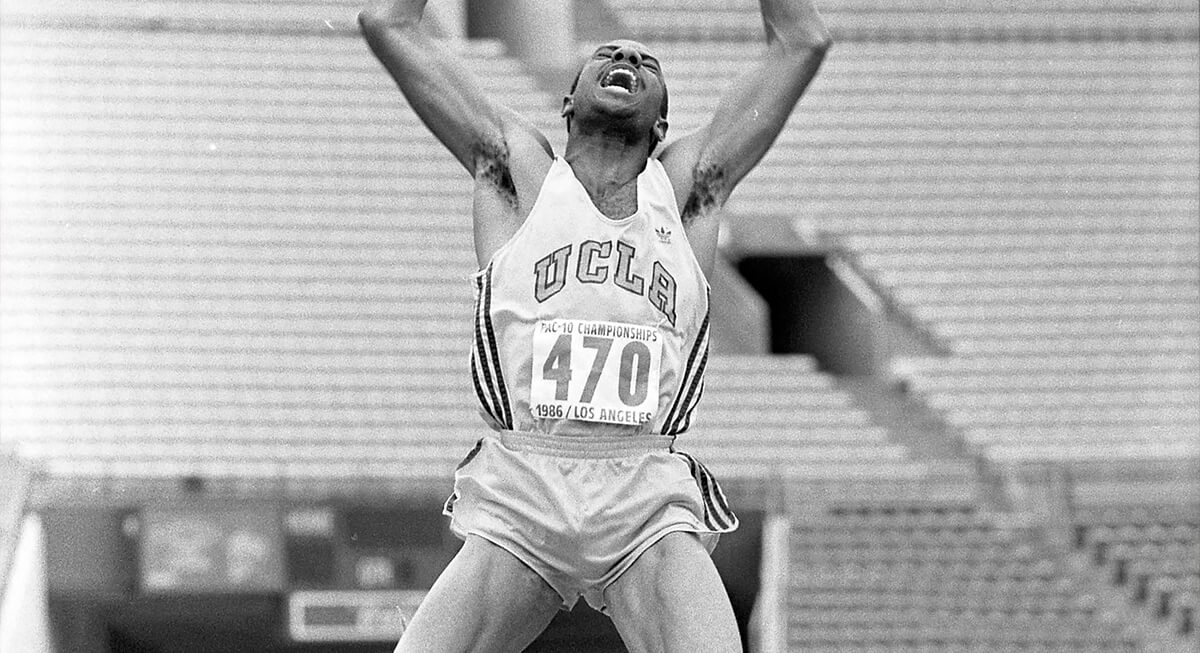
At the 1968 Olympics, Bob Beamon made a world-record long jump covering 8.90 meters. In 1991, at the World Championships, Mike Powell surpassed it with a jump of 8.95 meters. Interestingly, the same competition featured Carl Lewis, who also exceeded Beamon’s distance but finished second.
Pete Sampras Raises the Bar Set by Björn Borg’s Grand Slam Total
Credit: Wikimedia Commons
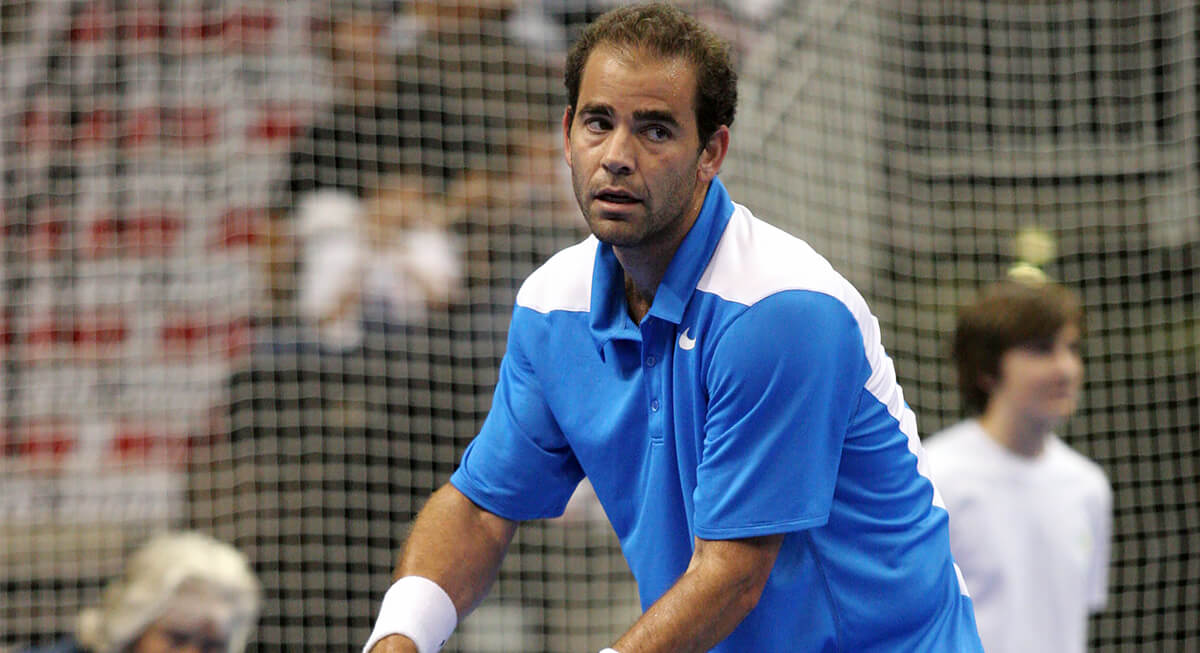
Björn Borg retired with 11 Grand Slam titles at age 26. This total was built largely on dominance at the French Open and Wimbledon. Pete Sampras passed that mark in 2002, finishing with 14 majors, including a record seven Wimbledon titles and five US Open wins. His success came primarily on faster surfaces, in contrast to Borg’s clay-heavy record.