10 Sports That Should Be in the Olympics But Aren’t
The Olympic program stays limited because the schedule is already tightly packed. Beyond housing thousands of athletes, organizers must work within venue capacity, transportation logistics, and broadcast agreements. All of these factors limit the number of sports that can realistically fit into the Games.
Host cities now have greater influence over proposals, which helps explain why Los Angeles 2028 will include cricket and lacrosse. At the same time, several widely played sports already have established international federations and successful world championships. Even with millions of participants worldwide, they are still waiting for Olympic approval simply because space on the program is scarce.
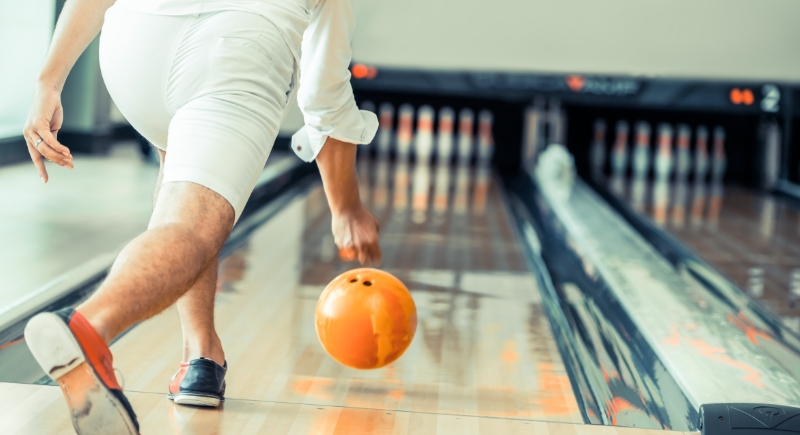
Bowling
Credit: Getty Images
Bowling often gets reduced to league night scores and weekend recreation, but elite competition looks very different. Professional bowlers rely on repeatable release angles, precise lane adjustments, and consistency sustained over long formats. The sport even appeared as a demonstration event at the 1988 Seoul Olympics. Today, the International Bowling Federation oversees major global tournaments, including competitions featured in the World Games. With organized international governance and roots that trace back thousands of years to Ancient Egypt, bowling has both structure and history.
Chess

Credit: pexels
Chess matches are dead quiet for a reason. One move can flip a match after four hours of careful buildup. The game’s roots stretch even deeper, tracing back to India, where early strategy games like chaturanga laid the groundwork for modern chess. FIDE has governed competitive chess for more than a century. The Chess Olympiad even gathers national teams from around the world every two years for a full-scale global showdown.
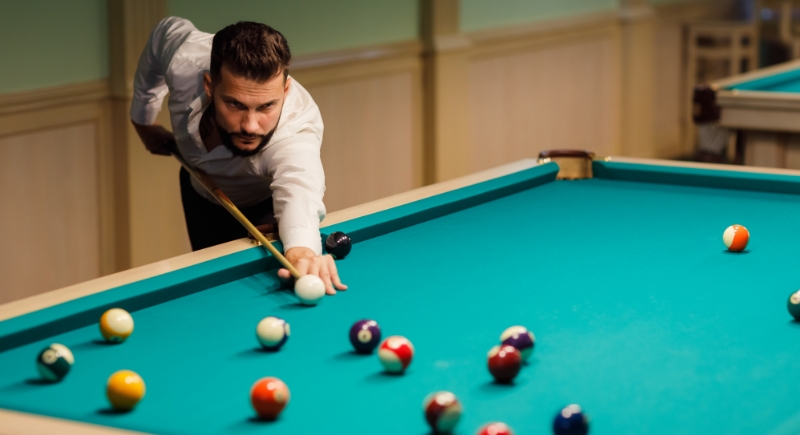
Cue Sports
Credit: Canva
Cue sports already sees serious TV numbers, especially during the World Snooker Championship, which dominates sports coverage in parts of the UK and China. The sustained viewership is not accidental. The World Confederation of Billiards Sports oversees multiple cue disciplines under one global structure, and more than 20 countries have won medals in cue sports at the World Games. The international system, fan base, and competitive depth exist. The only missing piece is Olympic approval.
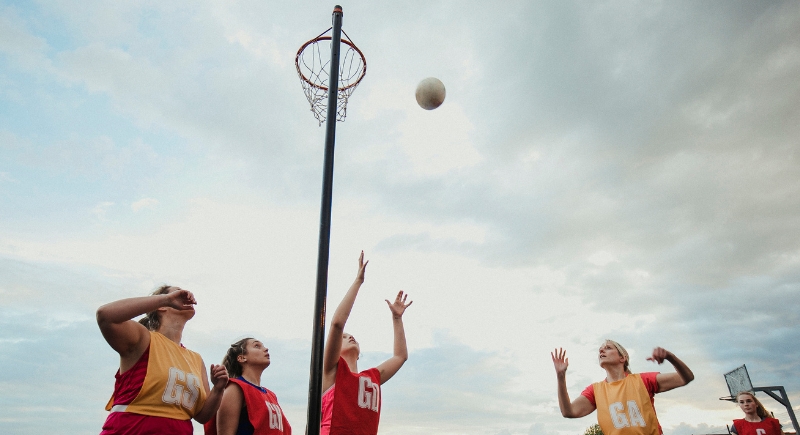
Netball
Credit: Getty Images
In netball, players cannot run while holding the ball, which forces rapid passing and constant decision-making. World Netball manages rankings and global tournaments, which gives the sport an organized competitive ladder. Australia has secured four gold medals across seven Commonwealth Games tournaments. Still, participation remains strongest in Commonwealth nations, even as organizers push to grow the game in new regions.
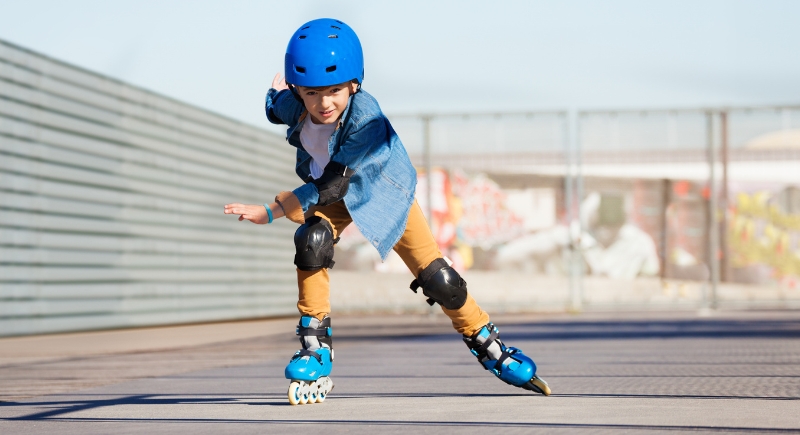
Roller Sports
Credit: Canva
Roller sports range from high-speed races to artistic routines. The infrastructure is actively competitive and experienced in multi-sport stages. World Skate oversees the global structure and already manages skateboarding within the Olympic program. Countries like Colombia and Italy frequently dominate roller speed skating world events. The sport also appears in the Pan American Games and other regional competitions.
Cricket
Credit: Getty Images
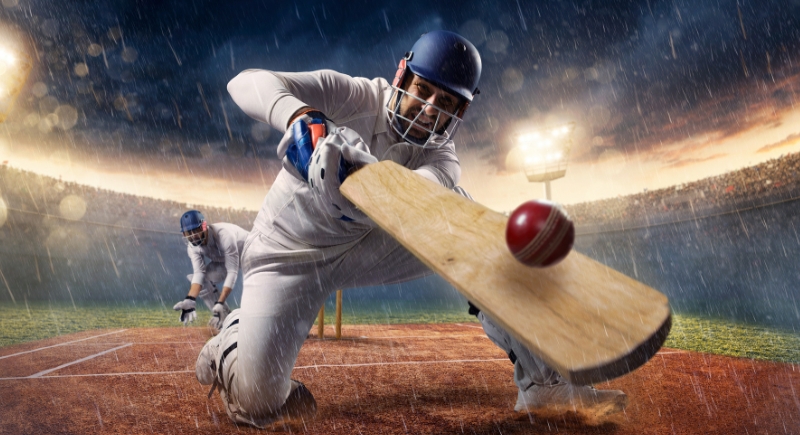
Few sports can pack more than 80,000 fans into a stadium on a regular basis, but cricket does it routinely. Global sports research estimates its fan base at roughly 2.5 billion people. It appeared once at the 1900 Olympic Games, then vanished from the program for more than a century. Momentum shifted after a successful women’s tournament at the 2022 Commonwealth Games, which helped secure cricket’s Olympic return for Los Angeles in 2028.
Muay Thai
Credit: Getty Images
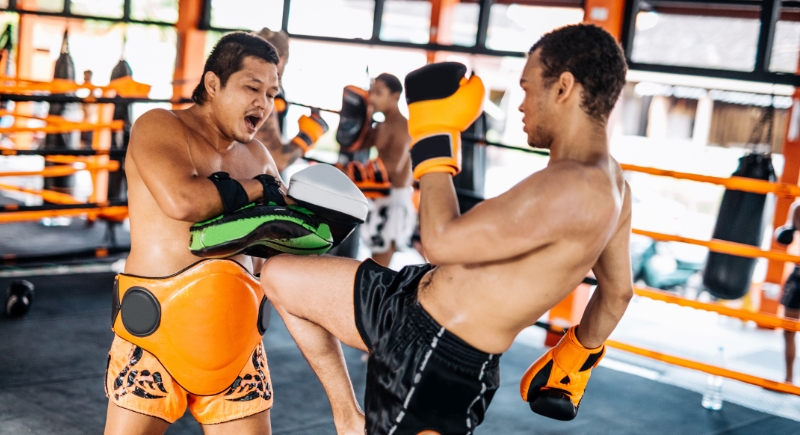
In Muay Thai, fighters spend years refining technique, timing, and endurance because long bouts demand all three. The International Federation of Muaythai Associations earned full IOC recognition in 2019, a major step toward Olympic inclusion. Thailand even treats Muay Thai as a national sport, complete with structured youth development systems.
Mixed Martial Arts

Credit: Wikimedia Commons
MMA arenas are usually packed because every match combines striking and grappling into one unpredictable contest. The sport’s biggest hurdle is governance. It does not yet have a single, unified global amateur federation that meets Olympic requirements. Rule variations across major organizations add another layer of complexity. Safety debates also persist, as MMA combines multiple combat styles under a single set of rules.
Flying Disc
Credit: Getty Images
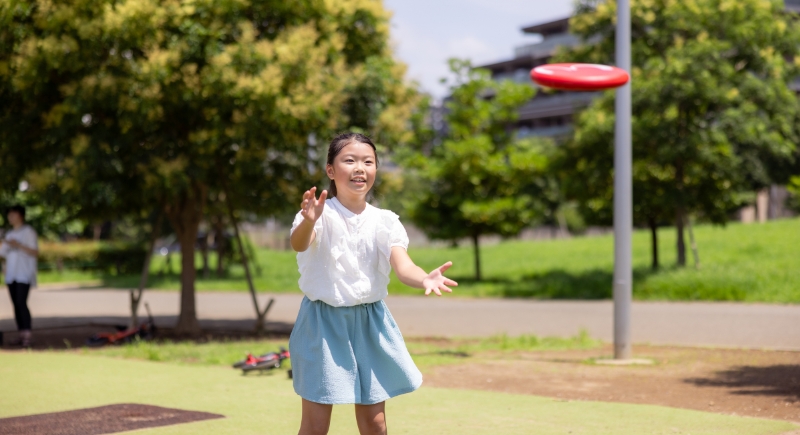
Flying disc, commonly known through the sport of Ultimate, is governed internationally by the World Flying Disc Federation and already features prominently at the World Games. The pace is continuous, with possession shifting immediately after each completed catch, which keeps matches fluid and fast. Countries such as Australia have earned multiple medals in elite competition, and mixed gender formats are standard at the highest levels. With its emphasis on speed, teamwork, and built-in gender equity, the sport aligns closely with modern Olympic priorities.
Dragon Boat
Credit: pexels
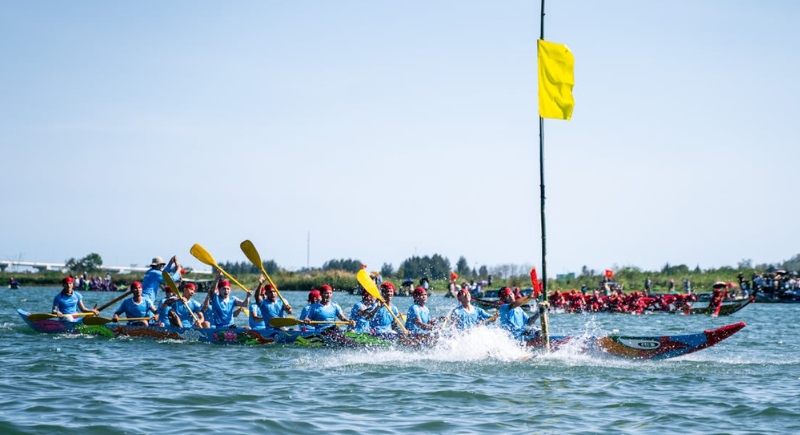
Dragon boat racing comes down to rhythm. If one paddler falls out of sync, the whole boat feels it. The International Dragon Boat Federation organizes world championships and oversees Asian Games participation. Its cultural history spans centuries across East and Southeast Asia. Countries like Indonesia, with thousands of islands, have natural conditions that encourage strong participation in water sports, including dragon boat racing.