Toughest Gigs in Sports That Pay Next to Nothing
When you hear about sports salaries, you probably think of record-breaking contracts worth millions. But, for every superstar cashing in, countless others are grinding behind the scenes.
Unfortunately, many sports jobs demand serious effort but have surprisingly low salaries. Some risk their bodies while others make split-second decisions under pressure—all for way less than they deserve.
Here are some typical sports jobs that are tougher than they look—and shockingly underpaid.
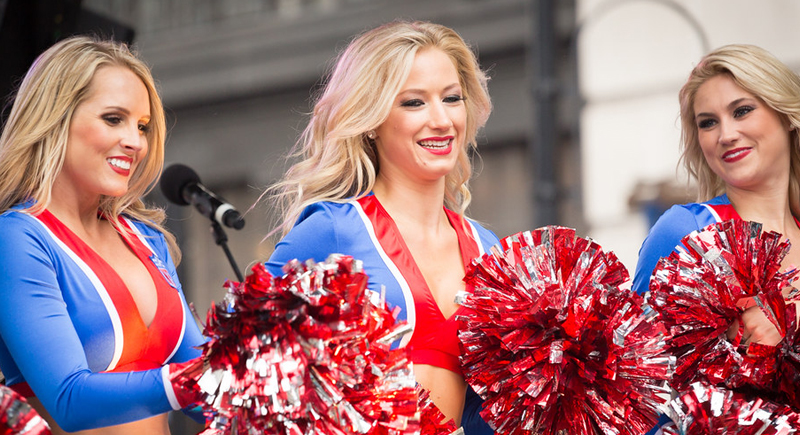
NFL Cheerleaders
Credit: flickr
They dance, perform stunts, and appear at events, but many NFL cheerleaders barely make minimum wage. Some were paid as little as $5 an hour before lawsuits forced teams to increase salaries. Even with improved pay, most still earn under $75 per game, which is embarrassing considering this billion-dollar sport.
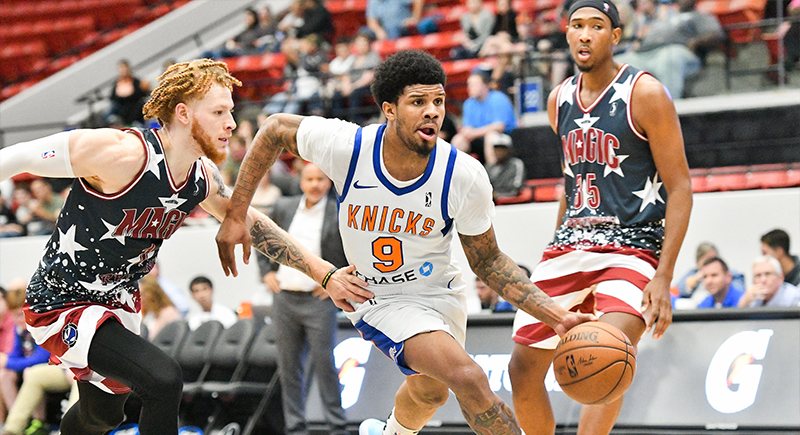
NBA G League Players
Credit: Wikimedia Commons
The NBA’s developmental league is filled with talent, but the pay doesn’t match the dream. Standard contracts range from $40,500 to $75,000 for a six-month season. That’s decent, but considering that the NBA’s minimum salary is well over $1 million, it’s clear these players are seriously undervalued.
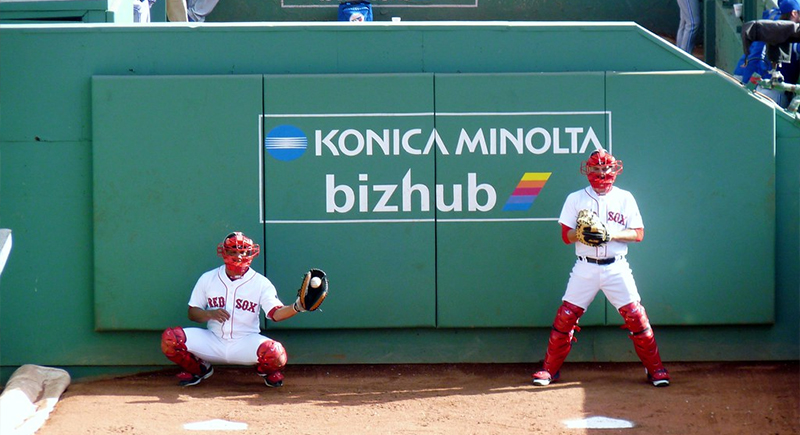
Bullpen Catchers
Credit: flickr
They warm up pitchers and catch hundreds of balls daily. But they aren’t on the official roster, and their pay reflects it. Most earn between $30,000 and $90,000 a year. Compare that to the lowest-paid MLB player, who makes $740,000, and it seems a little unfair.
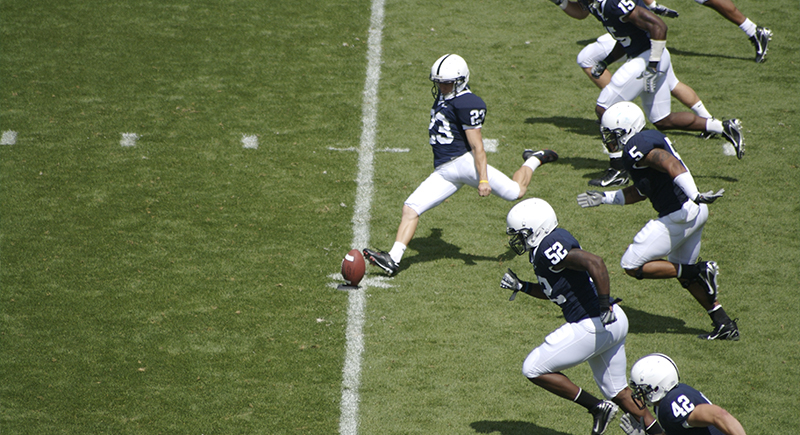
Special Teams Gunners (NFL)
Credit: Wikimedia Commons
Gunners sprint full speed down the field only to get leveled by a returner. It’s one of the most dangerous jobs in football, yet many of them barely make over the league minimum. Meanwhile, top quarterbacks earn $50 million a season while barely getting touched.
Practice Squad Players (NFL)
Credit: pexels
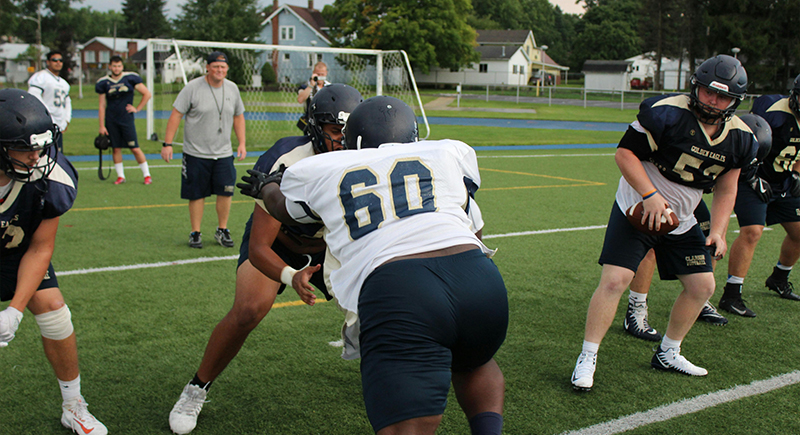
These guys train with the team and help shape game plans but don’t even dress on Sundays. NFL practice squad players earn $12,000 per week during the season. While that may sound decent to some, it is not when you consider they can be cut at any time and don’t get guaranteed contracts.
Sparring Partners
Credit: flickr
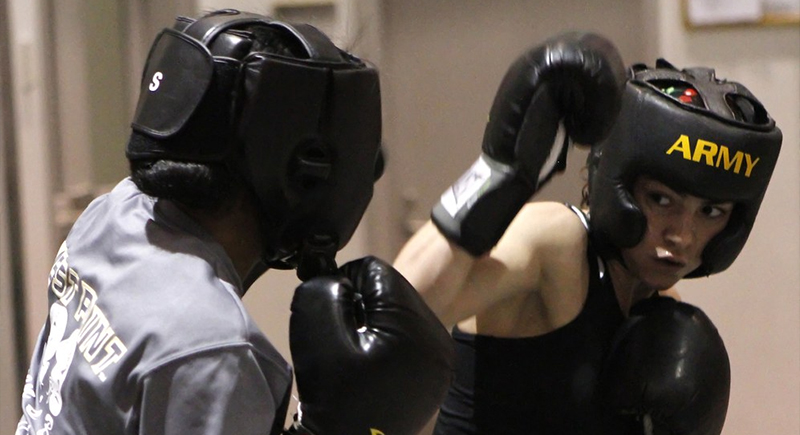
Ever wonder how world champions stay sharp? They practice by pummeling their sparring partners. These fighters take real hits and risk serious injuries—often for just a few hundred dollars per session. Some top-tier sparring partners make thousands a week, but most don’t see anything close to that.
Official Scorers (MLB)
Credit: X
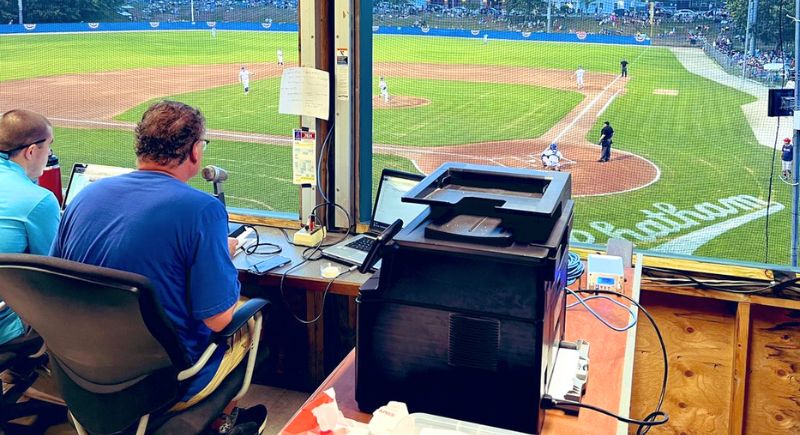
Scorers decide whether a play is a hit or an error—calls that affect stats, bonuses, and even careers. But despite the pressure, they make just $150 per game. That’s about $12,000 for an entire season. For a job that sparks player outrage and fan debates, it’s surprisingly low pay.
Tennis Umpires

Credit: Wikimedia Commons
Sure, top chair umpires at Grand Slams do fine. But we can’t say the same for lower-level officials. Many entry-level tennis umpires make around $30,000 a year despite traveling constantly and making tough calls under pressure. Meanwhile, players who argue with them take home millions
Hockey Zamboni Drivers
Credit: flickr
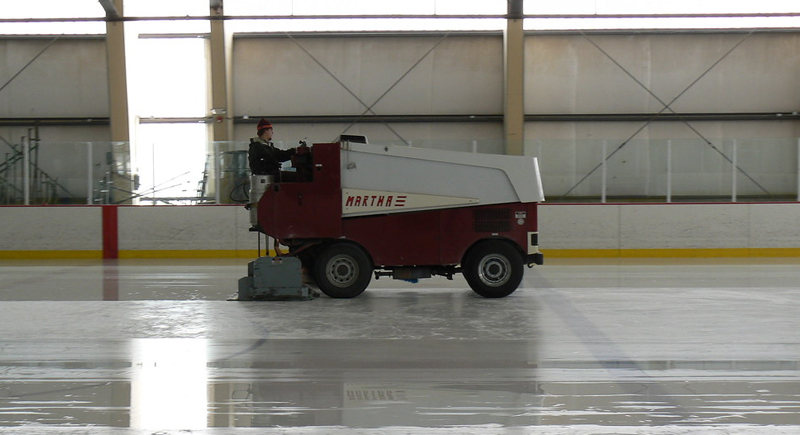
These guys’ primary responsibility is to smooth out the rink and ensure that NHL games look flawless. It’s a cool job (literally), but it doesn’t come with a cool paycheck. Most Zamboni drivers make $30,000–$50,000 a year, which is pretty shocking considering how crucial ice quality is to every hockey game.
Soccer Referees (Lower Leagues)
Credit: Getty Images
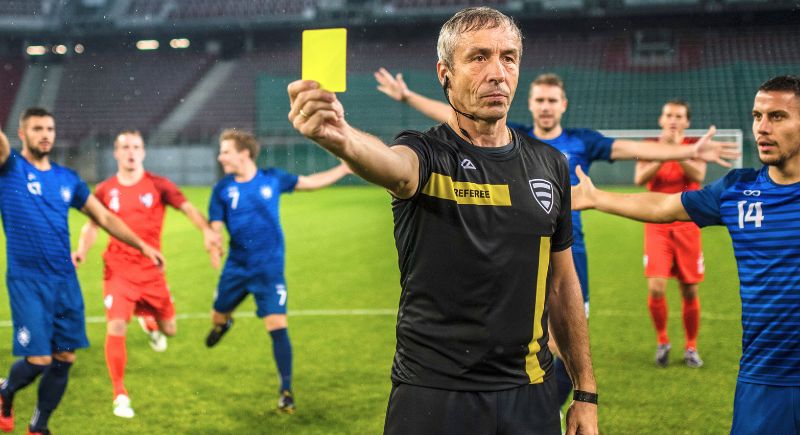
They run more than the players and sometimes need police escorts after matches. Yet many lower-tier soccer refs earn just $200–$500 per game. It’s not exactly a job people take for money, especially given the stress and travel involved.
Athletic Trainers
Credit: pexels
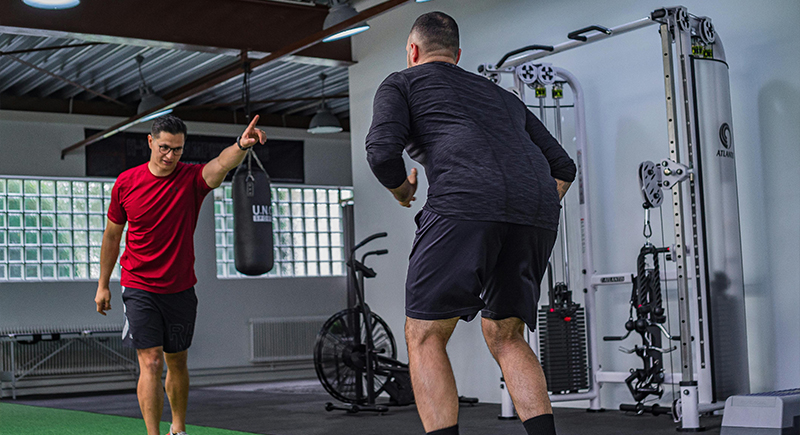
Their job is to tape ankles, care for the injuries, and keep athletes performing at their best. Yet most athletic trainers in college sports make between $40,000 and $60,000 a year. Even in the pros, many don’t crack six figures.
Sports Videographers
Credit: Wikimedia Commons
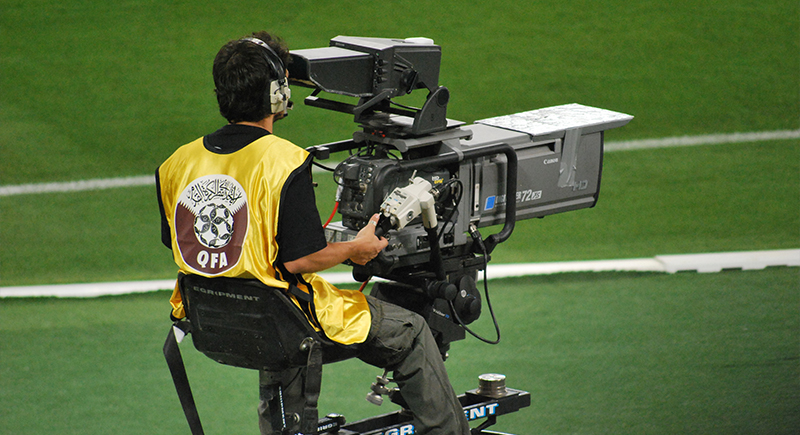
The behind-the-scenes people responsible for those epic slow-mo replays make just $30,000 to $50,000 a year. They work long hours, travel constantly, and battle unpredictable weather—all to capture the perfect shot. Without them, sports wouldn’t be nearly as exciting to watch.