
Three rookie-phenom tells I'm watching this season: pitch design stress, lineup ripple effects, and the social-media gravity you can't coach away.
The pitch that arrives before the plan does

The first time I watched Paul Skenes warm up with that dead-simple, no-wasted-motion delivery, I had the same thought every bullpen catcher has and never says out loud: this is going to force a whole organization to speed up. Not because he throws hard. Plenty of guys throw hard. It's because the stuff shows up fully formed before the big-league routine does. The calendar is the trap. You call him up, he punches out a lineup on a fastball-splitter combo, and then the league starts treating his next start like a homework assignment. You can feel it in the way hitters take that first pitch. They aren't guessing anymore, they're collecting.
Here's the part that changes the game for a rookie phenom: you don't just manage innings, you manage iteration. When the pitch mix is already elite, the pressure moves to the details that usually live in year two. Is the four-seamer riding at the top of the zone because the shape is clean, or because the adrenaline is giving him an extra tick of carry? Are the secondaries landing where the catcher sets up, or where the ball wants to go when he's rushing? You can spot the stress when a guy goes from shaking once to shaking three times, then finally nodding like he's agreeing to a dare.
I always watch the catcher in the third inning. Early, everybody looks calm because the plan is fresh. By the third, you see the real conversation: glove targets creeping a ball-width off the plate to steal a chase, a mound visit that isn't about nerves, it's about tempo. The phenoms who stick aren't the ones with the prettiest Pitching Ninja overlay. They're the ones who can keep the delivery identical while they change the answer key mid-game, because the league will. If you're a fan, it looks like a fun chess match. In the dugout, it's a sprint with paperwork.
Lineups start tilting around one new name
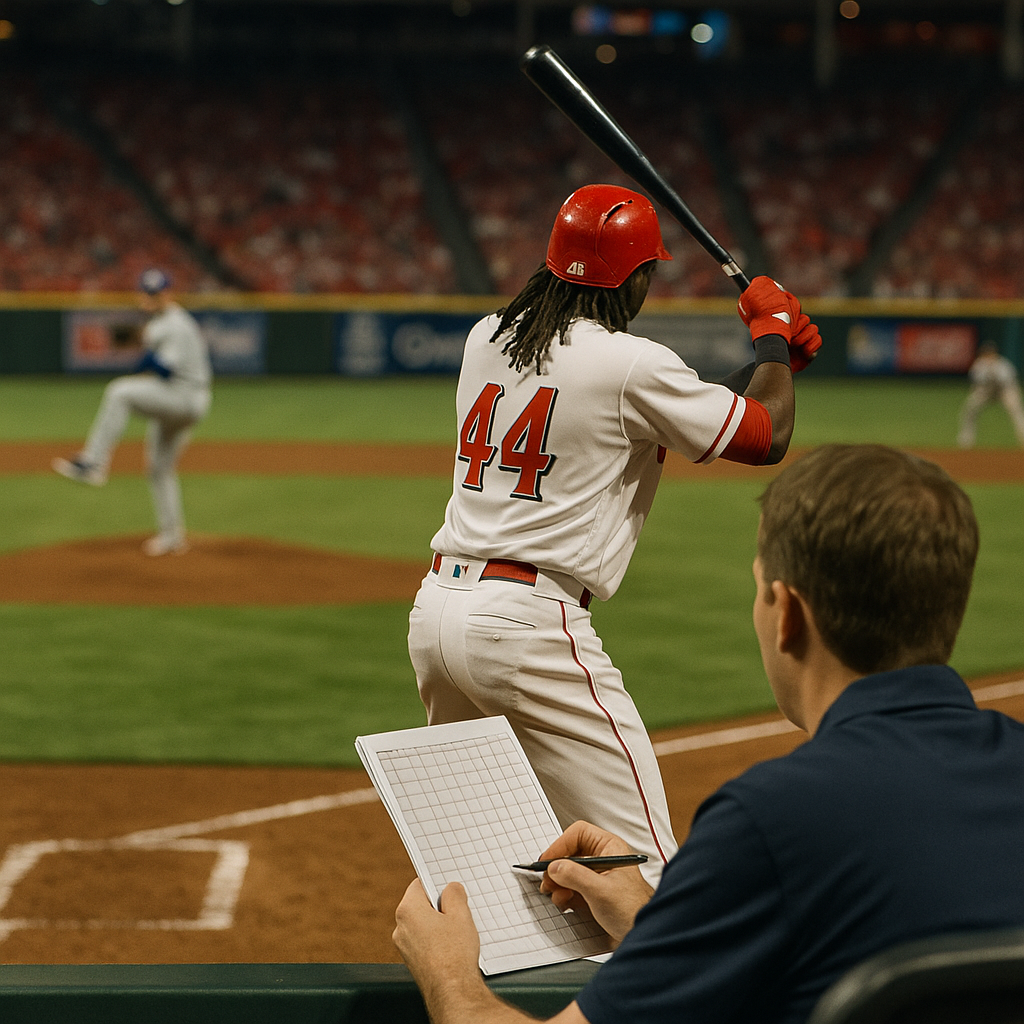
With a position-player phenom like Elly De La Cruz, the highlight is the advertisement, but the real impact shows up on a random Tuesday when the opposing manager starts managing the lineup like it's a weather system. You can see it in the pitching changes. You can hear it in the way a broadcast booth suddenly stops talking about the starter's ERA and starts saying, almost casually, that the club might not want to let the kid beat them. That one sentence is where the whole batting order shifts.
I've sat behind home plate with a scorecard and watched this happen in real time: the rookie comes up in the first with a runner on, gets pitched carefully, and now the veteran behind him sees the kind of strike he hasn't seen in two weeks. Then it flips a few games later, because teams decide they'd rather challenge the rookie than walk him into a steal, and suddenly he's getting first-pitch heaters right down Broadway. That's not inconsistency. That's opponents running experiments.
What changes the game is the ripple effect on everyone else. The on-base guy in front of the phenom starts running more because pitchers are distracted. The contact hitter behind him gets more fastballs because nobody wants to nibble and fall behind. And the middle reliever you barely knew existed is suddenly in leverage because managers are trying to land a clean matchup for one plate appearance in the sixth. That reshapes bullpens. It reshapes how starters pace themselves. It even reshapes defensive positioning, because you can't play a standard shift if the rookie's a chaos agent who'll bunt, slap, or turn a routine single into first-to-third while the left fielder is still picking up the ball.
The tell I trust is body language in the infield between pitches. When a rookie has become the center of gravity, the shortstop and second baseman are talking more. The corners creep in and out like they're testing a rangefinder. Outfielders take two extra steps before the pitch, then stop and pretend they were just stretching. It's subtle, and it's constant. Fans think the phenom is changing the game because he does something loud once a night. A lot of the time, he's changing it because everyone else plays slightly differently for three hours, and nobody gets a highlight for that.
The attention tax nobody mentions on draft night
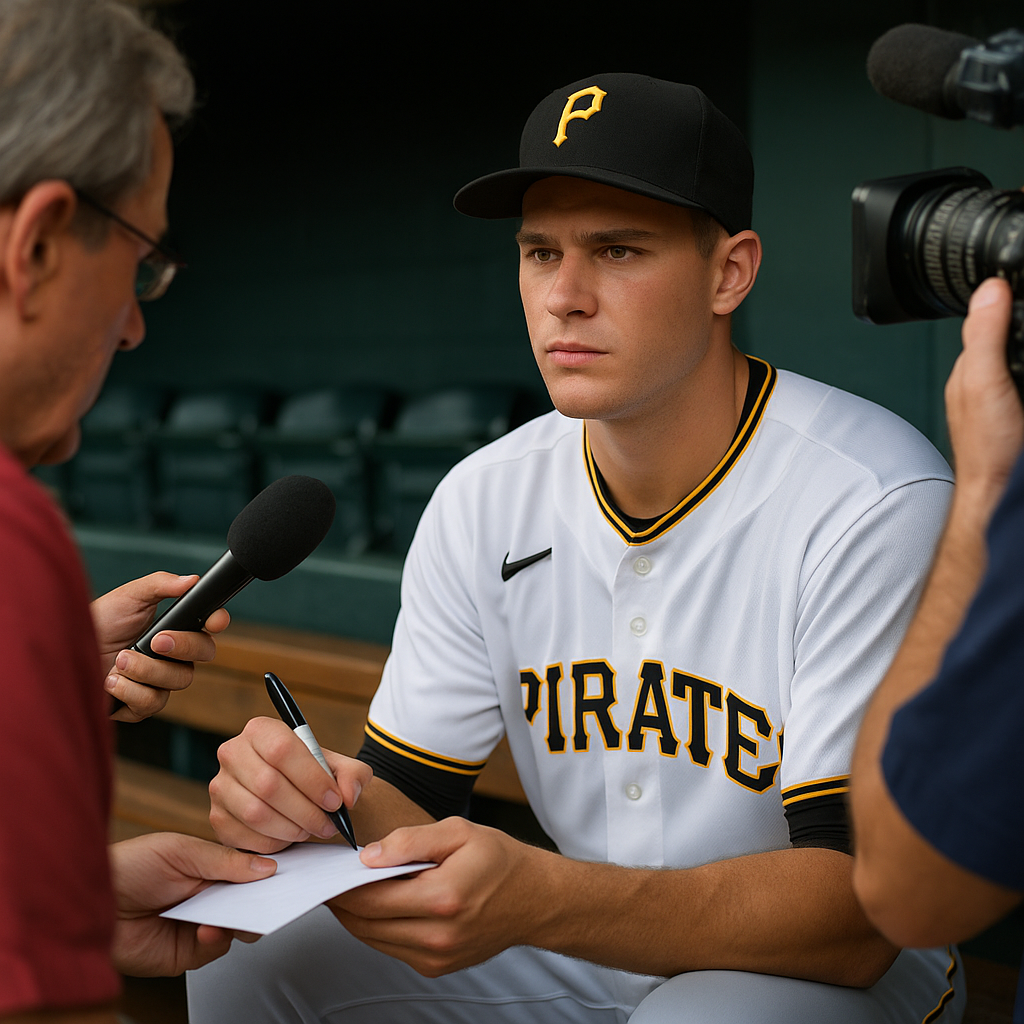
When a rookie turns into a phenomenon, the game changes in a way that's not on the field at all. It's the attention tax. I'm not talking about the fun part where your jersey shows up in the stands. I'm talking about the tiny frictions that pile up until your day feels like it's been chopped into confetti: the longer media scrum that makes you late to the cage, the extra autograph request from someone who definitely isn't a kid, the camera that finds you in the dugout right after you strike out with runners on.
You can see the tax in how guys protect their routines. Veterans get good at saying no without making it a thing. Rookie phenoms rarely have that muscle yet, and the consequences show up sideways. They start showing up to early work too early, which sounds impossible until you've watched a guy take so many swings in the indoor cage that his timing gets mushy by the fourth at-bat. Or they tighten up in the first inning because they're trying to be camera-ready, which is how you end up with an uncharacteristic overthrow to first or a rushed transfer on a double-play ball.
The other part is social media, and it isn't optional anymore. The clips travel before the player does. A rookie will have one great series, and suddenly every opposing fan base has a take on him, every pitching coach has a plan, and every account that farms engagement has decided he needs a nickname. That's not harmless background noise. It bleeds into the ballpark. You hear it in the heckles. You see it when teammates start answering questions about the kid instead of themselves, and now the clubhouse has a spotlight whether it wants one or not.
What I watch for is who handles the boring moments. Does the rookie still take the same pregame ground balls when the cameras aren't pointed at him? Does he sit on the bench between innings with a tablet and look at his last at-bat, or is he watching the scoreboard for his own replay because he knows it'll be on Instagram in five minutes? The phenoms who change the game long-term usually get weirdly good at disappearing inside the work, even while the noise is peaking. That's a skill, not a personality trait, and you can tell when it's being learned in real time.