
When a kid splits time between teams, the growth shows up in the dugout: roles get clearer, reps get sharper, and game speed stops being theoretical.
Fewer comfy reps, more game-speed decisions
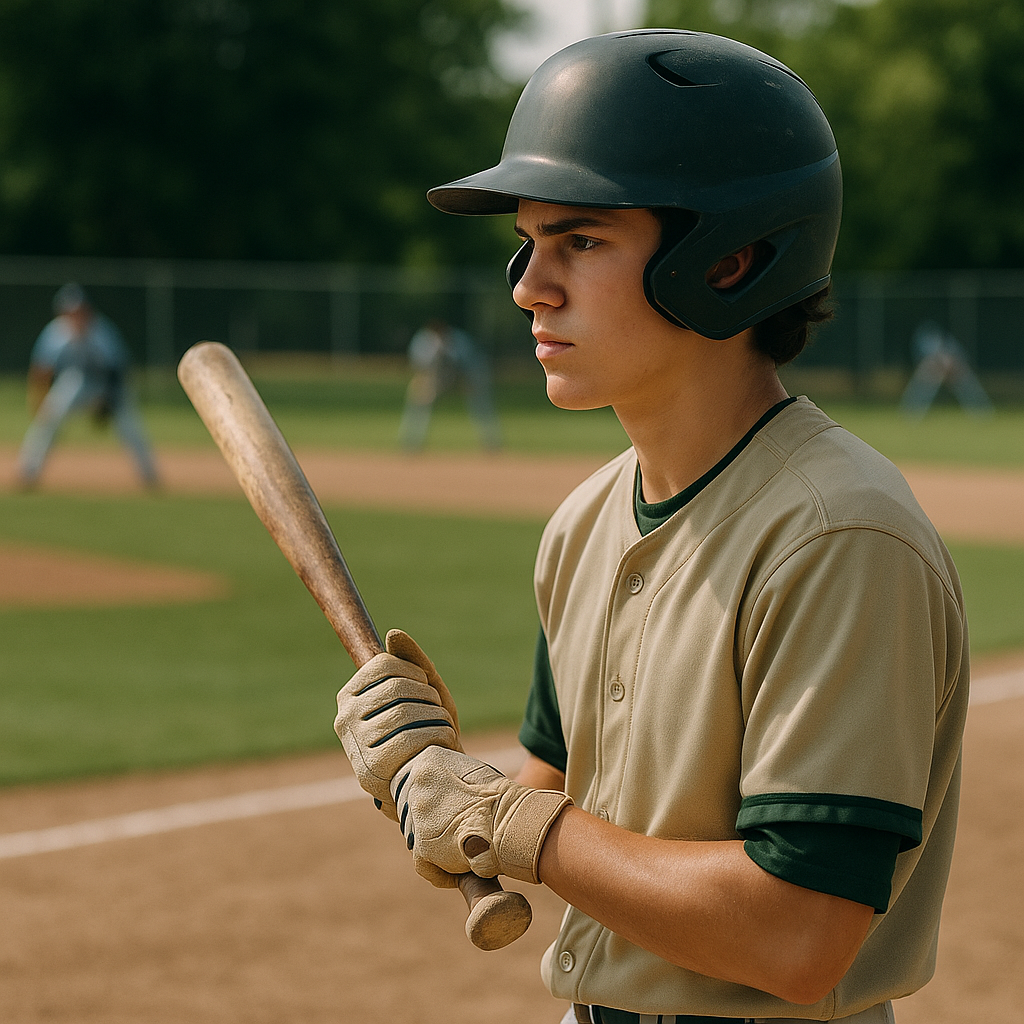
When a program starts sharing athletes, the first thing people complain about is the lost volume. Less cage time, fewer innings, fewer rounds of the same drill. That complaint makes sense if you think development is a stack of identical swings. One benefit I sometimes notice is faster decision-making, because a player has to adjust to different signs, terminology, and game situations.
On a kid's main team, everybody knows the signs, the bunt coverage calls, the coach's pet phrases, even the exact tempo of pregame throws. Put that same kid on a second roster, and suddenly he's decoding a different third-base coach, different pickoff moves, different expectations for when you're green-lit to steal. The best ones don't just survive it; they start scanning earlier. You can hear it in the dugout. Instead of, "What are we doing here?" it becomes, "If he squares, I'm crashing; if he pulls back, I'm getting to second."
One of my favorite tells is the on-deck circle. A shared hitter tends to look like he's doing less, but he's taking more in: where the catcher sets up, if the pitcher's front hip opens early, whether the infield is pinched because they're expecting a drag bunt. That's not abstract IQ stuff. It shows up the next inning when he takes a borderline 2-0 slider because he's seen that umpire's outside corner all day, then he jumps the 2-1 fastball because the pitcher had to come back in.
The parents don't always notice this growth because it's not a new exit velo number. It's the kid who stops making the slow mistake: the late tag at second, the casual turn on a double play feed, the extra shuffle before he throws to first. Sharing time doesn't guarantee that leap, but adjusting to different roles and game situations can challenge a player to stay mentally engaged.
Role whiplash turns into a usable skill

Here's the part nobody says out loud: sharing athletes forces honesty about role. Not the motivational kind, the practical kind. The kid who stars in one school sport may have a smaller role on another team, and learning to contribute from both positions can broaden how he approaches competition. That sounds like a confidence killer until you watch what it does to a player who buys in. They learn how to contribute without needing the spotlight to feel useful.
I've sat behind enough backstops to recognize the shift in body language. When a player only ever wears one hat, he can start acting like he's entitled to his spot. The minute he's shared, entitlement gets expensive. He finds out quickly that being the loudest voice in the dugout isn't leadership if you're 0-for-2 with two punchouts and you missed a cutoff. On the flip side, the kid who rides pine on one team but starts on another brings a different kind of confidence back to the bench. He doesn't shrink as much. He stays ready. He treats the first-base coach's "grab a helmet" like it's a real possibility, not a courtesy.
Development-wise, the role churn pays off in small, gritty habits. A shared player is more likely to know his own pregame routine because no staff is spoon-feeding it. He packs his own stuff because he's in and out of two dugouts. He learns which batting gloves rip if they get wet. He stops losing his cup because he had to change in a hurry in the school locker room before heading to a different field. None of that is glamorous, but those are the same kids who don't panic when the lineup card changes five minutes before first pitch.
The other thing it forces is role-specific skill work. If he's a corner outfielder on one team, he has to get good at reads off the bat and throws through the cutoff man, not just "being athletic." If he's a middle infielder, on the other hand, he's suddenly living on footwork and exchange speed around second base. Two roles can feel like chaos, but over a season, it becomes range. That kind of versatility can give a player more ways to help a roster.
Pitchers need a different set of rules
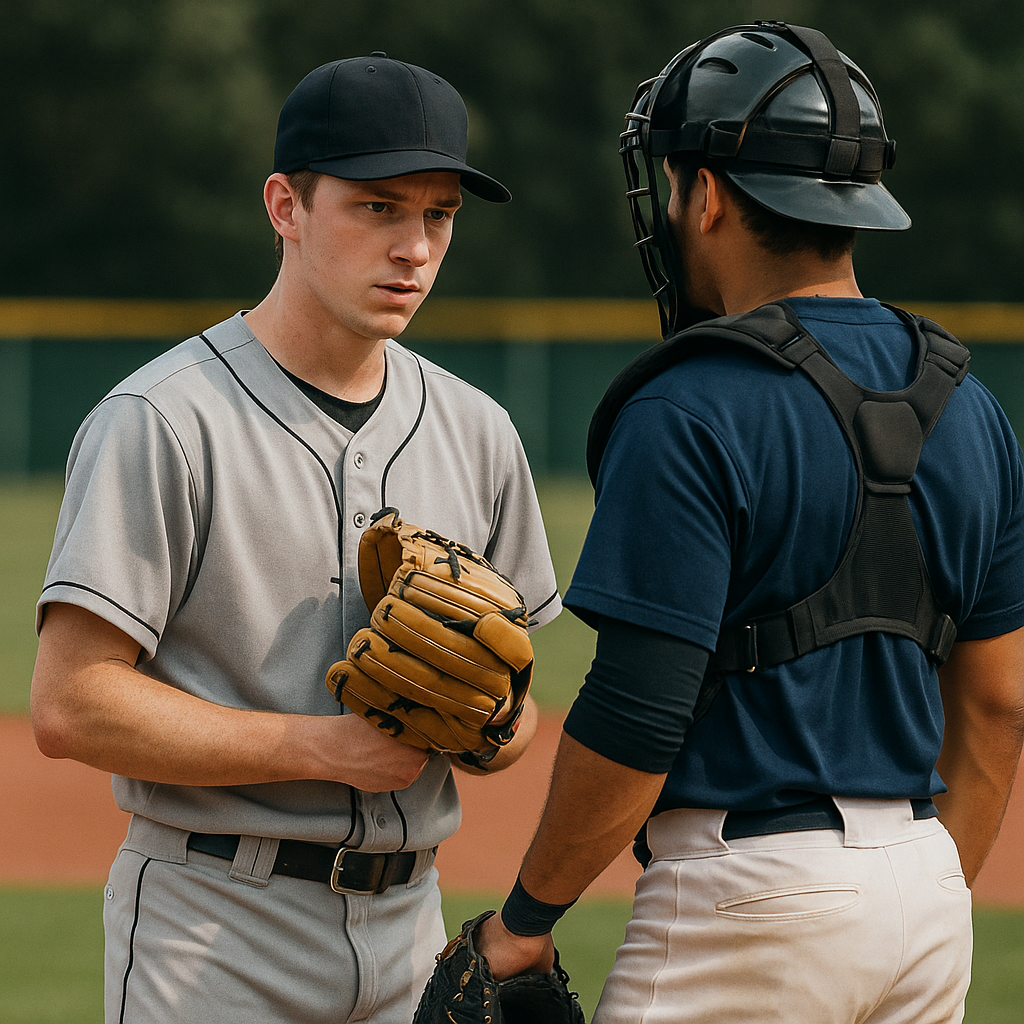
Pitchers are the biggest exception to the upside of sharing athletes. Different teams can lead to conflicting bullpen schedules, pitch-calling, and workload demands, so coaches and families need a single coordinated plan. MLB and USA Baseball recommend that high school-age pitchers avoid playing for multiple teams at the same time and follow pitch-count and rest guidelines across every team they play for. For pitchers, any developmental upside from exposure to different coaches has to come second to workload coordination, rest, and arm health.
The best developmental jump is when a shared pitcher starts realizing his best weapon isn't the radar gun, it's landing something for strike one. The first time I watched this clip, it was a kid who kept trying to light up 90 in pregame long toss because that's what his buddies celebrated. Then he went to the other team, and their catcher didn't care about the big number. The catcher cared about whether the fastball hit the glove side at the knees, because their infield was built to turn ground balls. Over time, he stopped trying to max out every fastball and focused more on location, changing speeds, and getting efficient outs.
Sharing also forces a pitcher to own his between-start work. Nobody should be managing his throwing workload in isolation. Those decisions should come from a coordinated plan involving the athlete, coaches, and family rather than from competing team schedules. The side effect is that his bullpens become more purposeful. Instead of throwing extra pitches just to impress whoever is watching, he follows a coordinated bullpen plan built around workload, recovery, and a specific developmental goal.
And in games, it shows up in pitchability details you can't fake. He holds runners because he's faced teams that steal. He changes looks. He gets comfortable in his position because one coach is on him about PFP and another about quick innings. It isn't always smooth, but it produces a pitcher who can adapt mid-inning, which is the whole job.