What Senna and Prost Did to Each Other on the Track in 1989 and 1990 Would Get Drivers Banned for Life Today
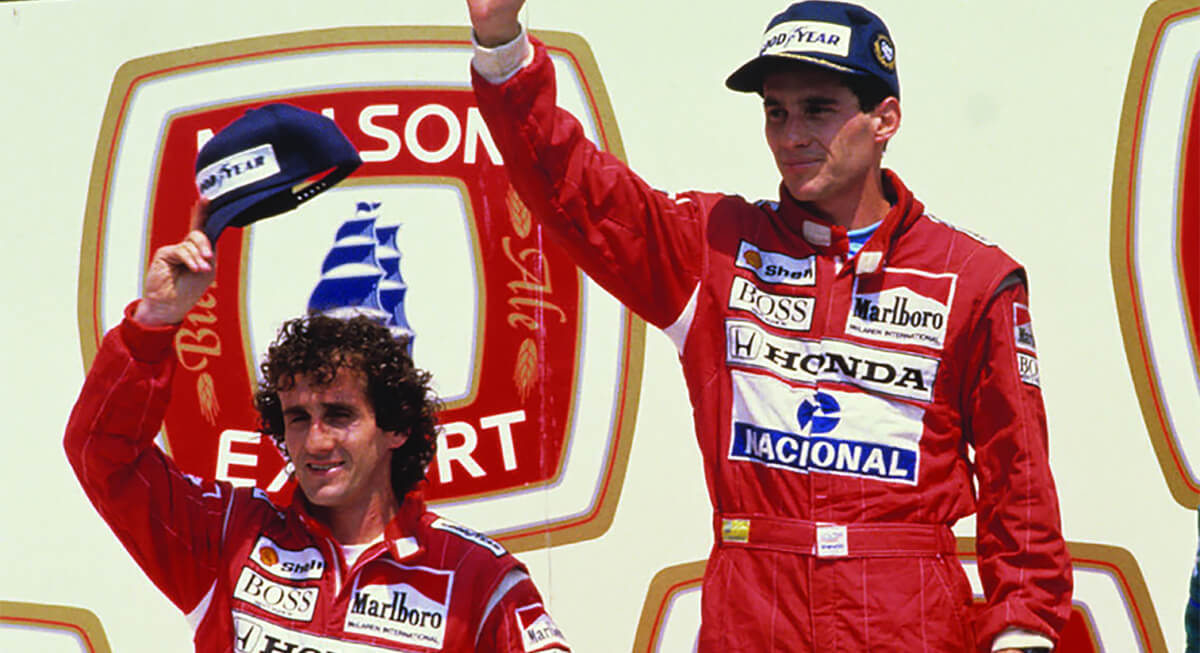
Formula One usually celebrates rivalries because rivalries sell the sport. Ayrton Senna and Alain Prost pushed that idea far beyond ordinary competition. During their years together at McLaren, mistrust grew race after race until nearly every interaction carried championship consequences. By the time Formula One reached Japan in 1989, both drivers had stopped viewing each other as teammates in any meaningful sense.
What happened at Suzuka across 1989 and 1990 still shocks people because both championships ended after collisions between the same two drivers. One crash happened at the final chicane. The next came at the opening corner one year later. Modern Formula One still produces aggressive title fights, though officials now monitor dangerous driving, intent, and avoidable contact much more aggressively than the sport did during the Senna-Prost era.
Senna and Prost Collided With the Championship on the Line
Credit: Wikimedia Commons
Senna entered the 1989 Japanese Grand Prix needing a victory to keep his championship hopes alive. Prost only needed to protect his points advantage. Their relationship inside McLaren had already collapsed after months of arguments over racing conduct and team agreements. Late in the race, Senna attacked into the Casio Triangle chicane. Prost turned toward the apex, the cars collided, and both McLarens stopped together. Prost climbed out immediately because the standings still favored him if neither driver finished. Senna stayed in the cockpit and searched for a way to continue.
Prost Refused to Surrender the Corner
Credit: Wikimedia Commons
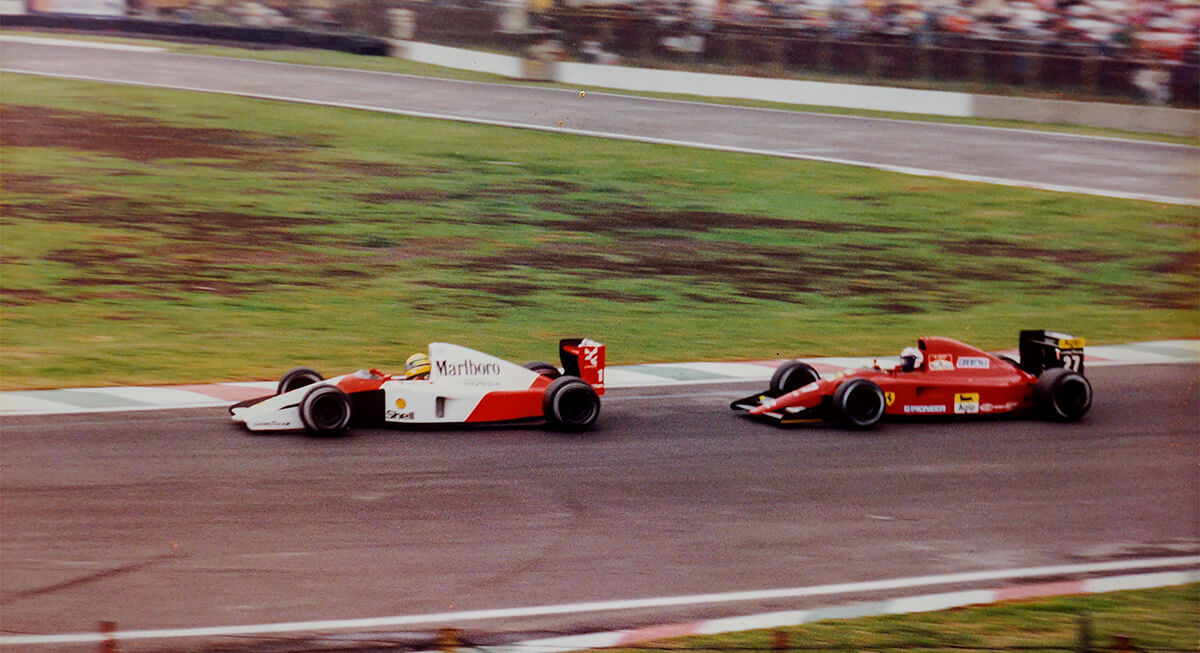
The 1989 crash became controversial because both drivers believed they controlled the corner. Senna argued he had enough overlap to complete the pass. Prost believed he owned the racing line and saw no reason to move aside during a championship fight. Formula One officials during that period tolerated more aggressive defensive driving. Prost’s reaction after the crash shaped public opinion, too. Fans split into opposing camps because the collision forced everyone to decide whether Prost defended aggressively or intentionally caused the contact.
Senna Rejoined the Race and Crossed the Finish Line First
Credit: Wikimedia Commons
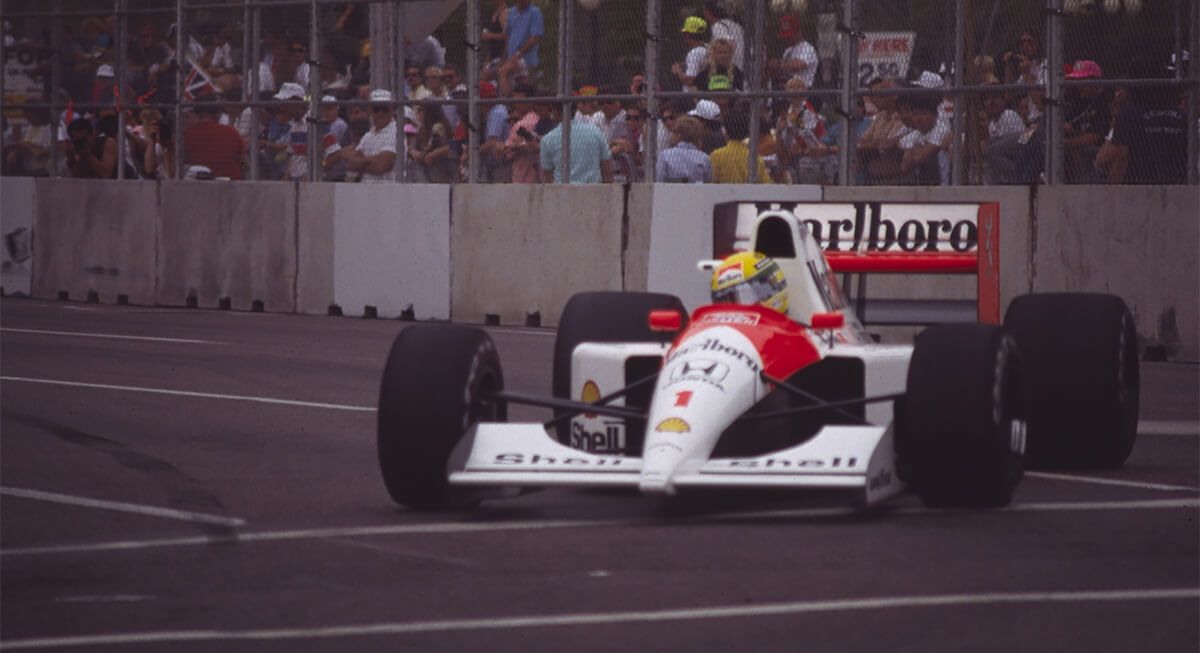
Most drivers would have accepted defeat once both cars stopped at the chicane. Senna refused. Marshals push-started his damaged McLaren; he rejoined through the escape road, returned to the pits for repairs, then fought back through the field. By the closing laps, he had recovered enough ground to take the checkered flag first. Officials then disqualified him for missing the chicane during the rejoin sequence after the crash. Alessandro Nannini inherited the victory while Prost secured the championship. Senna exploded afterward and accused Formula One leadership of manipulating the outcome politically against him after the race finished.
Jean-Marie Balestre Became a Target of Senna’s Anger
Credit: Wikipedia
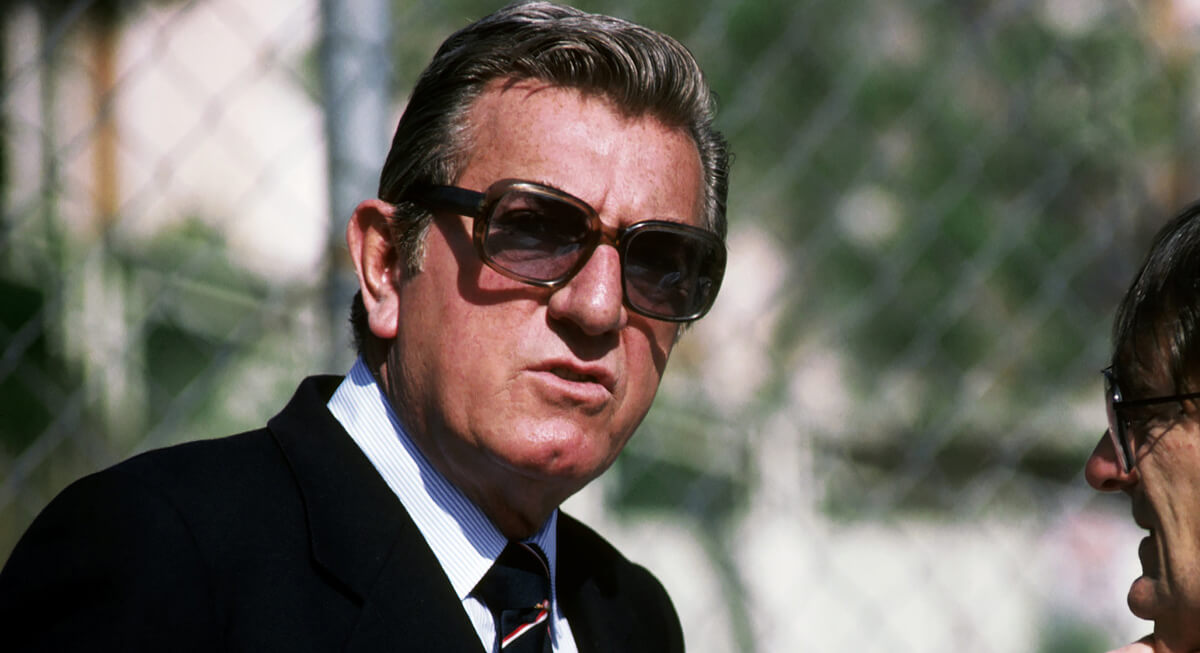
Senna directed much of his frustration toward FISA president Jean-Marie Balestre after the 1989 disqualification. He publicly accused Balestre of favoring Prost and influencing the championship outcome. The rivalry immediately expanded beyond two drivers and dragged Formula One’s governing body into the controversy. Balestre denied interfering with the result, though Senna continued criticizing officials afterward. The fallout from Suzuka deepened the hostility between the two camps and ensured the feud would continue.
McLaren Could No Longer Keep Both Drivers Together
Credit: Wikimedia Commons
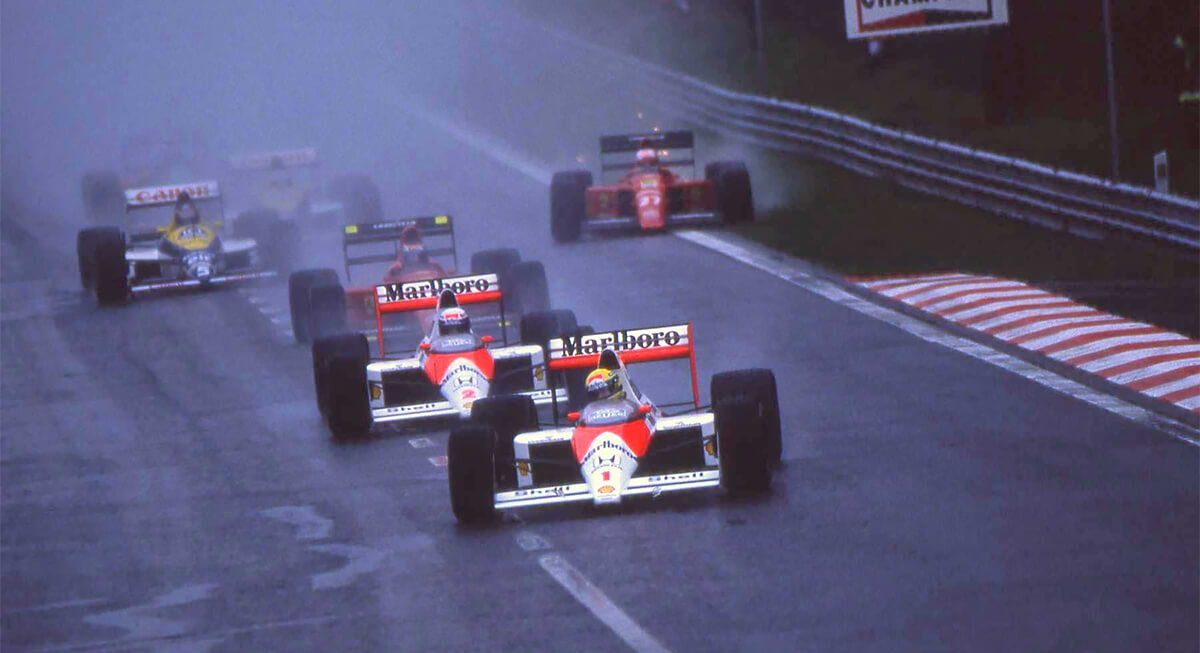
By late 1989, McLaren no longer looked capable of managing both drivers successfully. Prost had already signed with Ferrari for the following season, and tension inside the garage worsened during the championship fight. Their personalities intensified the conflict further. Prost approached races through patience, strategy, and tire management across long distances. Senna attacked corners aggressively and drove with visible intensity every lap. The contrast created spectacular racing while destroying trust between the two drivers.
Senna Arrived at Suzuka in 1990, Still Furious
Credit: Wikimedia Commons
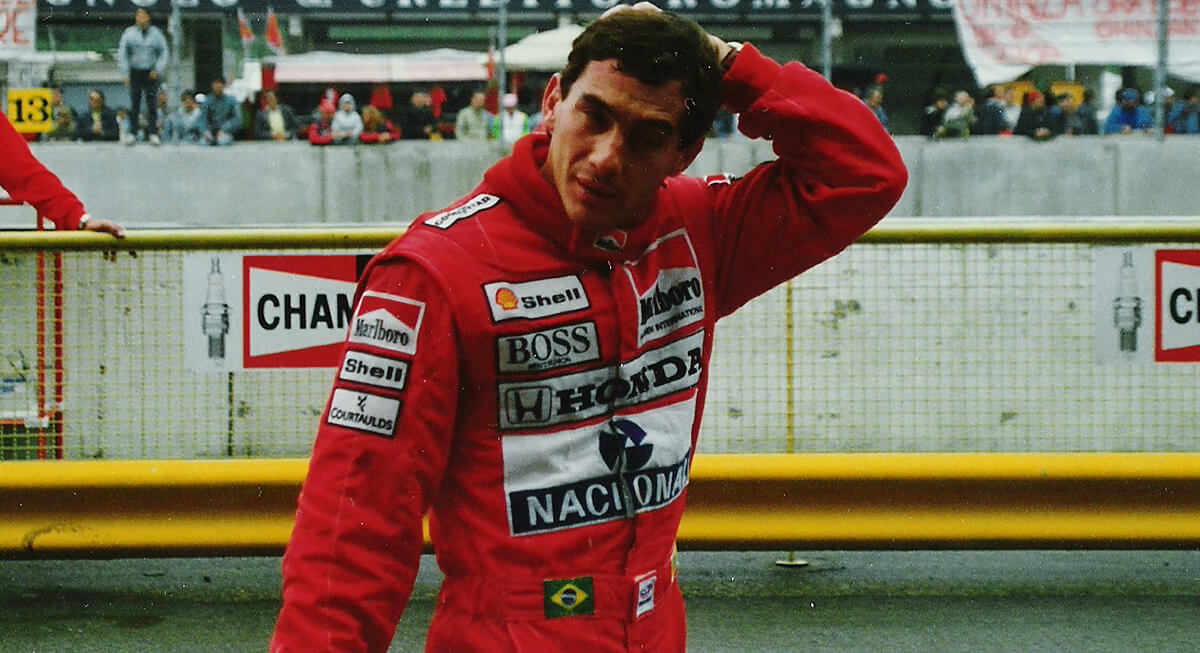
Senna never treated the 1990 Japanese Grand Prix as a fresh start. He still viewed the previous season’s disqualification as deeply unfair, and another controversy appeared before the race started. Pole position sat on the dirtier side of Suzuka’s grid, reducing grip for the launch toward Turn 1. Senna asked officials to move the pole onto the cleaner racing line. They refused. Prost, now driving for Ferrari, lined up beside him on the preferred side of the track. Before the race, Senna warned publicly that if Prost reached the first corner ahead, the Ferrari driver “had better not turn in” during the opening lap.
Prost Beat Senna Off the Line, and the Championship Ended Immediately
Credit: Wikimedia Commons
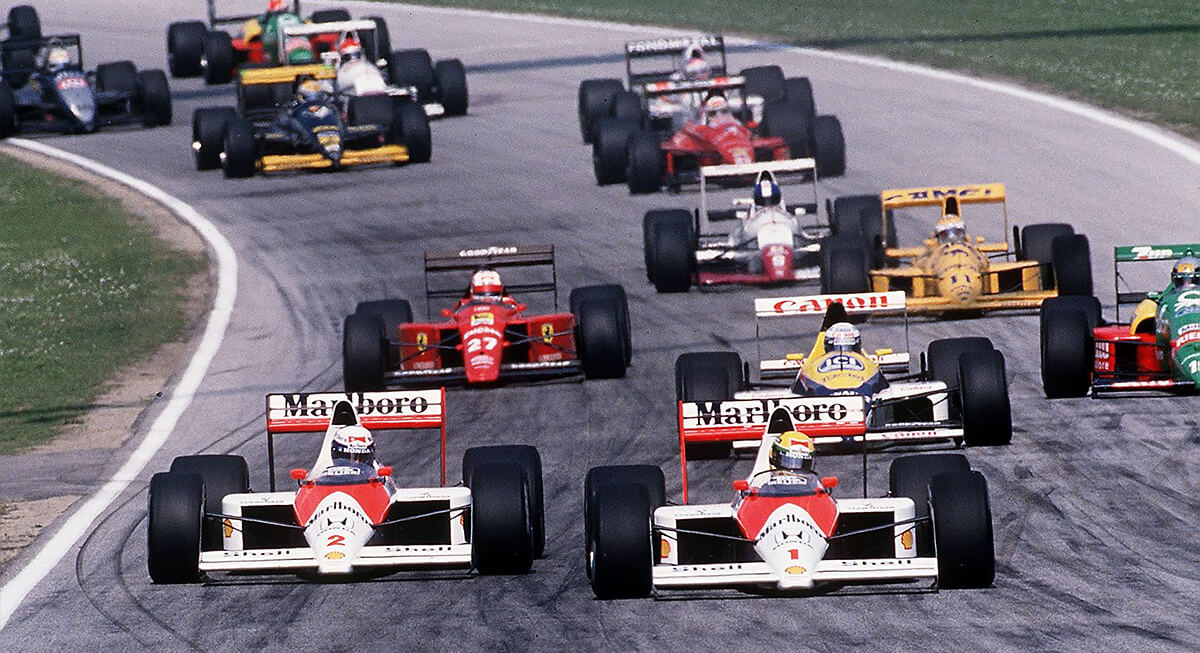
When the race started in 1990, Prost launched perfectly and reached Turn 1 ahead of Senna. He moved toward the apex while Senna stayed committed on the inside line at full speed. Contact came instantly. Both cars slid into the gravel trap before the field completed the opening lap. Since Senna entered the race leading the standings, the double retirement secured the championship in his favor. The collision became one of the most debated first-corner incidents in Formula One history.
Many Fans Viewed the 1990 Crash as Retaliation
Credit: Wikimedia Commons
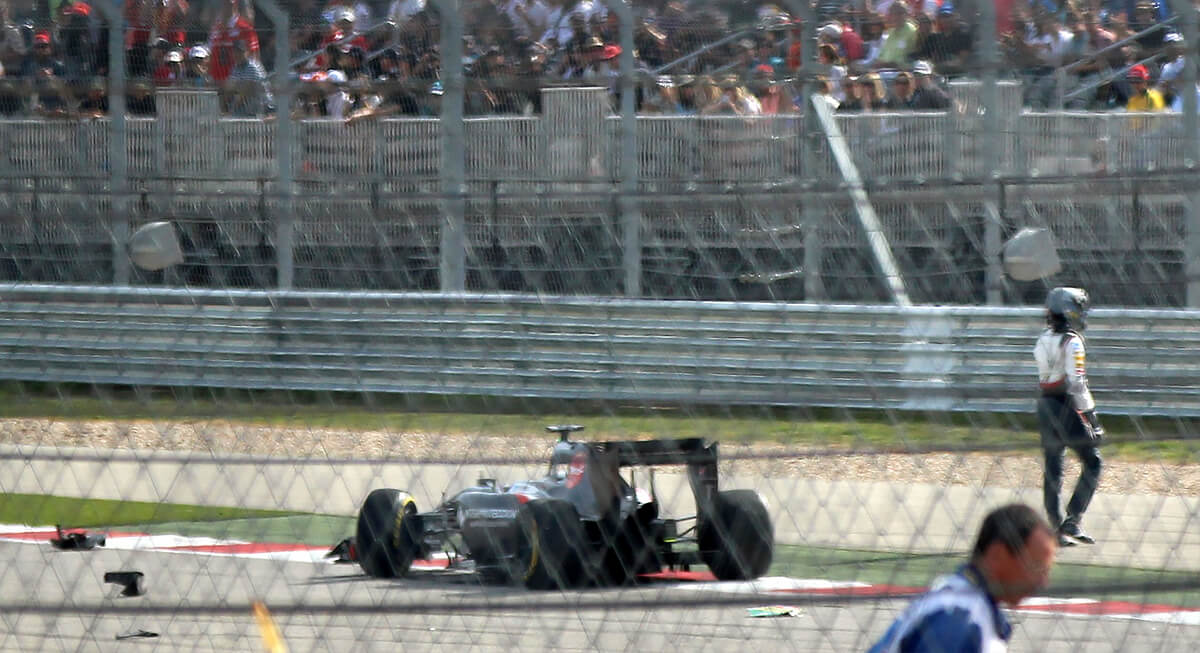
The context surrounding the 1990 collision made the incident far more controversial than an ordinary racing accident. Senna later described the crash in ways that sounded less accidental than calculated. Supporters defended the move as a form of revenge for the previous season’s controversy. Stewarding standards today place enormous emphasis on intent, avoidable collisions, and dangerous driving. A current driver eliminating a title rival after publicly warning about refusing to yield would likely face severe penalties and relentless scrutiny.
Both Championships Ended Through Crashes Between the Same Drivers
Credit: Wikimedia Commons
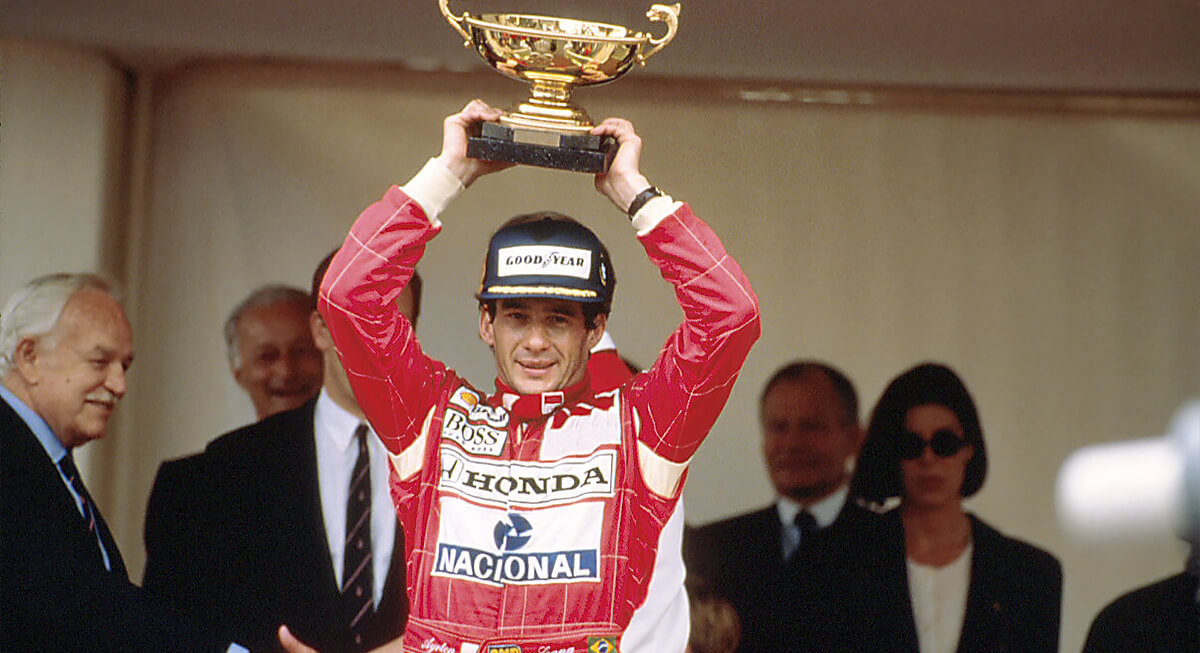
The symmetry behind the rivalry still sounds unbelievable decades later. Prost secured the 1989 championship after colliding with Senna at Suzuka’s final chicane. One year later, Senna secured the 1990 title after colliding with Prost at the same circuit during the opening corner. Very few title fights in Formula One history followed such a destructive pattern. Fans permanently tied Suzuka to the Senna-Prost rivalry.
Formula One Would React Differently Today
Credit: Wikimedia Commons
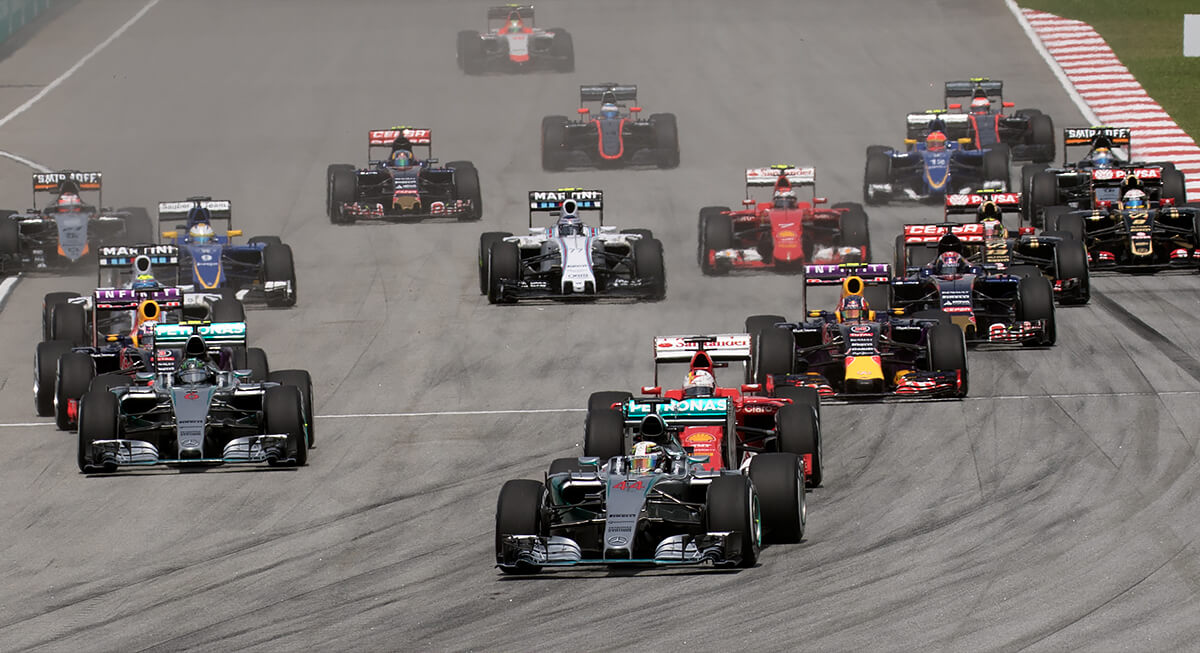
Senna and Prost raced during a period of weaker stewardship, limited onboard footage, and far less public scrutiny of controversial incidents. Modern Formula One operates very differently. Analysts now dissect telemetry within hours, and fans analyze steering inputs frame by frame across social media. The level of scrutiny changes how rivalries develop because teams, sponsors, and governing officials react immediately whenever incidents appear deliberate or dangerous.