10 Rule Changes That Completely Transformed Their Sports Forever
A sports rule can begin as a fix for one problem and end up changing how a game looks, feels, and gets coached for decades. That is why a few tweaks stand far above the rest. They changed strategy and gave fans a very different product than the one that came before. These 10 shifts left marks that never really faded.
The Shot Clock Saved Basketball From Stalling
Credit: Wikipedia
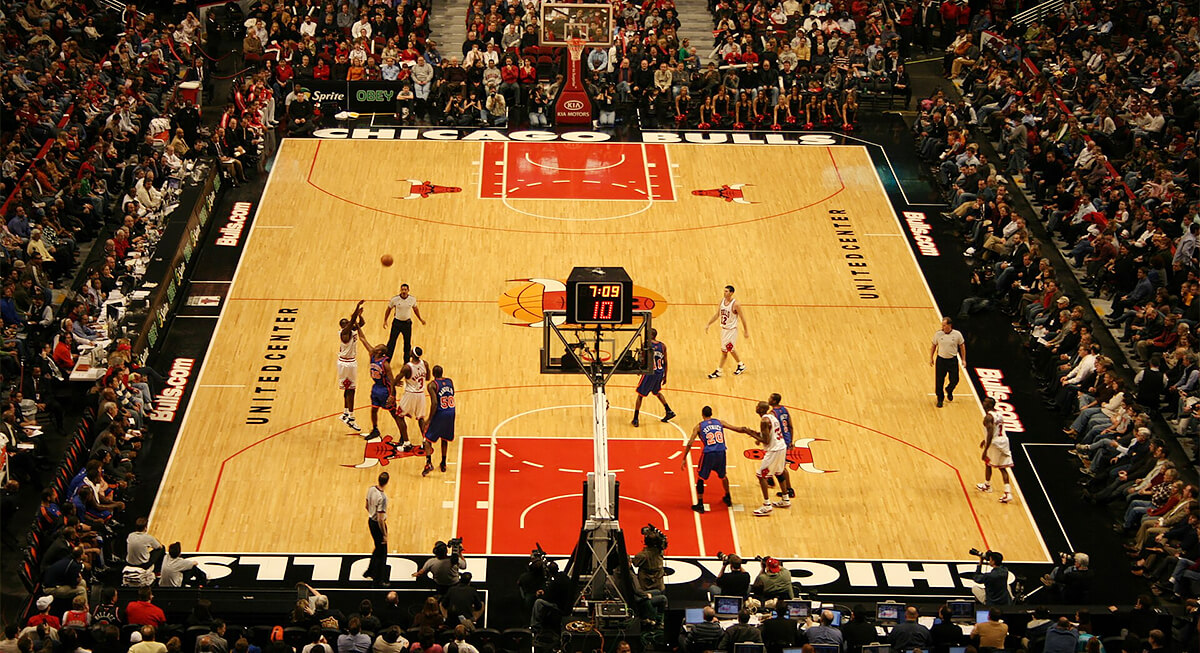
Before the NBA adopted a 24-second shot clock in 1954, teams with a lead could sit on the ball and drain the life out of a game. Scores would remain low, and fans would lose patience. Syracuse owner Danny Biasone pushed for change, and the effect was immediate. League scoring jumped sharply in the first season. Pace improved, and late-game drama increased.
Football Opened Up With The Forward Pass
Credit: Wikimedia Commons
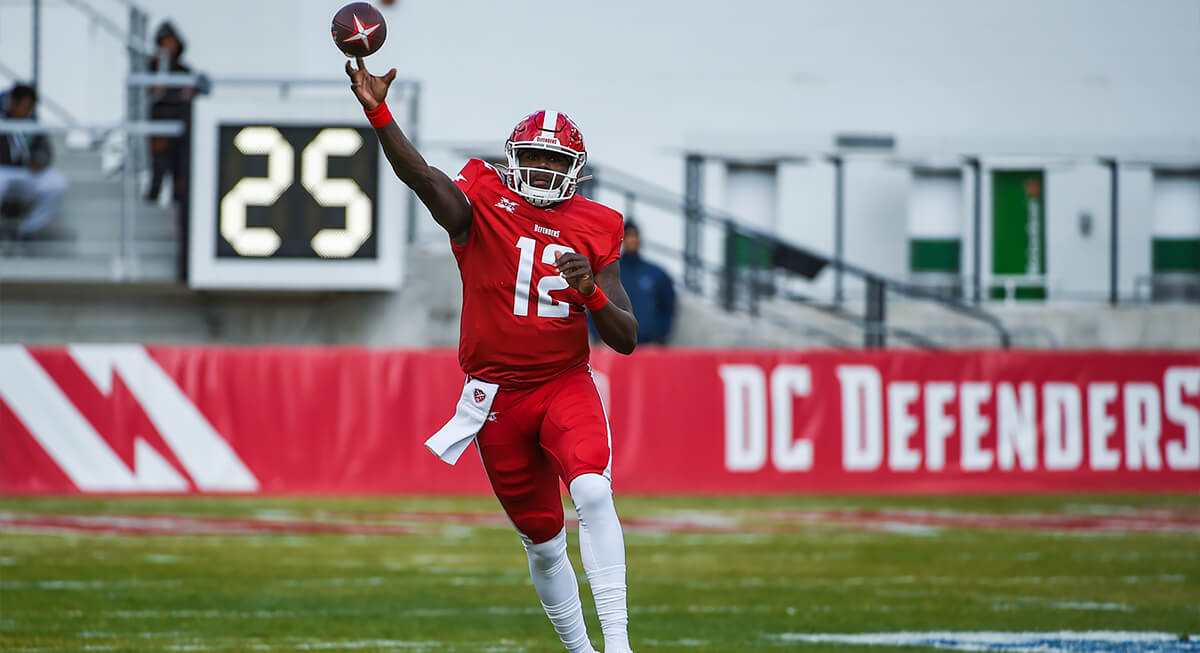
Football looked crowded and bruising before the forward pass arrived in 1906. Teams relied on mass formations and constant rushing, which made the sport more dangerous and far less open. Early passing rules came with strict limits, but the idea still changed everything. Once the later revisions loosened those restrictions, offenses stretched the field, and football separated itself from rugby.
The Designated Hitter Rewrote Baseball Lineups
Credit: Wikimedia Commons
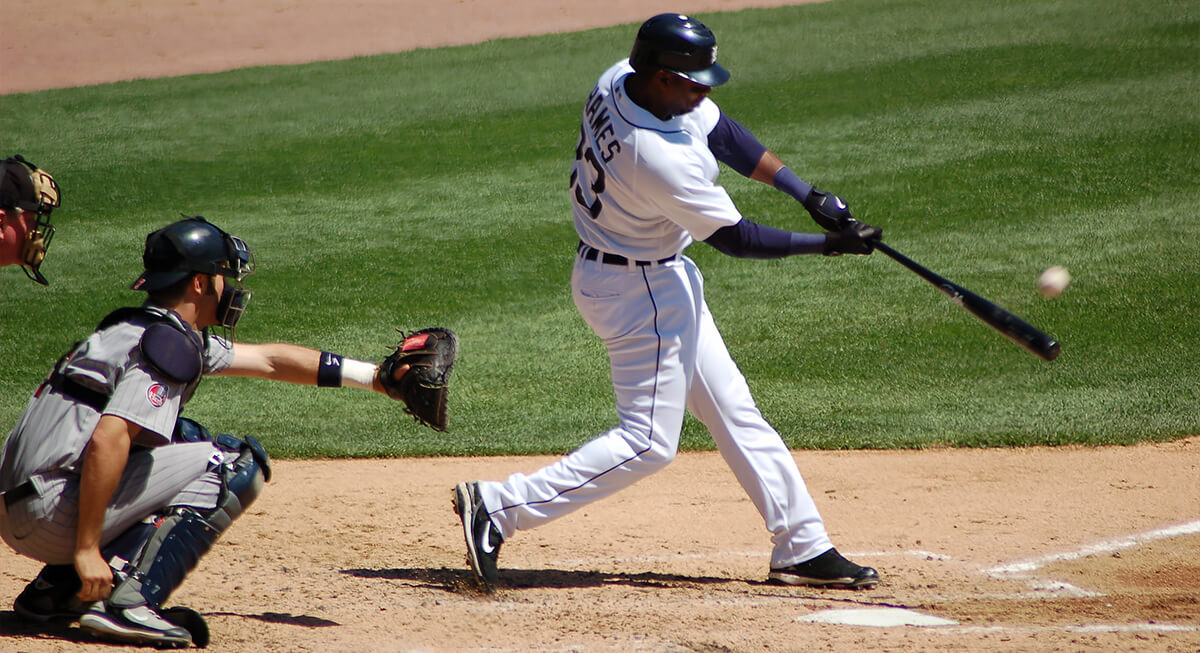
Major League Baseball had lived with pitchers hitting for decades, and that often meant a soft spot in the batting order. The American League changed course in 1973 by adopting the designated hitter. This created room for pure batsmen and changed how managers built rosters. Late-game strategy changed, too. Pitchers could stay in longer.
Soccer’s Penalty Kick Changed How Defenders Behaved
Credit: Wikimedia Commons
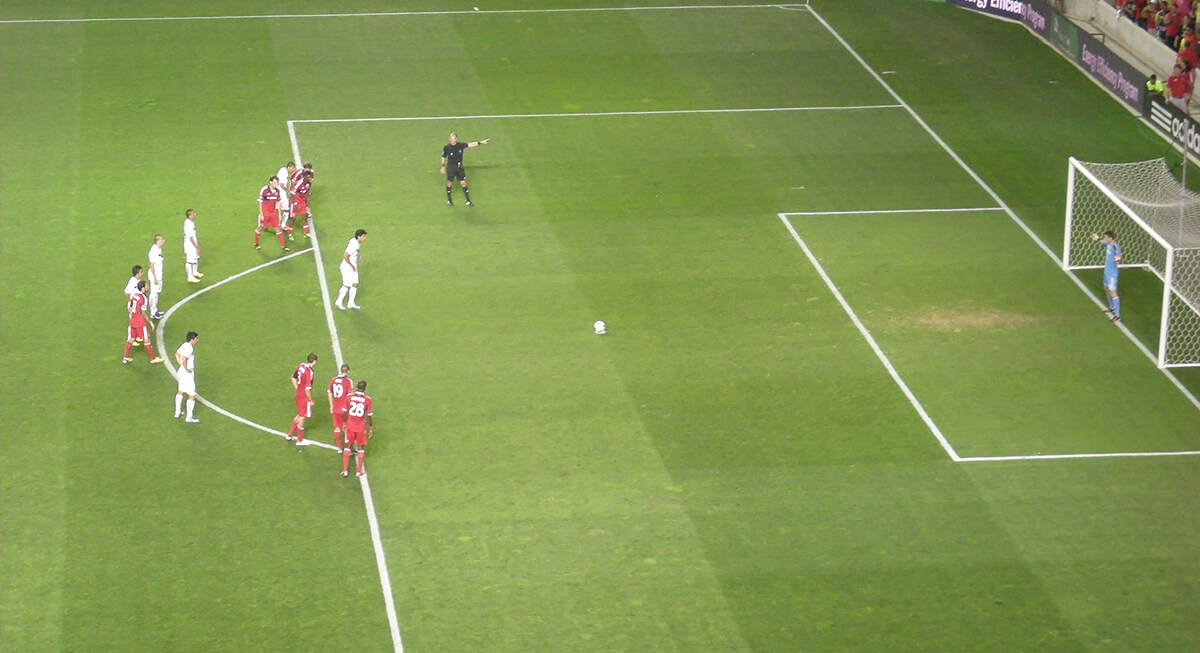
Soccer faced a whole new kind of pressure in 1891 when the penalty kick was introduced into the laws of the game. Before that, defenders could stop attacks near the goal without fearing a direct shot as punishment. The new rule changed the emotional temperature inside the box. Fouls in dangerous areas suddenly carried a much higher cost.
Hockey Entered A New Era With Legal Forward Passing
Credit: Wikimedia Commons
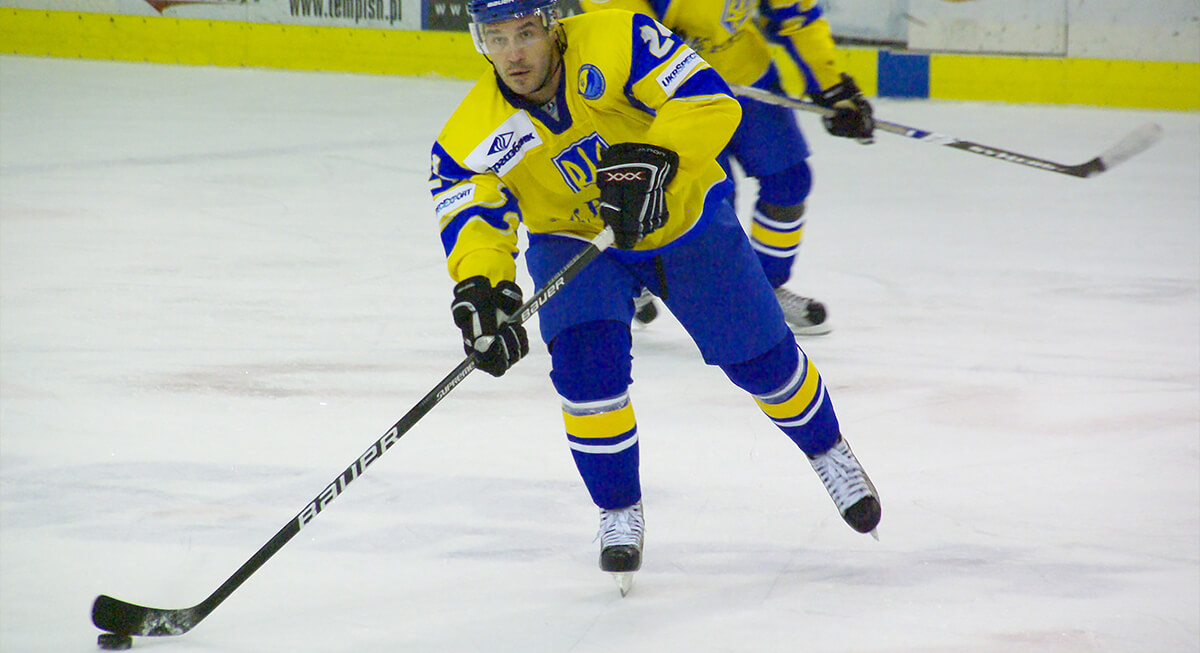
Early hockey imposed heavy restrictions on forward passing, which kept attacking play cramped and slowed transition through the neutral zone. Over time, rule changes opened passing lanes and pushed the sport toward the version seen today. A major step came with the 1943-44 adoption of the center red line, which helped organize longer movement up ice.
The Three-Point Line Changed Basketball Geometry
Credit: Wikipedia
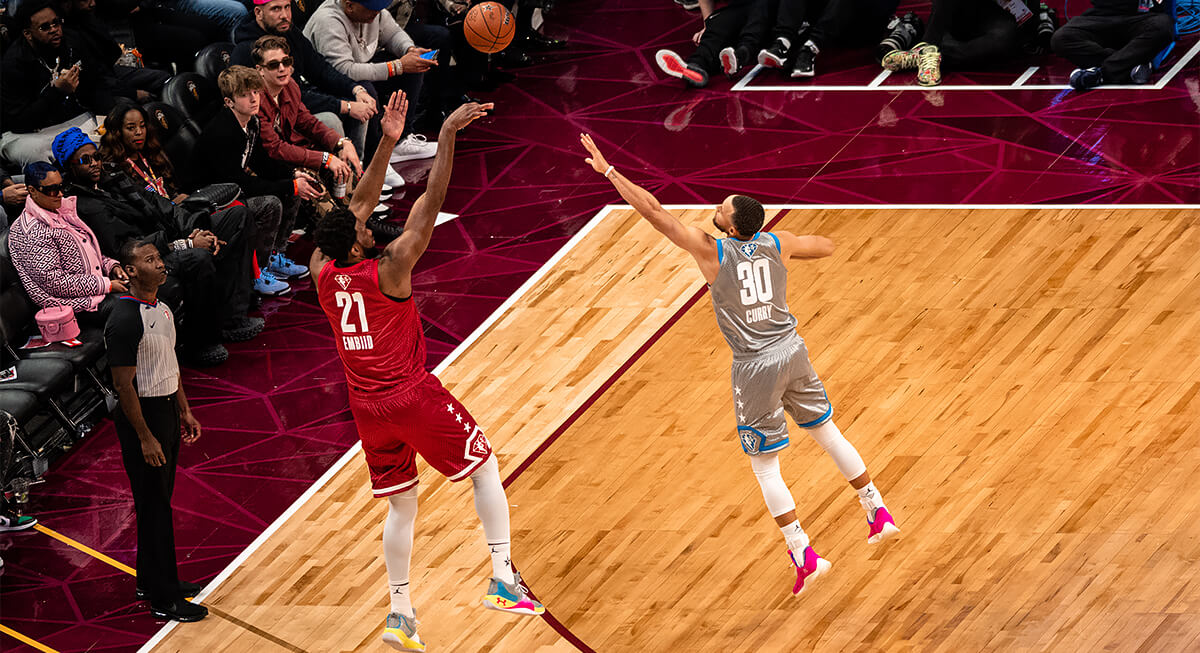
The three-point shot began as a curiosity in smaller leagues before the NBA adopted it in 1979. At first, many teams treated it like a novelty. That did not last. The arc changed floor spacing and player development at every level. Guards gained new power, and coaches started valuing efficiency in fresh ways.
Instant Replay Turned Officiating Into Part Of The Show

Credit: Getty Images
Replay review spread across major American pro sports during the last two decades, and that shift changed far more than a few disputed calls. Officials now work with screens, and fans wait for verdicts that once rested on a single live look. The process still sparks complaints about delays, but its influence is enormous.
Volleyball’s Rally Scoring Changed Every Possession
Credit: Wikimedia Commons
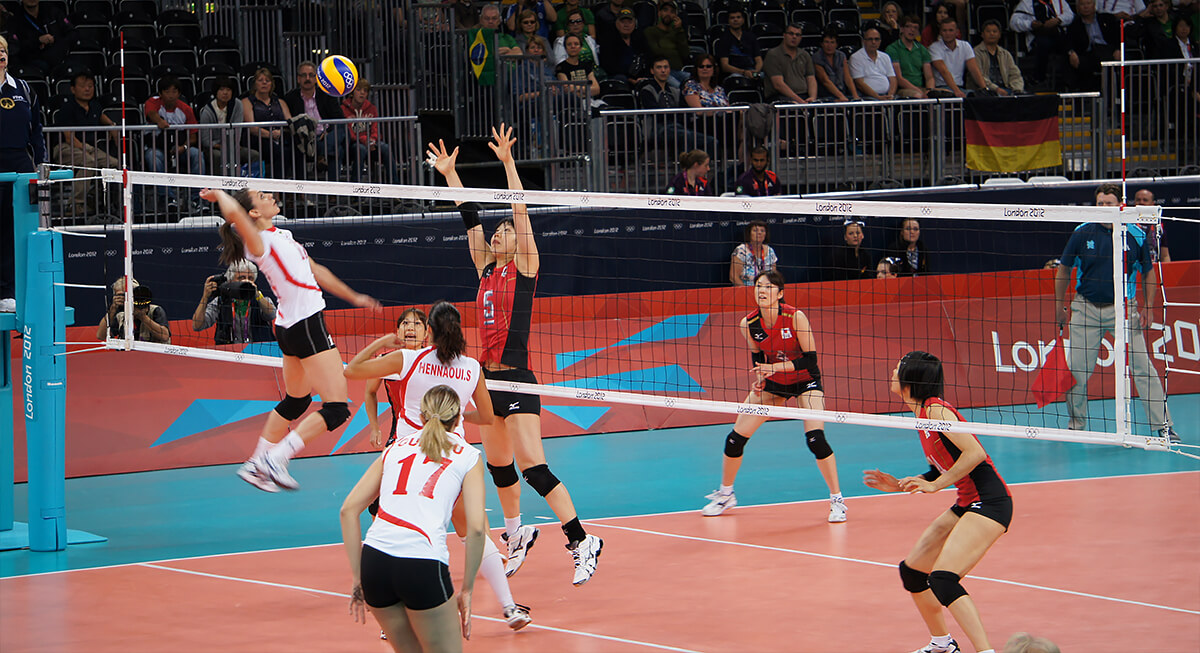
For years, traditional side-out scoring has allowed only the serving team to earn points in volleyball. Matches could drag, and momentum could disappear for long stretches. Rally scoring changed that by awarding a point per rally, which made the sport easier to follow and schedule. The shift emerged through international rules in the late 1990s and spread widely thereafter.
Basketball’s Zone Defense Ban Ending Altered The NBA
Credit: Wikimedia Commons
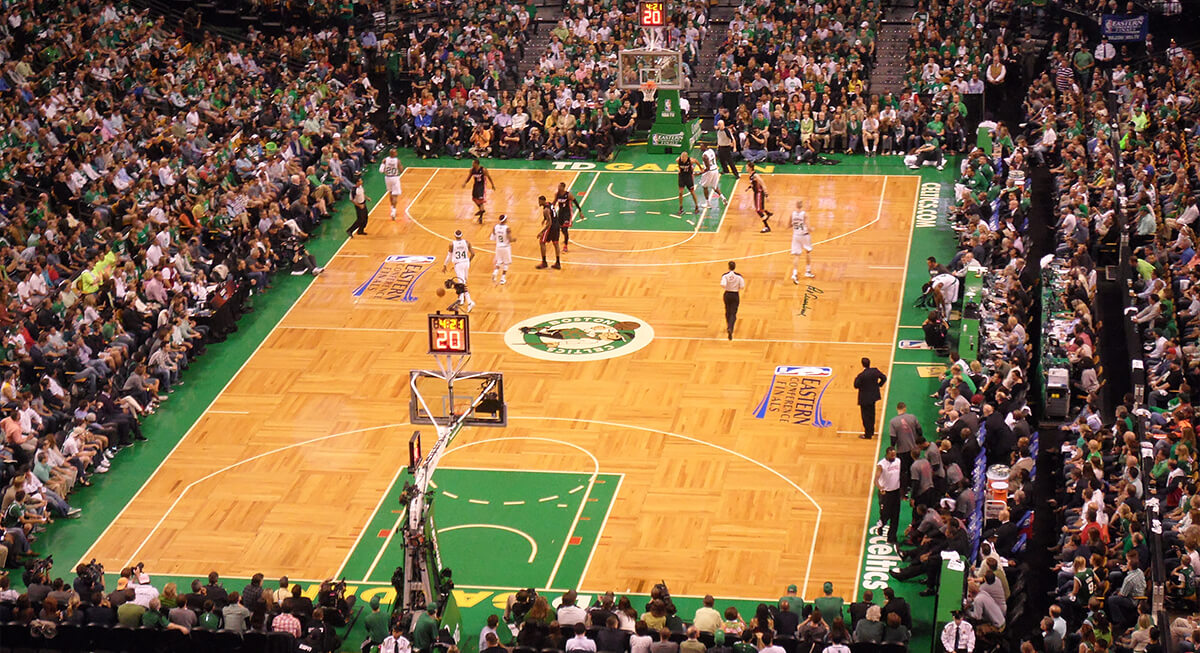
The NBA spent decades banning zone defenses. This kept teams in stricter man-to-man structures and shaped the kind of stars who could dominate. This changed in 2001-02, when the league allowed zones and added a defensive three-second rule. Coaches gained new ways to load up against scorers. The change also helped launch modern tactical chess matches.
The NHL Killed Ties And Created The Shootout Era
Credit: Wikimedia Commons
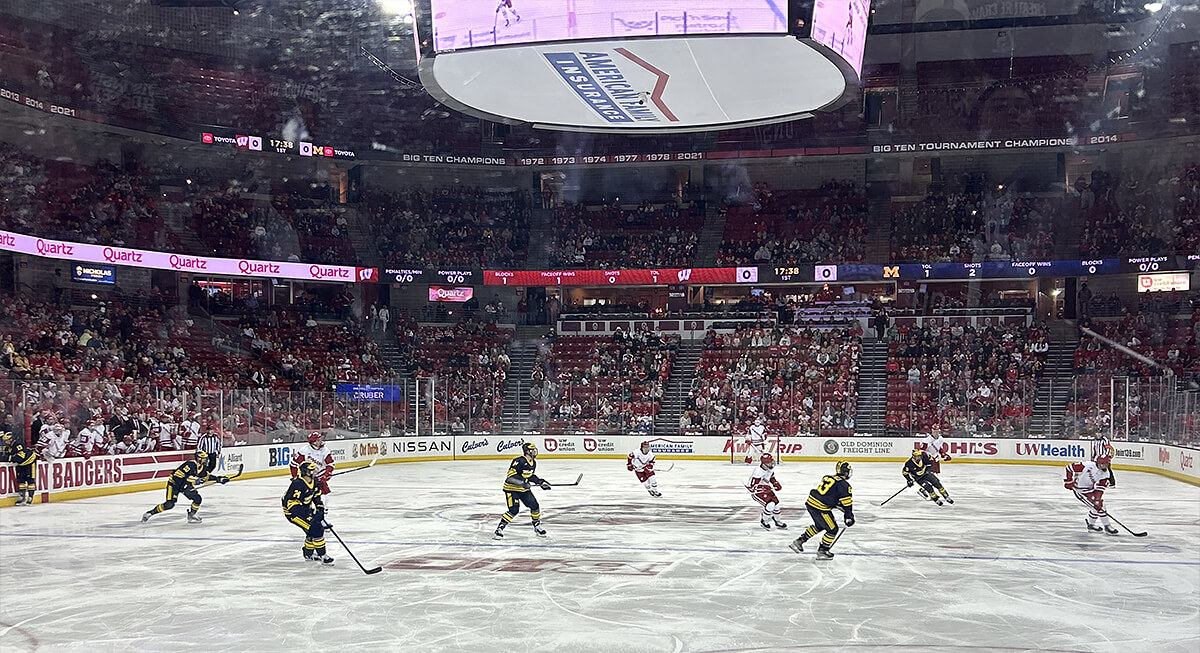
When the NHL returned after the 2004-05 lockout, it arrived with a rule package designed to increase speed, generate more offense, and produce cleaner endings. The biggest public change was the removal of the tie. Regular-season games that remained level after overtime now moved to a shootout. Fans got a definite winner, and teams had to value specialist scorers and goalies.