USC and UCLA: 10 Ways These Football Rivals Actually Work Together
USC and UCLA often seem like total opposites on game day, but their campuses frequently intersect in everyday life in Los Angeles. Research labs, medical teams, and city projects often bring together people from both schools. These collaborations have a significant impact on health, technology, and policy across the region in very real ways.
World’s First Bladder Transplant

Credit: Canva
A rare paired kidney-and-bladder transplant brought USC and UCLA surgeons into the same operating room after years of shared planning. The case introduced new surgical techniques and required both teams to coordinate every step of the procedure. The patient’s smooth recovery pushed the researchers to continue building on what they developed together.
Tech Tools That Detect Hidden Distress

Credit: Canva
PRECOG combines USC and UCLA expertise to study subtle signs linked to depression and suicidal ideation. Engineers, psychologists, and clinicians gather behavioral and neurological data to identify patterns that appear before a crisis. The goal is to help professionals identify concerns earlier and guide people toward support before symptoms intensify.
Rebuilding After Devastating Wildfires

Credit: Wikimedia Commons
When wildfires struck Los Angeles County in 2025, the region required a comprehensive plan for long-term recovery. Specialists from both universities collaborated to assemble a roadmap that addresses insurance gaps, rebuilding timelines, and workforce shortages. Their joint report became a practical guide for local leaders navigating a complex, fast-paced rebuilding process.
Tracking How Heat Shapes Aging

Credit: Getty Images
The long-running USC/UCLA center on biodemography studies how life conditions influence the aging process. One of their projects even highlighted a link between extreme heat and faster biological aging in older adults. The center’s combined research helps communities understand how environmental pressures affect long-term health, particularly in cities facing rising temperatures.
Shade Projects Built for Hot Neighborhoods
Credit: Getty Images
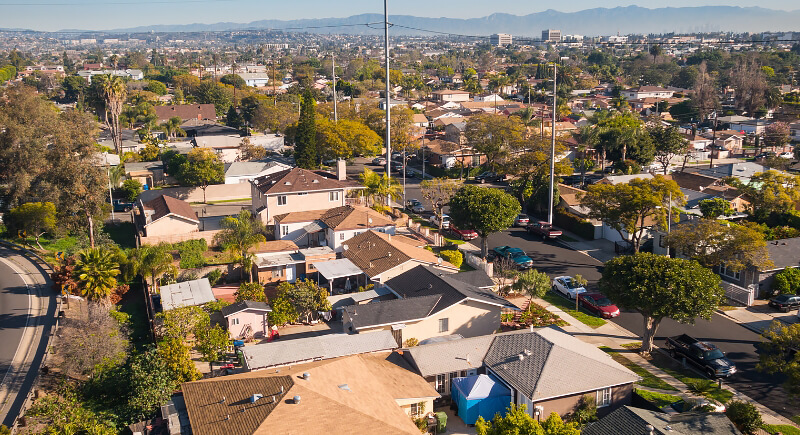
ShadeLA brought both campuses together with city officials to determine which neighborhoods experience the most overheating. Researchers mapped temperatures, reviewed transit corridors, and assessed where trees or shade structures could enhance safety during daily movement. Their findings provide planners with a clearer picture of how to cool streets before the 2028 Games attract larger crowds.
Digital Humanities That Bring History to Life
Credit: Wikimedia Commons
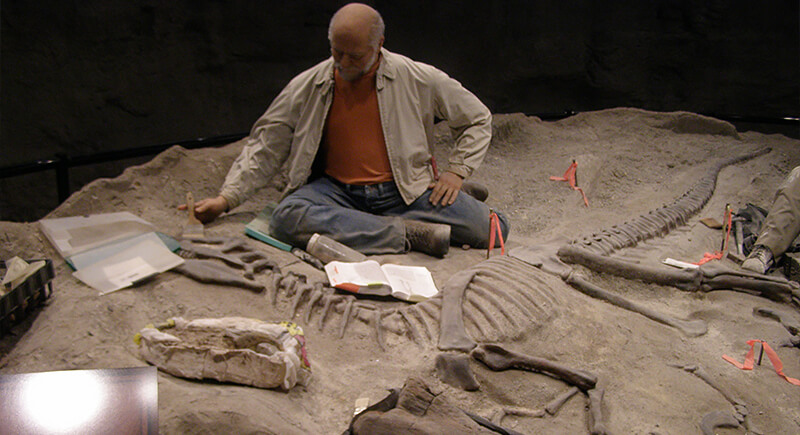
The ITCH Symposium gives USC and UCLA researchers a shared space to experiment with virtual and augmented reality. Archaeologists, historians, and technologists use the event to test digital recreations of cities, artifacts, and ecosystems. Students from both campuses exchange ideas, compare tools, and collaborate on projects that make historical research more engaging and interactive.
New Approaches to Chronic Pain

Credit: Canva
Biomedical engineers from the two universities designed a flexible implant that delivers spinal stimulation without bulky batteries or wires. The device moves with the spine and uses wireless power, which reduces the need for maintenance surgeries. Early lab testing showed promising pain relief and encouraged the teams to push toward larger studies.
Studying Homelessness Through Mobile Surveys
Credit: Wikimedia Commons
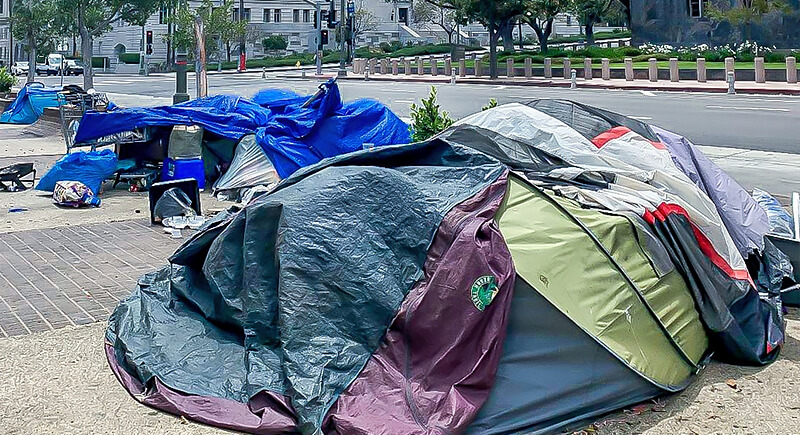
PATHS relies on joint USC-UCLA field teams that survey people living outdoors across Los Angeles County. Mobile questionnaires gather information on health, housing history, and safety concerns. The data helps agencies refine programs and understand which services make the biggest difference when people move into temporary or long-term housing.
Research Focused on Longer, Healthier Lives

Credit: Getty Images
A new aging-research hub supported by the National Institute on Aging brings USC, UCLA, and Cedars-Sinai scientists under one umbrella. The group studies biological markers of aging and looks for interventions that preserve mobility and cognitive health. The shared labs and coordinated studies make it easier to compare results across all three institutions.
Rivals Who Game Together
Credit: Wikimedia Commons
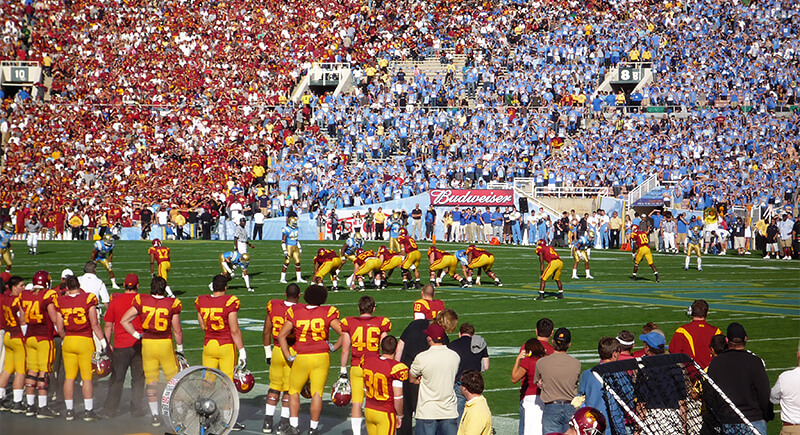
E-Conquest brings students from both campuses together for a lively tournament each fall. Teams face off in titles like League of Legends and Rocket League, with rotating hosts and big online streams. The event keeps the competitive spirit alive, but it also gives USC and UCLA players a chance to meet, chat, and enjoy the same gaming culture.