Ranking the Most Experienced MLB Free Agents Entering 2026
Free agency tends to spotlight youth and upside, but veteran players still shape seasons in important ways. Teams rely on experience to manage workloads, handle pressure, and steady a roster when injuries hit. These players understand their roles and know how to contribute without needing everything to break right.
As the 2026 market opens, these veterans stand out for their reliability and awareness. They have adapted to rule changes, shifting roles, and constant roster turnover, which gives them value that does not always show up in box scores.
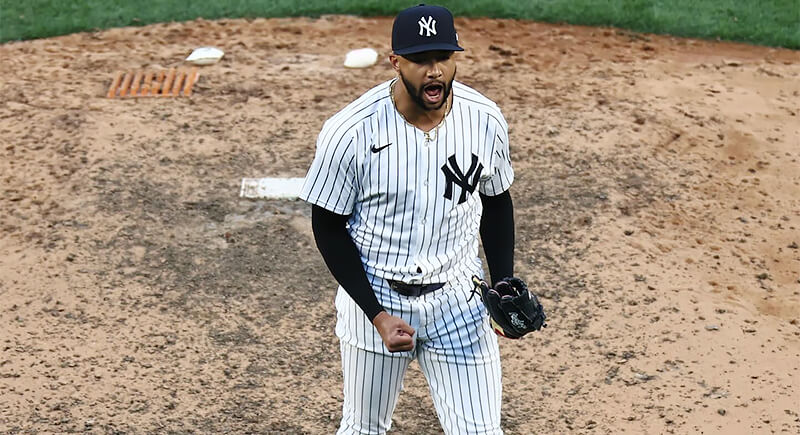
Devin Williams
Credit: Instagram
One bad ERA doesn’t erase five seasons of elite performance. Williams still misses bats and avoids barrels, even if 2025 came with hiccups. He’s closed big games, adapted to various roles, and pitched through rough stretches. For a club needing experience in the bullpen, his track record holds weight.
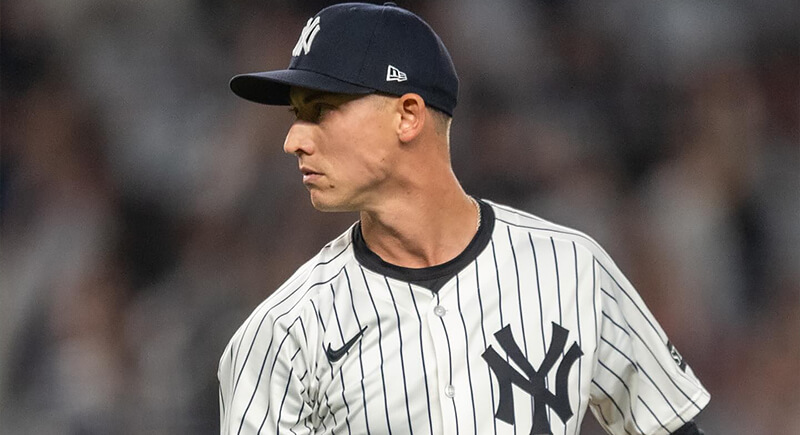
Luke Weaver
Credit: Instagram
Luke Weaver’s career has shifted roles more than once, but his recent stretch with the Yankees clarified where he fits best. Used in high-leverage relief, he delivered 64 steady innings while limiting walks and hard contact. That combination makes him a reliable option for teams needing dependable coverage in the middle to late innings, especially from the sixth through the eighth.
Mike Yastrzemski

Credit: Wikimedia Commons
Even in a smaller role, Yastrzemski offers value. He doesn’t chase often, handles right-handed pitching, and can still track fly balls in the corners. At 35, he’s not a centerpiece, but contenders looking for bench depth or part-time outfield help still benefit from his discipline and baseball IQ.
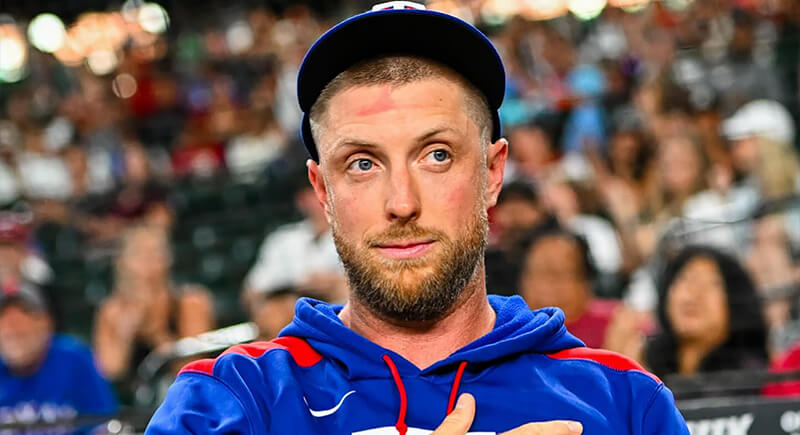
Merrill Kelly gives you innings, not headlines
Credit: Instagram
Kelly turned 184 innings into a 3.52 ERA last season and didn’t rely on velocity to do it. At 37, he doesn’t overpower hitters, but he reads swings, changes speeds, and limits damage. Teams get a clean, professional start every fifth day.
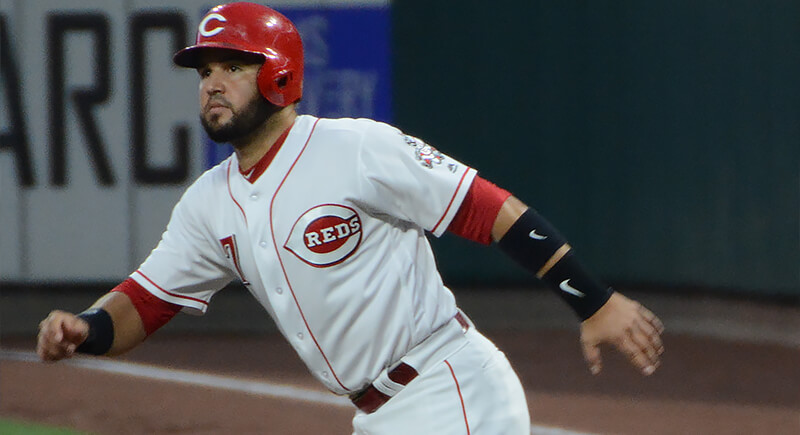
Eugenio Suárez
Credit: Wikimedia Commons
Suárez played nearly every day and crushed 49 homers at age 34. He struck out a lot and didn’t help much defensively, but teams can live with that when the power shows up like clockwork. He doesn’t adjust to the league; the league keeps adjusting to him.
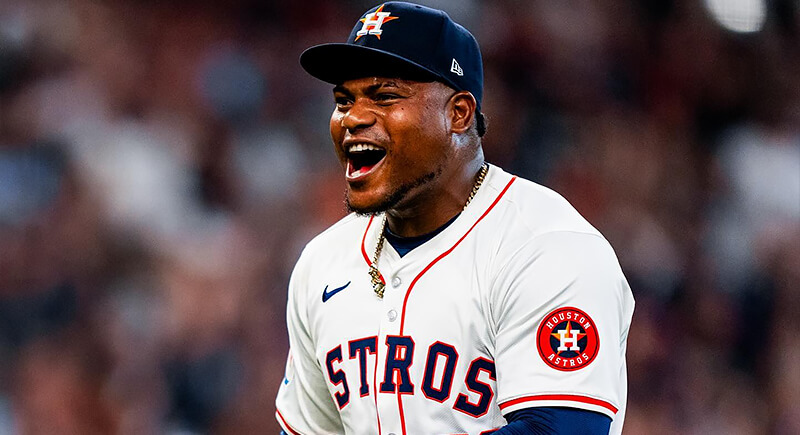
Framber Valdez
Credit: Instagram
Valdez doesn’t need to rack up strikeouts to control a game. His sinker-heavy approach kept the ball on the ground for nearly 200 innings last season. He’s dependable and repeatable, especially for teams with strong infield defense. Everyone knows exactly what he brings, and that’s the point.
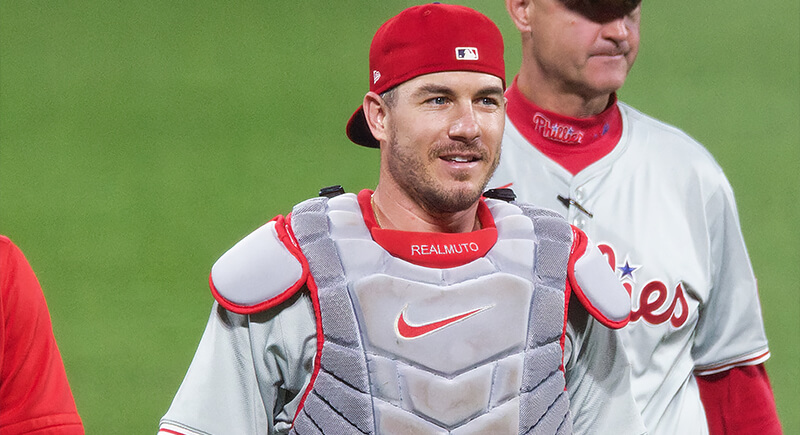
J.T. Realmuto
Credit: Wikimedia Commons
Realmuto isn’t winning Gold Gloves anymore, but he’s still a reliable presence behind the plate. He manages rotations, calls competitive games, and won’t embarrass himself at the plate. At 35, catchers usually don’t last this well, which makes his career longevity a valuable asset that teams still trust.
Kyle Schwarber

Credit: Wikimedia Commons
Schwarber doesn’t try to be anything he’s not, and that makes him a known commodity. He strikes out a lot, doesn’t run, and won’t play center field, but he hits the ball extremely hard. Teams chasing lefty power don’t have to squint or project. He’s already doing the one thing they’re paying for.
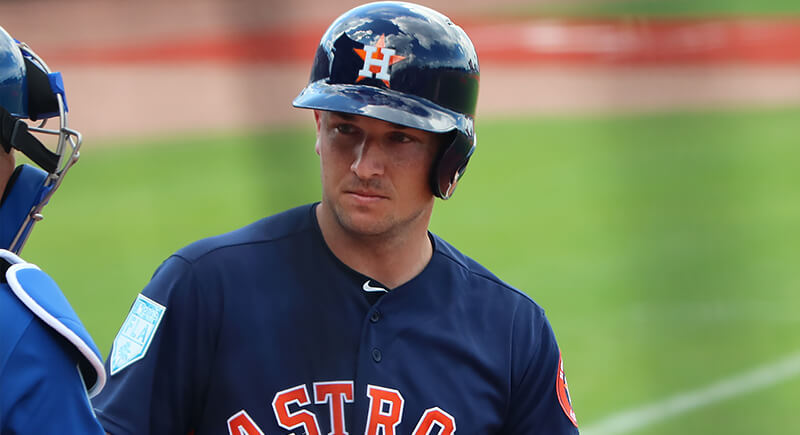
Alex Bregman
Credit: Wikimedia Commons
Even with some questions about the aging curve, Bregman continues to produce. He’s never fallen below league-average hitting and continues to offer steady defense at third. Teams know they can slot him in the lineup without reworking their strategy. That kind of low-maintenance reliability is rare for someone with nearly 1,500 career games under their belt.
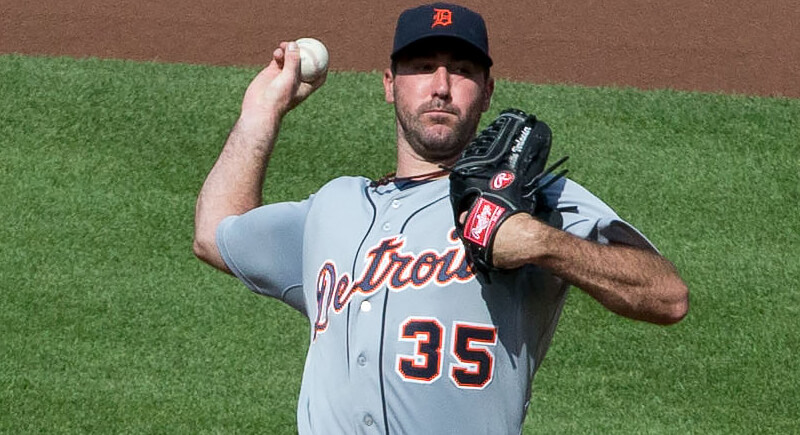
Justin Verlander
Credit: Wikimedia Commons
At 43, Verlander doesn’t throw like he used to, but he doesn’t need to. He commands his arsenal, sets hitters up with sequencing, and manages starts with the efficiency of someone who’s seen everything twice. Teams can’t expect ace-level innings, but they trust him to stay healthy and make adjustments midseason.