
A tiny line on my pitching chart changes who throws tomorrow, how they warm up, and how sore arms get caught before they turn ugly.
Stop treating pitch count like a single number
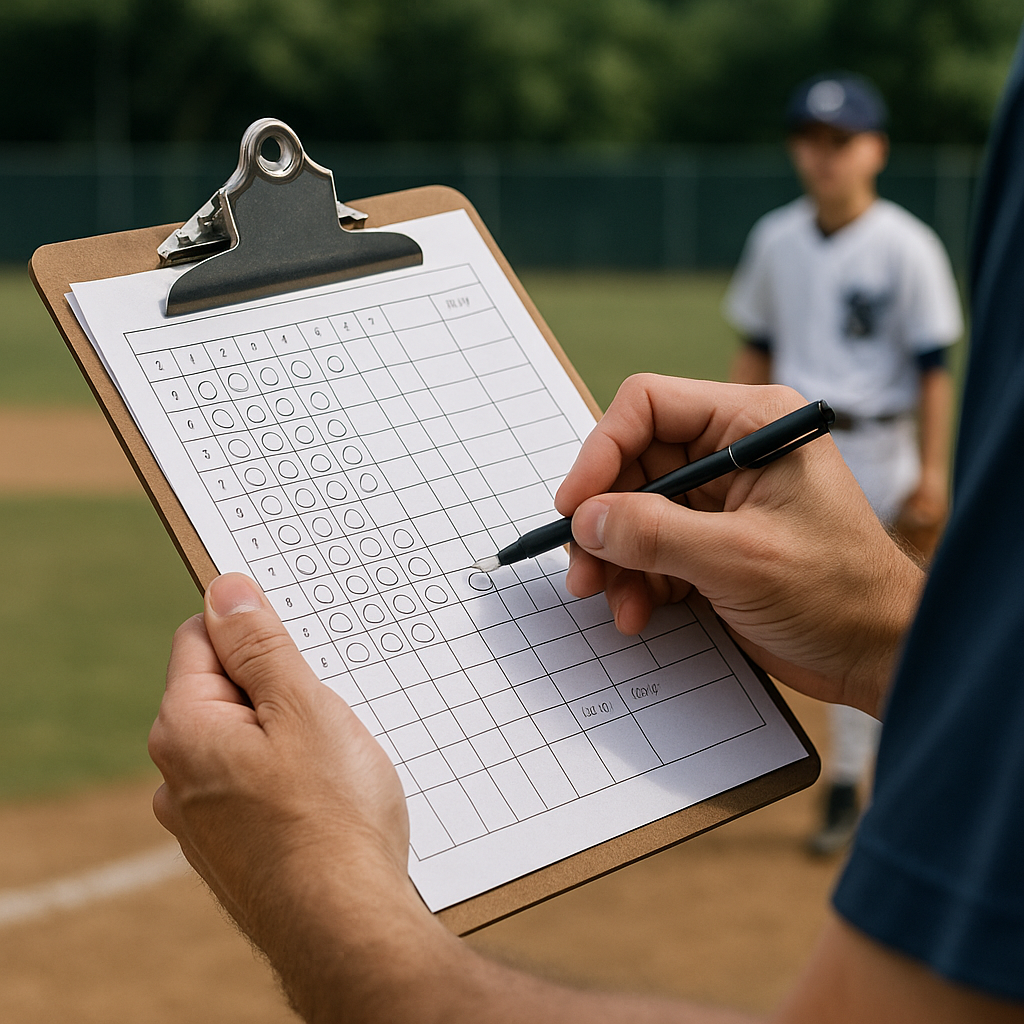
On paper, pitch count looks clean: 72 is fine, 91 is not, everybody goes home. In the dugout, it never behaves like that. The 19-pitch first inning where your guy can’t land a fastball arm-side and keeps stepping off because the runner won’t stop dancing? That’s not the same workload as a 9-pitch inning with three routine grounders to short. If you only track the total, you miss the part that matters for safety: stress.
I keep a simple pitching chart on a clipboard, and I circle three kinds of pitches as I’m tallying: (1) anything that goes to a full count, (2) any sequence with two or more breaking balls in a row, and (3) any “cover the running game” pitch after a long hold or a throw-over. Those are the ones that turn a normal outing into the kind of soreness the kid tries to hide at stretch lines the next day. You can see it in their body language: glove gets heavy, front side starts flying, and the catcher’s target becomes a suggestion.
Here’s the move that keeps me honest. At the end of each inning, I write one short note next to the running total: “easy,” “grindy,” or “traffic.” That’s it. Not a speech, not a medical diagnosis. But when I’m deciding whether he starts Tuesday’s bullpen or just plays short and takes dry swings, that one word keeps me from talking myself into “he’s fine, it was only 68.” I’ve watched too many elbows flare up right after the coach says, “He didn’t throw that many.” The total matters, but the shape of the outing is usually the warning light.
The warm-up tax nobody counts (and arms always pay)

Every coach has seen it: a kid “only” throws 55 in the game, but his shoulder feels like it’s been through a wood chipper on Saturday. Then you replay the night and realize he warmed up three separate times. Once in the third when your starter got hit, again in the fifth when the inning went sideways, and again in the seventh because the tying run came to the plate. None of those pitches show up on the official total, but the arm doesn’t care where the mound is.
I started calling it the warm-up tax because it’s the thing that sneaks in when you aren’t disciplined about roles. The fix isn’t complicated, but you have to be a little stubborn about it. When I get to the park, I assign one pitcher to be “hot next” and one to be “dry only.” Hot next means he throws with the catcher in the pen and gets to a spot where he could enter without rushing. Dry only means bands, shoulder tube, and flat-ground at 60 feet, but no full-intent bullpen. If the situation flips, we flip the jobs, but I don’t let three guys all throw 25 “just in case.” That’s how you get a week of cranky elbows and kids gripping the ball like it’s a bar of soap.
I also time the between-inning pen work by feel, not ego. A lot of high school guys treat the bullpen like a showcase. They’ll empty the tank on the last five because somebody’s watching. I tell them their last five in the pen should look like their first five in the game: controlled, repeatable, same tempo. If they can’t do that, they aren’t ready to enter anyway, and you just burned bullets for nothing.
Pitch count strategy gets talked about like it’s math. In real life, it’s logistics. If you want safer arms, count the hidden throws and stop pretending they don’t exist.
How I use the next-day check without turning into the trainer
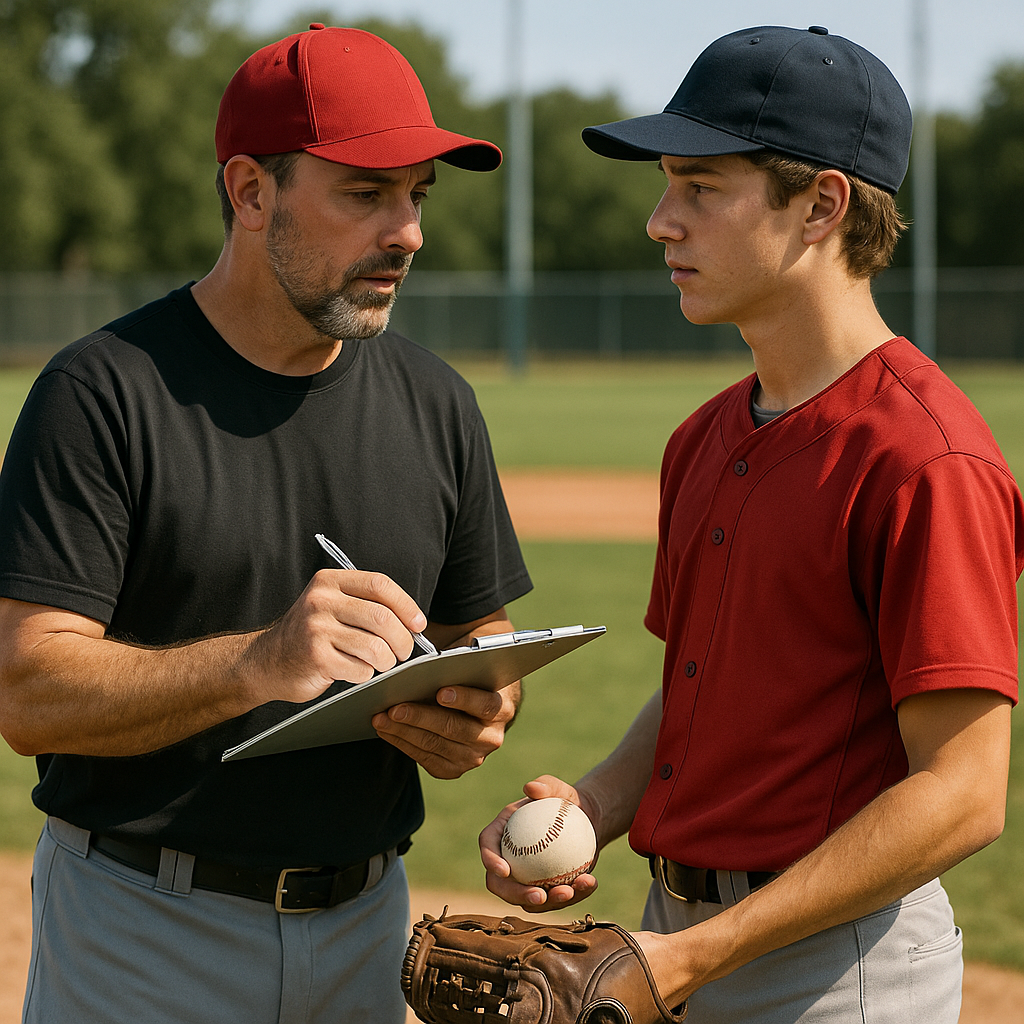
The day after an outing is where pitch counts either protect a kid or just make you feel organized. I’m not a medical professional, and I don’t play one in a high school dugout. What I can do is run a consistent check that catches the “something’s off” arms before they turn into the kid who can’t find the zone for two weeks and then quietly stops pitching.
My rule is simple: if you threw in the game, you check in with me before you touch a baseball the next day. Not a lecture. Thirty seconds while I’m setting up the L-screen or dragging the mound. I ask three questions in the same order every time: Where do you feel it, what makes it show up, and does it change when you get warm? Kids will tell you the truth if they know you aren’t hunting for an excuse to take the ball away.
Then I watch two things during light catch at 45 to 60 feet. First: are they finishing their throw, or are they cutting it off like they’re afraid of the follow-through? Second: do they keep shaking their arm between throws, the way guys do when the forearm starts barking? If either one shows up, I don’t “test” them with a bullpen. I’ll move them to a lower-stress job that day: first base, a lighter throwing progression, or even just swings and defensive footwork. Nobody loses face. They just don’t add volume on top of a cranky arm.
The pitcher who worries me isn’t the kid who says, “Yeah, I’m sore.” It’s the kid who says he feels fine, but his mechanics suddenly get short and yanked, and he’s rubbing the inside of his elbow while he’s pretending he’s adjusting his batting gloves. That’s where pitch count becomes strategy. It’s not about winning the Tuesday game at all costs. It’s about having a healthy staff in April and May, and not learning your lesson the hard way in late March.