Top 10 Outfield Prospects for the 2026 MLB Season
Outfield prospect rankings usually blur together because the language stays the same even when the players don’t. For 2026, the separation comes from timing, health, and how organizations actually plan to use these bats and gloves. This list looks at where each player stands right now and why their path to everyday major league time is starting to matter.
Chase DeLauter
Credit: Instagram
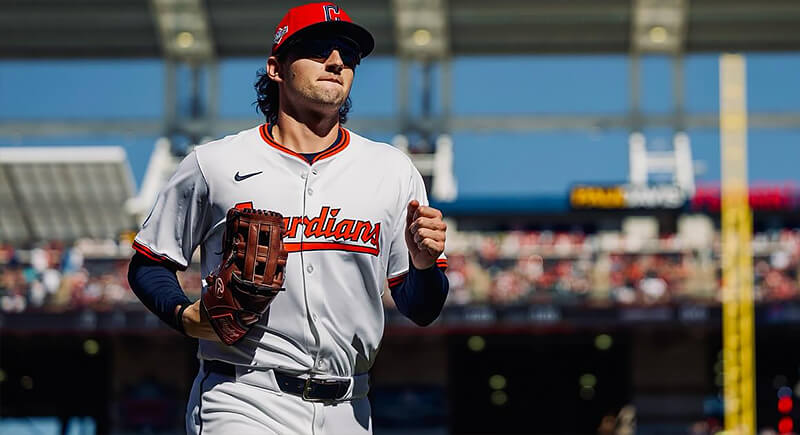
Cleveland didn’t wait for a perfect résumé before testing Chase DeLauter in meaningful moments. Giving him postseason at-bats in 2025 showed how much the organization already trusts the bat. When he’s healthy, the swing stays short, decisions come quickly, and power shows up without forcing it. The only thing slowing him down has been availability.
Lazaro Montes
Credit: Instagram
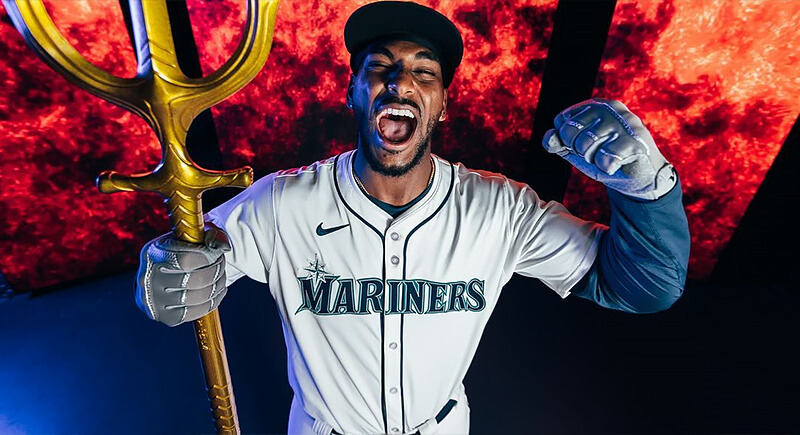
Watching Lazaro Montes in the minors feels like watching a hitter who already knows his job. Seattle has let him lean into his strength, and the results have been loud, with a 30-homer season before his 21st birthday.
Owen Caissie
Credit: Instagram
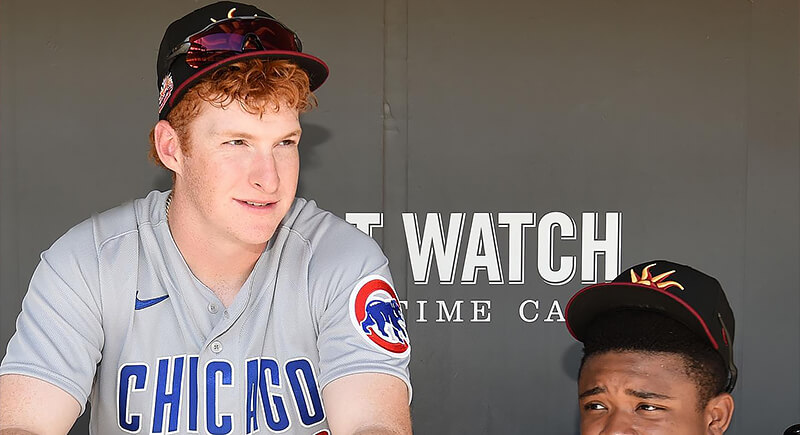
When Miami reshaped its outfield depth through trade, Owen Caissie arrived with a role in mind. His swing creates lift without selling out, and his willingness to take pitches keeps innings alive. Right field usage has stayed consistent, but sustaining that production against upper-level arms will shape how quickly 2026 plans accelerate.
Braden Montgomery
Credit: Instagram
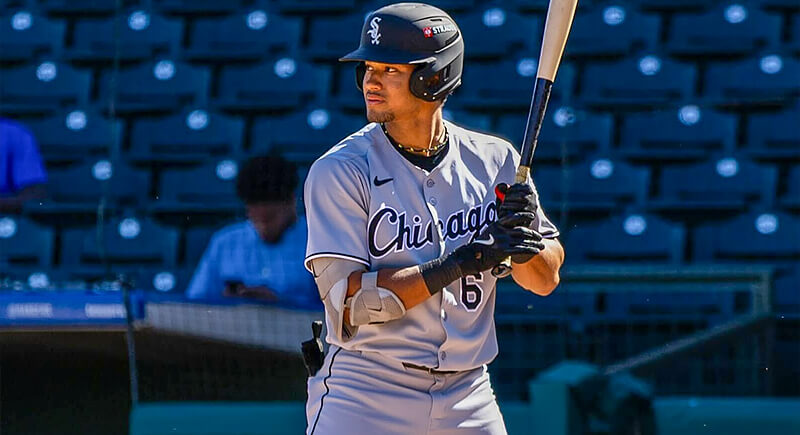
Draft rooms initially circled his name because late-inning defense kept changing with one throw from the outfield. That arm still defines how he’s deployed, while switch-hitting keeps lineup decisions flexible. College tracking data backed up the power projection. Contact reliability will control timing, but the profile already supports everyday consideration for Braden Montgomery.
Eduardo Quintero
Credit: Instagram
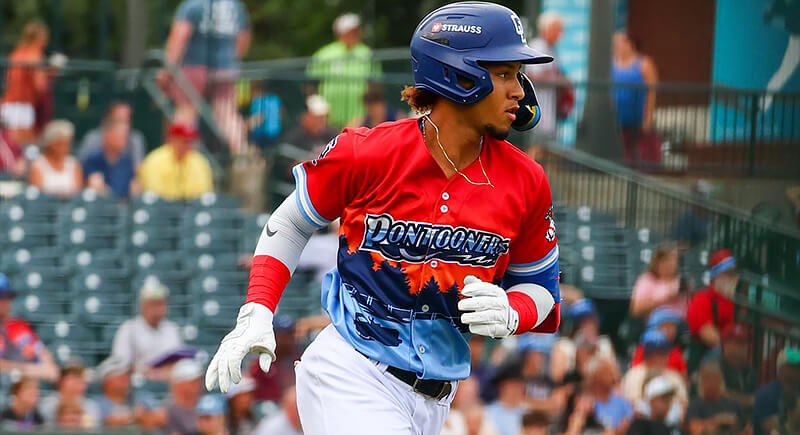
After being signed without the fanfare that follows seven-figure bonuses, Eduardo Quintero began separating himself once game speed increased. Baserunning pressure shows up immediately, center-field reads have tightened, and contact quality rose at every stop.
Zyhir Hope
Credit: Instagram
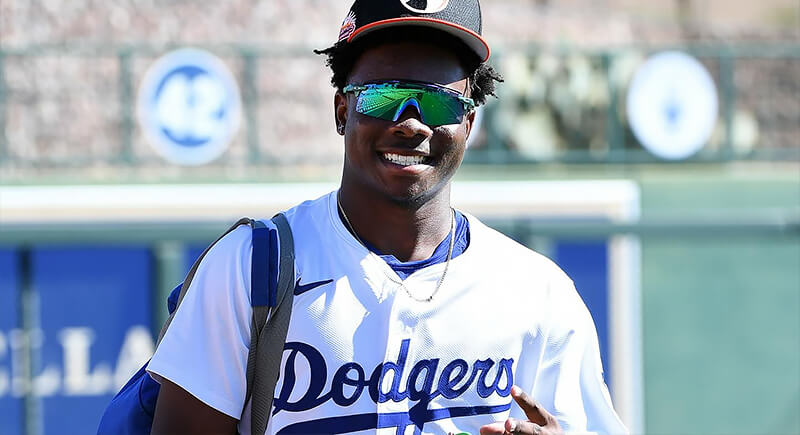
During extended Arizona Fall League stretches, pitchers stopped challenging Hope and leaned harder on breaking balls away. Line drives still carried to the gaps, and his timing held even as sequencing changed. The swing is short enough to adjust mid–at-bat. Longer regular-season workloads will show how Zyhir Hope handles daily wear and tear.
Carson Benge
Credit: Instagram
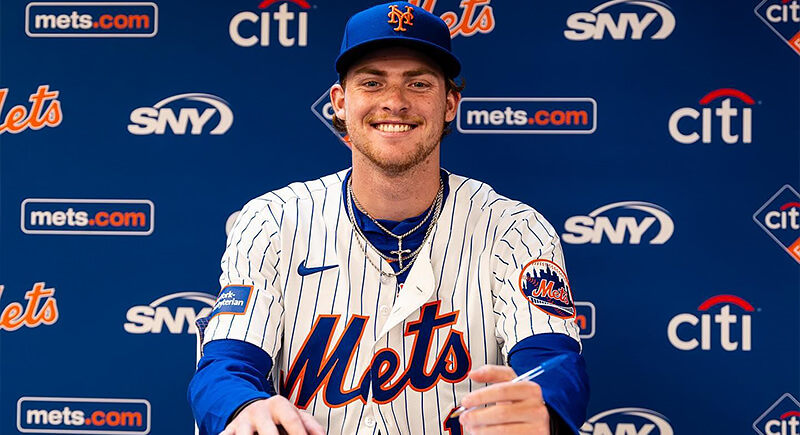
Across full-season stops, Carson Benge’s value is most evident during tight innings with traffic on the bases. Pitchers don’t get sped up, and at-bats rarely drift outside the plan. Contact remains gap-focused, which fits how he’s been rotated through all three outfield spots, while his defensive reps remain clean late in games.
Josue De Paula
Credit: Instagram
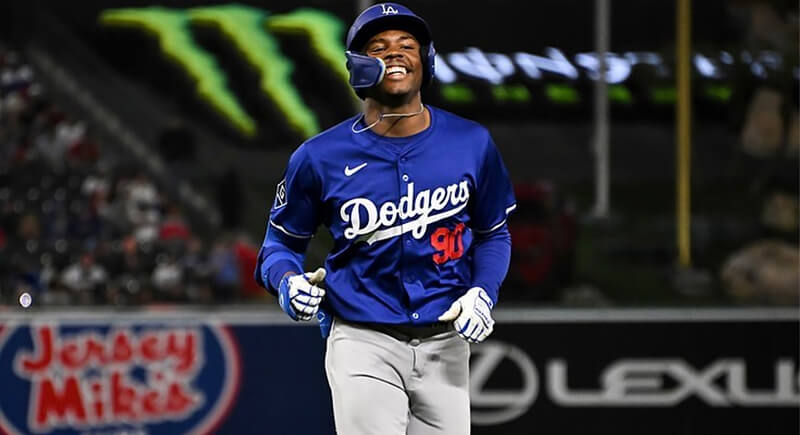
As Josue De Paula has faced older pitching, the plan against him has been clear from the start. Fastballs stay off the plate, and breaking balls show up before two strikes. Counts extend, walks stay close to strikeouts, and timing remains intact as velocity increases. Strength is still arriving, but the foundation already survives tougher sequencing.
Walker Jenkins
Credit: Instagram
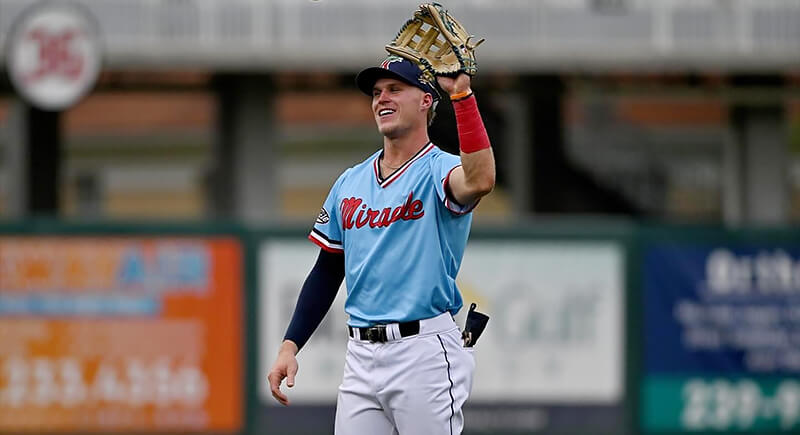
When early injuries disrupted his schedule, Walker Jenkins was forced to make adjustments faster than expected. After returning, the contact quality remained intact, and power began to appear as timing settled back in. Coaches noted how quickly routines tightened despite the stop-start year. A full, uninterrupted season changes how his readiness for 2026 gets discussed.
Max Clark
Credit: Instagram
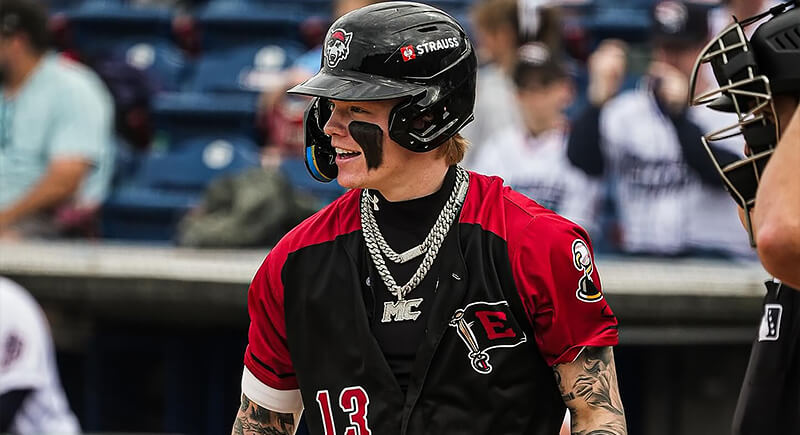
Center field work has driven most of Max Clark’s development so far, with daily reps sharpening routes and first-step reads. Speed shows up less in raw totals and more in how efficiently he takes extra bases and picks spots to run. Power remains the unfinished piece, but gains have come without altering the swing foundation.