10 Olympic Upsets That Shocked the World
Every four years, the Olympics draw millions of viewers watching athletes compete for gold. The appeal comes from both the spectacle and the level of performance on display. What keeps audiences invested, though, is the unpredictability. Even the strongest favorites can be beaten, and a single moment can overturn expectations. The ten moments below highlight some of the most shocking upsets and comebacks in Olympic history.
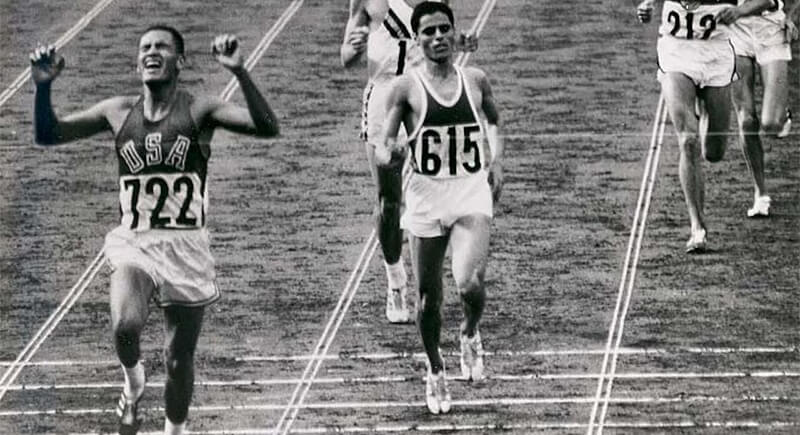
Billy Mills in the 10,000m Run — Tokyo 1964
Credit: Wikipedia
Ron Clarke of Australia held the world record and was the undisputed favorite for this event. Nobody was paying attention to Billy Mills, a Marine from South Dakota, who the New York Times called a 1,000-to-1 shot. However, on the final lap, shoved aside by two other runners, Billy swung to lane four and sprinted past everyone. His winning time of 28:24.4 was considerably better than his previous fastest finish.
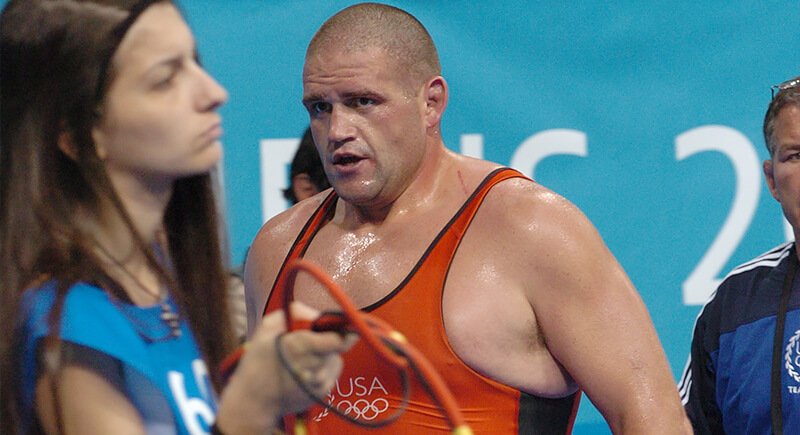
Rulon Gardner in Greco-Roman Wrestling — Sydney 2000
Credit: Wikimedia Commons
Aleksandr Karelin hadn’t lost an international match in 13 years and had three Olympic gold medals. So, this Sydney was supposed to be another opportunity for him to increase his medal haul. However, there was Rulon Gardner from Wyoming, with far less attention on the international stage. Despite Rulon telling the Washington Post that he didn’t believe he could win, the American wrestler scored the only point in the match.
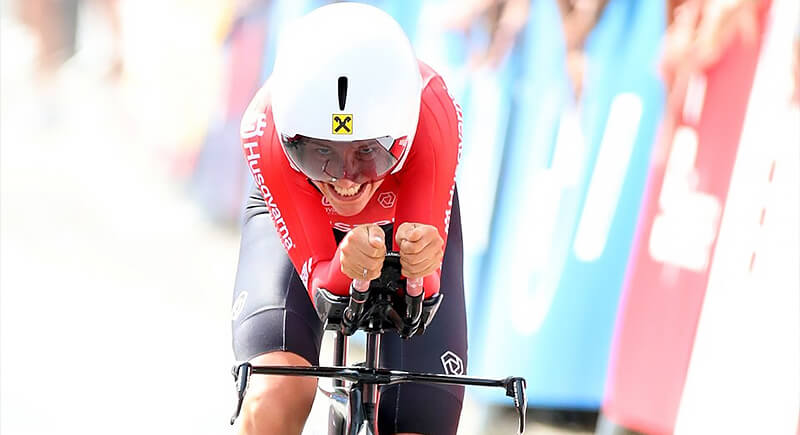
Anna Kiesenhofer in the Women’s Road Race — Tokyo 2021
Credit: Wikipedia
Most Olympic cyclists compete with professional teams, support staff, and race radios. Anna Kiesenhofer entered as an independent rider without that structure. She joined an early breakaway, stayed clear of the peloton, and rode solo to the finish. Because the main group misjudged the race situation, silver medalist Annemiek van Vleuten believed she had won when she crossed the line, while Kiesenhofer had already taken gold 75 seconds ahead.
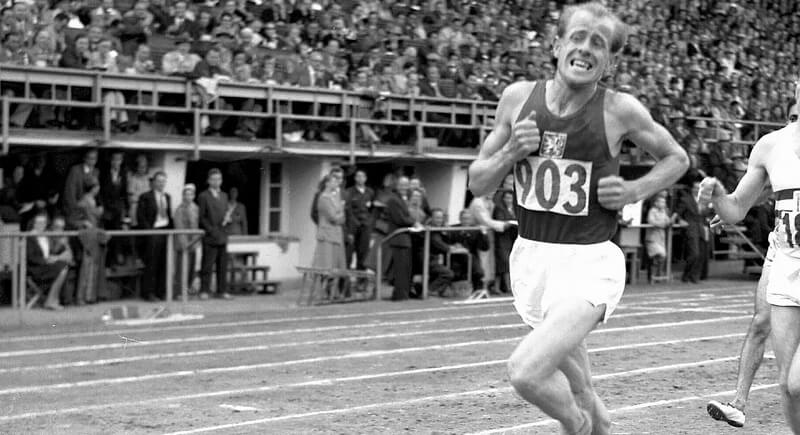
Emil Zátopek at the Marathon — Helsinki 1952
Credit: Wikimedia Commons
Emil Zátopek entered the marathon at the 1952 Helsinki Games with no prior experience at that distance. He had built his reputation in shorter races. Early in the race, he ran alongside world record holder Jim Peters and asked about the pace. Peters sarcastically told him it was too slow. Zátopek increased his speed, broke away from the field, and won by more than 2.5 minutes.
Nigeria at the Men’s Football — Atlanta 1996
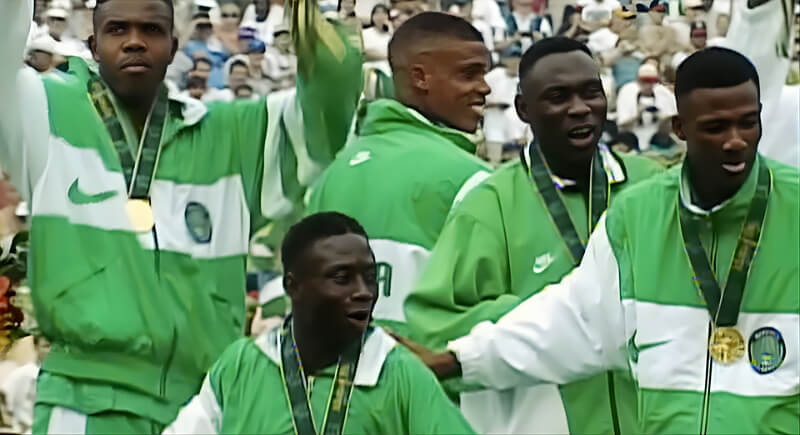
Credit: Youtube
Nigeria arrived in Atlanta, dealing with several logistical challenges with a team that had never won an Olympic football match. In the semifinal, they trailed four-time World Cup champions Brazil 3-1 with a few minutes left in regulation. They forced extra time through two late goals before winning 4-3. Two days later, they beat Argentina 3-2 in the final, claiming the first Olympic football gold by an African nation.
USSR in Men’s Basketball — Munich 1972
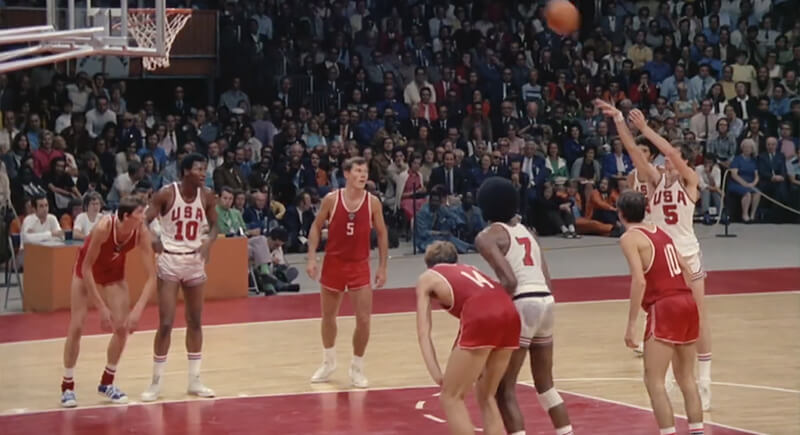
Credit: Youtube
The United States had never lost an Olympic men’s basketball game, holding a perfect record for more than three decades. In the 1972 final against the Soviet Union, the U.S. took a 50–49 lead with three seconds remaining. What followed was chaotic. Officials stopped play and reset the clock multiple times, which gave the Soviet team repeated chances to inbound the ball. On the final attempt, Alexander Belov received a long pass and scored at the buzzer to give the USSR a 51–50 win. The U.S. team protested the decision and refused to accept their silver medals, which remain unclaimed.
Great Britain at the Men’s 4x100m Relay — Athens 2004
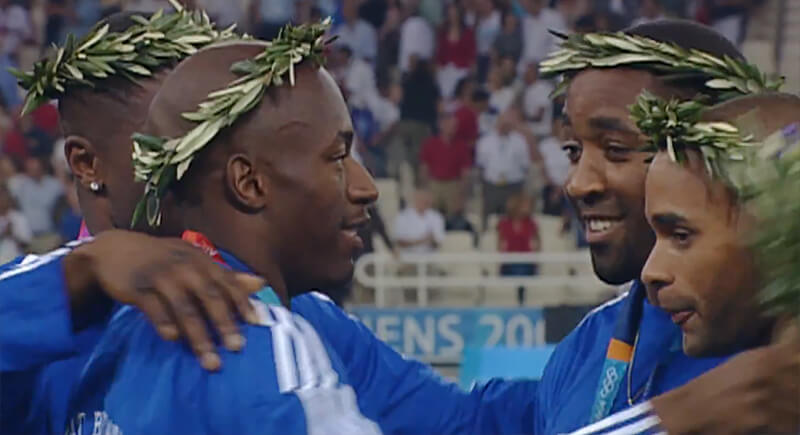
Credit: Youtube
The U.S. entered the relay final with a stacked lineup that included 100m gold medalist Justin Gatlin, 200m gold medalist Shawn Crawford, and former world champion Maurice Greene. They were the clear favorites. However, a slow baton exchange during the race cost the U.S. momentum. Great Britain executed clean, efficient handoffs throughout. On the final leg, Mark Lewis-Francis held off Maurice Greene and crossed the line first. Great Britain won by 0.01 seconds.
Fanny Blankers-Koen at Track and Field — London 1948
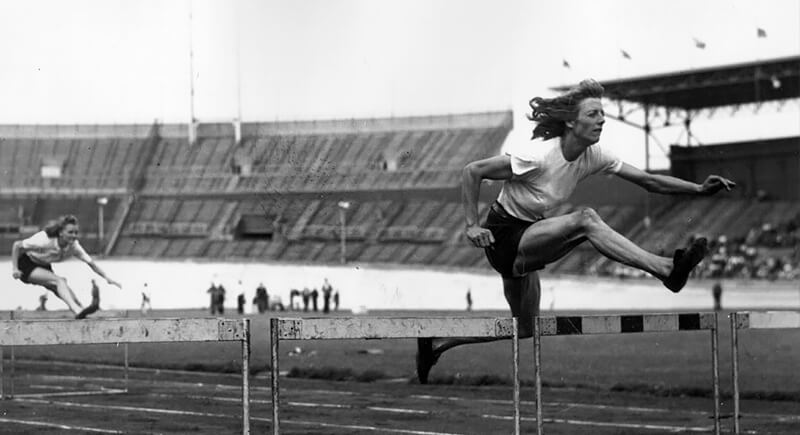
Credit: Wikipedia
Two Olympics were cancelled because of the war, meaning athletes lost those years and the preparation they’d put in. For Fanny Blankers-Koen, a 30-year-old mother of two who had spent the war setting world records in an empty stadium, London 1948 was a last chance. Some of her Dutch countrymen thought she should be home with her children. Fanny would eventually collect four gold medals in eight days.
Argentina at Men’s Basketball — Athens 2004
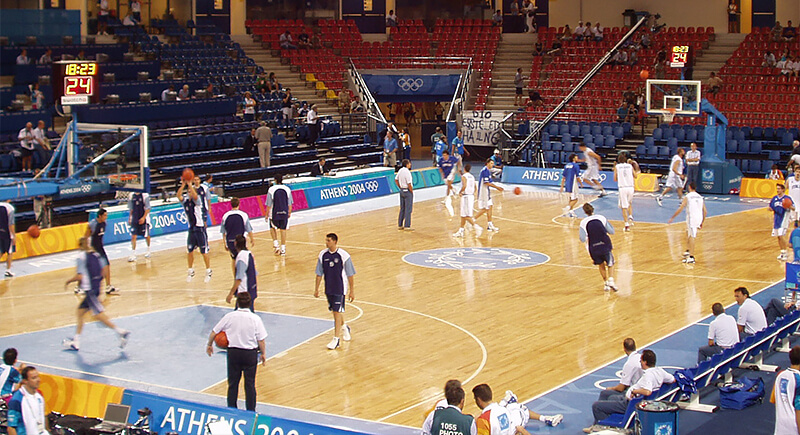
Credit: Wikipedia
The United States entered the 2004 Olympics as the favorite, with NBA talent and a long history of dominance in international basketball. Argentina, while strong, was not expected to beat them. In the semifinals, Argentina defeated the U.S. behind 29 points from Manu Ginóbili, ending the Americans’ run as the standard in Olympic play. Argentina then beat Italy in the final to win gold, completing one of the most significant upsets in Olympic basketball history.
United States at the Women’s 4x100m Freestyle — Montreal 1976
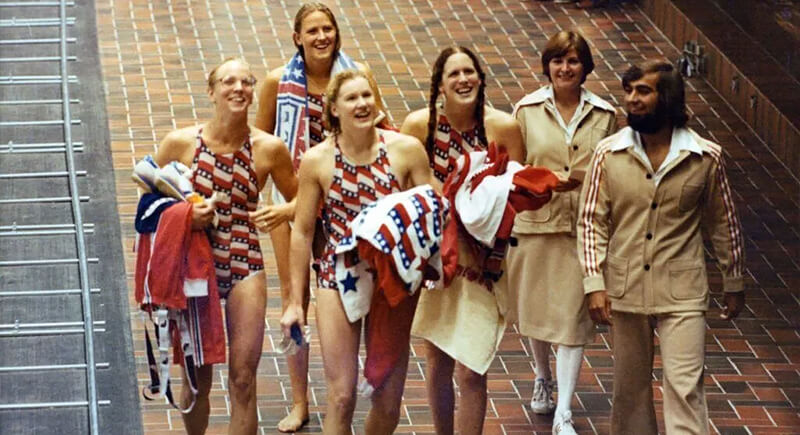
Credit: U.S. Olympic & Paralympic Museum
East Germany dominated women’s swimming at the 1976 Olympics, winning nearly every gold medal and setting multiple records. The United States was expected to finish behind them again. In the 4x100m freestyle relay, however, the American team led by Shirley Babashoff defeated the heavily favored East Germans to win gold. The result stood out as one of the few events where East Germany was beaten. Years later, their dominance was linked to a state-run doping program, which added context to how significant the American victory was.