The Story of the Olympic Snowboarder Accused of Being a Drug Kingpin
The story of Ryan Wedding sounds like a made-up tale, but it is very real and still unfolding. U.S. and Canadian authorities now accuse a former Olympic snowboarder who once raced down icy slopes for Canada of running one of the most powerful drug trafficking organizations in the world. The contrast between Olympic glory and a spot on the FBI’s 10 Most Wanted list is what makes this case impossible to ignore.
Ryan Wedding
Credit: Facebook
Born in Canada, Ryan Wedding grew up in Thunder Bay, Ontario, where snowboarding was part of daily life. His grandparents owned a ski resort, which provided him with constant access to training terrain. By his late teens, Ryan was already winning medals at Junior World Championships, earning bronze in 1999 and silver in 2001 in parallel giant slalom. Those results locked him in his spot on Canada’s Olympic team.
The Olympics Chapter
Credit: Wikimedia Commons
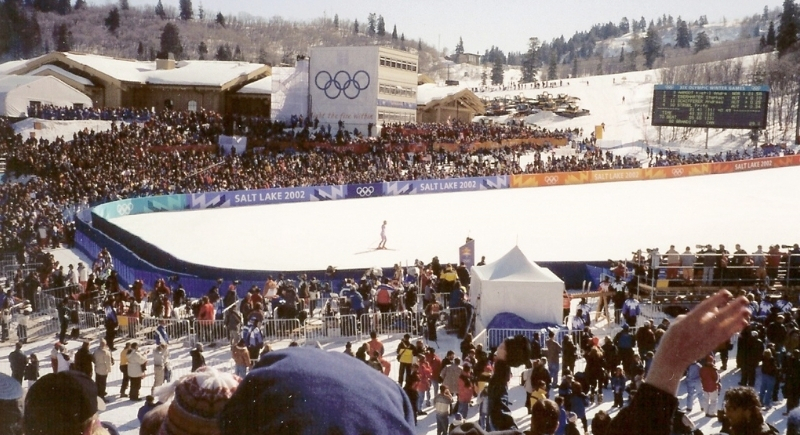
Ryan competed at the 2002 Winter Olympics in Salt Lake City, finishing 24th in the men’s parallel giant slalom. Photos from the event show a young athlete charging downhill in a red uniform, clearly enjoying the moment. While he did not medal at the Games, his Olympic appearance gave him credibility and connections that followed him long after his competitive career ended.
Early Trouble
Credit: Facebook
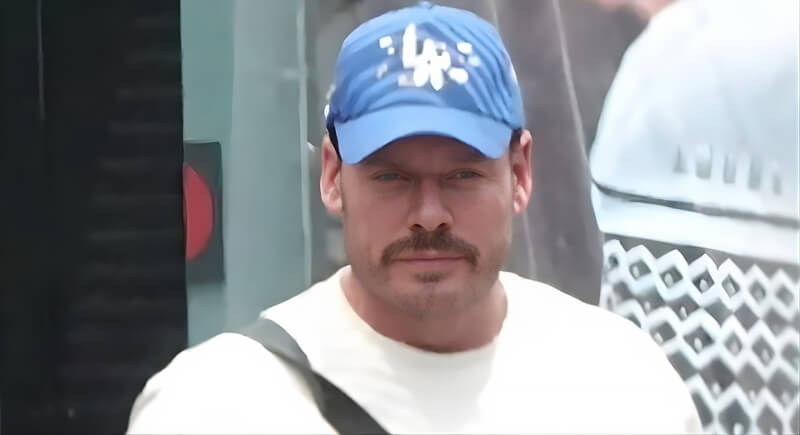
The shift away from sports came soon after. In 2006, Canadian police raided a large marijuana operation in British Columbia that Ryan co-owned with another snowboarder. Two years later, he was arrested in San Diego during an FBI sting while trying to buy 24 kilograms, about 53 pounds, of cocaine. Court records say the deal was part of a Vancouver-based trafficking group.
Prison Changed Everything
Credit: Getty Images
Ryan was convicted in 2009 and sentenced to 48 months in U.S. federal prison. Investigators later said his time behind bars was a period of networking. Phone calls monitored by the FBI revealed that he was building contacts and learning logistics. He was released in December 2011, and prosecutors allege he immediately began setting up a much larger operation.
Building the Empire
Credit: Youtube
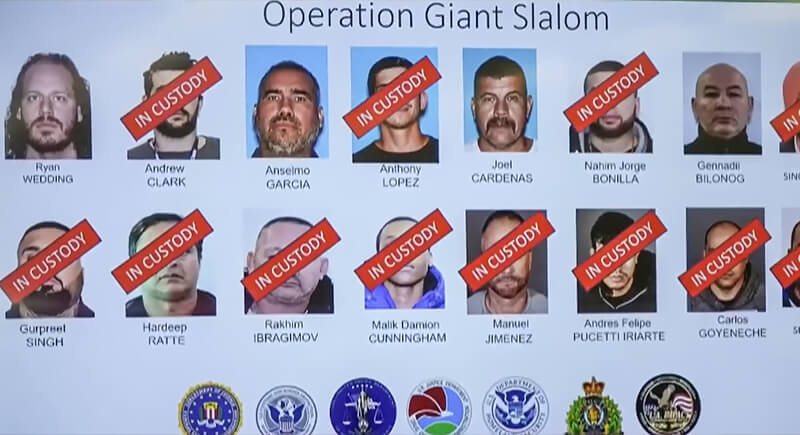
According to U.S. and Canadian authorities, Ryan’s organization imported cocaine from Colombia, moved it through Mexico, and distributed it across the United States and Canada. The network allegedly generated more than $1 billion per year. Investigators say Canada became one of the biggest end markets.
Violence as Policy

Credit: Getty Images
Federal indictments describe multiple murders tied to the group. In November 2023, two parents were killed in Ontario in a case of mistaken identity during what prosecutors say was retaliation over stolen cocaine. Their daughter was shot multiple times and survived. Additional killings allegedly ordered by Ryan or his second-in-command followed in April and May of 2024.
The Witness Problem

Credit: Canva
A former trusted associate turned federal witness in 2024. Prosecutors allege Ryan placed a bounty of up to $5 million on the witness. In January 2025, the informant was shot five times in the head at a restaurant in Medellín, Colombia. Court filings say Ryan later approved a $500,000 payment to those involved.
Most Wanted
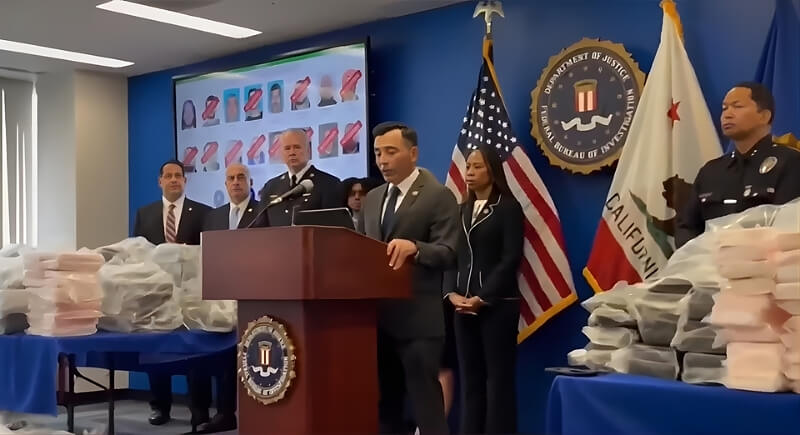
The murder pushed the case into overdrive. Ryan was added to the FBI’s Ten Most Wanted Fugitives list in March 2025. Authorities believe he is hiding in Mexico under protection from the Sinaloa cartel. The U.S. State Department raised the reward for information leading to his arrest to $15 million.
The Life He Left Behind
Credit: Youtube
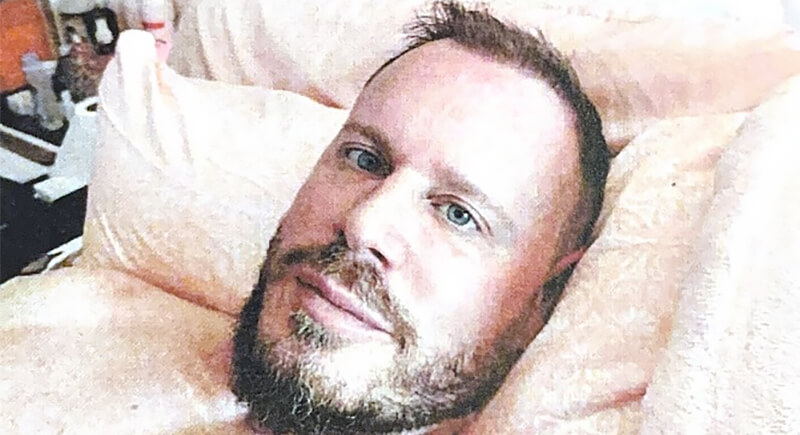
In December 2025, Mexican authorities seized assets believed to belong to Ryan, including 62 high-end motorcycles valued at roughly $40 million and two Olympic medals. Around the same time, the FBI released recent photos showing him shirtless in bed with a lion tattoo across his chest. The contrast between that image and his Olympic days has become a symbol of how far the story has drifted from its snowy beginnings.