10 Olympic Judging Scandals That Robbed Athletes of the Medals They Deserved
The Olympics promise fairness, but history shows how fragile that ideal can be. Judging errors, questionable decisions, and behind-the-scenes influence have altered outcomes and still spark debate years later. These moments have left athletes wondering what might have been. Here are 10 cases in which judges’ decisions changed Olympic history.
Roy Jones Jr. Left Without Gold

Credit: Wikimedia Commons
At the 1988 Seoul Olympics, Roy Jones Jr. delivered a one-sided boxing performance against South Korea’s Park Si-Hun. Punch counts were heavily in favor of Jones, but judges awarded the gold to Park. The result stunned viewers, and even Park later expressed regret. Investigations revealed suspicious judging behavior, but the decision never changed.
The 1972 Basketball Final Chaos
Credit: Youtube
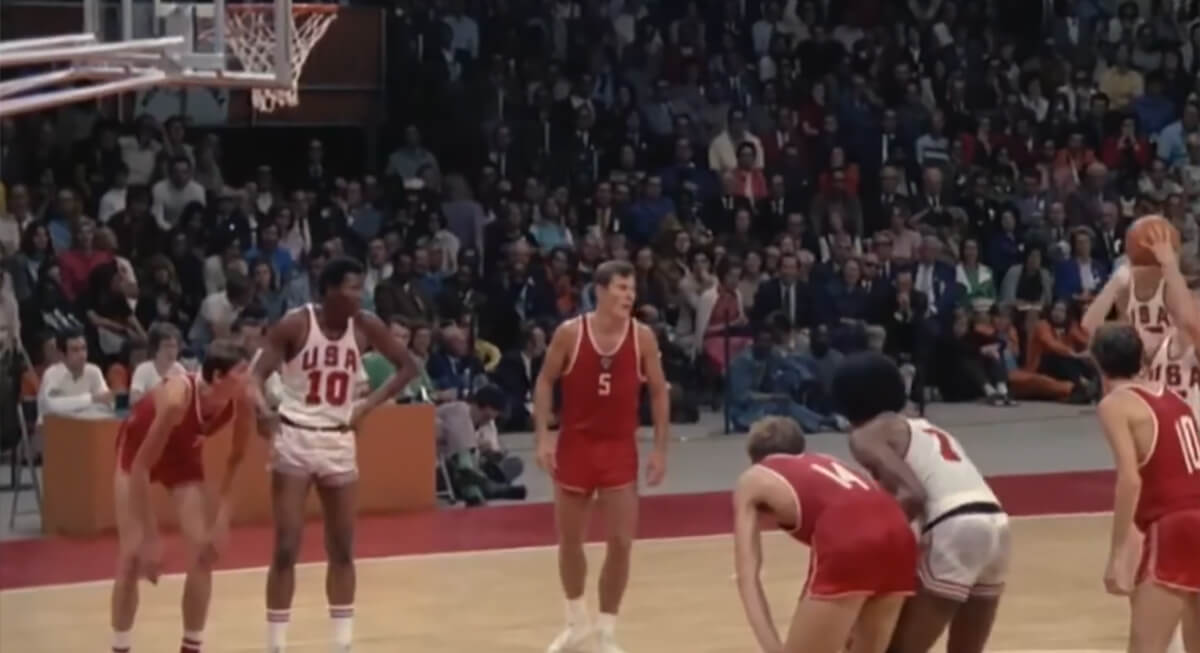
The U.S. men’s basketball team appeared to secure gold against the Soviet Union in Munich. Officials stopped play in the final seconds and replayed the closing moments multiple times. On the third attempt, the Soviets scored and claimed victory. American players refused to accept silver medals, which remain untouched.
Figure Skating’s Double Gold Controversy
Credit: Youtube
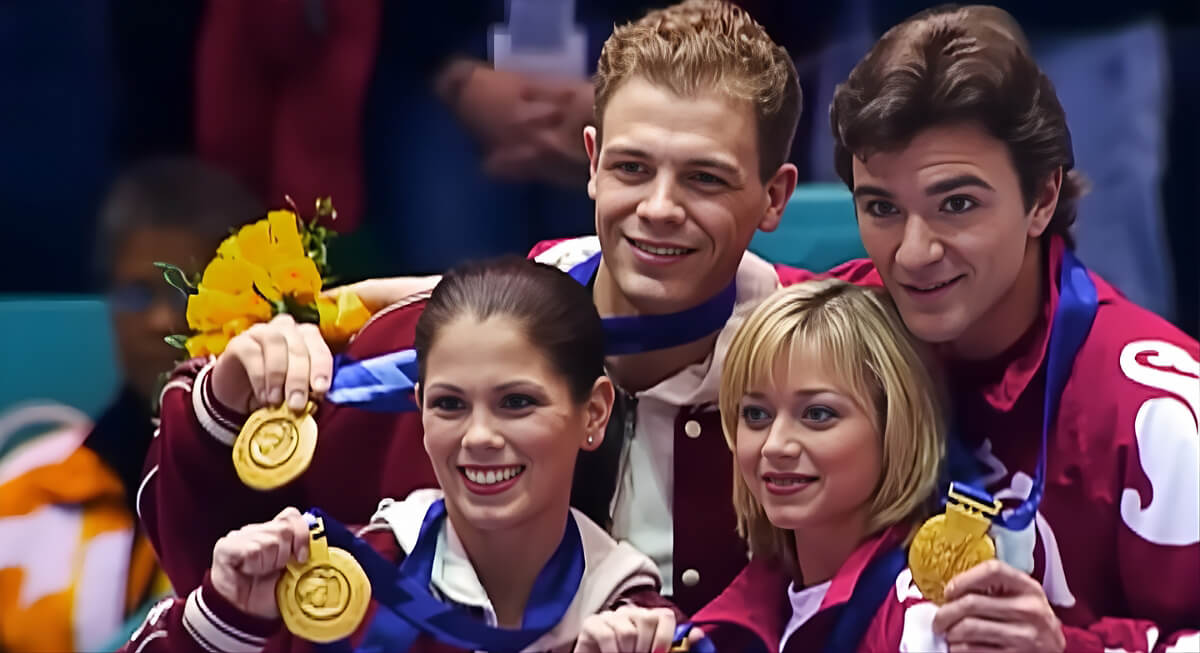
Pair figure skating in Salt Lake City in 2002 became a global scandal. Canadian skaters Jamie Salé and David Pelletier delivered a strong performance but lost to a Russian pair. A judge later admitted to being pressured to favor the Russians. Public backlash forced the IOC to award a second gold medal to the Canadians.
Shin A-Lam’s Timekeeping Nightmare
Credit: Wikimedia Commons
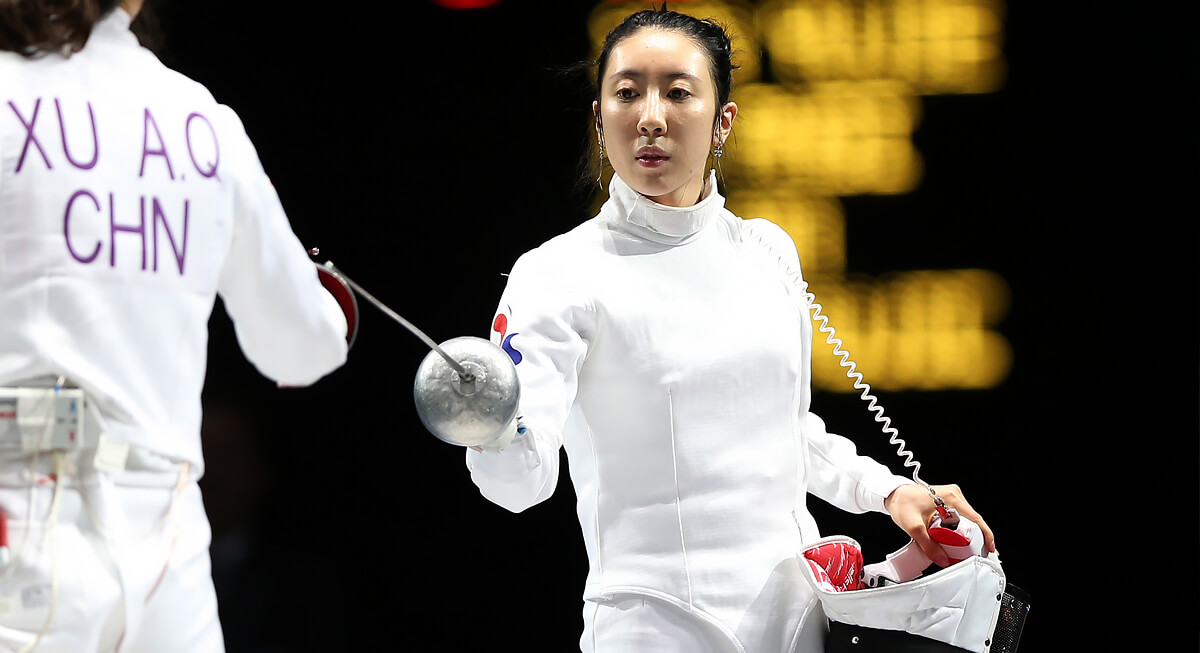
At the 2012 London Games, South Korean fencer Shin A-Lam lost a semifinal match after a disputed timekeeping error allowed her opponent to score in the final second. Shin remained on the piste for over an hour, awaiting a decision. Officials upheld the result and offered only a consolation medal.
Alexei Nemov and the Crowd Revolt

Credit: Wikimedia Commons
Russian gymnast Alexei Nemov’s high bar routine at the 2004 Athens Olympics impressed spectators but received a surprisingly low score. The crowd reacted loudly and delayed the competition for several minutes. Judges slightly adjusted the score, but it still left Nemov out of medal contention.
Ara Abrahamian’s Protest Walk
Credit: Youtube
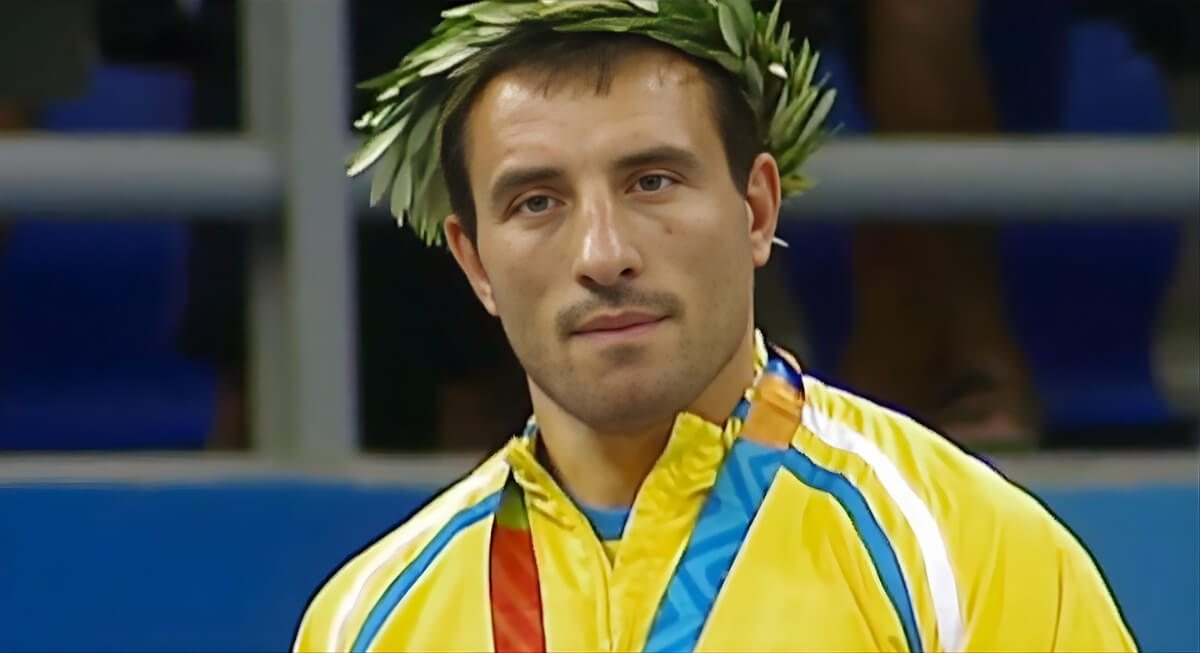
Swedish wrestler Ara Abrahamian believed he had been denied a rightful place in the 2008 Beijing final due to questionable officiating. After winning bronze, he placed his medal on the mat in protest during the ceremony. Officials disqualified him for his actions, and that erased the result.
The 1960 Swimming Split Decision
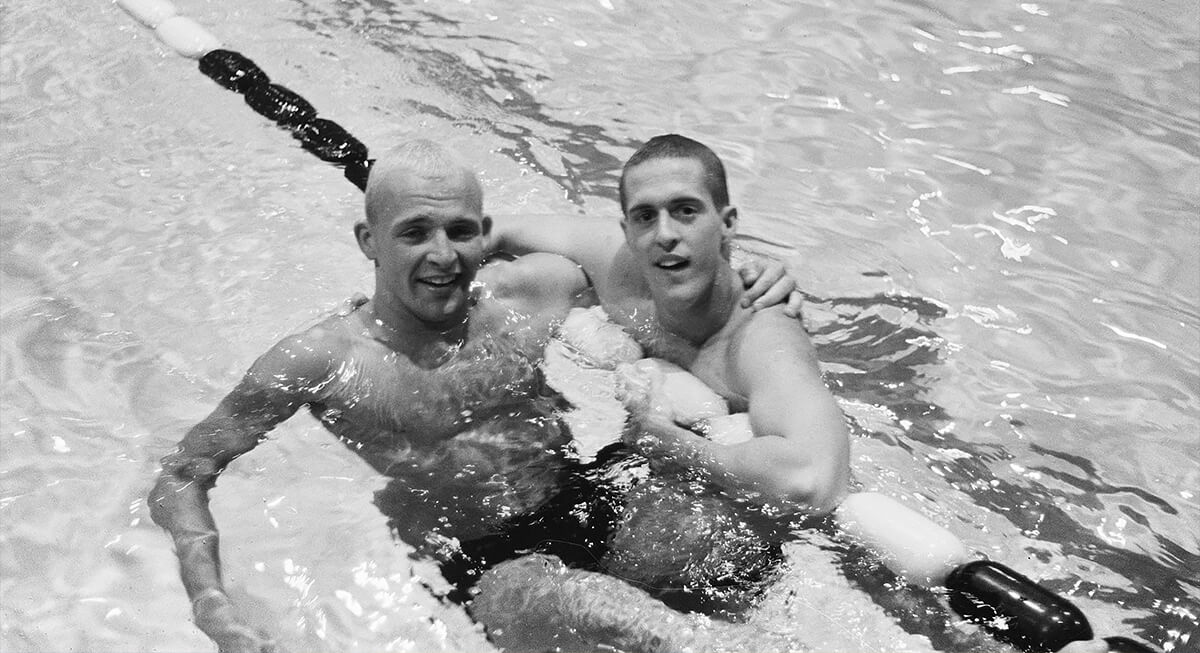
Credit: Wikipedia
The men’s 100-meter freestyle final in Rome ended in confusion. American Lance Larson and Australia’s John Devitt touched the wall nearly simultaneously. Judges were split, and the head judge awarded gold to Devitt. Timing technology was not precise at the time, but many observers believed Larson had finished first.
Vanderlei de Lima’s Interrupted Marathon
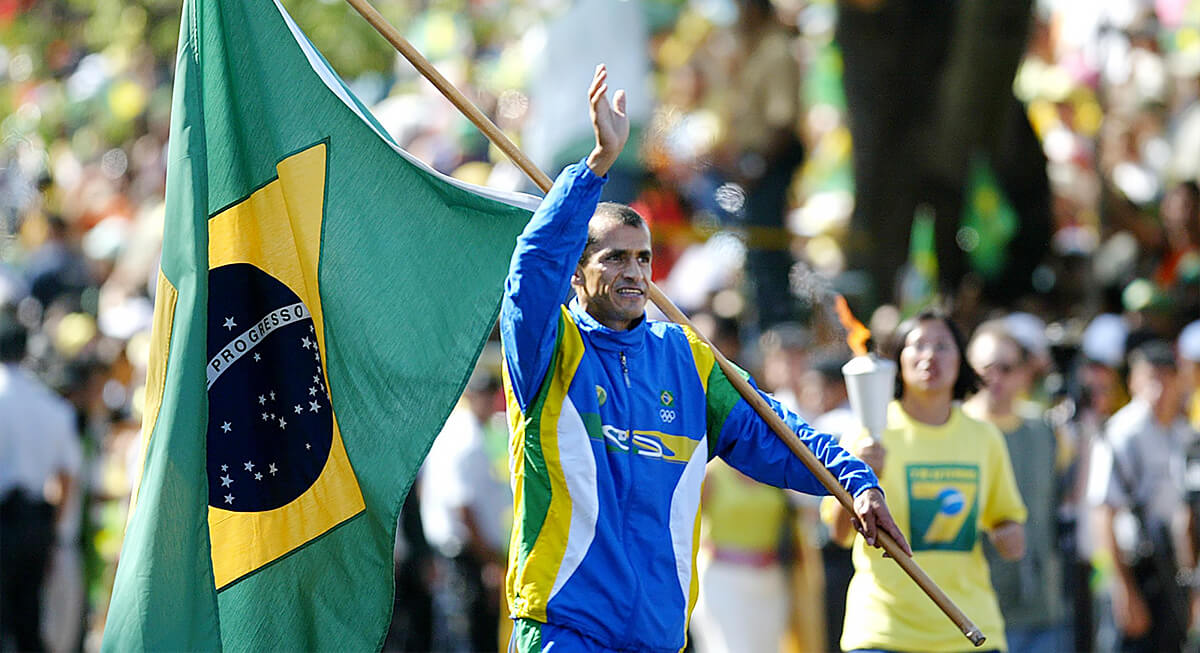
Credit: Wikimedia Commons
During the 2004 marathon, Brazilian runner Vanderlei de Lima led the race before a spectator tackled him mid-course. Though not a judging error in the traditional sense, officials chose not to restart or adjust the outcome. De Lima finished with bronze instead of a likely gold. He later received a sportsmanship award.
Boxing Decisions in Rio Raise Questions

Credit: Youtube
The 2016 Rio Olympics saw several boxing results criticized for judging inconsistencies. Irish boxer Michael Conlan openly accused officials of corruption after losing a bout many believed he controlled. The reaction prompted the governing body to remove several judges from future matches.
The 1936 Cycling Final Dispute
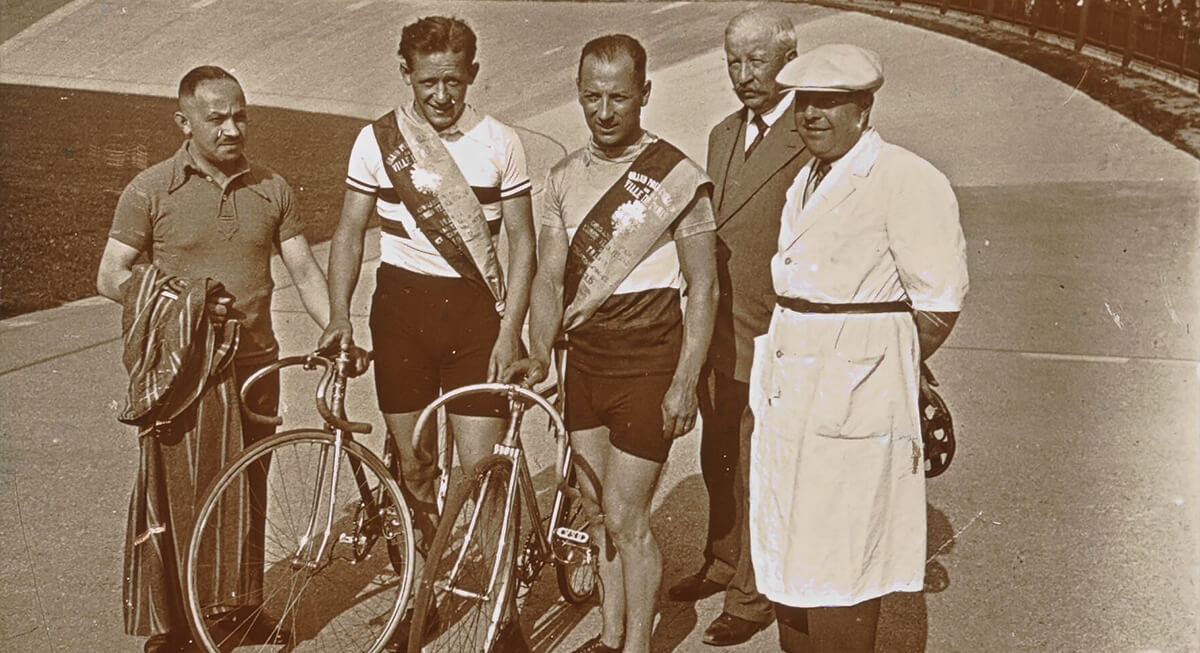
Credit: Wikimedia Commons
In Berlin, German cyclist Toni Merkens committed a clear foul during the sprint final. Officials fined him but allowed him to keep the gold medal. His opponent, Arie van Vliet of the Netherlands, had little chance to recover after the incident. The decision reflected the political atmosphere surrounding those Games.