Olympic Cheaters Who Went Too Far
Winning an Olympic medal takes years of training and discipline. But some athletes have taken shortcuts and deceived to get ahead. These Olympic cheating incidents betrayed the spirit of fair competition. As a result, some of these athletes paid a heavy price and lost medals, others said goodbye to their reputations and even careers. Here are the most outrageous Olympic cheating moments.
Boris Onischenko’s Rigged Fencing Sword (1976)
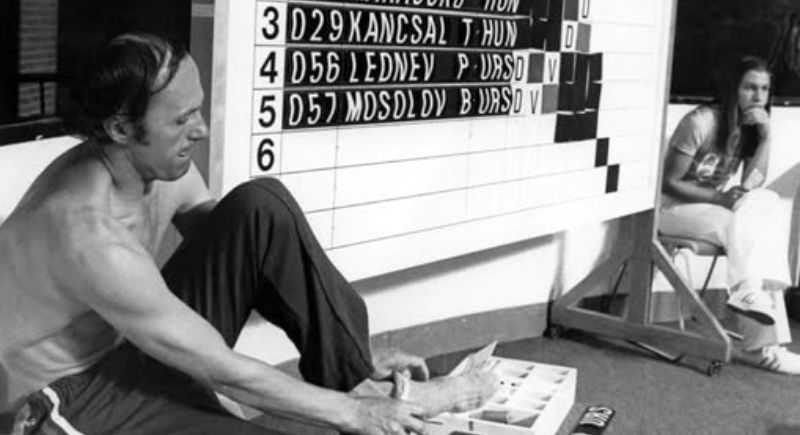
Credit: Facebook
Boris Onischenko tried winning a fencing match without even toughing his opponent at the 1976 Montreal Olympics but lost his career instead. The Soviet pentathlete rigged his épée with an electrical switch that triggered a hit without making contact. His trick was exposed mid-competition, leading to his immediate disqualification and a lifetime ban from the sport.
Kim Jong-Su’s Doping Scandal (2008)
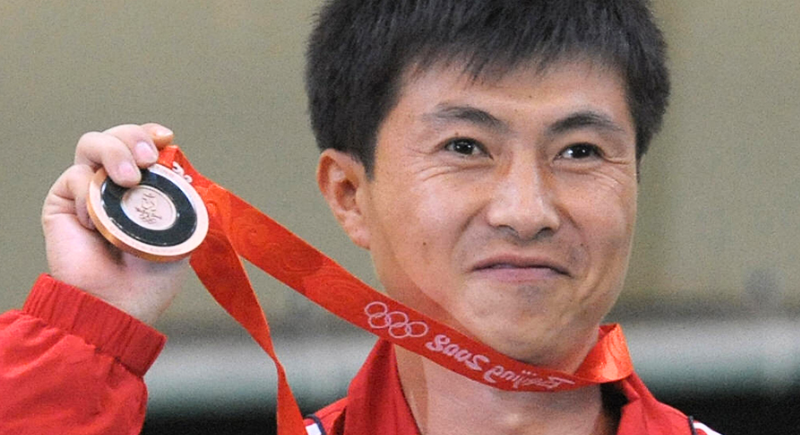
Credit: Maxim
Steady hands are everything in shooting, but North Korean marksman Kim Jong-Su took things too far at the 2008 Beijing Olympics. He tested positive for propranolol, a beta-blocker that reduces hand tremors and calms nerves. After winning silver and bronze, he was stripped of both medals and earned major embarrassment.
The Spanish Paralympic Basketball Team’s Deception (2000)
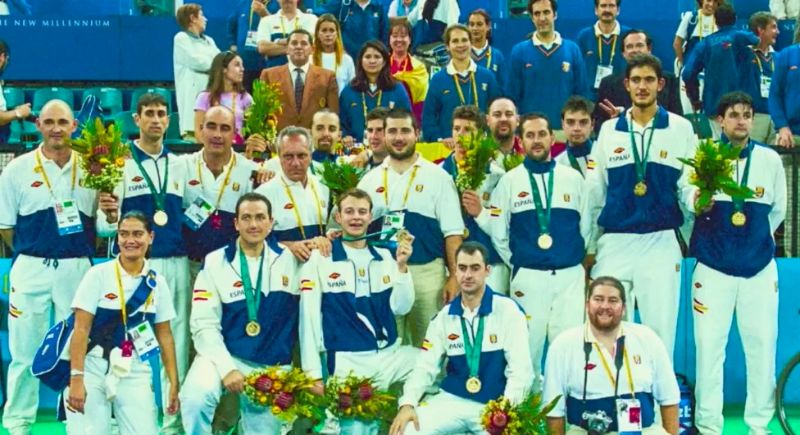
Credit: Reddit
Winning gold at the 2000 Sydney Paralympics should have been a proud moment for Spain’s intellectual disability basketball team—except 10 of the 12 players weren’t actually disabled. A journalist on the team later revealed the shocking scam. Spain was stripped of its medal, and the scandal led to stricter classification rules in the Paralympics.
Dora Ratjen’s Gender Controversy (1936)
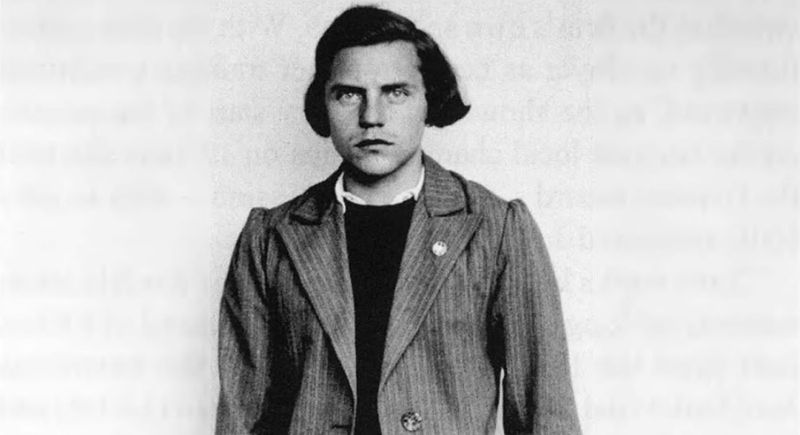
Credit: X
Dora Ratjen competed in the women’s high jump for Germany at the 1936 Berlin Olympics. But years later, officials determined that Ratjen was male and had been mistakenly assigned female at birth. While rumors spread that Nazi officials had orchestrated the deception, historians now view the case as a tragic example of flawed gender classification rather than intentional cheating.
Tyson Gay’s Doping Ban (2012)
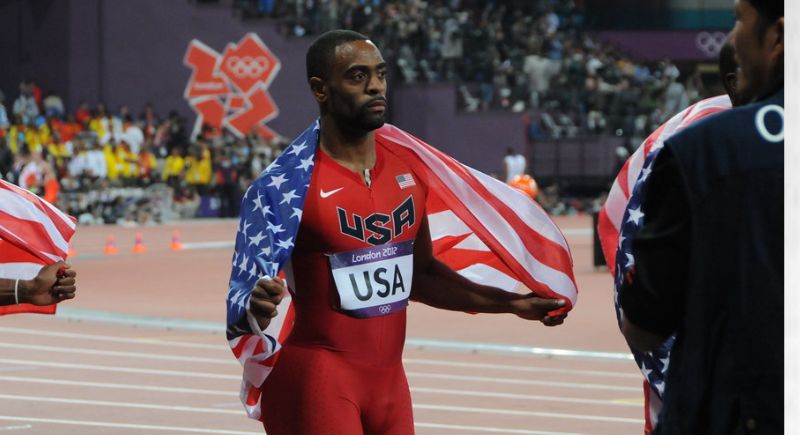
Credit: flickr
As America’s fastest sprinter, Tyson Gay was a well-known Olympian until his career hit a wall in 2013. He tested positive for banned substances, which cost him and his teammates their silver medal in the 4x100m relay from the 2012 London Olympics. Gay cooperated with doping authorities, which reduced his suspension. But his reputation never fully recovered.
Cian O’Connor’s Horse Fails a Drug Test (2004)
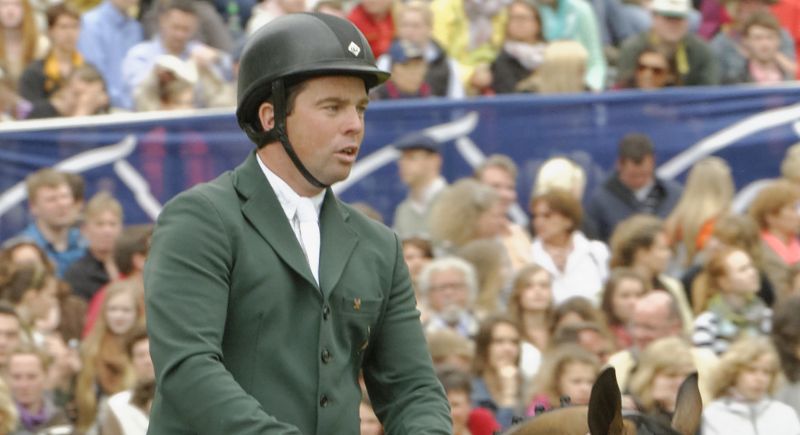
Credit: Wikimedia Commons
Sometimes, the athlete doesn’t cheat directly but through his horse. Irish equestrian Cian O’Connor won gold in show jumping at the 2004 Athens Olympics, only for his horse to test positive for banned sedatives. O’Connor claimed it was an accident, but the gold medal was stripped and reassigned to Brazil’s Rodrigo Pessoa.
Dong Fangxiao’s Age Controversy (2000)
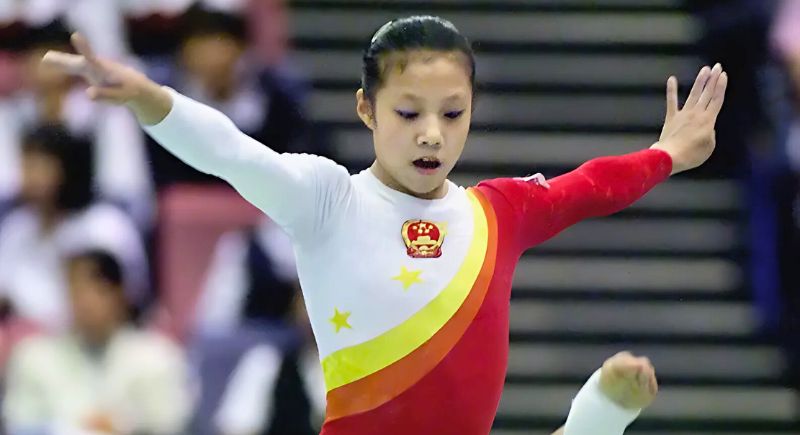
Credit: themedalcount
Gymnastics has long had age controversies, and Dong Fangxiao’s case is one of the biggest. She helped China win team bronze at the 2000 Sydney Olympics, but a later investigation revealed she was only 14 at the time—two years younger than the minimum age requirement. China lost its medal, and the case reignited debates about underage gymnasts.
Fred Lorz’s Marathon Car Ride (1904)
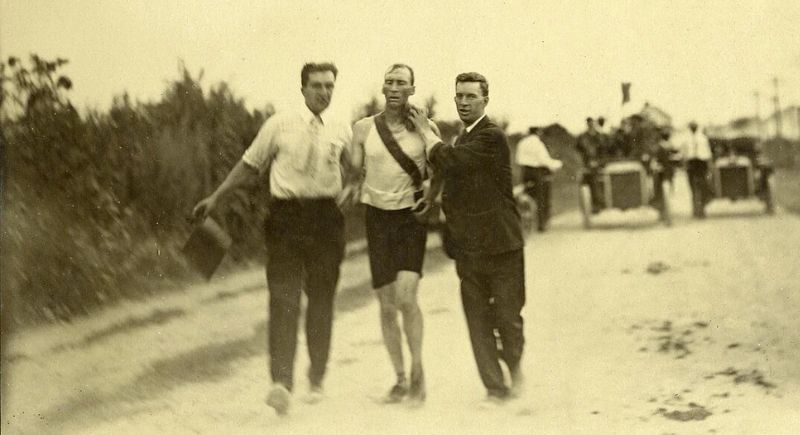
Credit: Reddit
Fred Lorz had the most relaxed marathon ever—because he rode in a car for most of it. At the 1904 St. Louis Olympics, he hitched a ride for 11 miles, then jogged into the stadium looking fresh. He was crowned the winner until officials caught on. Lorz later claimed it was a joke, but his “win” was erased.
Marion Jones’ Drug Scandal (2000)
Credit: Wikimedia Commons
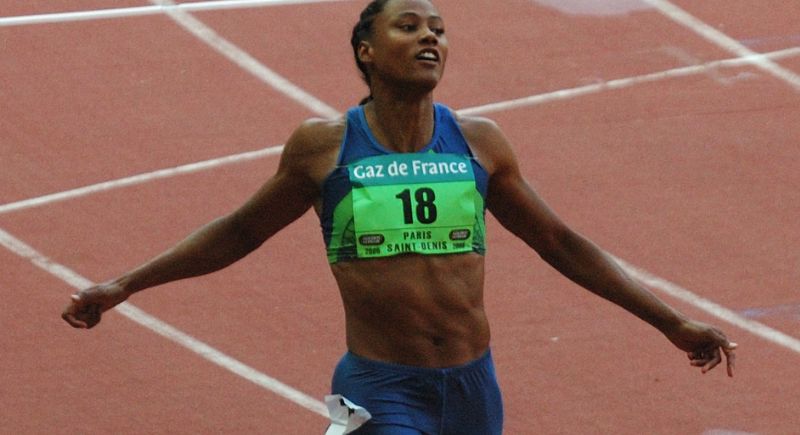
Winning five medals at the 2000 Sydney Olympics, Marion Jones was a dominant force in track and field. But all her medals were revoked in 2007 when she admitted to using performance-enhancing drugs. The fallout was severe. She even served jail time for lying to federal investigators about her drug use.
Ben Johnson’s Steroid Scandal (1988)
Credit: Reddit
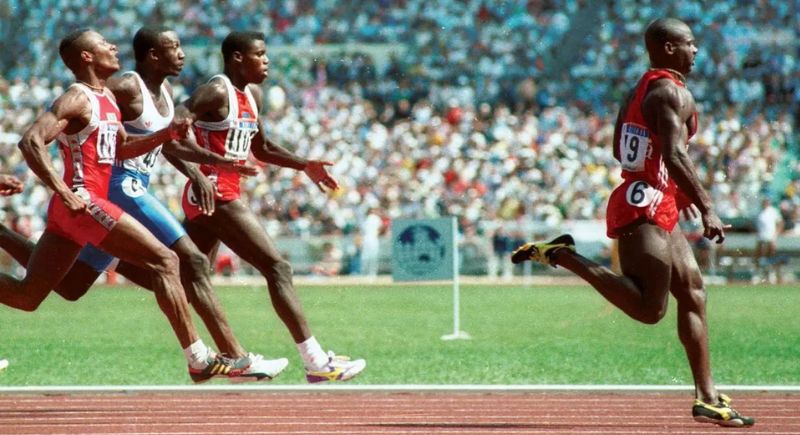
For less than 10 seconds, Ben Johnson claimed to be the fastest man in the world after shattering the 100m world record at the 1988 Seoul Olympics. However, the happiness was short-lived when his drug test came back positive for steroids. His gold medal was stripped, and the scandal remains one of the most infamous cases of Olympic doping.
The East German Doping Program (1970s–1980s)
Credit: Wikimedia Commons
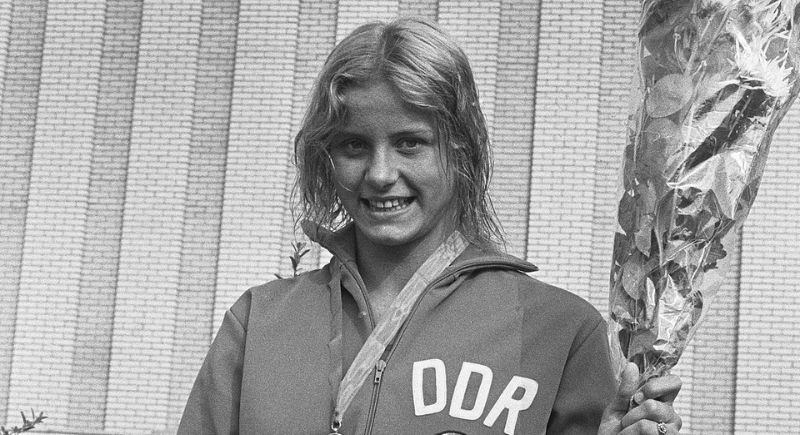
Cheating wasn’t just an individual act. In this case, it was an entire government’s plan. During the 1970s and 1980s, East Germany’s state-sponsored doping program gave performance-enhancing drugs to athletes, often without their knowledge. The scheme produced dozens of Olympic champions, but after German reunification, documents revealed the truth and forever tainted East Germany’s athletic success.
Russia’s State-Sponsored Doping Scandal (2014–2016)
Credit: Wikimedia Commons
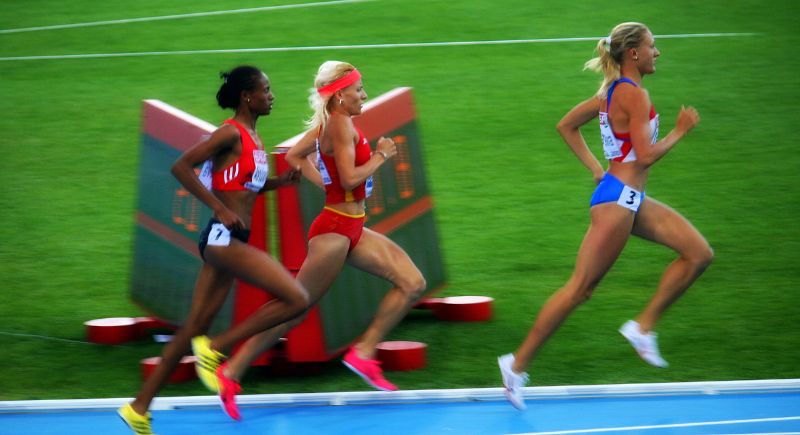
A massive investigation found that Russian officials helped athletes cheat at the 2014 Sochi Olympics by swapping out drug-tainted urine samples. The fallout was so severe that the IOC banned Russia from competing under its own flag in several future Olympic events. Talk about taking doping to a new level with a scandal that rocked the sports world.
Madeline de Jesus’ Twin Sister Switch (1984)
Credit: Facebook
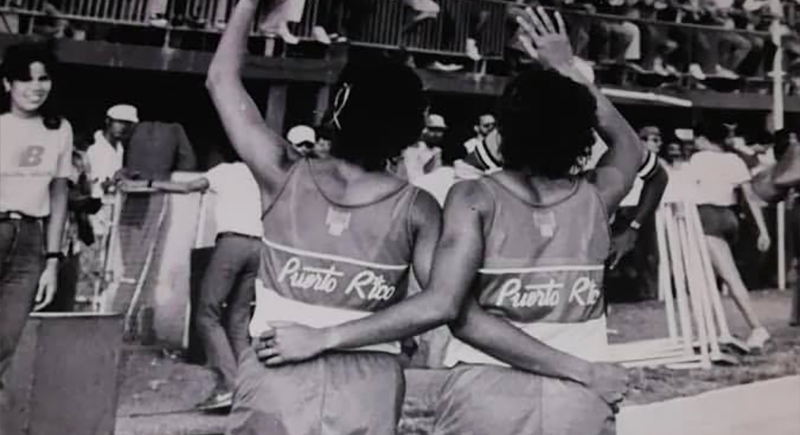
During the 1984 Los Angeles Olympics, Puerto Rican long jumper Madeline de Jesus tore a hamstring in competition. Instead of withdrawing from the 4×400 relay, she reportedly asked her identical twin Margaret to run the qualifying heat in her place. Officials discovered the deception, and Puerto Rico withdrew, bringing Madeline’s Olympic career to an abrupt end.
The 2012 Badminton Match-Throwing Scandal
Credit: Youtube
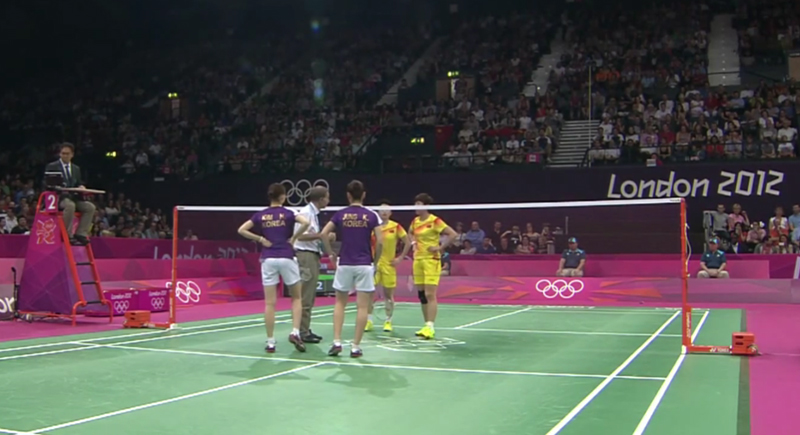
Eight female badminton players from China, South Korea, and Indonesia were disqualified during the London Games for deliberately trying to lose round-robin matches to secure easier opponents in the knockout stage. Spectators booed as serves hit the net and rallies collapsed. The Badminton World Federation charged the athletes with violating the sport’s code of conduct.