9 NFL Stars Who Walked Away Too Early
NFL careers don’t always follow the script. Some players go out with a slow fade, others leave at their peak. For the names on this list, retirement came earlier than most expected. Injuries, personal convictions, or just a shift in priorities led them to walk away. But one thing’s clear: they didn’t wait for a decline. These players left with plenty still in the tank and more stories left unwritten.
Andrew Luck
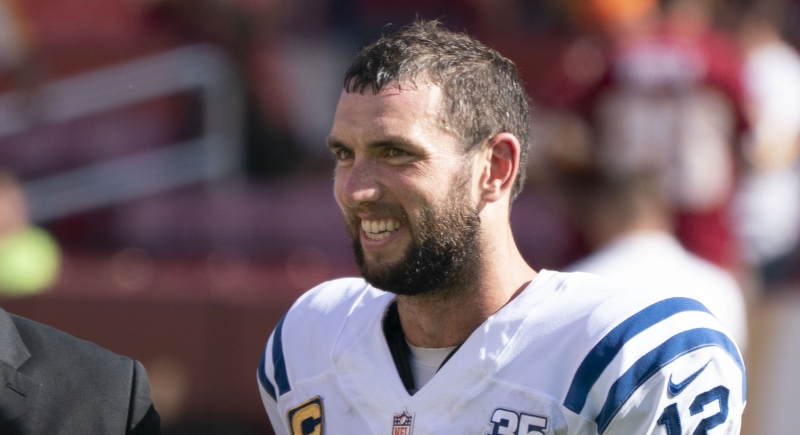
Credit: Wikimedia Commons
Just weeks before the 2019 season began, Andrew Luck stunned the NFL by calling it quits. The Colts quarterback had spent years battling injuries—shoulder issues, a torn abdomen, even a lacerated kidney. Eventually, the constant rehab wore him down. He said the game he once loved had become more pain than passion.
Barry Sanders

Credit: Facebook
Barry Sanders retired in 1999 at the age of 31, just 1,457 yards shy of breaking Walter Payton’s all-time rushing record. Two seasons earlier, he had topped 2,000 yards and still looked like one of the league’s best. But instead of chasing the milestone, he sent a quiet fax to his hometown paper, saying his heart wasn’t in it anymore. For Sanders, that was enough.
Patrick Willis
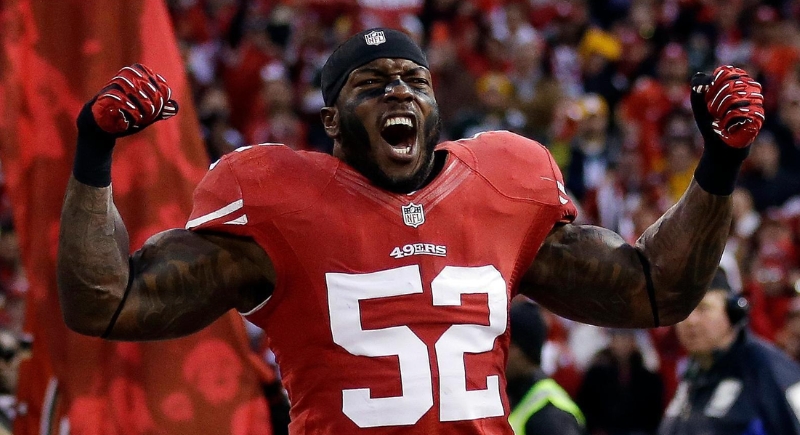
Credit: Reddit
Patrick Willis spent eight seasons as the anchor of the 49ers’ defense. He earned seven Pro Bowl selections and five All-Pro honors. He was known for his speed, toughness, and leadership in the middle of the field. But chronic foot injuries kept piling up, and at the age of 30, he made the call to walk away.
Luke Kuechly
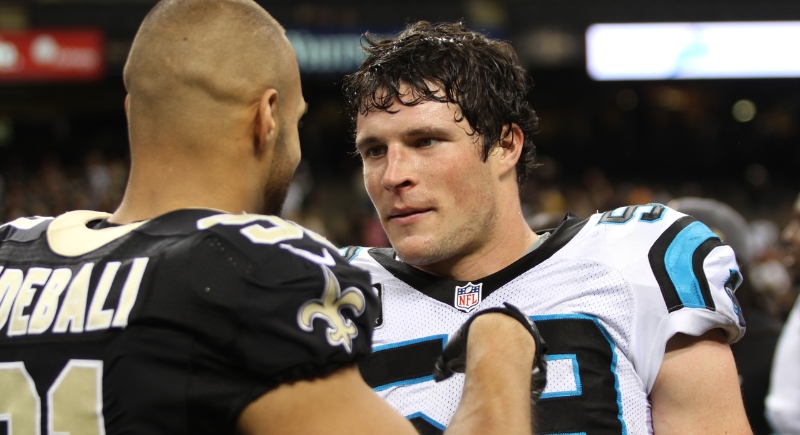
Credit: Wikimedia Commons
At 28, Panthers linebacker Luke Kuechly had just made his seventh Pro Bowl. A Defensive Player of the Year, Super Bowl captain, and core franchise piece, he checked every box. Then, in January 2020, he retired. He simply said it was the right time, and that his heart knew it.
Frank Ragnow
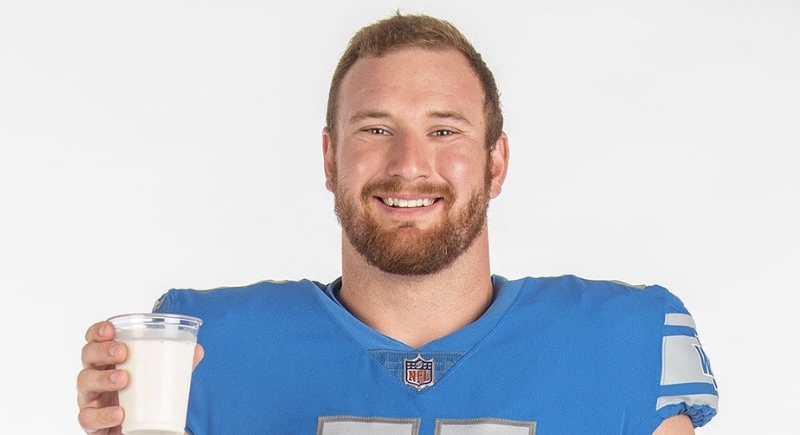
Credit: Instagram
In June 2025, Frank Ragnow announced his retirement after seven seasons as the anchor of the Lions’ offensive line. He started 96 games, earned four Pro Bowl selections, and was named All-Pro three times. He was known for his toughness and even played through a fractured throat. Though still performing at a high level, Ragnow said the physical toll of repeated injuries was ultimately what led him to retire at 28.
Calvin Johnson
Credit: Facebook
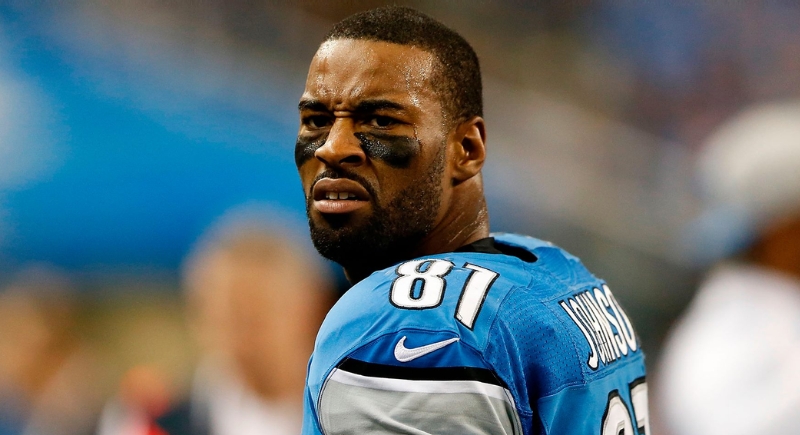
Calvin Johnson didn’t wait for a slow decline. Over nine seasons in Detroit, he earned six Pro Bowl selections, led the league in receiving yards twice, and made catches that barely seemed real. But the injuries kept coming. In 2016, he chose to retire at 30. Johnson joined the Hall of Fame just five years after leaving the field.
Jim Brown

Credit: Instagram
Jim Brown’s career ended not with injury or decline, but with a movie set and a firm deadline. In 1966, he was filming The Dirty Dozen when the production ran over schedule, and the Browns expected him back for training camp, he chose to step away instead. He left with 12,312 rushing yards, three MVPs, and a Hall of Fame career already secured.
Rob Gronkowski

Credit: Instagram
After winning Super Bowl LIII with the Patriots, Gronk left football in 2019 when the injuries became too much to manage. He returned in 2020 to join Tom Brady in Tampa Bay and won another championship. After two more seasons, he stepped away again in 2022, this time for good.
Tiki Barber
Credit: Instagram
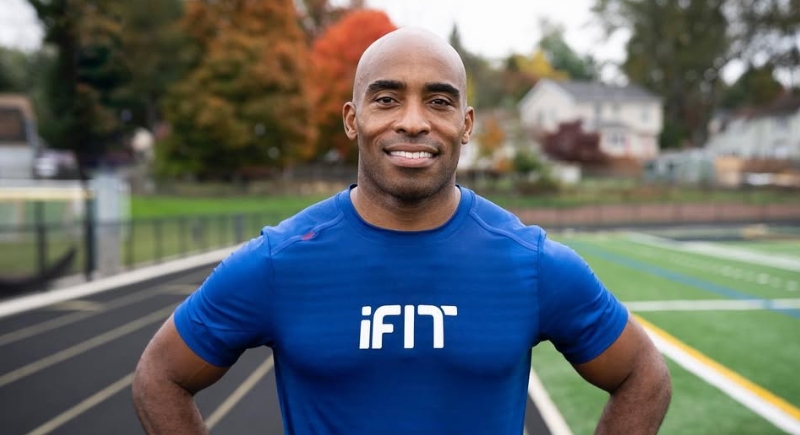
Tiki Barber ran for over 1,600 yards in 2006, then announced his retirement at age 31. He had already lined up a move into broadcasting and reportedly turned down a $50 million extension to take that path. The timing became a talking point when the Giants went on to win the Super Bowl the following season, without him in the backfield.
Earl Campbell
Credit: Facebook
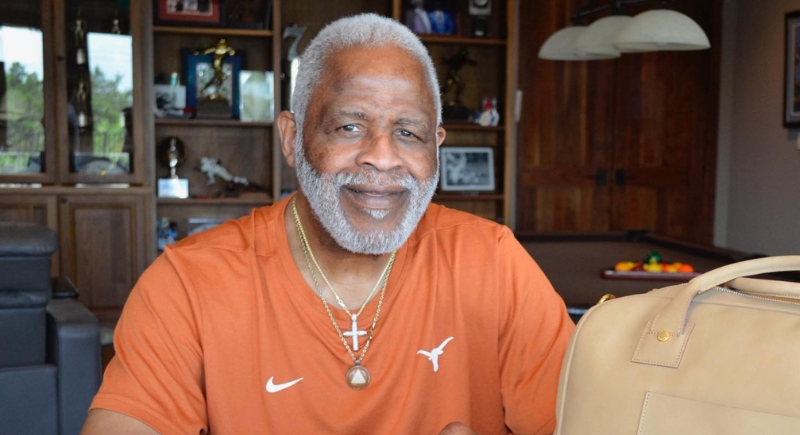
Earl Campbell overpowered defenses in his first season with the Oilers. He won three rushing titles with a straight-ahead, punishing style. That same style wore him down fast. By the time he played for the Saints, his legs were gone. He retired at 30 after years of physical punishment. His production dropped near the end, but his spot in the Hall of Fame was never in doubt.
Chris Borland

Credit: Instagram
Borland could’ve been the next great linebacker in San Francisco, but he shocked everyone by retiring after just one season. At 24, he cited concerns over long-term brain trauma. His decision sparked league-wide discussion about head injuries and put him at the center of the conversation around player safety.
Terrell Davis
Credit: Instagram
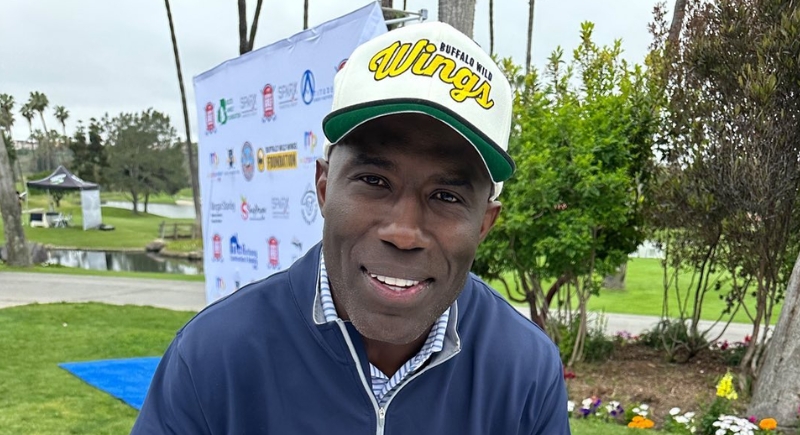
Terrell Davis reached the mountaintop fast. He won a league MVP and a Super Bowl MVP. He also helped Denver take home two championships, all within a few dominant seasons. His 2,008-yard season in 1998 remains one of the best. However, knee injuries struck the following year. After two shortened comeback attempts, Davis retired in 2002 at age 29.
Ali Marpet
Credit: Instagram
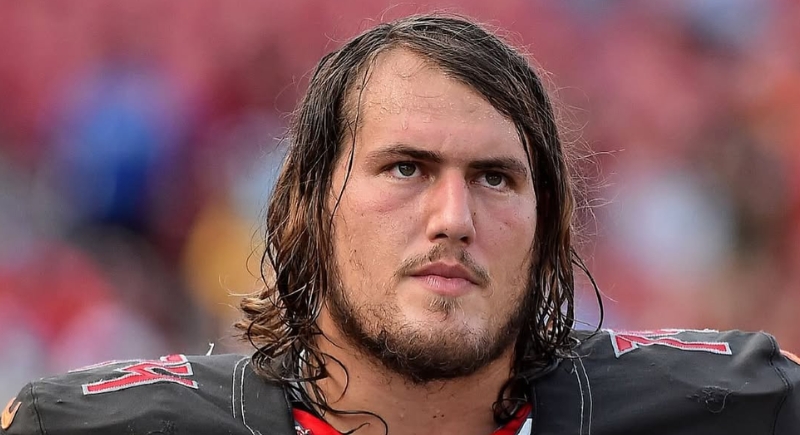
A key piece of the Buccaneers’ Super Bowl-winning line, Ali Marpet, retired at 28. He’d just made his first Pro Bowl and played seven strong seasons. Marpet was one of the few players to go out while trending upward, having protected Tom Brady and helped Tampa Bay bring home a championship.
Anthony Davis
Credit: SB Nation
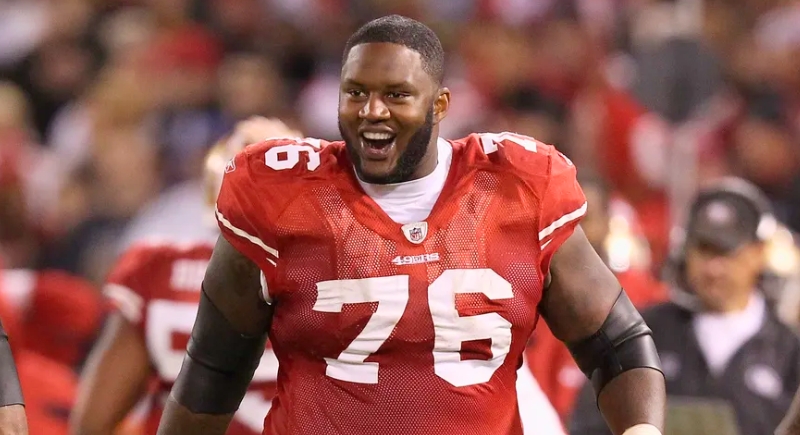
Anthony Davis, drafted 11th overall in 2010, quickly became a reliable starter on the 49ers’ line. In 2015, he took a break from football to recover from injuries. He returned in 2016 but suffered another concussion and retired soon after. At 26, he decided the risk wasn’t worth it and chose to prioritize his health over continuing his career.
Eugene Monroe
Credit: Instagram
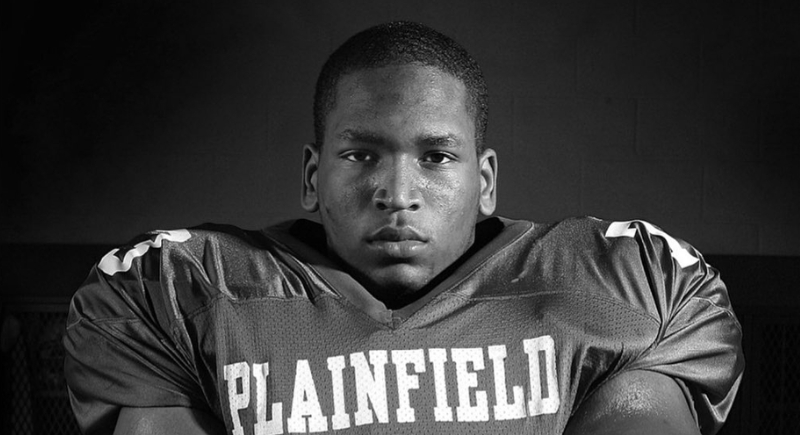
Eugene Monroe was one of the league’s top tackles when he chose to retire in 2016 after seven seasons. He was concerned about the long-term effects of head injuries and stepped away while still playing well. He used his platform to speak out on player safety and pushed for more research into football’s impact on the brain.