Ranking the 10 Most Intimidating Stadiums in Football History
Home advantage does not start at kickoff. In certain stadiums, visiting teams feel it the moment they step onto the pitch. Crowd intensity, tight design, long memories, and unspoken expectations combine to create pressure that builds fast and never fully lets up. These are the grounds where composure slips, mistakes come early, and even experienced players talk about the atmosphere long after the match ends.
Ibrox
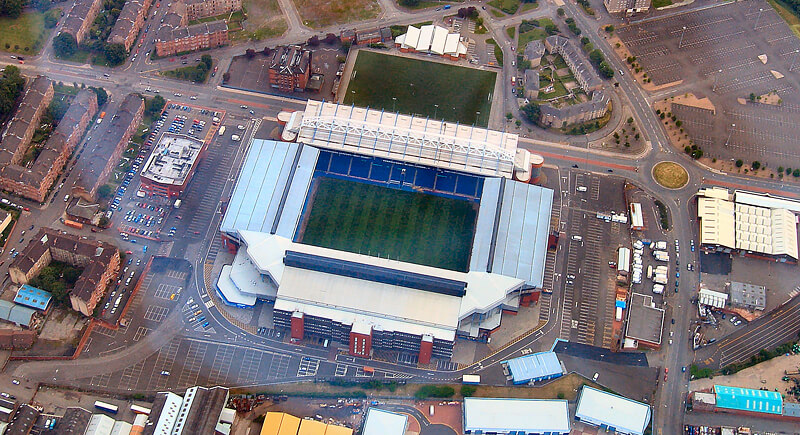
Credit: Wikimedia Commons
Ibrox Stadium has been the home of Rangers since 1899 and is one of Europe’s oldest major football grounds. Its steep stands and tight corners trap sound near the pitch. Old Firm derbies against Celtic have produced title swings and red cards. Visiting players often mention hearing individual shouts clearly, which makes mistakes feel amplified.
San Siro
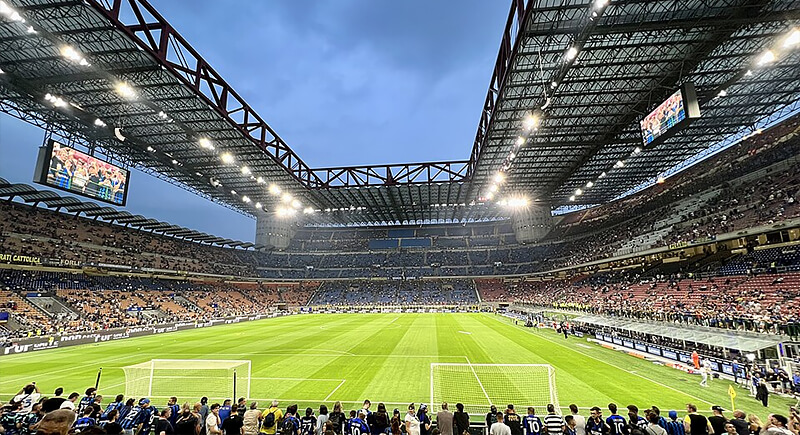
Credit: Wikimedia Commons
Shared by AC Milan and Inter Milan, the stadium has staged Champions League finals and generations of heated derbies. The spiral ramps and towering structure create a slow, intimidating walk inside. Its scale and shared history contribute to an atmosphere that can shift sharply during key moments, especially on European nights.
Cairo International Stadium
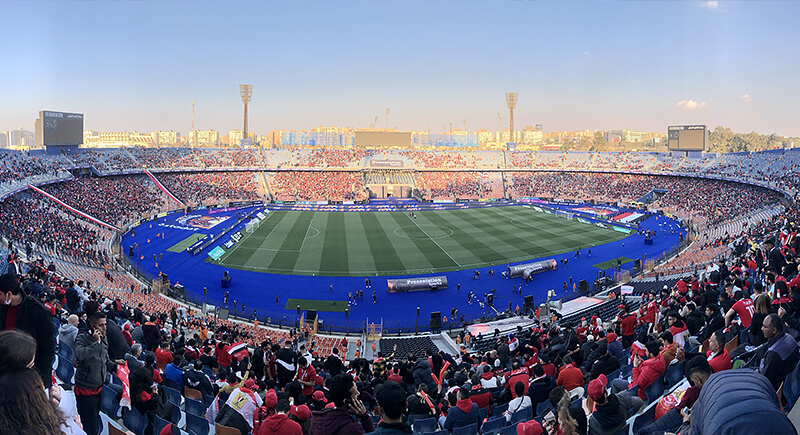
Credit: Wikimedia Commons
Cairo International Stadium entered football folklore during the 1986 Africa Cup of Nations final, when attendance topped 120,000. Egypt’s national team lifted the trophy again here in 2006. The stadium also hosts Al Ahly–Zamalek derbies, fixtures known for their tension.
Rams Park
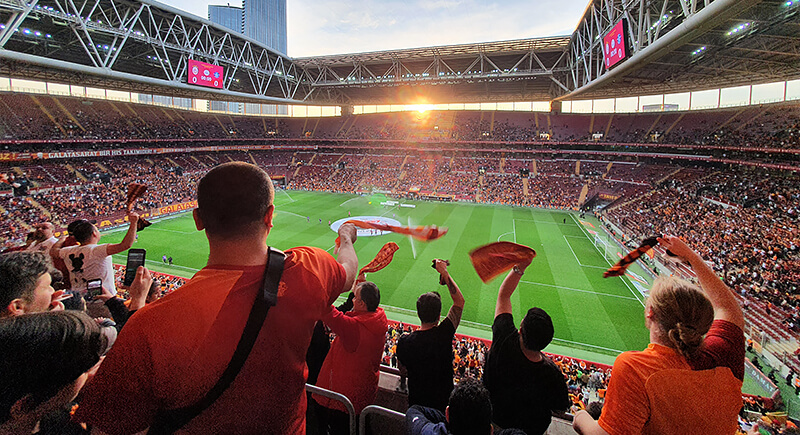
Credit: Wikimedia Commons
Rams Park opened in 2011, carrying Galatasaray’s traditions into a modern setting. The “Welcome to Hell” banners followed the move, along with record-setting noise levels. Manchester United, Juventus, and Real Madrid have all suffered defeats in this stadium.
Rajko Mitić Stadium
Credit: Wikipedia
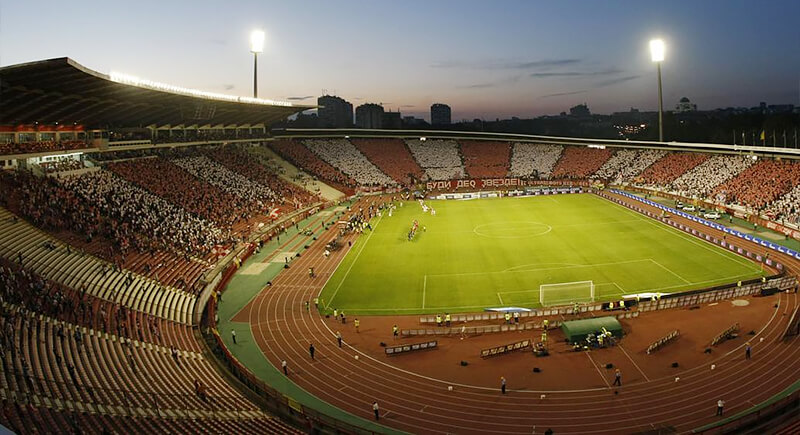
Rajko Mitić Stadium, often called the Marakana, was the stage for Red Star Belgrade’s 1991 European Cup win. Liverpool’s 2018 Champions League defeat here revived its reputation. The enclosed design helps sustain crowd noise throughout matches. Local derbies against Partizan Belgrade intensify that pressure further.
Celtic Park
Credit: Wikimedia Commons
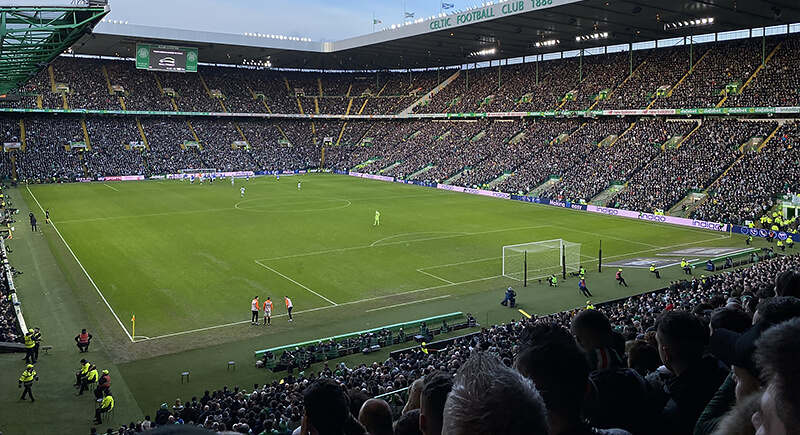
Celtic Park has been the home of Celtic since 1892 and regularly accommodates over 60,000 supporters. European nights built its legend, notably victories over larger clubs in the Champions League. It’s also renowned for maintaining a strong crowd involvement throughout matches, particularly in continental competitions.
Santiago Bernabéu
Credit: Wikimedia Commons
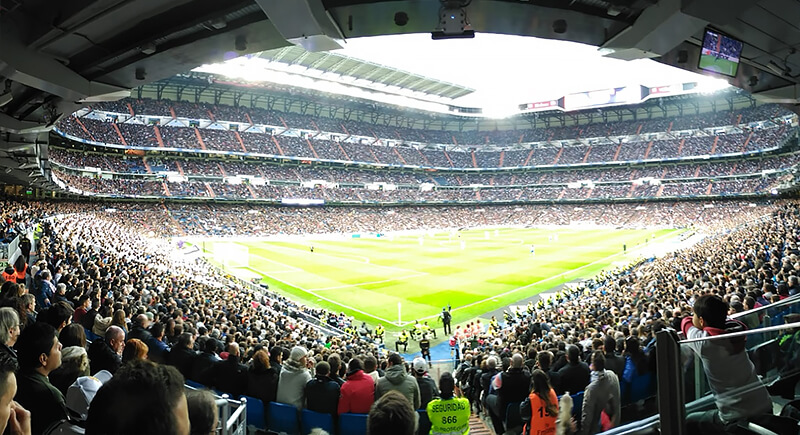
Real Madrid’s European history is shaped by late goals and dramatic comebacks. The Bernabéu is known for its demanding crowd, where reactions to momentum shifts can heighten pressure on visiting players. Expectations remain constant, regardless of the opponent or the scoreline.
Signal Iduna Park
Credit: Wikimedia Commons
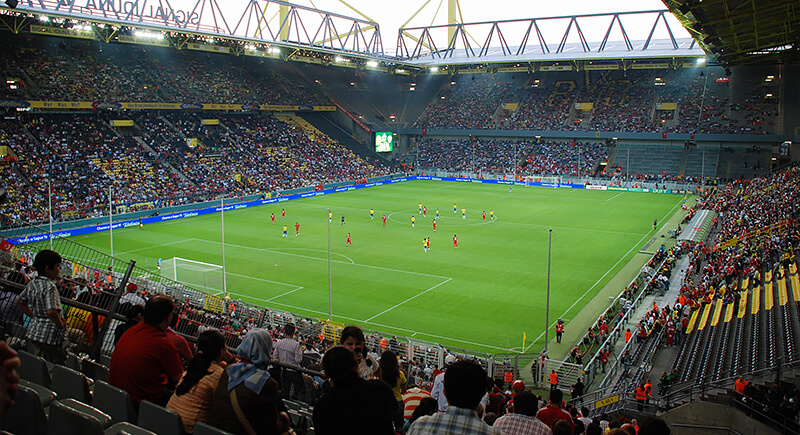
Signal Iduna Park accommodates over 80,000 supporters, with 25,000 standing together on the Südtribüne, commonly referred to as the Yellow Wall. Dortmund’s Champions League runs helped define its reputation. The sheer volume generated by the crowd has made on-pitch communication difficult during matches.
Anfield
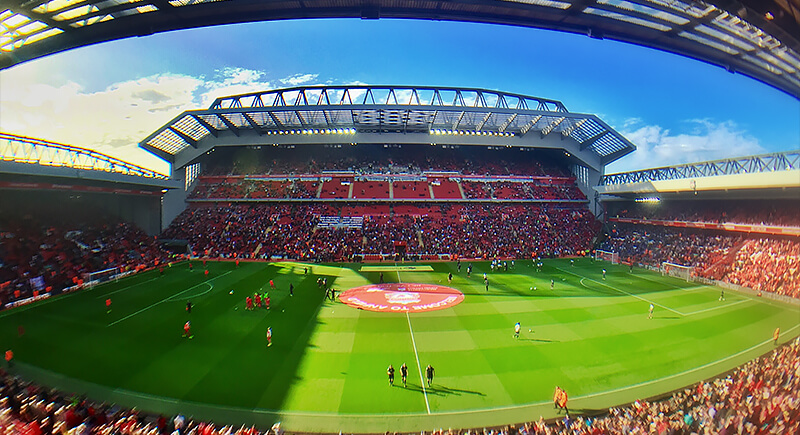
Credit: Wikimedia Commons
Anfield has been the home of Liverpool since 1892 and remains deeply tied to European football history. The Kop gained fame through comeback victories across decades. Long unbeaten league runs strengthened belief inside the ground. The Kop’s sustained involvement has long been associated with increasing pressure on visiting teams during key passages of play.
La Bombonera
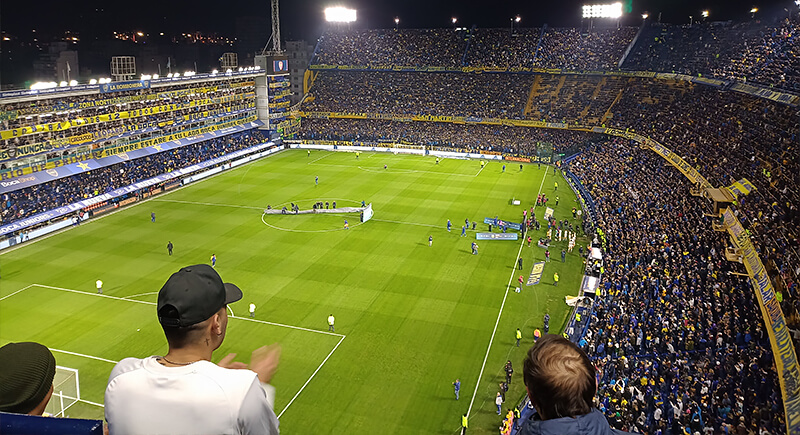
Credit: Wikimedia Commons
La Bombonera was designed to intimidate. Built in 1940, its three steep stands and one vertical wall compress noise onto the pitch. Boca Juniors’ Superclásicos against River Plate define its identity. The pitch meets minimum size rules and reduces space. Players frequently mention vibrations during high-stakes matches.