10 Moments and Trends That Shaped the Bears’ Comeback Reputation
The idea of a comeback king is often associated with a single dramatic finish, but the Chicago Bears built their reputation through repeated late-game reversals across an entire season. The pattern showed up consistently from early October through the postseason.
Caleb Williams
Credit: Wikimedia Commons
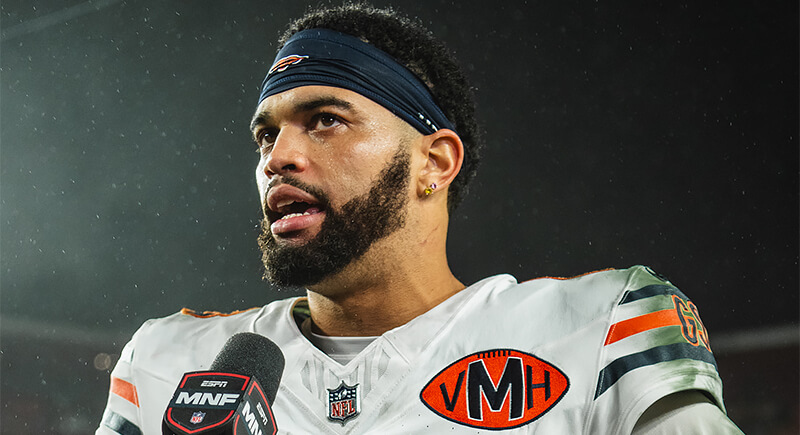
Caleb Williams finished the season with seven game-winning drives in the fourth quarter or overtime, tying him with Denver Broncos quarterback Bo Nix for the most in the NFL. That total was the highest by a Bears quarterback since the 1970 NFL-AFL merger. Several of those wins came after Chicago trailed late in the fourth quarter, including multiple games in which the deficit remained within the final two minutes.
Fourth-Quarter Volume
Credit: Instagram
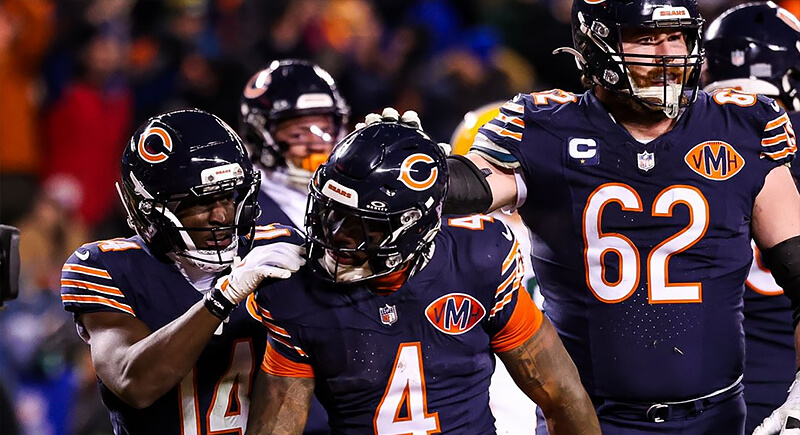
Chicago recorded seven victories after trailing in the fourth quarter. In several of those games, the Bears’ win probability dropped below 10% late in regulation before swinging back in their favor. Those wins were spread across different opponents and weeks.
The Packers Games
Credit: Wikimedia Commons
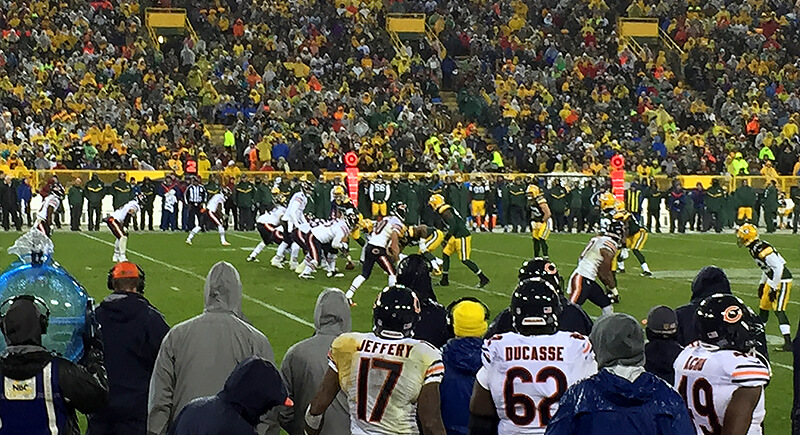
Two comeback victories against the Green Bay Packers became central to the season narrative. In Week 16, Chicago trailed 16-6 late in the fourth quarter, recovered an onside kick, forced overtime, and won on a walk-off touchdown pass. In the NFC wild-card round, the Bears fell behind 21-3 at halftime before scoring 25 points in the fourth quarter to secure a 31-27 victory at Soldier Field.
Playoff Proof
Credit: Wikipedia
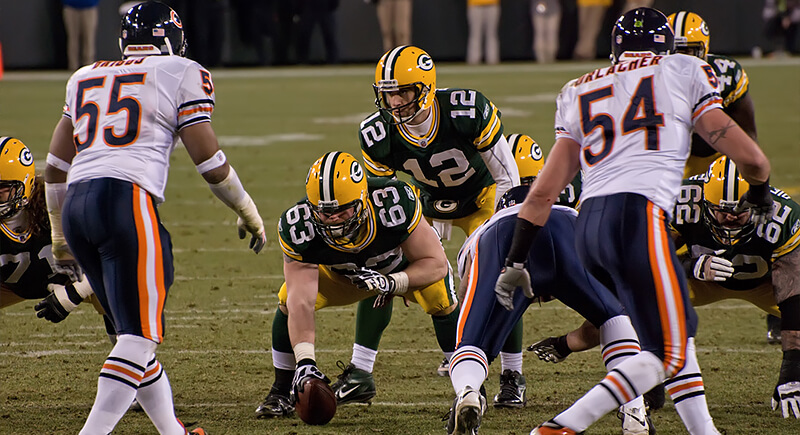
The wild-card win over Green Bay delivered Chicago’s first playoff victory in 15 years. By rallying from a 15-point fourth-quarter deficit, the Bears became only the fourth team in NFL history to win a postseason game after trailing by that margin entering the final quarter.
Defense and Special Teams
Credit: Wikimedia Commons
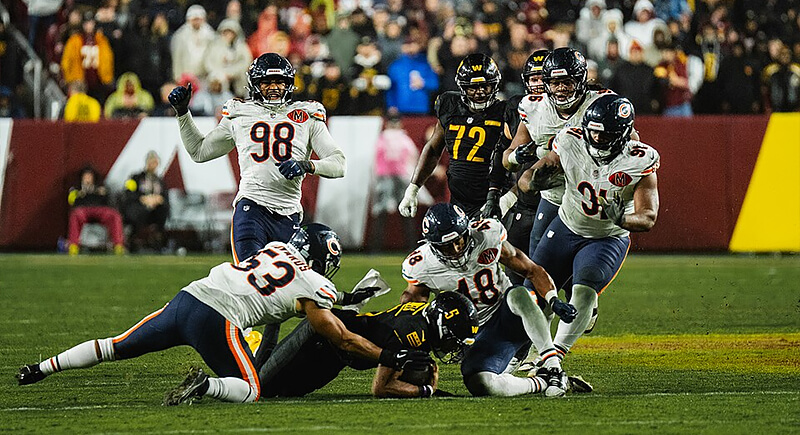
Several comebacks were directly aided by defensive and special teams plays. Chicago recovered an onside kick against Green Bay in Week 16, forced late turnovers in multiple wins, and blocked a potential game-winning field goal against the Las Vegas Raiders in Week 4. Those plays shortened the field and created extra possessions that proved decisive in close games.
Colston Loveland Factor
Credit: Instagram
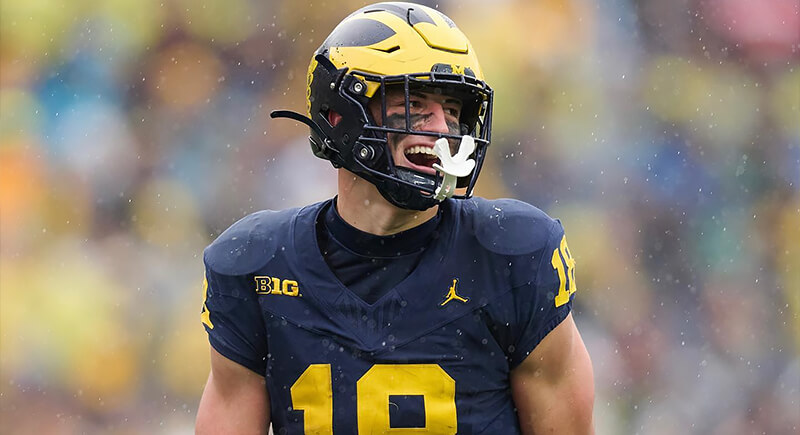
Rookie tight end Colston Loveland played a pivotal role in one of the season’s most dramatic finishes. Against the Cincinnati Bengals in Week 9, he caught a 58-yard touchdown pass with 52 seconds remaining after Chicago had surrendered a late lead. The score capped a final drive with no timeouts remaining and sealed a 47-42 win.
Ben Johnson’s Messaging
Credit: Instagram
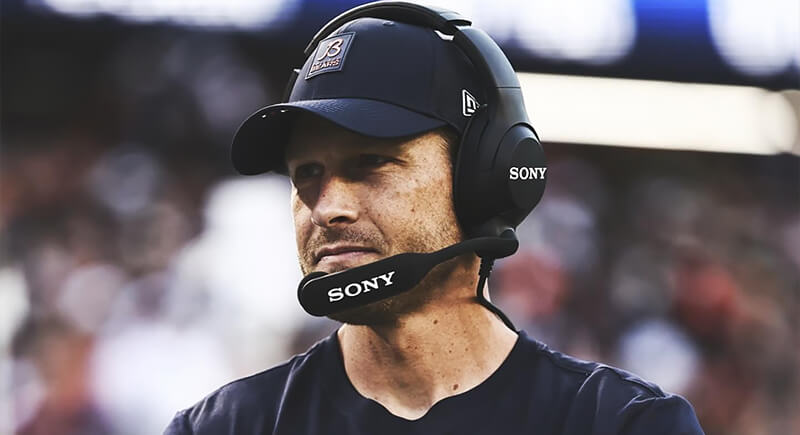
Head coach Ben Johnson reinforced late-game belief during training camp by showing players film from Super Bowl LI, which featured the New England Patriots’ comeback from a 28-3 deficit against the Atlanta Falcons. Two Bears players, Joe Thuney and Grady Jarrett, had participated in that game and shared their experiences with teammates. The message emphasized that games remain undecided deep into the second half, regardless of score.
All About Time Management
Credit: Wikimedia Commons
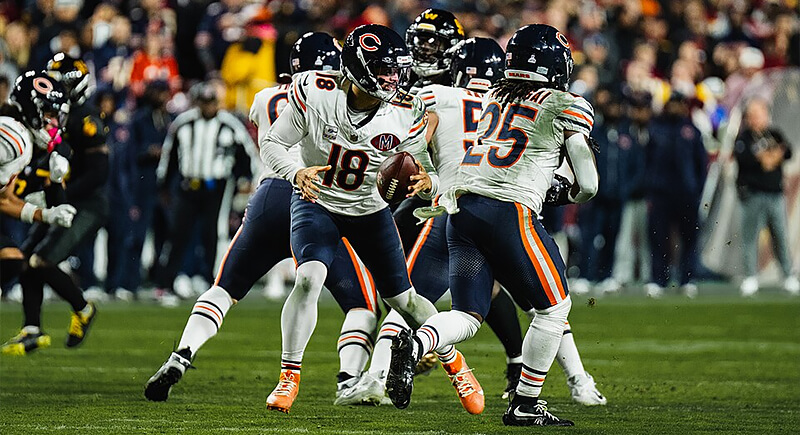
Several winning drives were shaped by careful time management. Chicago repeatedly used short passes, quarterback scrambles, and designed runs to keep the clock manageable while moving the ball. That approach allowed the Bears to avoid rushed decisions and preserved scoring chances on drives that stretched into the final seconds.
Mistake Avoidance
Credit: Instagram
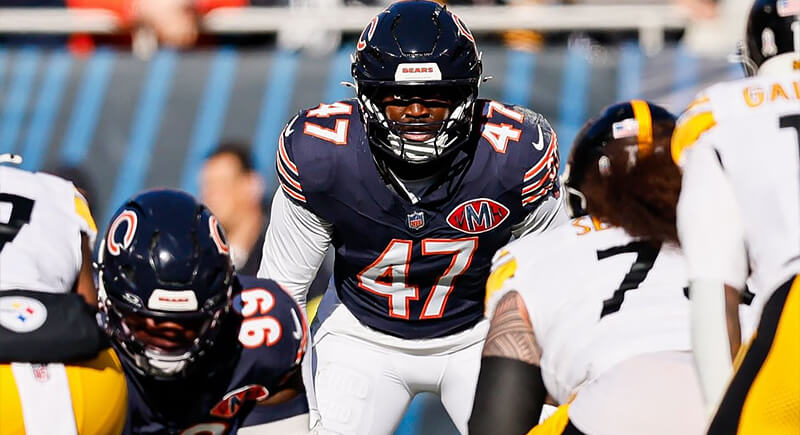
One consistent thread across the comeback wins was a lack of damaging errors late in games. Chicago avoided turnovers on final possessions and limited sacks that could have pushed drives backward. That steady approach kept comeback attempts alive long enough for big plays or kicks to decide the outcome.
Consistency Over Hype
Credit: Instagram
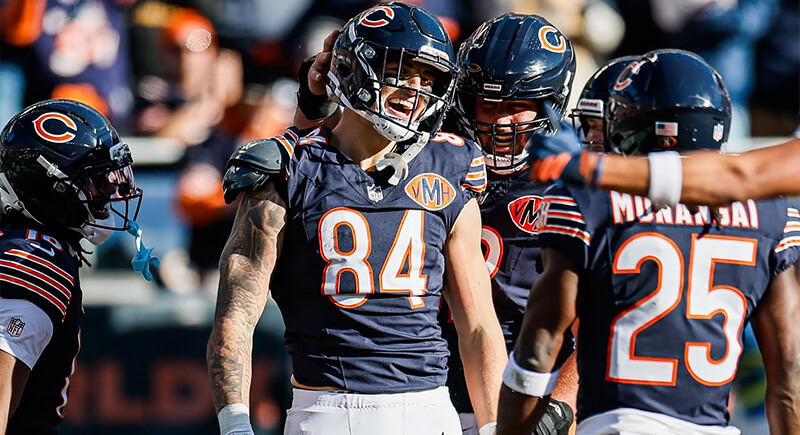
Across seven comeback victories, Chicago repeatedly finished games strong after falling behind late. Those outcomes were driven by late offensive execution, timely defensive stops, and situational plays that shifted momentum. The accumulation of those results led to the Bears being labeled a comeback team throughout the season.